Rokmer Pharma Ltd

terms and conditions for using Rokmer Pharma’s website

Blog Right Sidebar

terms and conditions for using Rokmer Pharma’s website

Ghana scales up fight against obstetric fistula with free surgeries in five hospitals

Ghana scales up fight against obstetric fistula with free surgeries in five hospitals

In a move to restore dignity to women living with obstetric fistula, Ghana has launched a nationwide initiative offering free surgeries in five major hospitals.

The initiative, led by the Partnership to End Fistula in Ghana (PEFIC), aims to eliminate one of the most debilitating childbirth-related conditions by providing comprehensive care and reintegration support to survivors.

The designated hospitals now offering free fistula repairs include Komfo Anokye Teaching Hospital (Kumasi), Ho Teaching Hospital (Volta Region), Tamale West Hospital (Northern Region), Mercy Women Catholic Hospital (Central Region), and Upper West Regional Hospital.

The announcement was made by Dr. Wilfred Ochan, Country Representative of the United Nations Population Fund (UNFPA), during a commemorative event on May 23 at Ho Teaching Hospital marking the International Day to End Obstetric Fistula.

“This year, we decided to take the conversation out of the conference rooms and into clinics and communities,” Dr. Ochan emphasized, underscoring the need to confront the stigma and isolation that fistula survivors endure.

Obstetric fistula, caused primarily by prolonged or obstructed labour, results in a hole between the birth canal and the bladder or rectum, leading to uncontrollable leakage of urine or faeces.

Beyond the physical trauma, affected women often suffer severe psychological and social rejection ,many lose their babies, are abandoned by spouses, and are excluded from basic social activities.

Restoring Hope, One Surgery at a Time

PEFIC, officially launched in December 2023 by former First Lady Rebecca Akufo-Addo, has rapidly grown from seven founding partners to 18 institutions.

These include ministries, health facilities, international organizations like WHO and WFP, and private sector players such as Fidelity Bank, Access Bank, and AT (formerly AirtelTigo).

Non-governmental organizations such as Qatar Charity and MCAM are also contributing significantly to the campaign.

Qatar Charity is building a shelter for fistula patients in Yendi, providing a safe space for recovery and reintegration.

At the same time, the Ministry of Gender, Children and Social Protection is constructing a new surgical theatre in Tamale to support the increased demand for repairs and improve access to quality care in the Northern Region.

The estimated cost per patient around $700 covers transportation, surgery, and two weeks of recovery care.

While the Ghana Health Service provides the clinical workforce and infrastructure, other partners support with logistics, public education, and infrastructure projects.

“It’s not just about performing the surgery,” Dr. Ochan noted. “We must ensure each woman is transported safely, given a place to heal, and supported to rejoin her family and community.”

From Donor Dependency to National Ownership

What began with a modest $60,000 in donor support has evolved into a nationally-owned, multi-sectoral campaign.

Ghana’s move toward self-sufficiency is a beacon of hope for countries battling similar maternal health challenges.

With skilled delivery care now covering 87-88% of births in health facilities, the nation is making visible strides but challenges remain.

Ghana’s maternal mortality rate stands at approximately 310 deaths per 100,000 live births, and for every death, about 20 women suffer serious complications many of which are preventable, like obstetric fistula.

How to Access the Free Surgery

Women in need of fistula repair can contact the following hospitals:

Komfo Anokye Teaching Hospital (Kumasi) – 057 020 2800

Ho Teaching Hospital (Volta Region) – 027 939 0179

Tamale West Hospital (Northern Region) – 027 701 3270

Mercy Women Catholic Hospital (Central Region) – 027 523 2127

Upper West Regional Hospital – 055 849 6307

A Future Free of Fistula

With this new campaign, Ghana is not only treating a condition it is restoring dignity, empowering women, and setting a global example.

“We’ve moved from dependency to sustainability,” said Dr. Ochan. “This is what national commitment to maternal health looks like.”

As the country accelerates efforts to eradicate obstetric fistula by 2030, the collaboration between government, civil society, the private sector, and international agencies marks a hopeful turning point in the lives of thousands of women.

terms and conditions for using Rokmer Pharma’s website

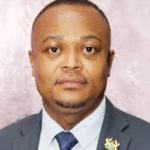
CEO of Margins ID Group highlights Ghana Card’s role in healthcare at ID4Africa Summit

Moses Kwesi Baiden Jr., CEO of Margins ID Group speaking at the ID4Africa 2025 summit

The CEO of Margins ID Group, Moses Kwesi Baiden Jr., has outlined the impact of Ghana’s national biometric ID system—the Ghana Card—on the country’s healthcare sector.

Speaking at the ID4Africa 2025 summit in Addis Ababa, Ethiopia, during a session focused on digital identity and public service delivery, Mr. Baiden described how the Ghana Card is being used to improve efficiency and reduce costs in healthcare.

According to Baiden, the integration of the Ghana Card into the healthcare system has allowed the government to eliminate the need for separate National Health Insurance Scheme (NHIS) cards. This consolidation, he said, is saving the government millions of dollars annually by streamlining identity verification and reducing instances of healthcare fraud.

The Ghana Card, a legally mandated biometric identity document, has now been issued to over 98% of the adult population, with efforts ongoing to register children. Baiden said that more than 200 million biometric verifications have been processed through the system so far.

Margins ID Group, a private Ghanaian company, was one of only two African firms represented at this year’s summit. Through its subsidiaries, Identity Management Systems (IMS) and Intelligent Card Production Systems (ICPS), it partnered with the National Identification Authority (NIA) to develop and roll out the card.

G

In his address, Baiden argued that a single, integrated identity system is essential for digital governance and development. He pointed to the card’s application beyond healthcare, including its use in banking, education, and government services, as evidence of its broader value.

He also called for greater inclusion of African-developed digital identity solutions in global discussions, stating that Africa should not be seen only as a market but also as a source of innovation.

The ID4Africa summit, held annually, brings together identity authorities, technology providers, and policymakers from across the continent. As African countries work toward the UN Sustainable Development Goal 16.9—to provide legal identity for all by 2030—Ghana’s experience with the Ghana Card was presented as one possible model for others to examine.

Baiden stressed that the success of identity systems should be measured not just by technical achievements but by their ability to deliver tangible benefits to society.

terms and conditions for using Rokmer Pharma’s website

People with lived experience of NCDs applaud Mahama’s NCD initiative

People with lived experience of NCDs applaud Mahama’s NCD initiative

The Ghana NCD Alliance, in partnership with People Living with NCDs and Vision for Accelerated Sustainable Development, has commended President John Mahama for launching the Ghana Medical Trust Fund (MahamaCares).

They are particularly excited about his decision to donate six months of his salary as seed funding for the initiative and for directing all government appointees to donate one month of their salaries to the fund.

At the official launch on 29th April 2025, the President addressed the growing public health threat posed by NCDs – such as diabetes, hypertension, cancer, kidney and heart diseases, and stroke – urging corporate Ghana to align their corporate social responsibility strategies with this critical national priority.

Some individuals living with NCDs highlighted the dangers of such diseases and commended the President’s initiative.

“When a former President, now President of Ghana, openly shares his personal journey with chronic illness, it turns statistics into stories—reminding us that NCDs are not distant threats but a present reality,” said Martha Coffie, a person living with multiple NCDs.

“We are thankful to the President, Mr John Mahama, for initiating a fund to support us and showing that we are not alone. However, we would like to remind His Excellency to prioritise NCD prevention, which is a cornerstone of a meaningful response to non-communicable diseases,” stated Essel Francis Cudjoe, another person living with diabetes.

The Ghana NCD Alliance also reiterated the financial burdens imposed by NCDs and made several recommendations for the effective operation of the President’s initiative.

“For years, we have witnessed the crippling financial burdens imposed by NCDs, with many Ghanaians facing insurmountable healthcare costs and limited access to treatment. While MahamaCares represents a landmark moment in Ghana’s journey towards Universal Health Coverage, we stress the importance of ensuring this initiative does not focus solely on curative care.

As the initiative gains momentum, we humbly recommend the inclusion of preventive measures—ranging from public education on the risk factors of NCDs, such as tobacco use, alcohol consumption, unhealthy diet, and physical inactivity, to regular health screening for early diagnosis and referral.

Preventive actions such as increased pricing on health-harming products, marketing restrictions, and health warning labels on food items, among others, will reduce pressure on the fund and lower the number of NCD cases reported at hospitals in the medium to long term.

We also call on the government to implement policies that will create a sustainable and equitable funding pipeline. These interventions will alleviate long-term pressure on the fund by reducing disease incidence and the associated treatment costs.”

The Ghana NCD Alliance further urged for public inclusivity to facilitate the programme:

“As the global community prepares for the upcoming 4th UN High-Level Meeting on NCDs and Mental Health in September 2025, Ghana’s proactive stance through MahamaCares could serve as a model of national leadership and multisectoral commitment towards the achievement of global NCD targets.

“We call on all citizens to unite behind this initiative, promote its mission, and raise awareness about the critical need for early detection, prevention, and treatment of NCDs.”

terms and conditions for using Rokmer Pharma’s website

Trust Hospital, AztraZeneca urge greater access to inhaled treatment

Trust Hospital, AztraZeneca urge greater access to inhaled treatment

…as World Asthma Day is marked

The Trust Hospital has called for better access to inhaled medications for asthma patients in Ghana, joining the global observance of World Asthma Day 2025 with a renewed focus on equitable respiratory care.

At an event held at the hospital’s Premium Centre in Accra, medical professionals, patients, health advocates, and stakeholders gathered under the global theme: ‘Make Inhaled Treatment Accessible to All’. The occasion served as both a moment of awareness and a platform to advocate for systemic improvements in asthma management.

Delivering the keynote address, Dr. Juliana Oye Ameh, Chief Executive Officer of Trust Hospital, described asthma as a pressing public health challenge, not only in Ghana but also across the developing world.“Asthma is not only a personal health concern; it is a public health challenge. Over 96 percent of asthma-related deaths occur in low- and middle-income countries, where access to essential life-saving inhalers is often limited or completely unavailable,” she said.

Trust Hospital, AztraZeneca urge greater access to inhaled treatment

Asthma currently affects more than 262 million people globally and causes over 455,000 deaths each year. In Ghana, the disease remains a significant factor in hospital admissions and mortality, particularly among children and adults living in underserved communities.

Dr. Ameh mentioned that the hospital has a dedicated asthma clinic designed to provide patients with targeted support through personalized care plans and education. She shared the story of a mother whose child, previously struggling with recurrent asthma attacks, now thrives in school after receiving regular care from the clinic.

In her remarks, she further emphasised the need for collective action to reverse the current trend.The situation in Ghana is no different, as asthma remains a significant cause of illness. We must change the narrative,” she noted. This year’s event was supported by the pharmaceutical company AstraZeneca, whose partnership with Trust Hospital emphasises a shared commitment to enhancing access to asthma care.“Together, we commit to ensuring that everyone in Ghana can access proper asthma treatment. Their vision aligns closely with our own goals,” Dr. Ameh added.

Representing AstraZeneca, Mrs.  Dorothy Arthur delivered a presentation on asthma management techniques, emphasising the proper use of inhaler devices. She advocated for the Turbuhaler, an easy-to-use device designed to provide more consistent medication doses.“Proper inhaler technique is crucial for ensuring that patients receive the full benefits of their medication,” she explained.

Speaking on asthma treatment, Dr. Allen Steele-Dadzie, a senior specialist in family medicine and asthma care, emphasized that while asthma is manageable, it is not curable. He advocated for early diagnosis and highlighted the importance of enrolling in asthma clinics to ensure proper monitoring and timely initiation of the right medications.

Supporting the data-driven approach, Dr Selassie Amegashie of the asthma clinic shared insights from a case study that highlighted the measurable benefits of targeting asthma care and the need for continued public education and patient support.

Trust Hospital, AztraZeneca urge greater access to inhaled treatment

Meanwhile, Dr. Nana Ama Abankwah, Chief of Medical Staff at Trust Hospital, addressed the broader implications of asthma as a non-communicable disease, highlighting the rising prevalence of adult-onset asthma.The increasing prevalence of adult-onset asthma and the underestimation of asthma deaths in third-world countries are alarming. We must prioritize better diagnosis and treatment to reduce asthma-related fatalities,” she said.

The session concluded with an open Q&A, providing attendees the opportunity to engage directly with clinicians and learn more about asthma-related conditions and their management.The Trust Hospital used the occasion to issue a wider appeal to all stakeholders in the health sector, urging collaboration to improve outcomes for asthma patients across the country.

Dr. Ameh added, “Together, we can prevent unnecessary deaths, enhance the quality of life, and offer hope to millions affected by asthma in Ghana and worldwide.”

terms and conditions for using Rokmer Pharma’s website

Court issues bench warrant for businessman over GH¢149,000  

Court issues bench warrant for businessman over GH¢149,000  

An Accra Circuit Court has ordered the arrest of Lukeman Abdul-Karim, a 27-year-old businessman, for failing to appear before it.   

Abdul-Karim allegedly collected GH₵149,000 from the complainant under the pretext of providing a CFA equivalent but failed to do so.  

When the case was called, Abdul-Karim was absent, prompting the prosecution to request a bench warrant for his arrest.   

The court, presided over by Mr. Samuel Bright Acquah, granted the request and issued the bench warrant.   

The case was adjourned to June 16, 2025.   

According to the prosecution, Daniel Attah, the complainant, is a businessman, while Abdul-Karim, who resides in West Hills, Accra, falsely claimed to be a forex bureau operator.   

In January 2025, Abdul-Karim convinced Attah that he could exchange Cedis into foreign currencies and collected GH₵149,000 from him.   

After receiving the money, he failed to deliver the CFA equivalent and gave excuses.   

On January 25, 2025, Attah reported the case to the police, leading to Abdul-Karim’s arrest.   

During investigations, Abdul-Karim refunded GH₵20,000 but failed to return the remaining amount.  


KATH launches orthopaedics month to fund free surgeries and raise bone health awareness

KATH launches orthopaedics month to fund free surgeries and raise bone health awareness

KATH launches orthopaedics month to fund free surgeries and raise bone health awareness

The Trauma and Orthopaedics Directorate of the Komfo Anokye Teaching Hospital (KATH) has officially launched Orthopaedics Month, a month-long initiative aimed at raising awareness on bone health and providing free orthopaedic surgeries for patients in need.

The campaign, which is on the theme: “Strong Bones, Active Lives – Celebrating Orthopaedic Health”, is set to run throughout June 2025.

It places a strong emphasis on public education, injury prevention, and fundraising to support underprivileged patients who require critical orthopaedic care.

A major highlight of the campaign is a fundraising drive designed to sponsor surgical procedures for patients who cannot afford treatment.

These include essential operations such as fracture repairs, joint reconstructions, and corrective orthopaedic surgeries.

KATH launches orthopaedics month to fund free surgeries and raise bone health awareness

Speaking at the launch, the Acting Head of the Trauma and Orthopaedics Directorate, Dr. Abeiku Hammond, stressed the urgent need for financial support.

“We see many patients who delay care because they simply cannot afford it. This month is not only about awareness but also action. Through our fundraising efforts, we hope to provide free surgeries and give these patients a second chance at active, pain-free lives,” he said.

A Consultant Orthopaedic Surgeon and Acting CEO of KATH, Dr. Paa Kwesi Baidoo, also emphasised the need for accessible and affordable orthopaedic services.

He noted that financial hardship often forces patients to postpone or avoid necessary treatment, worsening their conditions.

KATH launches orthopaedics month to fund free surgeries and raise bone health awareness

“As part of the hospital’s corporate social responsibility, we are offering free services for people with orthopaedic conditions, including surgeries. But this can only be possible with the kind sponsorship of philanthropic individuals and organisations,” he stated.

In addition to surgery sponsorships, the Directorate has lined up a series of community engagement activities across the Ashanti Region, including free orthopaedic screenings, educational outreach in schools and local communities, media campaigns to spread awareness on bone health, specialised orthopaedic clinics to provide direct care

The hospital is, therefore, calling on individuals, corporate organisations, and charitable foundations to contribute to the cause.

Donations will directly fund surgeries and outreach efforts, helping restore mobility and dignity to countless patients.

terms and conditions for using Rokmer Pharma’s website

One in three babies born to HIV-positive mothers at risk of toxoplasmosis, KNUST study reveals

One in three babies born to HIV-positive mothers at risk of toxoplasmosis, KNUST study reveals

A new study from researchers at Kwame Nkrumah University of Science and Technology (KNUST), Kumasi has found that nearly one in three babies born to HIV-positive mothers in Ghana contract toxoplasmosis, a parasitic disease that can cause severe, long-term health complications if left untreated.

The study, conducted at KNUST’s University Hospital, revealed that infants born to HIV-positive mothers faced a significantly higher risk of Toxoplasma gondii infection compared to those born to HIV-negative mothers.

Toxoplasmosis, which can be transmitted during pregnancy, may lead to vision loss, brain damage, and developmental delays in children. The risk was particularly elevated in women with compromised immune systems, such as those living with HIV.

Key findings showed that over half of the HIV-positive pregnant women in the study had an acute T. gondii infection, with more than half of these cases resulting in transmission to their babies. In contrast, recent infections were rare among HIV-negative women, though transmission still occurred in half of those cases.

Dr. Bhavana Singh, lead researcher from KNUST’s Department of Clinical Microbiology, noted that older age and unemployment were significant risk factors for infection among HIV-positive women.

 Genetic analysis also confirmed that the toxoplasmosis strain circulating in Ghana matches a common global variant found in regions like Europe and North America.

While not all infected newborns exhibited immediate symptoms, the research team emphasized the need for long-term monitoring up to 10 years as complications can emerge later in childhood.

The study published in the Journal of Science and Technology (JUST) underscores the urgent need for enhanced prenatal screening, particularly for high-risk groups, and greater public health education about toxoplasmosis prevention.

Additional authors include Dr. Linda Batsa Debrah, Dr. Georgina Isabella Djameh, and Prof. Alexander Yaw Debrah.

terms and conditions for using Rokmer Pharma’s website

Otumfuo Osei Tutu II Foundation donates essential equipment to Manhyia Gov’t Hospital

Otumfuo Osei Tutu II Foundation donates essential equipment to Manhyia Gov't Hospital

The Otumfuo Osei Tutu II Foundation has donated essential medical equipment to the Nana Konadu Yiadom III maternity block at the Manhyia Government Hospital to support quality health delivery.

The Foundation commissioned and handed over the 30-bed maternity block to the hospital in April 2024 and has now equipped it with some items valued at ¢110,400.

Otumfuo Osei Tutu II Foundation donates essential equipment to Manhyia Gov't Hospital

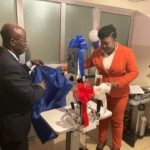
The donated items include air conditioners, hospital beds, a sterilizer machine, and theatre lamp.

Otumfuo Osei Tutu II Foundation donates essential equipment to Manhyia Gov't Hospital

According to Akwasi Oduro Korankye, Portfolio Head of the Otumfuo Osei Tutu II Foundation, “this gesture aligns with the Foundation’s mission to enhance access to quality healthcare and promote maternal and child health.”

Otumfuo Osei Tutu II Foundation donates essential equipment to Manhyia Gov't Hospital

The Foundation expressed gratitude to Asanteman UK for providing funds and resources to support its initiatives in health, education, water, and sanitation, honoring the legacy of Asantehene Otumfuo Osei Tutu II.

Otumfuo Osei Tutu II Foundation donates essential equipment to Manhyia Gov't Hospital

Strained resources in health centres worsening mental health treatment and management

Strained resources in health centres worsening mental health treatment and management

Mental health treatment in Ghana is being impeded by a lack of personnel, inadequate supply of medication and discontinued medication.

Despite increasing numbers of new cases of depression, anxiety, and other psychological disorders, some major public hospitals in the Ashanti region operate without patient wards, making treatment nearly impossible.

Stakeholders are calling for renewed commitments to progress in the treatment and management of psychological conditions.

Strained resources in health centres worsening mental health treatment and management

Mental health is a growing concern in Ghana, with 13% of the population estimated to have a mental disorder, including 3% with severe disorders.

The Kumasi South Hospital, since the establishment of its mental health unit in 2015, has seen increasing cases of depression, anxiety and psychological disorders, recording over 30 new cases every month.

In the wake of this surge, medical personnel fear abandonment of treatment and management of patients due to a shortage of dedicated free medications.

Nurse-in-charge at the psychiatry unit, Naomi Blankson, explains that patients are compelled to discontinue treatment due to the cost of medications in private pharmacies.

“We do have able mental health personnel, the problem is medication supply. We sometimes run short of them and patients cease their treatment because they are compelled to go out and buy them. Mental conditions treatment is on program drugs, so we do get free supplies. And that’s what these people count on for their treatment.

“When we are short in supply, and they also don’t want to buy, then they stop coming. They come for review and we have to write the drugs for them to buy. We don’t want it like that. Stakeholders and government and facilitate constant supply,” she said.

Strained resources in health centres worsening mental health treatment and management

At the Tafo Government Hospital, the situation is metamorphosed into outpatient treatment as the hospital lacks a dedicated mental health ward.

Hospital Manager, Odette Anaba, says the facility banks its hope on an overcrowded room which hinders quality care.

“We don’t have a ward and infrastructure for mental health care and treatment. We have uncompleted buildings that we believe can be taken advantage of if the government comes to our aid. We have made a room available, but the room is so small that it doesn’t even count as it prolongs the waiting time.

“Nurses take care of the patients but on an outpatient basis unless it’s critically important that we keep a patient to some wards but also conflicted on keeping mental health patients at medical wards, it puts other patients at risk,” she said.

The Mental Health Authority and the Ghana Health Service are leveraging the Mental Health Month in the Ashanti region to solicit support to mitigate the impact of the unaffordable treatments.

Medical Superintendent at the Manhyia Government Hospital, Dr. K. K. Hussein, says with enough education and support for facilities diagnostic rate should increase more than it is presently.

“We have about 200 cases at this facility every month. We have cases of depression, schizophrenia, bi-polar and addictions. We believe that we should be seeing more patients. Because mental health conditions disguise themselves. We have the capacity to manage. But people are not coming because they are assigning other factors like spiritual and the rest to their conditions and that’s not making them seek help. But there are real situations that need help,” he said.

The Mental Health Month is themed: “Mental well-being: my voice”, encouraging the public to regularly check up on their mental state.

As part of the celebration, the three hospitals, Kumasi South Hospital, Tafo Government Hospital, and Manhyia Government Hospital are offering a two-day screening to raise public awareness.

Ashanti Regional Health Psychiatrist, Dr Francis Oppong, explains that mental health patients need help and support, not stigmatization.

“Mental health issues are on the rise. However, personnel are reducing because many are traveling. And these are the same people who go into communities to administer treatment.

“We encourage people to assist people who have disorders to seek treatment and support. Mental health patients need help and support not stigma. We are using this opportunity to encourage everybody to cease tackling mental health conditions with faith-based activities. At least patients should be encouraged to seek further medical treatment,” he said.