Rokmer Pharma Ltd

terms and conditions for using Rokmer Pharma’s website

Blog Right Sidebar

terms and conditions for using Rokmer Pharma’s website

UK pledges £1.25bn to Gavi to vaccinate 500 million children, including in Ghana
UK pledges £1.25bn to Gavi to vaccinate 500 million children, including in Ghana

Millions of children across the globe, including in Ghana, are set to receive life-saving vaccines against some of the world’s deadliest diseases, following a £1.25 billion pledge by the United Kingdom to Gavi, the Vaccine Alliance.

The announcement was made by UK Foreign Secretary David Lammy at Gavi’s Global Summit in Brussels.

This major commitment extends the UK’s 25-year partnership with Gavi—one that has already vaccinated over 1 billion children, saved more than 18 million lives, and generated $250 billion in economic benefits through reduced mortality and disability since its inception in 2000.

The new funding will support Gavi’s mission to protect up to 500 million children between 2026 and 2030, and save up to 8 million more lives.

The ripple effect also reaches the UK economy, boosting local industries through partnerships with companies like GSK, which employs around 14,000 people in the UK.

Lammy hailed Gavi’s global impact, saying: “Over 1 billion children vaccinated, over 18 million lives saved, over $250 billion injected into the global economy.

“I’m immensely proud of the role the UK has played. Our ongoing partnership with Gavi will give millions of children a better start, save lives, and protect us all from the spread of deadly diseases.”

Gavi’s influence also strengthens the UK’s health security by preventing infectious diseases from reaching its borders, relieving pressure on hospitals and preparing the NHS for future challenges.

Minister for Development Jenny Chapman emphasised the strategic value of the UK-Gavi partnership:

“Our modern approach to development means focusing on where we can have the biggest impact. Our partnership with Gavi saves lives, supports UK jobs, and showcases British innovation on the global stage.”

Earlier in the week, Chapman visited GSK’s research hub in Stevenage with Gavi CEO Dr. Sania Nishtar, discussing cutting-edge vaccine research, including new malaria and TB vaccines.

Dr. Nishtar praised the UK’s continued leadership in global health: “The United Kingdom is one of Gavi’s longest and most committed partners.

This pledge reaffirms its status as a leader in global health, leveraging British science and innovation to save lives and fight outbreaks.”

With 56 countries and over 60 organisations now supporting Gavi—and with former recipients like India and Indonesia becoming donors—the UK’s renewed investment underscores its global health leadership and deepens its legacy in safeguarding future generations.

Yaw Frimpong Aforo Appointed Head of Administration and Finance at Rokmer Pharma Ltd

Yaw Frimpong Aforo Appointed Head of Administration and Finance at Rokmer Pharma Ltd

FOR IMMEDIATE RELEASE | Rokmer Pharma Ltd is pleased to announce the appointment of Mr. Yaw Frimpong Aforo as Head of...

terms and conditions for using Rokmer Pharma’s website

Ghana records two new Mpox cases, total now 119

Ghana records two new Mpox cases, total now 119

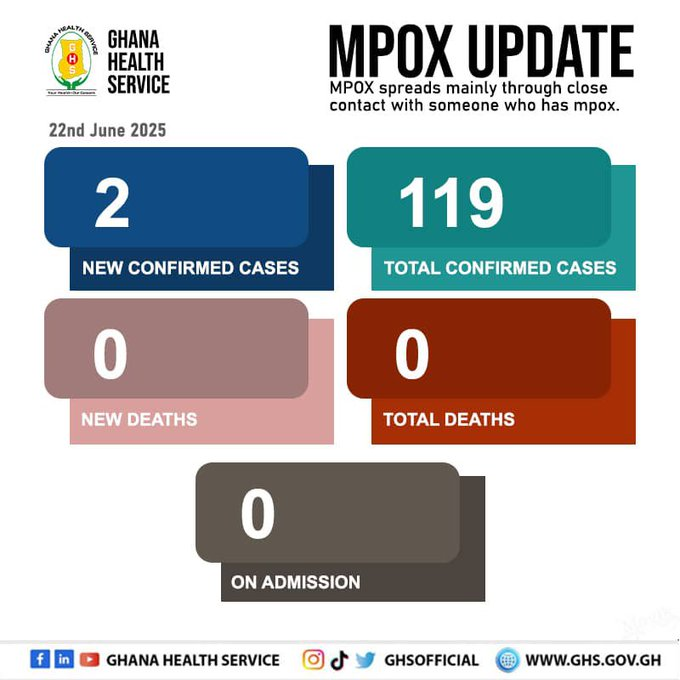
The Ghana Health Service (GHS) has confirmed two additional cases of Mpox, bringing the country’s total to 119 as of June 22.

In its latest update, the GHS indicated that no new deaths have been recorded, with the overall death toll remaining at zero.

Additionally, there are currently no patients hospitalised with the disease.

Mpox, formerly known as monkeypox, is primarily transmitted through close contact with infected individuals.

Health officials are urging the public to continue observing preventive measures and to seek prompt medical attention if they experience symptoms.

The GHS reaffirmed its commitment to closely monitoring the situation and implementing the necessary interventions to curb the spread of the disease.

Ghana records two new Mpox cases, total now 119

terms and conditions for using Rokmer Pharma’s website

GRNMA scribe slams ‘same gimmicks’ that sparked strike action

GRNMA scribe slams ‘same gimmicks’ that sparked strike action

The Ghana Registered Nurses and Midwives Association (GRNMA) has expressed deep disappointment over the postponement of a crucial meeting with the Parliamentary Select Committee on Health—calling it a blatant reprise of the “same gimmicks” that previously provoked a nationwide strike action.

Originally scheduled for June 26, the meeting was unilaterally rescheduled to July 10, a move the association says risks delaying the implementation of agreed demands and could prompt a renewed strike action.

According to Parliamentary Services, the postponement was due to the unavailability of key stakeholders.

The GRNMA described the rescheduling as being done “in bad faith,” warning that it could further stall critical progress.

Speaking on JoyNews’ Desk programme, GRNMA Secretary David Tenkorang explained that the Association agreed to meet with officials out of respect and courtesy, and thanked them for their intervention in the ongoing dispute.

“I just want to bring to the fore that we agreed to attend upon them out of respect, so it was out of courtesy that we met with them. We thank them for the intervention they made. I think it is all in the interest of Mother Ghana,” he said.

However, Mr. Tenkorang lamented the ongoing “back and forth” between stakeholders that initially led to the strike and emphasized the need for the Finance Minister to fully appreciate the situation’s dynamics, particularly the economic impact of the ten-day strike.

“It is this same back and forth that led us to strike. So, if they want to intervene, they must get the Finance Minister to appreciate the dynamics because during the ten days we stayed out, we knew the economic impact. I’m sure they will assess the economic impact,” he stated.

He further stressed the importance of recognizing the economic implications of the days nurses and midwives were out of service as part of their conditions of service.

“We need to take issues in this country seriously. Thankfully, the Committee is doing everything possible to address the matter. I think that the meeting wasn’t necessary because we tabled something, agreed upon it, and it was later postponed. They should bring this to the attention of the Minister for Finance. We will not accept some of these excuses,” Mr. Tenkorang added.

He also criticized the reasons given for the postponement, highlighting the absence of key officials during critical discussions.

“It is the same gimmicks that led to the strike. Today, you go there and they tell you the Minister for Health is not available, the Minister of Finance is not available. After all, when they met our colleagues, it was the Deputy Minister of Finance who was there, What kind of powers can’t be designated to the Deputy Minister of Finance to act on behalf of the sector Minister? How can you do this to the good people of Ghana?”

He emphasized that these repeated postponements only fuel frustration and threaten the progress made, warning firmly, “This endless cycle of excuses and delays cannot continue.”

terms and conditions for using Rokmer Pharma’s website

UHAS project revives fight against neglected tropical diseases

UHAS project revives fight against neglected tropical diseases

Over the years, there have been concerted efforts to eliminate and manage the aftereffects of neglected tropical diseases globally.

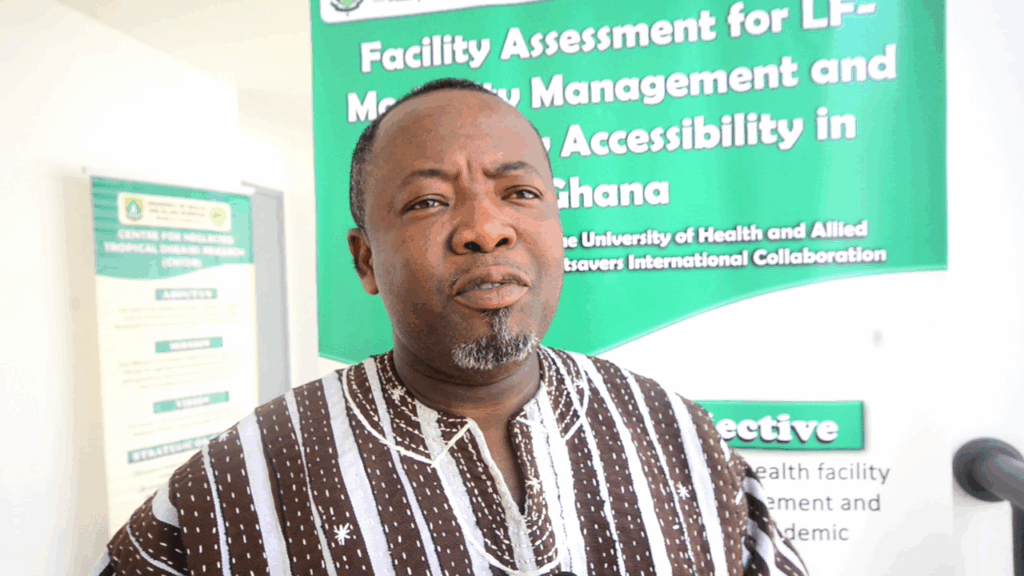
A project launched by the University of Health and Allied Sciences (UHAS) has injected a new spirit into the quest targeted at eliminating neglected tropical disease, Lymphatic Filariasis (LF).

The Lymphatic Filariasis (LF) Morbidity Management Project would be implemented in partnership with Sightsavers International and the Ghana Health Service.

The project would birth an integrated health facility assessment tool to inject hydrocele and lymphoedema services into health care.

It also seeks to identify gaps in financing, workforce, and supply inputs, thereby enhancing primary health care functions.

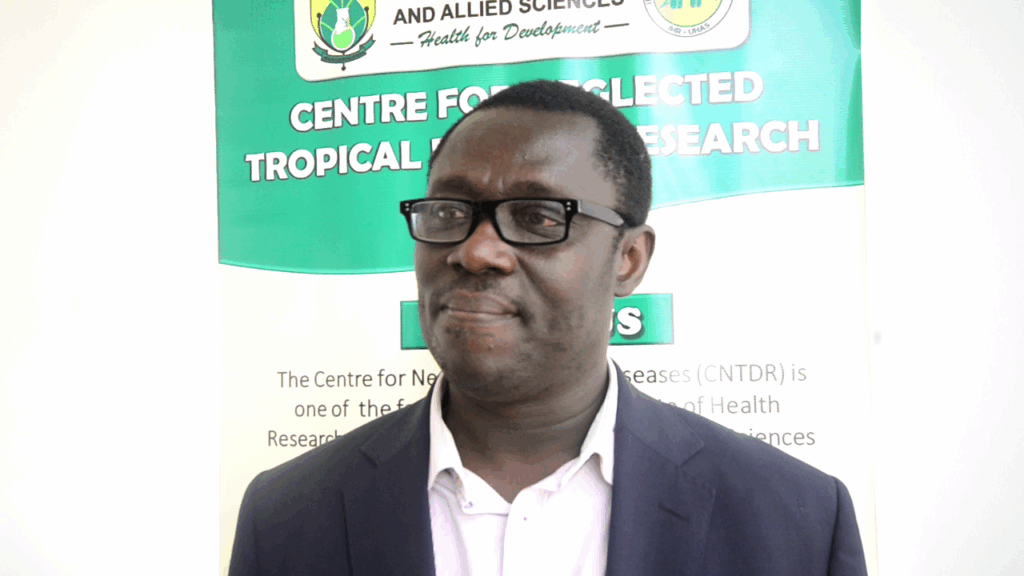
The Director of the Centre for Neglected Tropical Diseases Research of UHAS, Dr Alfred Kwesi Manyeh, explained that the project seeks to develop and integrate LF morbidity management into routine health care.

He added that it would also focus on finding better management modules for the aftermath of the diseases, which is permanent disability, where persons who had suffered the disease suffer swollen legs and become immobile.

UHAS project revives fight against neglected tropical diseases

“Even if the transmission of the disease has been interrupted, the disability is there. We can’t prevent it, except for the hydrocele, where they can conduct surgeries to be able to drain the fluid in the scrotum for them to be free.”

“If they have elephantiasis, that is almost permanent. So, we have to find a way of managing their conditions for them,” he said.

He disclosed that studies would be conducted on managing the mental health of patients with neglected tropical diseases to fight stigma and its associated factors.

“We are having another study that we want to integrate into the management of the disease and the mental health of people who are affected by the disease so that we can provide this holistic service to people who are affected by the disease,” he explained.

The Head of the Institute of Research at UHAS, Prof. Kwame Ohene Buabeng, lamented the ravaging effects of the disease, including societal and health effects.

“This is the condition that we call elephantiasis, which leads to very severe disability, and it is very, very difficult for the individuals who have the problem and their family members. Sometimes, it even comes with some level of stigma.

UHAS project revives fight against neglected tropical diseases

“It is called elephantiasis because the leg then begins to look like an elephant, and there are other complications,” he said.

He believes the initiative under the lead of UHAS, which seeks to enhance the healthcare system in dealing with such neglected diseases, would enhance public health across the globe.

“If we bring in interventions, solutions and medications, which can address it, I think we have gone a long way to solve one of the key healthcare issues in the country, which many people do not really commit resources to, that is why we call it neglected tropical diseases,” Prof Buabeng explained.

The Head of Portfolio, NTD of Sightsavers International, Dr Richard Selby, said his organisation brings on board its expertise in the field of research to help UHAS identify the best modules to achieve the objectives of the project.

He said his institution would play the role in data collection, among other vital details needed to conduct comprehensive and effective research.

He said the details would feed into developing assessment tools for health centres and identifying areas for improving accessibility and treatment capabilities, “demonstrating whether a combined approach is viable for wider uptake. Both in Ghana and within other LF endemic nations, 72 nations.”

Lymphatic Filariasis is a neglected tropical disease affecting about 120 million people worldwide. LF has debilitating effects on humans and leads to morbidity and sometimes irreversible disability.

It is transmitted through mosquito bites.

terms and conditions for using Rokmer Pharma’s website

GRNMA raises concern over postponed meeting with Parliament, demands urgent action on agreements

GRNMA raises concern over postponed meeting with Parliament, demands urgent action on agreements

The Ghana Registered Nurses and Midwives Association (GRNMA) has expressed disappointment over the rescheduling of a critical meeting with the Parliamentary Select Committee on Health.

According to the Association, further delays in implementing agreed demands may trigger a renewed industrial action.

In a press briefing held on Thursday, June 26, the GRNMA announced that the meeting, originally set for 26th June, 2025, has been unilaterally postponed to 10th July, 2025.

According to a letter from the Parliamentary Services, the postponement was due to the unavailability of “some key stakeholders who are currently unavoidably outside the jurisdiction.”

The Association had embarked on a series of actions beginning 2nd June, culminating in a full withdrawal of nursing and midwifery services on 9th June, 2025.

The strike was subsequently suspended on 13th June 2025 following the intervention of the Parliamentary Select Committee on Health and appeals from the Ghanaian public, particularly patients.

Strike Suspended in Good Faith

The GRNMA later in its statement has stressed that the decision to suspend the strike was made in good faith and with trust in the parliamentary process.

However, the Association described the postponement as “in bad faith,” raising concerns that it could further stall the implementation of critical agreements.

“We expect nothing less than a reciprocity of good faith,” the statement read.

“The rescheduling of the meeting may further delay the implementation of the agreed items. Nonetheless, we have decided to give the Committee the benefit of the doubt and continue to trust that their engagement with the Ministries of Health and Finance will be productive.”

Implementation Deadlines and Fresh Demands

The GRNMA has now issued firm deadlines for the implementation of previously agreed items:

  • The four key items must be fully implemented no later than July 2025 — a condition the Association describes as “non-negotiable.”
  • Remaining items must be implemented by January 2026, and these timelines must be “clearly captured and signed off” at the 10th July meeting to avoid ambiguity.

Appreciation and Call for Vigilance

The National Council of the Association used the opportunity to thank its members for their solidarity and patience, and the media for amplifying their concerns.

“We call on our dear nurses and midwives to remain steadfast and await further updates and any necessary actions that the National Council may deem appropriate,” said the statement.

terms and conditions for using Rokmer Pharma’s website

GHS responds to COVID-19 outbreak at UG

GHS responds to COVID-19 outbreak at UG

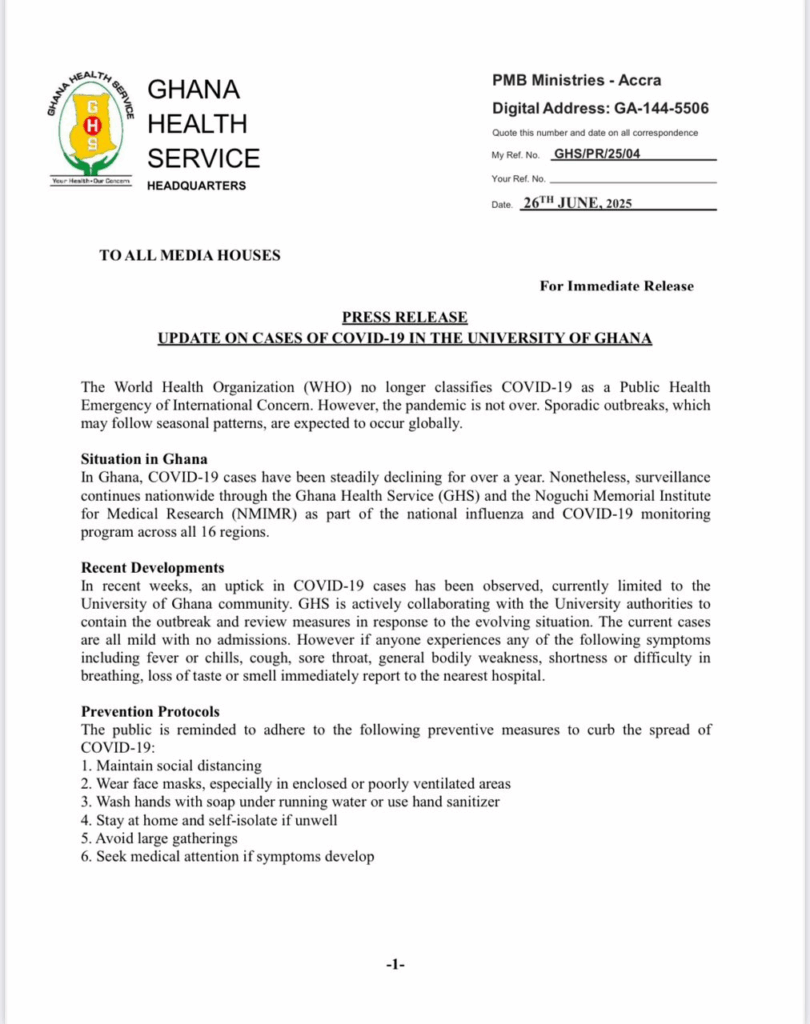
The Ghana Health Service (GHS) has issued a public health advisory following a recent increase in COVID-19 cases within the University of Ghana community, although the World Health Organisation (WHO) no longer classifies the virus as a Public Health Emergency of International Concern.

According to a press release from the GHS on Thursday, June 26, Ghana has seen a sustained decline in COVID-19 cases for over a year.

However, surveillance continues across all 16 regions through the GHS and the Noguchi Memorial Institute for Medical Research (NMIMR), as part of the country’s integrated influenza and COVID-19 monitoring programme.

Localised Outbreak and Response

In recent weeks, a noticeable uptick in COVID-19 cases has been detected, currently confined to the University of Ghana campus.

All reported cases are said to be mild, with no hospital admissions to date. Health authorities are working closely with university officials to manage the situation and reassess public health measures as needed.

The GHS emphasises that while the outbreak remains localised, it serves as a reminder that the pandemic is not yet over.

The public has been urged to remain alert, as sporadic outbreaks potentially following seasonal trends are still expected globally.

Call for Vigilance and Preventive Measures

The Ghana Health Service has reiterated the importance of adhering to basic COVID-19 prevention protocols to limit transmission.

These include:

  1. Maintaining social distancing
  2. Wearing face masks, particularly in enclosed or poorly ventilated spaces
  3. Frequent handwashing with soap under running water or use of hand sanitiser
  4. Self-isolating when unwell
  5. Avoiding large gatherings
  6. Seeking immediate medical attention if symptoms develop

Symptoms to watch for include fever or chills, cough, sore throat, general weakness, shortness of breath, or loss of taste or smell.

Assurance to the Public

The Ministry of Health, through the Ghana Health Service, has assured both the University community and the wider public that all necessary interventions are being implemented to contain the outbreak and prevent further spread.

The GHS also encourages continued cooperation and responsible health practices, especially in settings that could foster transmission.

GHS responds to COVID-19 outbreak at UG

terms and conditions for using Rokmer Pharma’s website

Allied Health Professions Council warns against unlicensed practice

Allied Health Professions Council warns against unlicensed practice

The Allied Health Professions Council is clamping down on unlicensed health practitioners and health facilities with expired licences in efforts to ensure public safety.

The council warns that violators will face consequences, including the closure of their facilities for non-compliance.

Facility managers are also tasked with enforcing oversight of professionals allowed to provide services to patients.

Allied Health Professions Council warns against unlicensed practice

Across the country, healthcare providers in diagnostic, preventive, therapeutic, and rehabilitative areas are mandated to conduct their services with appropriate authorisation by the governing professional body, the Allied Health Professions Council.

However, some therapists, radiographers, medical laboratory technicians, dietitians, and pharmacists continue to work on the blind side of the council, without licences.

Acting Registrar of the Allied Health Professions Council, Daniel Atta-Nyarko, has cautioned against non-compliance with standard practice.

Allied Health Professions Council warns against unlicensed practice

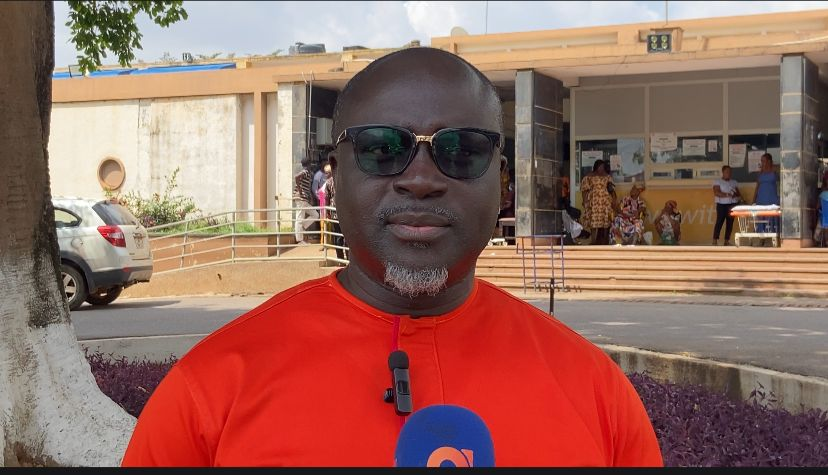
“This is a caution; members and people working in the allied health professional areas without a licence or an expired licence, we are coming and we will close the facility. We have an office at SSNIT in Kumasi, and you can register or renew your PIN.

“We have conducted some assessment and inspection, and we sounded a caution. This time, we are being strict and brutal. We entreat facilities and management to provide oversight over their staff and ensure they are from a credible membership,” he said.

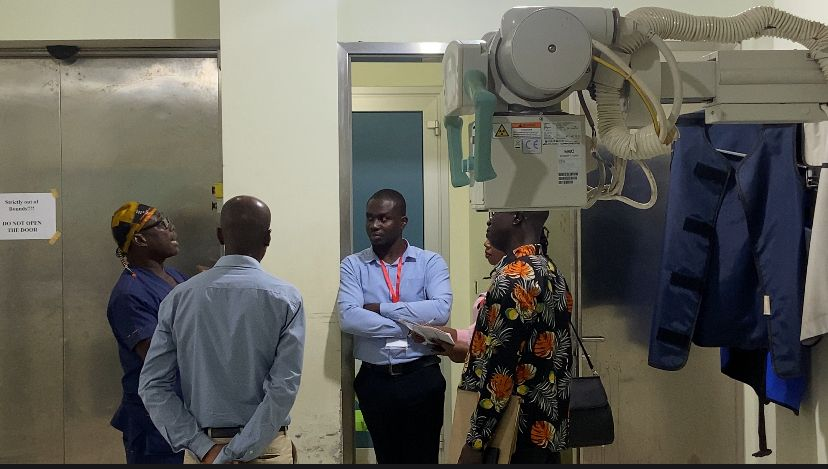
Experts from physiotherapy, optometry, occupational therapy, podiatry and virtual dietetic services joined the Allied Health Professions Council in their monitoring and inspection exercise in Kumasi.

The aim is to instil standard practice and ensure patients’ safety.

Daniel Atta-Nyarko explained that the exercise will ensure members provide essential care with diligence.

He says the Council will not renege on its supervisory mandate.

Allied Health Professions Council warns against unlicensed practice

“As a regulatory body, it is our mandate to ensure public safety. We are here to look at our members working in public spaces to ascertain if they are in good standing within our standards to ensure that safe services are being provided.

“We have gone beyond whether they have licences. We have involved professionals in the various skills they are working on. So aside from the licence, we checked if what they are doing is the standard service,“ he said.

terms and conditions for using Rokmer Pharma’s website

Mahama, Bill Gates discuss Ghana’s health reforms ahead of Gavi pledging session

Mahama, Bill Gates discuss Ghana’s health reforms ahead of Gavi pledging session

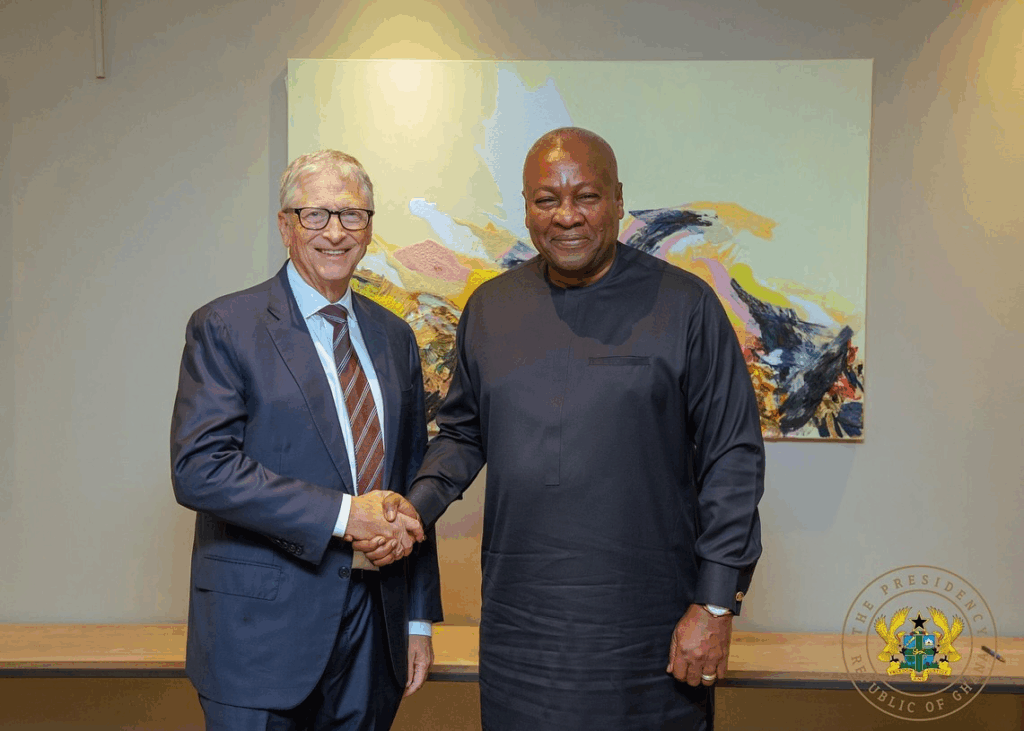
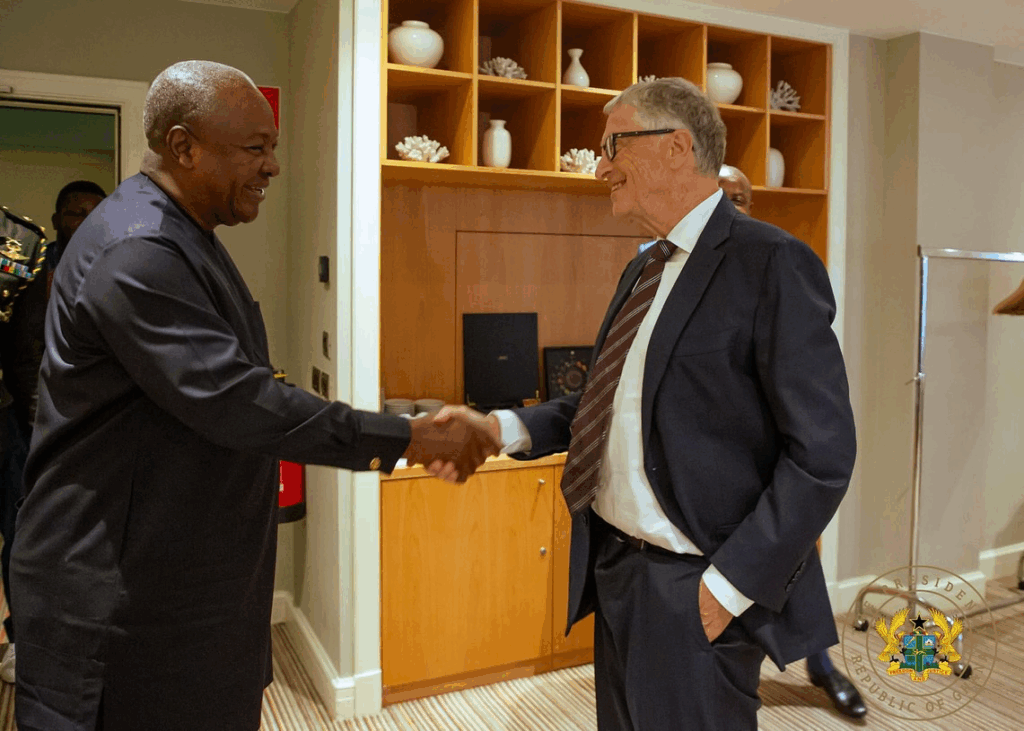
President John Mahama has revealed details of high-level talks held with philanthropist Bill Gates in Brussels on Tuesday.

He said it was focused on Ghana’s health sector interventions and ongoing reforms aimed at expanding access to quality care.

Mahama, Bill Gates discuss Ghana’s health reforms ahead of Gavi pledging session

The meeting took place ahead of the Gavi Vaccine Alliance pledging session, where global leaders and donors are expected to commit financial support to vaccine programmes in developing countries.

In a post on his official Facebook page, Mahama described the engagement as “productive,” highlighting discussions on the Free Primary Healthcare programme, the development of the National Vaccine Institute, and the impact of uncapping the National Health Insurance Fund (NHIS) — a move he said is already improving healthcare access and financing in Ghana.

Mahama, Bill Gates discuss Ghana’s health reforms ahead of Gavi pledging session

“These meetings underscore the importance of international collaboration and sustained investment in health systems to build a healthier future for all,” Mahama noted.

He also expressed gratitude to Mr. Gates and the Bill & Melinda Gates Foundation for their continued philanthropic investment in Ghana, particularly through the Gavi Vaccine Alliance, which plays a critical role in immunisation efforts across low- and middle-income countries.

Mahama, Bill Gates discuss Ghana’s health reforms ahead of Gavi pledging session

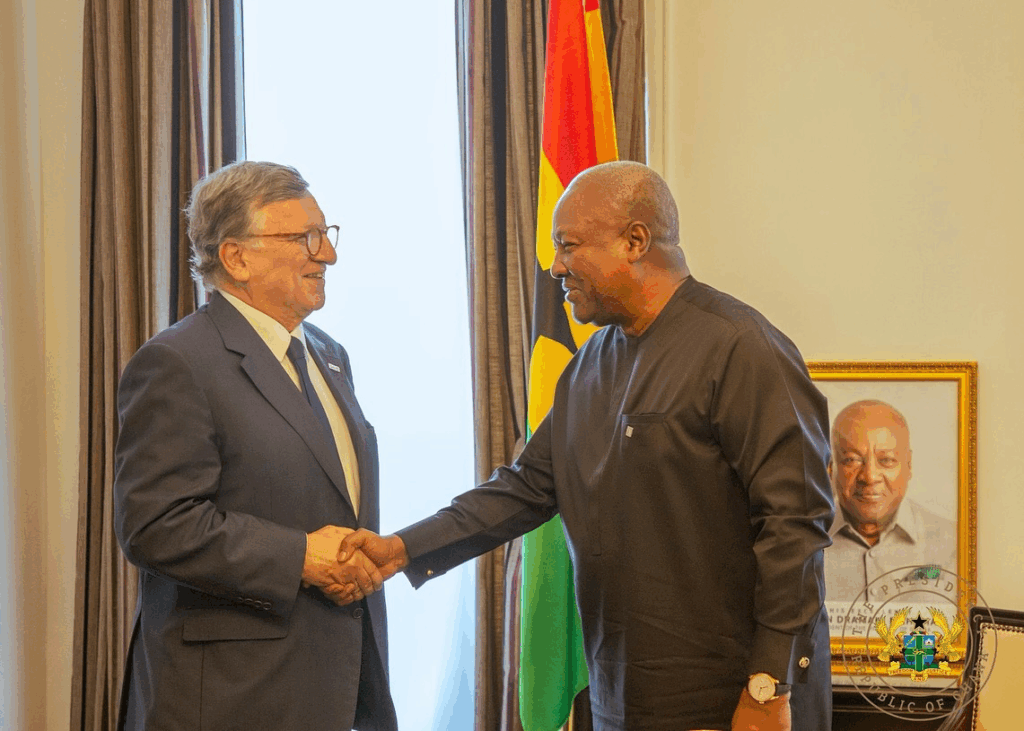
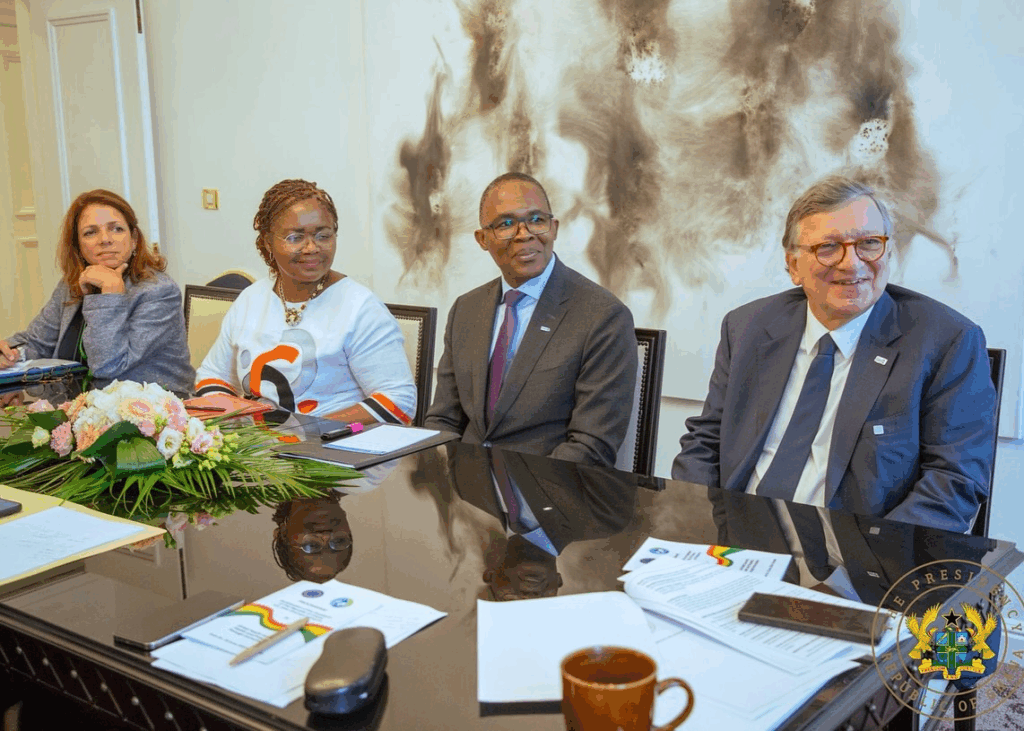
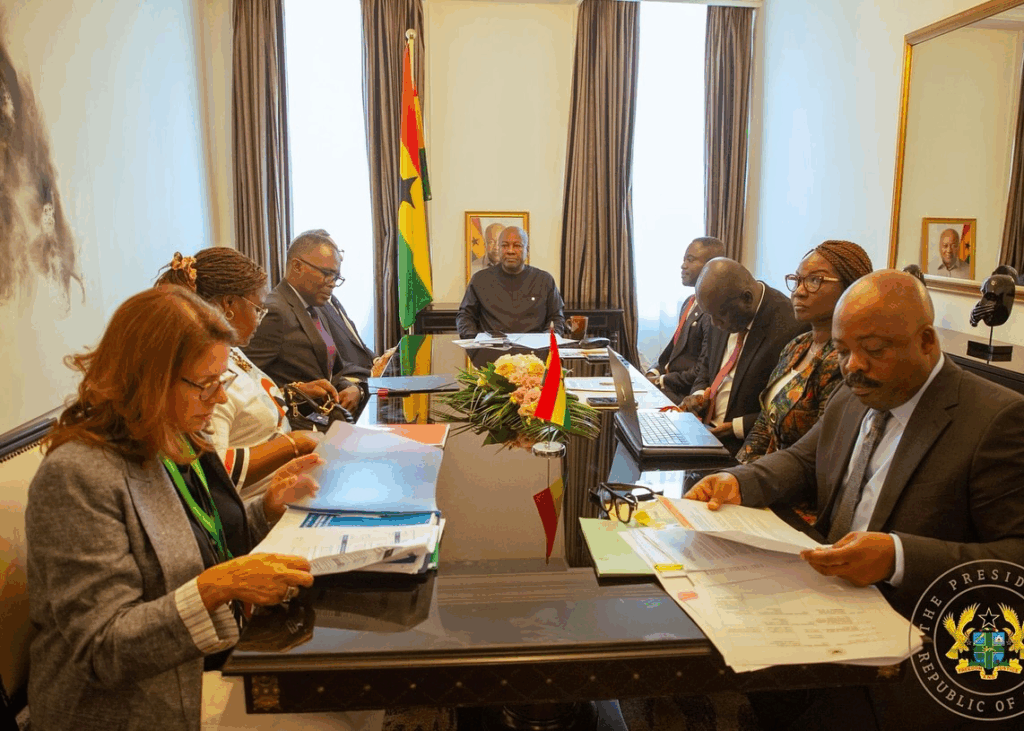
In a separate meeting, Mahama engaged José Manuel Barroso, Chair of the Gavi Board and former President of the European Commission.

According to Mahama, Barroso thanked him for his long-standing support for Gavi’s vaccine replenishment campaigns, which fund the procurement and delivery of life-saving vaccines worldwide.

Mahama, Bill Gates discuss Ghana’s health reforms ahead of Gavi pledging session

President Mahama reaffirmed his commitment to championing Gavi’s mission, stating: “Supporting an organisation that is doing such crucial work for global health is always a pleasure.”

The president is expected to participate in the pledging session, where he will advocate for sustained and increased support for Gavi’s work — reinforcing Ghana’s role as both a beneficiary and a global health advocate on the international stage.

Mahama, Bill Gates discuss Ghana’s health reforms ahead of Gavi pledging session