Ghana is experiencing a significant increase in MPOX (formerly Monkeypox) cases, with health authorities confirming 20 new infections as of July 30, 2025.
This latest surge brings the total number of confirmed cases nationwide to 302, with one fatality, highlighting a concerning trend in the country’s public health landscape.
The Ghana Health Service (GHS) and other relevant health agencies continue to monitor the situation closely, reminding the public about the transmission and symptoms of the viral disease.
MPOX primarily spreads through close contact with someone who has the infection, including direct physical contact with rashes, scabs, or body fluids, as well as prolonged face-to-face contact, or touching contaminated items like clothing or bedding.
Understanding MPOX: Symptoms to Watch For:
Health officials reiterate the common symptoms associated with MPOX infection, urging individuals to seek medical attention if they experience any of these signs:
Fever: Often the initial symptom, indicating the body’s response to infection.
Headache: A common complaint accompanying many viral illnesses.
Muscle aches: Generalized body pain, similar to flu-like symptoms.
Swollen lymph nodes: A distinctive feature of MPOX, often appearing in the neck, armpits, or groin.
Chills: A sensation of coldness, often associated with fever.
Tiredness: General fatigue and lack of energy.
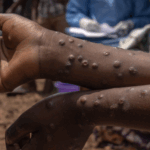
Rash: A characteristic symptom that usually develops within a few days of fever. The rash often starts as flat, red spots, which then turn into raised bumps, then blisters, and finally scabs. It can appear on various parts of the body, including the face, palms of the hands, soles of the feet, and genitals.
Public Health Response and Prevention:
The current MPOX situation in Ghana mirrors regional and global trends, where the virus continues to circulate, albeit at lower levels than the peak observed in 2022. The increase in confirmed cases underscores the importance of public awareness and adherence to preventive measures.
Ghana’s health authorities have been actively involved in surveillance, contact tracing, and case management since the initial detection of MPOX in the country. Public health advisories regularly emphasize:
Avoiding close contact with individuals who have symptoms, particularly rashes.
Practicing good hand hygiene, including frequent washing with soap and water or using alcohol-based hand rub.
Avoiding contact with contaminated materials, such as bedding, towels, or clothing used by an infected person.
Isolating confirmed cases to prevent further spread.
Seeking prompt medical attention if symptoms develop.
While there is no specific treatment for MPOX, supportive care is crucial, and antiviral medications can be used in severe cases. Vaccines, originally developed for smallpox, also offer protection against MPOX and have been part of targeted vaccination strategies in some countries for high-risk groups. The GHS continues to work with international partners, including the World Health Organization (WHO), to enhance its response capabilities and implement effective strategies to control the spread of the virus.
The public is encouraged to stay informed through official channels and cooperate with health directives to curb the rising number of MPOX cases and protect community health.
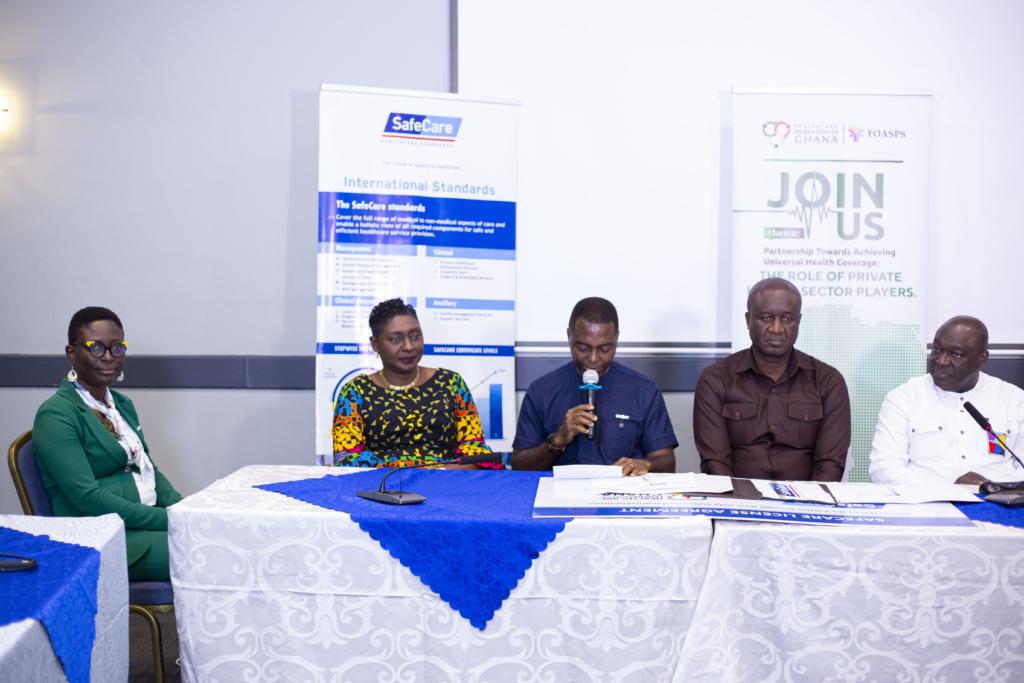
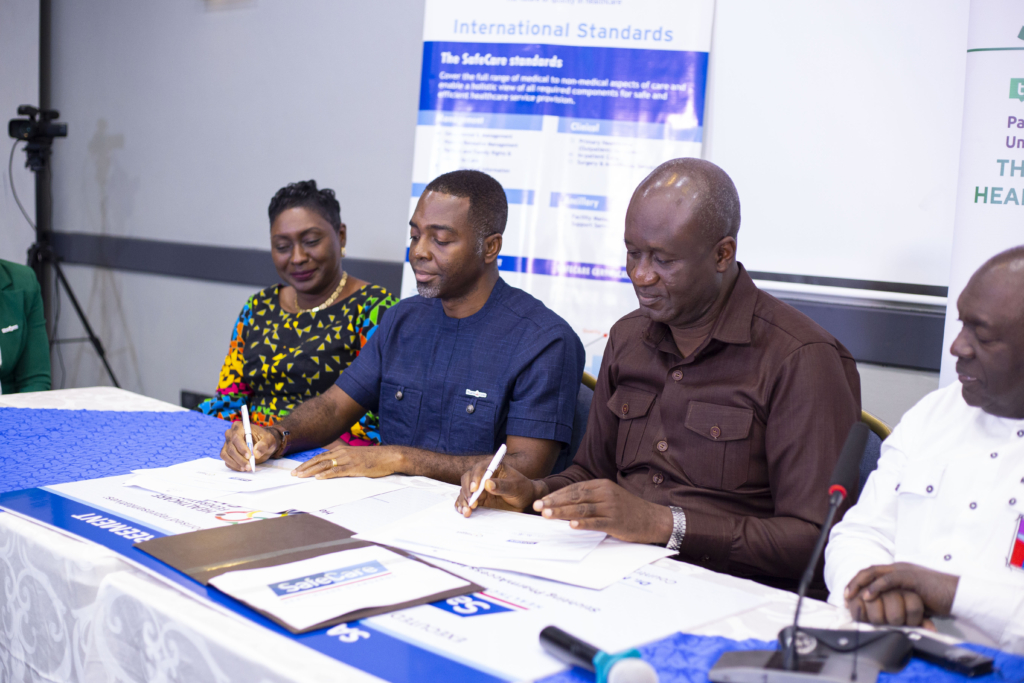
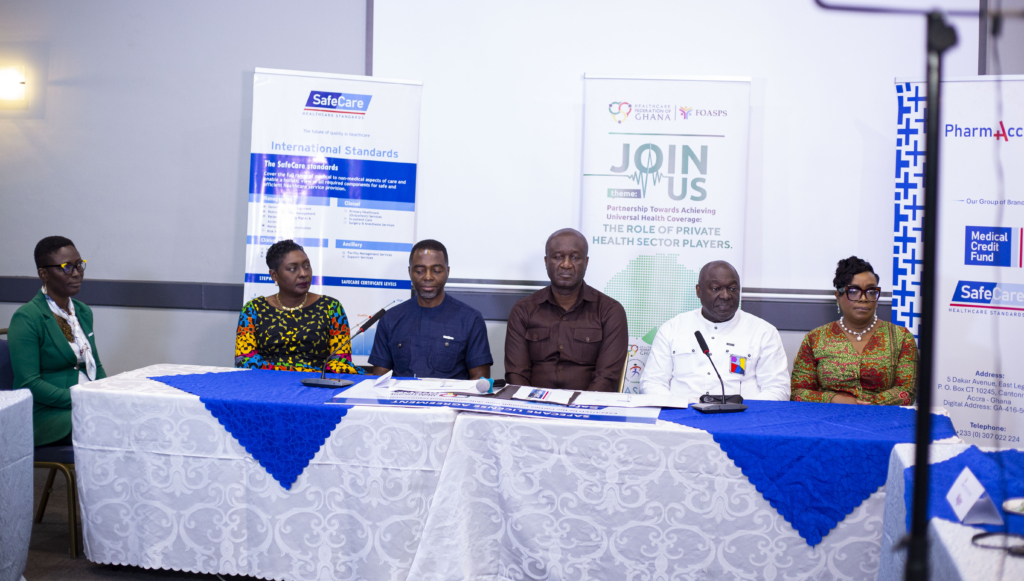
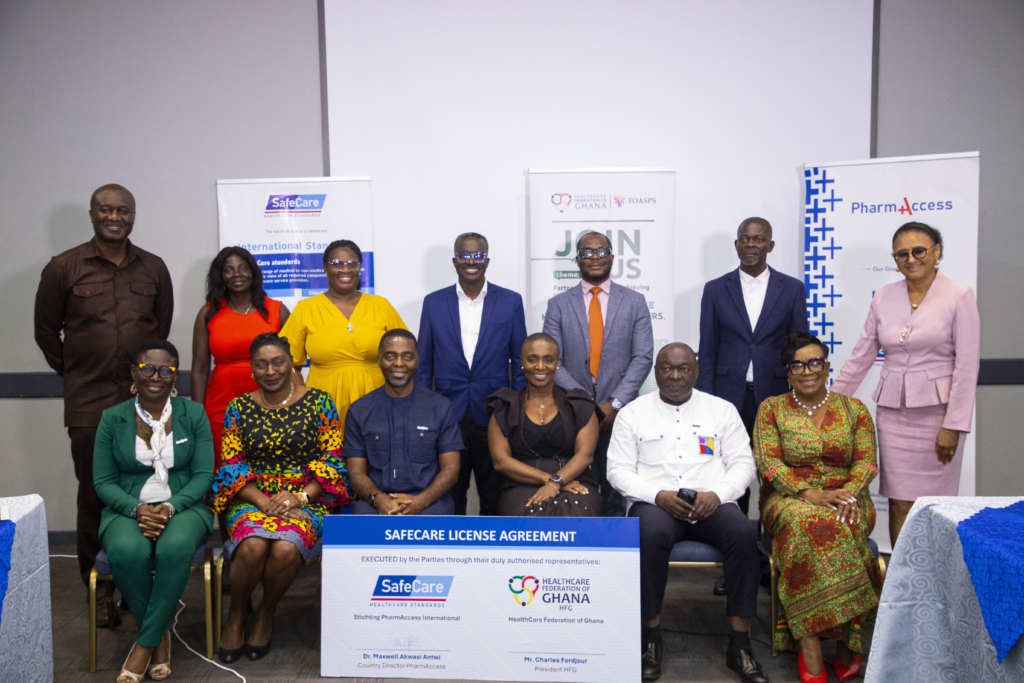
In a landmark development poised to reshape private healthcare delivery in Ghana, PharmAccess and the Healthcare Federation of Ghana (HFG) have officially signed a licensing agreement that grants HFG access to the globally recognised SafeCare Quality Improvement Programme.
HFG will be among the first to use the International Society of Quality Healthcare (ISQua) accredited SafeCare standards version 5, which is the newest version.
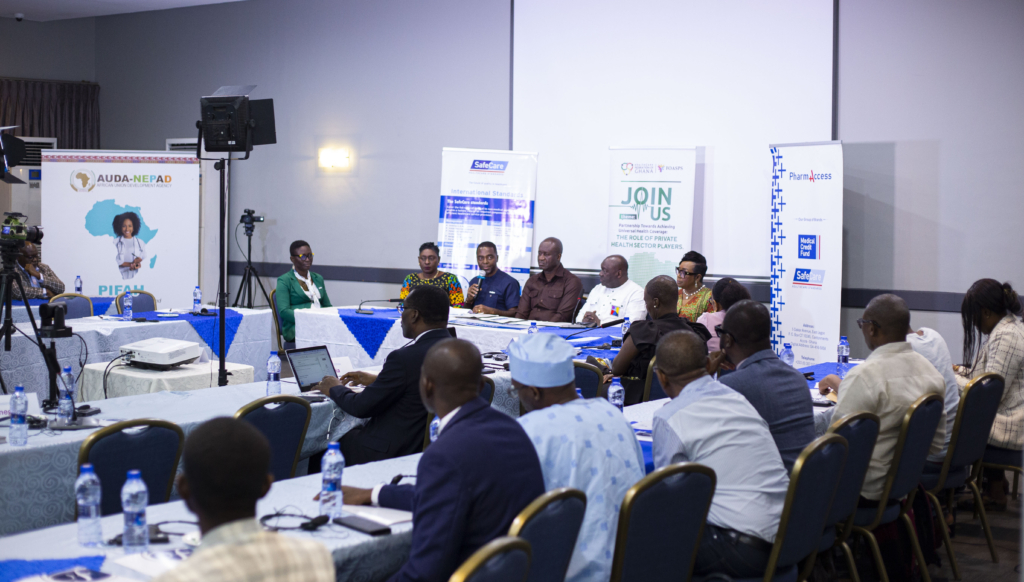
The agreement, signed in Accra, signals a renewed commitment to driving quality healthcare across the private sector using internationally recognied benchmarks and digital tools. It represents the final piece in a broader strategy that has already seen SafeCare embedded within Ghana’s faith-based and public sectors.
Speaking at the signing ceremony in Accra, Country Director of PharmAccess Ghana, Dr. Maxwell Antwi, said the agreement is a bold initiative to transform private sector healthcare in the country.
“PharmAccess is a development organisation that has, for over two decades, focused on unlocking the power of connectivity and data to strengthen inclusive health markets – so more people can access better healthcare, lead healthier lives, and reach their full potential. SafeCare, a sister foundation, is central to that mission.”
According to Dr. Antwi, SafeCare is currently operational in 27 countries and works with 34 partners, impacting over 9,500 healthcare facilities. It has conducted more than 8,500 digital quality assessments using ISQua-accredited standards and has trained nearly 1,000 internationally certified assessors.
“Over 70% of facilities that use the SafeCare approach show measurable improvements in quality, and these facilities together serve nearly 100 million patients annually,” Dr. Antwi revealed.
He added that earlier this year, Ghana’s Ministry of Health formally adopted SafeCare as a national quality standard – a move he described as a “watershed moment” for quality assurance in the country. The Health Facilities Regulatory Agency (HeFRA) has also recognised SafeCare as an accreditation benchmark.
Highlighting the urgency of prioritising quality, Dr. Antwi cited World Health Organisation (WHO) statistics showing that between 5.7 and 8.4 million deaths occur annually in low- and middle-income countries due to poor-quality healthcare – more than from lack of access.
“Poor quality care kills twice as many people annually as COVID-19 did at its peak,” he warned. “And 60% of deaths from treatable conditions occur in facilities where patients already sought care. These are facilities failing not because people didn’t arrive – but because their care was ineffective.”
He further added that healthcare providers must recognise quality not just as an ethical obligation but as a strategic imperative. It builds patient trust, increases utilization, reduces errors and costs, and opens access to finance and investment. It also gives facilities a competitive edge in an increasingly transparent, data-driven healthcare environment.
Also speaking at the event, the President of the Healthcare Federation of Ghana, Mr. Charles Fordjour, praised the partnership as a major breakthrough for private healthcare providers.
“Today is a very important day in the annals of what we aim to achieve for our country, Ghana,” he declared. “Healthcare is wealth – and it will drive our economy. We are committed to ensuring every Ghanaian has access to quality healthcare,” he said.
Mr. Fordjour noted that over 70% of Ghana’s healthcare facilities fall within the private sector, and more than 60% of Ghanaians use private healthcare services. The partnership, he explained, would empower HFG to train assessors and certify member facilities to meet global standards using SafeCare Version 5.
He added that, “This agreement allows us to say, with confidence, that our services meet global benchmarks. Wherever you see the SafeCare logo, it means that facility delivers healthcare comparable to the best in the world.”
He emphasised that this development could stem the tide of outbound medical tourism and, instead, position Ghana as a destination for high-quality healthcare within West Africa and beyond.
“This is a game-changer and we will ensure that all stakeholders – private insurers, corporate HR directors and the Ghanaian public – recognise SafeCare accreditation as a mark of guaranteed care,”he stressed.
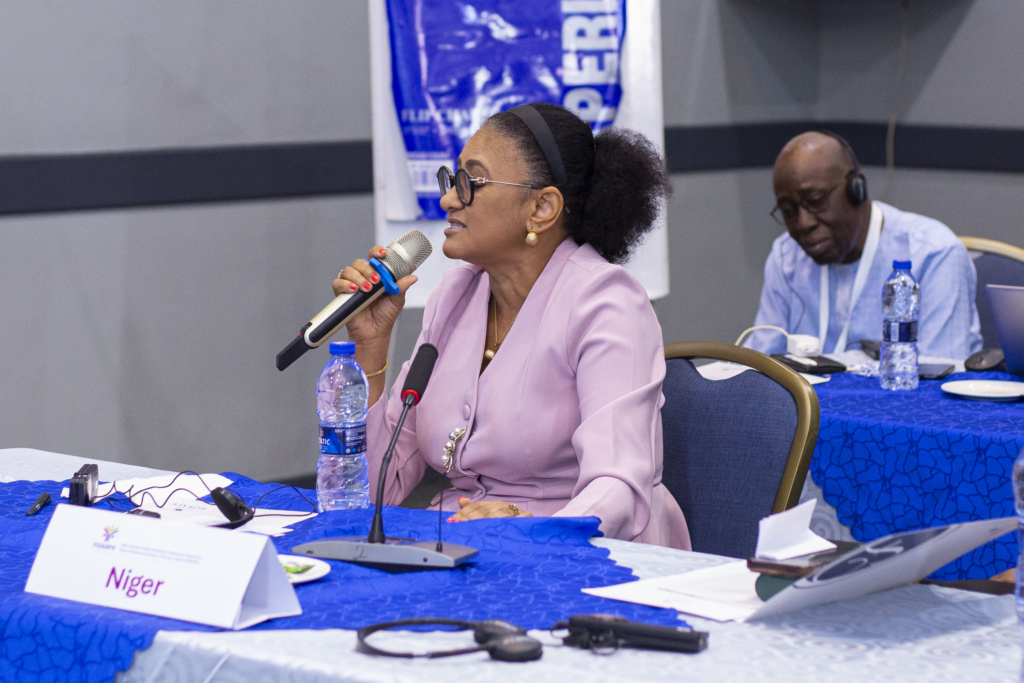
Also gracing the occasion was the President-Elect of the West African Federation of Private Health Sector (FOASPS), Dr. Linda Deka who described the signing agreement as deeply personal and profoundly important.
“We all know that quality doesn’t come cheap. Often, clients don’t see the value immediately but eventually, they feel it, and it translates into higher trust, loyalty, and improved outcomes,” she indicated.
Dr. Deka expressed optimism that SafeCare could be expanded beyond Ghana into at least two or three more West African countries within the next two years.
Adding a provider’s perspective, the CEO of FOCOS Orthopaedic Hospital, Dr. Irene Adorkor Wulff expressed strong support for the SafeCare initiative.
She emphasised that healthcare providers needed to recognise that quality was not merely an ethical obligation but a strategic imperative. According to her, quality helped build patient trust, increased utilisation, reduced errors and costs, and opened access to finance and investment.
She also noted that quality gives facilities a competitive advantage in an increasingly transparent and data-driven healthcare environment.
“From our founding in 2011, quality has been our hallmark. We’re outcomes-oriented and patients who come in for treatment return not because their problems weren’t solved, but because they trust us,” she said.
The FOCOS Orthopaedic Hospital, she revealed, is currently undergoing preparations for Joint Commission International (JCI) accreditation – an ambitious goal that places it among the most quality-focused institutions in the country.
“It’s not easy. That’s why many shy away from it. It requires real investment. You have to put the right processes, standards, and SOPs in place. You have to train staff to know and follow these protocols. It’s not like in Ghana where we often say. There’s a law for everything but no law at all. That doesn’t work in healthcare. After you establish the policies, the staff must be trained to actually implement them.”
“Yes, it’s expensive. You might need to upgrade infrastructure, change layouts, or add facilities. But it’s an investment – and a worthwhile one. Once you’ve done it and get to where we are today, patients say, I’m not going anywhere else. They know we might be slightly more expensive, but they stay because nobody treats them the way we do. We give them exactly what they want, how they want it. That is quality healthcare,” she added.
Country Director for SafeCare at PharmAccess Ghana, Ms. Bonafasia Agyei, called the licensing agreement a historic milestone that closes the triangle of quality integration across Ghana’s health system.
“We’ve worked for years with CHAG in the faith-based sector. We’re collaborating closely with the Ghana Health Service in the public sector. What remained was the private sector. Today, with HFG on board, we’ve completed the puzzle,” she said.
Ms. Agyei emphasised that SafeCare is not just about clinical performance – but overall efficiency, business performance, patient handling and operational risk reduction.
The SafeCare Ghana Director, indicated that “In just two years, SafeCare improves facility efficiency and makes them more attractive to investors. This is an opportunity to grow businesses, improve patient experience, and strengthen Ghana’s health system.”
Looking ahead, she outlined plans to train healthcare professionals from the Federation to become certified assessors. These professionals will lead assessments and guide facilities through a digitally enabled cycle of continuous quality improvement.
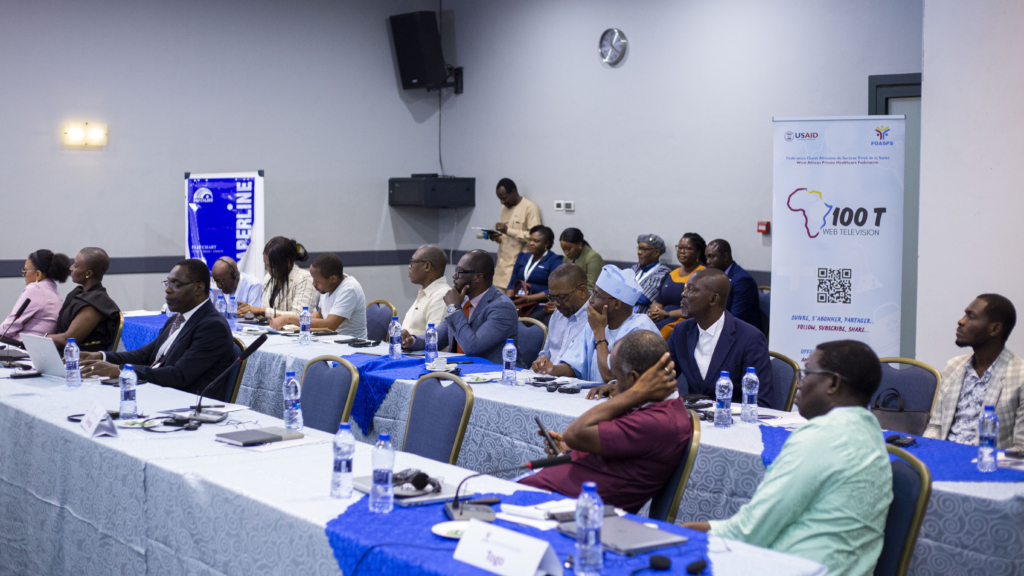
The ceremony was attended by several high-level dignitaries, including the President of FOASPS, Dr. Joseph Boguifo, President-Elect, FOASPS, Dr. Linda Deka as well as Country Director, PharmAccess Nigeria and President of Healthcare Federation of Nigeria, Njide Ndili.
As the Healthcare federation of Ghana takes this bold step toward institutionalising quality across its healthcare system, the SafeCare license agreement stands as a transformative milestone. With the private sector now aligned alongside public and faith-based institutions under a unified quality framework, the country is poised to set a new benchmark for healthcare delivery in West Africa.
Ghana has reaffirmed its commitment to the One Health approach, with human, animal and environmental health stakeholders aligning priorities to advance integrated action.
A national policy dialogue in Accra provided a platform to review progress and chart next steps. The meeting was promoted by the Evidence-Informed Policy Approaches for One Health (OH-EVI) project, led by the Global Health and Infectious Disease Research Group at the Kumasi Centre for Collaborative Research in Tropical Medicine (GHID-KCCR), KNUST, with support from the Friedrich-Loeffler-Institut (FLI), the World Health Organization (WHO) and the German Ministry of Health.
The event built on findings from a three-day stakeholder engagement in November 2024, which produced Evidence Briefs for Policy (EBPs) to strengthen Ghana’s evidence-based decision-making on One Health and antimicrobial resistance (AMR).
Ghana’s COVID-19 response demonstrated the value of cross-sector coordination during public health emergencies. Since then, the country has created a One Health Platform and developed a draft policy, though implementation has not yet begun.
Dr. Michael Owusu, lead of the Virology and Diagnostic Group at KNUST and co-lead of the One Health Virology Group at KCCR, said the gap between evidence generation and policy use must be closed.
“Who collects the evidence and feeds it into our surveillance systems?” he asked. “Reports are published, but key lessons often fail to inform policy uptake.”
Dr. John Amuasi, Principal Investigator of the OH-EVI project, said the unfinished policy could be an advantage.
“This may be a blessing in disguise,” he said. “Because the policy hasn’t been finalized, we now have the opportunity to incorporate recent evidence synthesized through the OH-EVI project, grounded in real stakeholder engagement, and aligned with important global currents like the Lancet One Health Commission Report and the WHO Pandemic Agreement. Ghana has a chance to lead in a way that is both informed and forward-looking.”
Ruth Arthur, Director of Disease Epidemics at the National Disaster Management Organisation, cited lessons from the UN Food and Agriculture Organization’s support in developing a multi-sectoral surveillance tool and work plan.
“We need to better communicate to leadership the value of One Health as an investment in national resilience,” she said.
Former Ghana Health Service Director of Public Health, Dr. Badu Sarkodie, stressed political will.
“Political buy-in is critical. Our leaders must understand it, own it, internalize it, and drive it,” he said. “Every government wants health security. One Health will provide that. Every government wants food security; One Health will provide that. Every government wants to reduce outbreaks; One Health will do that too.”
The OH-EVI project’s first phase built capacity and synthesized evidence. The current phase focuses on translating that evidence into policy options tailored to Ghana’s needs.
Participants identified three priorities: preparing a policy brief for national leadership, framing the social and economic value of One Health, and advocating for dedicated funding.
One participant summed up the challenge: “We have the knowledge. What we need now is coordinated action and leadership to ensure follow-through.”
It is the desire of many people in their reproductive age to have children of their own by natural means. However, some are faced with difficulties in getting pregnant. After interacting with a few women in that situation, I observed that out of 10 women, 5 did not really know what ovulation is; 3 of them had knowledge about it but did not know when they were ovulating; and 2 of them had knowledge and were aware of their ovulation periods.
Further questions revealed that their main purpose for having sex was to get pregnant. Psychologically, this does not help the process of conceiving.
I started managing 3 of them with natural remedies—having sex with the motive of fun. After a series of medical and gynaecological investigations, the results proved that these patients were medically and gynaecologically fit.
These 3 women had been trying to get pregnant for 5 years. I took them through their menstrual cycles, educated them on the signs of ovulation, and emphasised having sex for pleasure and enjoying the moment together—not focusing on pregnancy. To the glory of God, they conceived.
Most causes are known, and others are unknown. This is a gynaecological problem affecting some women.
Understanding Infertility
Infertility is the inability to conceive after one year of regular, unprotected sexual intercourse for women under 35, and a period of six months for women over 35.
Based on the outcome of sex education I mostly share with couples, and my experience, regular unprotected sex means having sex 3–4 times a week.
Unplanned intercourse does magic sometimes.
In most cases, women are blamed for the issue of infertility, but the truth is that some of the causes of infertility are from the men.
Due to these reasons, some women go to various hospitals, take prescribed and unprescribed medications, and also resort to spiritual interventions and all sorts of concoctions just to conceive—affecting them both physically and psychologically.
Some Causes of Infertility (in females):
Irregular menstrual cycle
Damage or blockage to the fallopian tubes
Endometriosis
Hormonal imbalance
Polycystic Ovarian Syndrome (PCOS)
Uterine issues such as fibroids and other structural abnormalities
Quality and quantity of eggs
Some medical conditions e.g., diabetes
Some Causes (in males):
Low sperm count
Abnormal sperm motility or movement
Hormonal imbalance
Abnormal structure of the sperm
Absence of sperm in the ejaculate (Azoospermia)
Erectile dysfunction
These causes may result from medical conditions such as diabetes; infections like STIs, mumps, etc.; and the use of illicit drugs such as heroin, cocaine, and smoking.
Types of Infertility
Primary Infertility: When a woman has never been pregnant despite regular sexual intercourse
Secondary Infertility: When a woman cannot get pregnant after one successful pregnancy
Unexplained Infertility: When medical or obstetrical investigations give no reason for the inability to conceive
Shared Responsibility
In our communities, we hardly point fingers at the males regarding infertility; women usually carry the cross. What is unknown is that a man can ejaculate, but not all sperm can grab an egg and fertilise it; interestingly, some do not even have an erection.
To ensure a concrete diagnosis of infertility, a series of lab investigations must be carried out on both the man and the woman.
This is the point where most men refuse to come to the hospital for lab investigations and examination—until an investigation is done on the woman, which shows that she is fit to conceive. Even at this stage, some men still do not show up for medical investigation.
We find ourselves in a society where women are expected to conceive right after marriage, irrespective of the couple’s plans. If pregnancy does not result within a few months, the questions, gossip, and pressure from family and friends alone affect the couple psychologically—and their aim for having sex becomes solely pregnancy, which does not help the process.
I encourage young women not to ignore menstrual abnormalities or reproductive issues. Rather, they should seek help, even when they are not ready for kids. Men, kindly support your spouse and be ready to go through the necessary medical examinations required during the treatment process.
The Writer is: Recheal Hesse Matey 2023 Best Practising Midwife – GAR Outstanding Midwife, Neonatal Resuscitation Team – GARH-Ridge, 2024
GARH-Ridge Hospital Obstetrics & Gynaecology Department
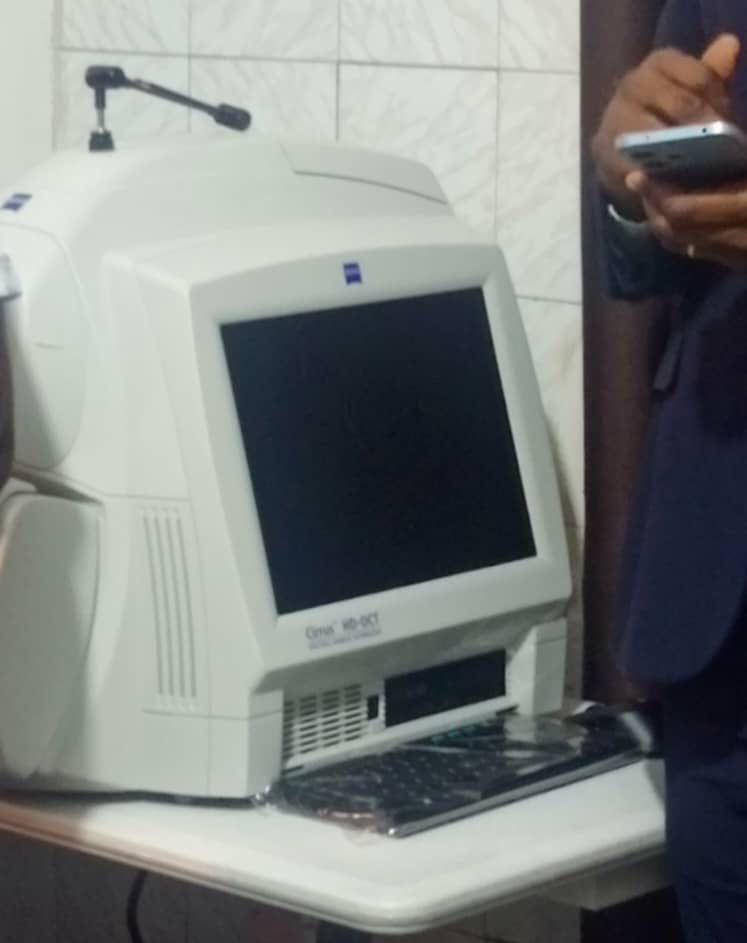
The Presbyterian Hospital, Agogo (PreHA) has enhanced its eye care services with the acquisition of a state-of-the-art Optical Coherence Tomography (OCT) machine.
The new device, which provides high-resolution imaging of the eye’s internal structures, is expected to significantly improve diagnosis and treatment outcomes at the hospital’s Eye Clinic.
The hospital’s leadership, led by General Manager Rev. Ezekiel Amadu Daribi, announced the addition, describing it as a milestone in the facility’s commitment to delivering top-tier ophthalmic care.
The OCT machine adds to an expanding range of advanced diagnostic tools already available at the clinic, including a recently acquired fundus camera, AB scan, non-contact tonometer, and an automatic lens edger.
The remarkable intervention was fully funded through the hospital’s internally generated funds, reflecting strong financial management and a clear prioritization of patient-centered care.
According to Rev. Daribi, the move is in line with the hospital’s vision to transform the Eye Clinic into a center of excellence that meets international standards.
The leadership of the hospital has expressed gratitude to God for the continued progress and is confident that the new equipment will enable specialists to work more efficiently and accurately.
The intervention offers hope to patients suffering from various eye conditions.
Trainees from the country’s Schools of Hygiene have strongly refuted recent public statements by the Minister of Health and Finance, rejecting as “inaccurate and misleading” claims that all trainees, including Hygiene students, have been paid their allowances up to June 2025.
In a press release issued by the Coalition of Hygiene Trainees, the group declared that no payments have been made to their members since January 2023, amounting to an unprecedented 30-month period of allowance arrears.
The coalition is now calling for an immediate retraction and clarification of the Ministers’ remarks, which they say misrepresent the realities faced by less than 4,000 affected trainees across the country.
“The assertion is inaccurate, misleading, and must be retracted in the interest of transparency and fairness to the down-spirited Hygiene trainees,” the statement read.
“Contrary to the claims made, trainees have not received a single allowance since January 2023, which is a staggering two-and-a-half-year period of financial aid abandonment,” it added.
These Hygiene trainees, who are being trained in critical areas of environmental health and sanitation, contend that their exclusion from government disbursements reveals systemic neglect and a lack of appreciation for their role in public health.
They stress that while nursing trainees may have received allowances, the assumption that all trainees have been paid is “a gross misrepresentation of the facts.”
“Our roles are equally important,” the release noted. “Nursing trainees become nurses in hospitals, while we become Environmental Health Officers at Assemblies, inspectors at ports, and more. Yet, we continue to be sidelined.”
The coalition further highlighted the devastating impact of the delay in allowance disbursement on trainees’ well-being.
The prolonged financial hardship has led to increased dropout rates, mental health challenges, and, in some tragic instances, the loss of life among students who could no longer bear the strain.
“This situation is a stain on the nation’s commitment to equitable education and health workforce development,” the group lamented. “It is deeply disheartening that students who served on the frontlines during the COVID-19 pandemic—providing services in sanitation, health education, and even the burial of the dead—are now being subjected to neglect and silence.”
The Coalition of Hygiene Trainees is therefore demanding the following:
An immediate public correction of the false claims regarding the payment of allowances to all trainees.
A clear and time-bound roadmap for the disbursement of all outstanding arrears owed to Hygiene trainees.
While reaffirming their commitment to peaceful advocacy, the group made it clear they would not remain silent in the face of what they described as “falsehoods detrimental to the mental health” of their members.
“Our schools are already underfunded. Trainees are struggling to survive, but we will not accept misrepresentations at the expense of our dignity and future.”
Asantehene Otumfuo Osei Tutu II has commended the Dompiahene of Asante Akyem Agogo, and Founder of the Brogya Foundation, Nana Bediako Brogya Sarpong, for his immense contribution to the promotion of healthcare and child welfare in the country, particularly in the Agogo Township and surrounding communities.
In a heartwarming gesture during the just-ended Awukudae celebration at Manhyia Palace in Kumasi, the revered monarch showered his blessings on the Dompiahene of Agogo in recognition of his dedication to social work and community development through his charity organization—the Brogya Foundation.
The occasion marked a proud moment for the people of Agogo and underscored the impact of community-based leadership driven by compassion and service to the development of Asanteman and the nation as a whole.
Through his Brogya Foundation, the Dompiahene of Agogo has impacted lives of children, women and the youth of his community and beyond—a feat that has won him several awards and accolades both locally and abroad.
Brogya Foundation has emerged as a transformative force in the lives of hundreds in Asante Akyem Agogo and surrounding areas, with remarkable initiatives including the free reconstructive surgery program conducted in collaboration with the world-renowned plastic surgeon Dr. Michael K. Obeng and his U.S.-based RESTORE Foundation.
This joint effort brought hope to many who had long suffered from physical deformities, injuries, or congenital abnormalities.
In recognizing his good works and offering his support, Otumfuo Osei Tutu II described Nana Brogya Sarpong as a beacon among progressive traditional leaders and encouraged other chiefs to draw inspiration from his model of leadership.
By aligning cultural influence with strategic partnerships and philanthropy, Nana Bediako Brogya Sarpong is not only restoring hope to individuals but also restoring the public’s faith in the power of traditional institutions to drive lasting change.
Nana Bediako Brogya Sarpong was accompanied by his wife Mrs. Sheila Brogya Sarpong (nee Sheila Ofori) and the queen mother of Asante Akyem Agogo, Nana Afrakoma Serwah Kusi Obuadum.
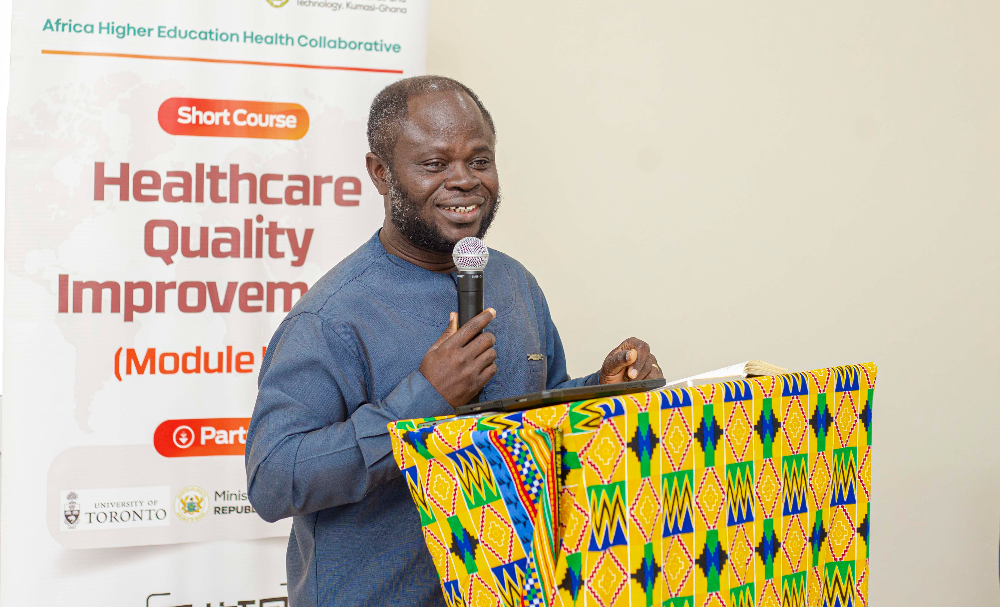
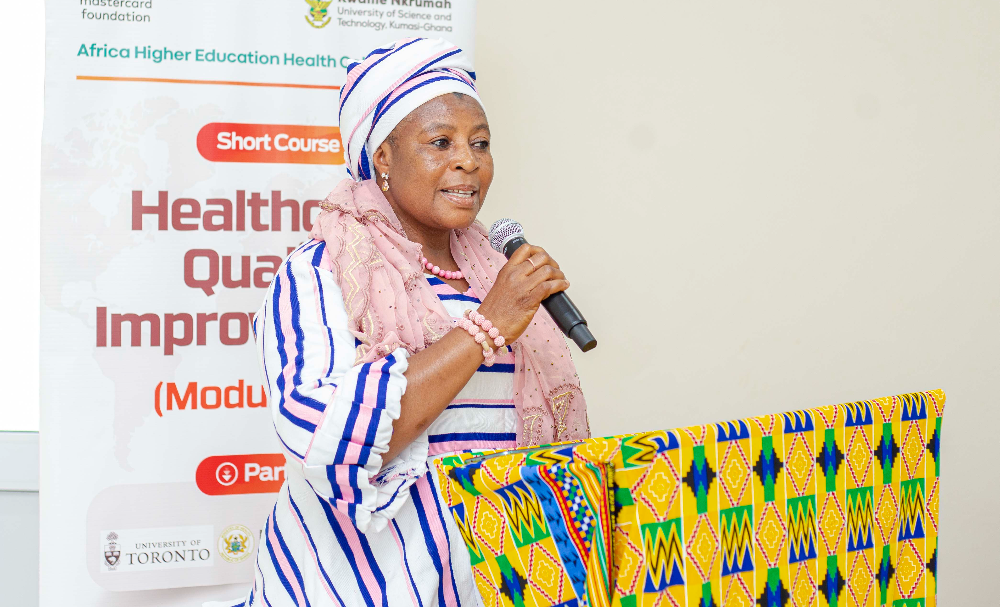
Ghana’s healthcare system cannot achieve true universal health coverage without prioritizing quality alongside facility expansion and workforce growth, Deputy Executive Director of the Christian Health Association of Ghana (CHAG), Dr. James Duah, has said.
Deputy Executive Director of the Christian Health Association of Ghana (CHAG), Dr. James Duah.
Speaking at the opening of the Quality Healthcare Improvement short course under the Africa Health Collaborative-KNUST in partnership with the Mastercard Foundation, he noted that “while building facilities and training more doctors and nurses expands coverage, there can be no coverage without quality.”
Twenty health personnel across the country are receiving training in quality healthcare improvement under the Africa Health Collaborative.
The quality healthcare improvement short course, delivered in partnership with the Kwame Nkrumah University of Science and Technology (KNUST) and the University of Toronto, aims to equip participants with the knowledge and tools to address the growing demand for primary healthcare and strengthen service delivery at the facility level.
The course is spearheaded by the Health Employment Pillar of the Collaborative, led by Dr. Kofi Akohene Mensah.
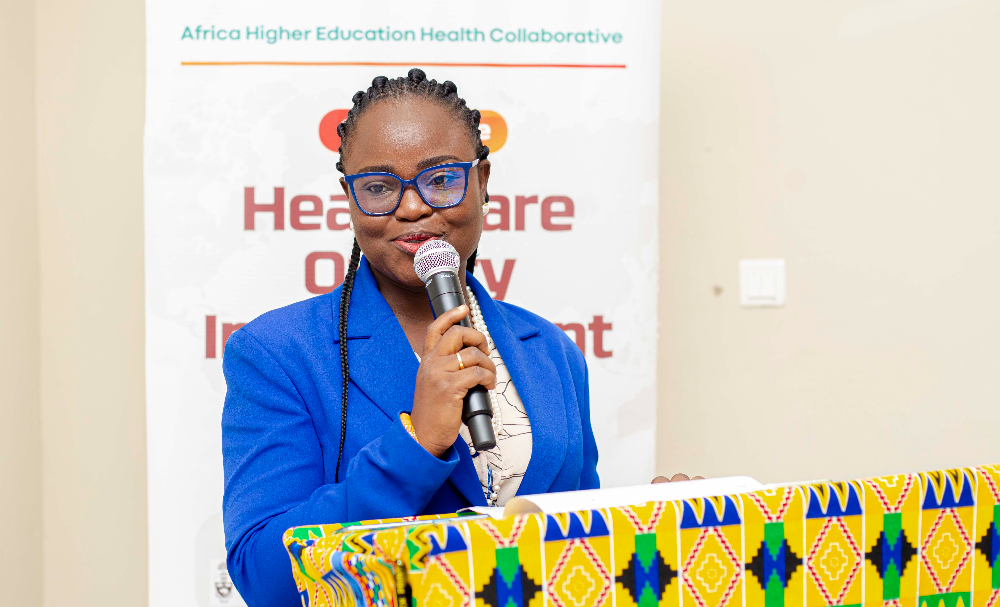
International Liaison Officer for the Collaborative, Dr. Princess Ruhama Acheampong.
At the opening ceremony, International Liaison Officer for the Collaborative, Dr. Princess Ruhama Acheampong, emphasized the broader vision of the initiative.
“This is about advancing healthcare in Africa,” she said. “Even from our small communities, we can contribute meaningfully to improving health systems across the continent.”
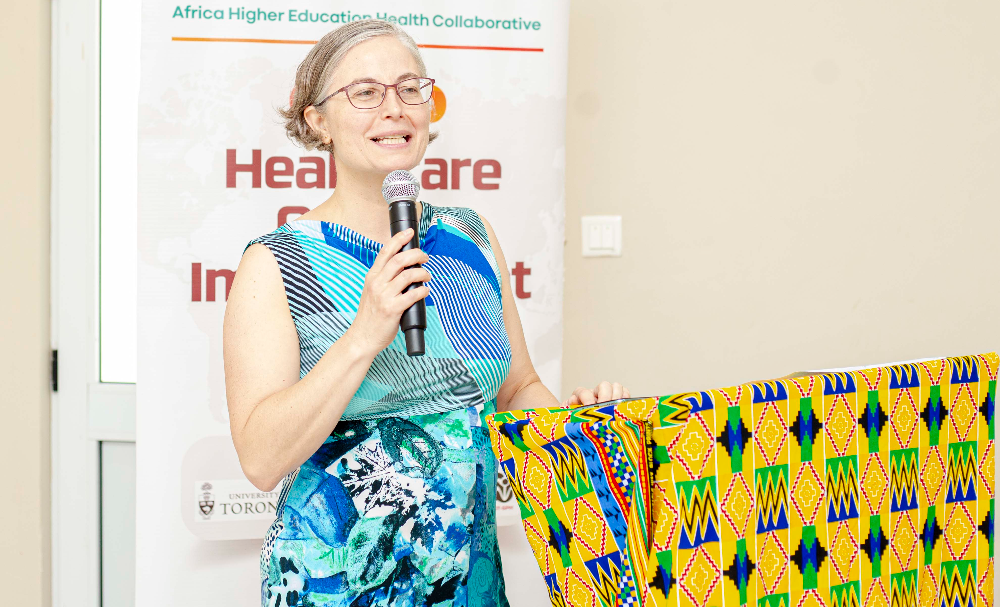
Leader from the University of Toronto team, Dr. Margarita Lam Antoniades.
Leader from the University of Toronto team, Dr. Margarita Lam Antoniades reiterated the commitment to system-wide change through collaboration.
“We are very committed to strengthening the primary healthcare system in a way that strengthens the whole health system,” she said. “This course is designed not just for learning, but for active participation and practical problem-solving.”
The facilitators encouraged participants to build networks, refine their project ideas, and cultivate a “quality improvement mindset” that will guide their work beyond the course.
Dr. Jennifer Wilson of the University of Toronto’s Department of Family and Community Medicine highlighted the strong partnership between Ghanaian and Canadian institutions.
“This work is grounded in the needs identified by Ghanaian stakeholders. There are no outside agendas, this is what Ghana says Ghana needs,” she noted, adding that the collaboration has already reached over 350 participants across Ghana and is gaining international recognition.
Bole District Health Director, Hajia Fuseina Sulemana.
The Bole District Health Director, Hajia Fuseina Sulemana, commended the program’s impact on rural healthcare delivery.
“People travel long distances to Leata Hospital because of the quality of care,” she said. “We are grateful to host this training in the Savannah Region and hope more staff from our facilities will benefit in the future.”
The Komfo Anokye Teaching Hospital has received support to reduce the high risk of blindness due to retinopathy of prematurity (ROP), a condition worsened by limited early screening and inadequate neonatal monitoring.
With only 20 monitors for over 100 babies, and just four breathing devices in an 18-bed preterm ward, premature infants could be left undiagnosed during admission, risking permanent visual impairment or blindness.
The Africa Eye Imaging Centre and the Zero Blind Babies have handed over essential equipment to ease the burden and prevent avoidable disabilities.
In many health facilities, neonatal care is hindered by lack of infrastructure and equipment.
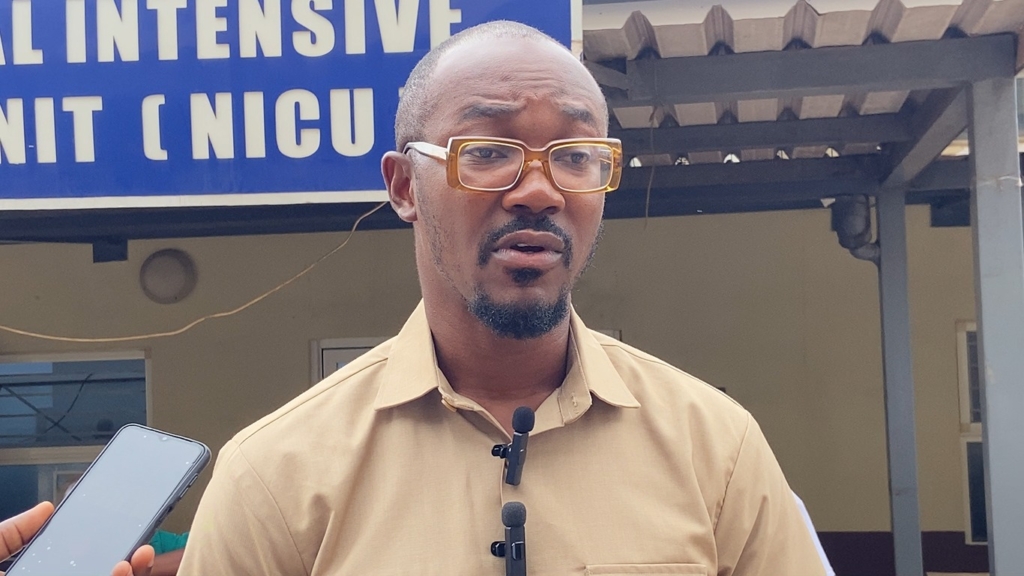
At the Neonatal Intensive Care unit (NICU) of the Komfo Anokye Teaching Hospital, these challenges present a dilemma of how many possible cases of retinal blindness have been left off the hook.
Retinopathy of prematurity (ROP) is an eye disease that affects premature babies, usually from abnormal blood vessels to grow in the retina, which can lead to blindness.
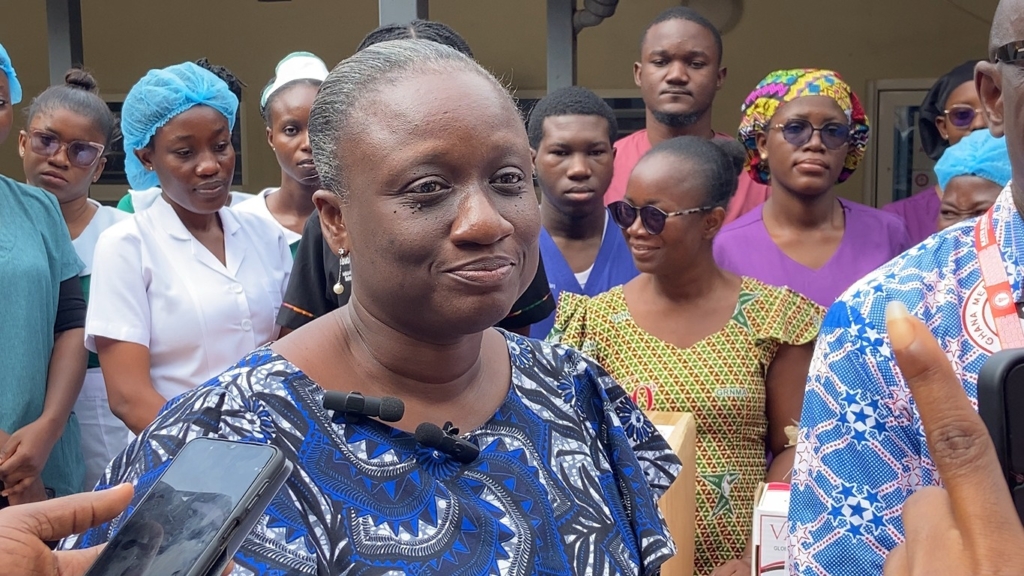
Neonatologist and second head in charge of the NICU at KATH, Dr. Naana Wireko Brobbey, explained the ordeal, needing urgent investment.
“Premature infants are prone to blindness. There are high possibilities that we missed quite a number of premature infants who are even blind or have visual impairments now. Unfortunately, as of now, we have less than 20 monitors.
“So, if you have over a hundred babies on admission, you have to use your discretion to choose which ones need the monitoring the most. A Sick baby means immediate monitoring. With an 18-bed acute preterm ward capacity, there are only four devices to provide breathing support,” she said.
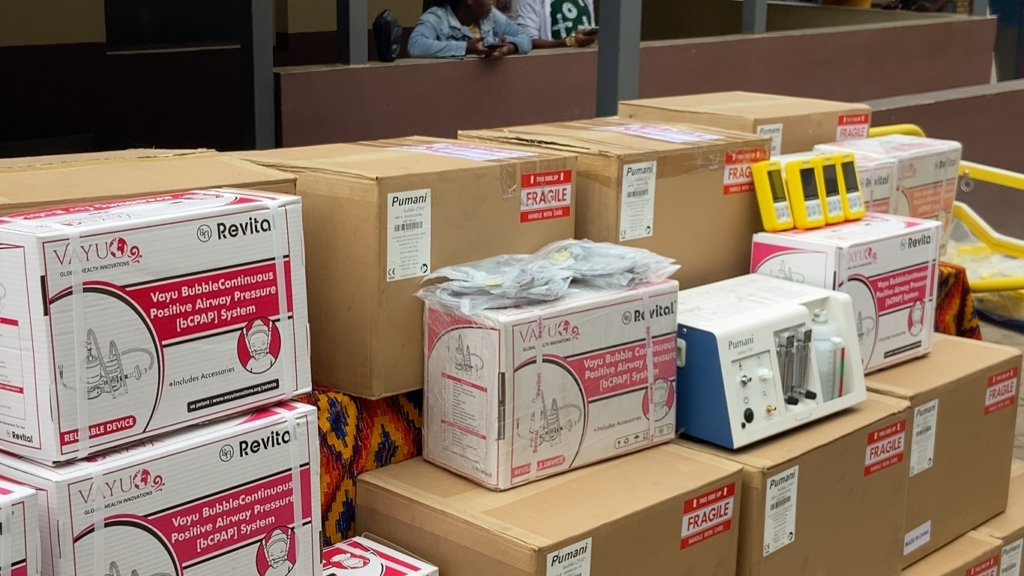
Presently, the KATH NICU has received 20 neonatal oximeter probes, 20 lifebox pulse oximeters, 10 Vayu bubble CPAP and 15 Pumani Bubble CPAP worth US$66,450.
The equipment provided through the benevolence of Africa Eye Imaging Centre, an NGO that prevents retinal blindness using telemedicine, in collaboration with Zero Blind Babies, will assist with monitoring and protection of the babies’ eyes and overall health.
“It’s been a great opportunity. So far, we have screened a thousand babies and almost 30 of them have been treated under the free treatment program. So, these twenty monitors come in handy. And it will make a difference in the practice and outcomes of care for premature infants. Having many of these breathing devices will save more lives,” Dr. Naana said.
Africa Eye Imaging Centre partnered with KATH in 2024 to pilot the first ROP screening program of its kind in sub-Saharan Africa, using a portable retinal imaging camera worth $30,000.
More than 3,000 eye screenings have been conducted for preterm babies across the Ashanti Region, with over 25 babies successfully treated.
CEO of Africa Eye Imaging Centre and a consultant ophthalmologist at KATH, Dr. Akwasi Agyeman Ahmed, says the donation is an advanced intervention to ensure holistic prevention and treatment for child blindness.
“Retinopathy is found in babies born weeks before. Such babies born early, in the eye, the retina are not well developed. So, their eyes need to be regularly checked so they don’t get blind.
“So, for the past year, we have been screening all the preterm babies, born in the Ashanti region. So our donation is a step further to handle the essentials, in line with saving the lives of more babies,” he stated.