Rokmer Pharma Ltd

terms and conditions for using Rokmer Pharma’s website

Blog Right Sidebar

terms and conditions for using Rokmer Pharma’s website

Ghana to embark on National HPV vaccination campaign to protect adolescent girls  
Ghana to embark on National HPV vaccination campaign to protect adolescent girls  

Ghana has officially joined over 140 countries globally that have introduced the Human Papillomavirus (HPV) vaccine into their routine immunisation programme.  

The move is seen as a critical step in the country’s efforts to eliminate cervical cancer and safeguard the health of adolescent girls.  

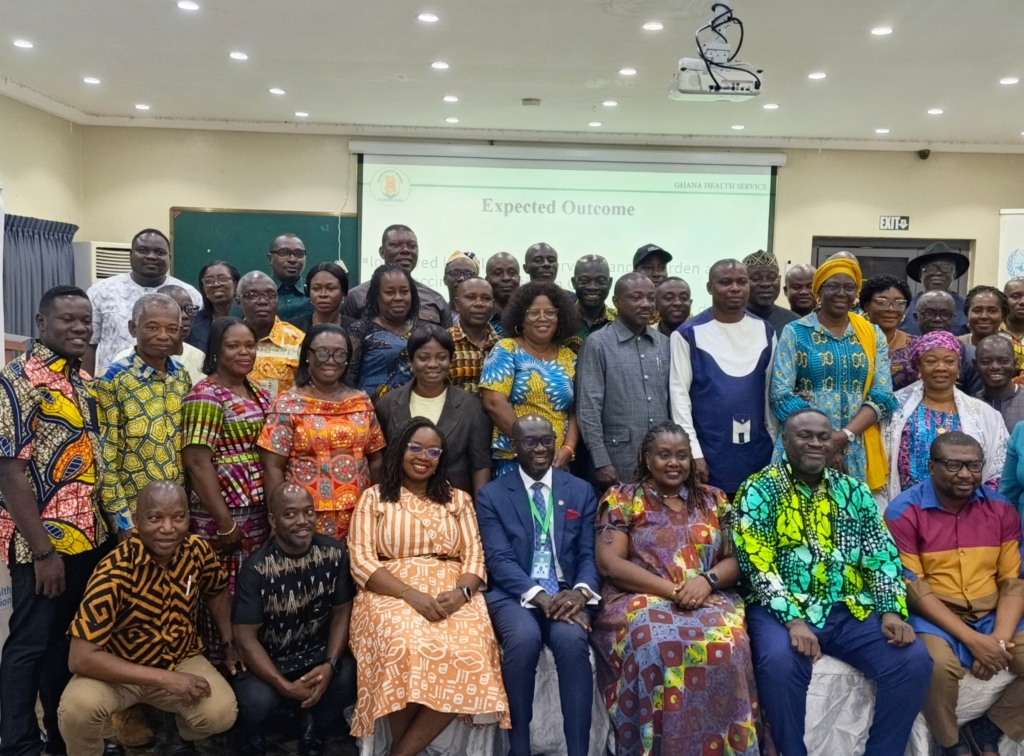
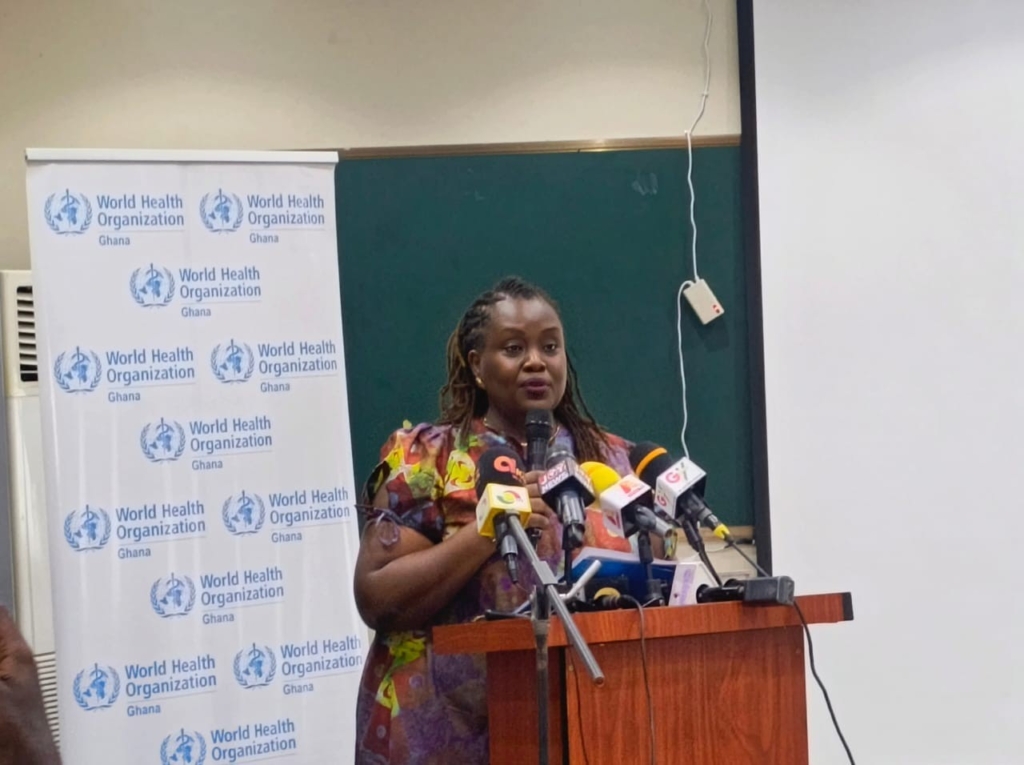
Ahead of the rollout, a stakeholder engagement has been held in Kumasi to raise awareness about cervical cancer burden and HPV vaccine introduction in Ghana and discuss the role of partners in the education sector for a successful vaccine introduction.  

The event brought together Regional Directors of Education and School Health Education Programme (SHEP) Coordinators, to update their knowledge on cervical cancer and the HPV vaccination campaign.
Ghana to embark on National HPV vaccination campaign to protect adolescent girls  

Cervical cancer, the fourth most common cancer in women globally, claims the lives of over 300,000 women each year, with sub-Saharan Africa bearing the heaviest burden.   

In Africa, more than 70% of cervical cancer cases are diagnosed at late stages, leading to poor treatment outcomes and devastating impacts on families and health systems.  

Dr. Fiona Braka, World Health Organisation (WHO) Country Representative, said Ghana’s commitment with the global goal to eliminate cervical cancer as a public health threat aligned with the Sustainable Development Goal 3.4.  

She highlighted the WHO’s “90-70-90” targets, which aim for 90 per cent of girls to be fully vaccinated against HPV by age 15, 70 per cent of women to be screened at ages 35 and 45, and 90 per cent of women with cervical disease to receive appropriate treatment by 2030.  

The vaccine will be administered to girls aged 9–14, primarily through school-based delivery systems.  

Dr. Braka praised the existing School Health Programme in Ghana, which has previously delivered impactful interventions such as Girls’ Iron-Folate Supplementation (GIFTS) and mass drug administration for neglected tropical diseases.   
Ghana to embark on National HPV vaccination campaign to protect adolescent girls  

She said the introduction of the HPV vaccine presented a unique opportunity to further strengthen school-based health services.  

She also appealed to media practitioners to play their part by disseminating accurate, science-based information and countering misinformation that could hinder vaccine acceptance.  

“Your role is indispensable. Share human-centered stories that highlight the impact of HPV vaccination and give health experts platforms to educate the public,” she said.  

Dr. Fred Adomako-Boateng, the Ashanti Regional Director of Health Services, said partners in the education sector were powerful agents of community influence and trust.  

He said the participants were united by a shared goal to protect the health and future of adolescent girls in the country.  

The introduction of the HPV vaccine, he said, would offer a unique opportunity to protect girls before they are exposed to the virus that causes the disease.  

“The Ghana Health Service has scheduled to vaccinate all girls aged 9-17 years against cervical cancer and give them a head start towards a healthier cervical cancer free adulthood,” he added.  

terms and conditions for using Rokmer Pharma’s website

Heal KATH project stalls for 3 months over simmering conflict between hospital CEO and project committee

Heal KATH project stalls for 3 months over simmering conflict between hospital CEO and project committee

The rehabilitation of the Komfo Anokye Teaching Hospital (KATH) has stalled for the past three months, in a raging conflict between the hospital’s CEO and the HEAL KATH project committee.

The project was initiated by the Asantehene, Otumfuo Osei Tutu II, to refurbish dilapidated traditional wards of the over 70-year-old facility serving as a referral centre for 12 regions of the country.
 
In March this year, the Asantehene inspected the first phase of the project, with an anticipated completion of the second phase in the subsequent months.

But this may be far-fetched as there seems to be a rift between the project committee and the new leadership of the hospital.
 
Recounting an incident he regarded as ‘disrespectful’, Chairperson of the Heal KATH Project Committee, Samuel Adu Boakye, alleged the new Chief Executive Officer, Dr. (Med) Paa Kwesi Baidoo, maintained an indifferent and forceful posture towards him and the committee in requesting reports on the progress of the project.
 
It follows recommendations by the Asantehene for the committee to hold discussions with the new leadership of the hospital to collaborate assiduously to expedite the project’s completion.
 
“Two days before Asantehene’s suggestion, I had received a call within the first week of the CEO’s appointment that he needs a report on the project and therefore, we need to bring these reports. So, I told the person that the board members of the committee are no ordinary people. If anything at all, he [CEO] should write officially, then we pay a courtesy call on him and then brief him. So, we know our next steps,” Mr. Adu Boakye told David Akuetteh on Luv FM.

Heal KATH project stalls for 3 months over simmering conflict between hospital CEO and project committee
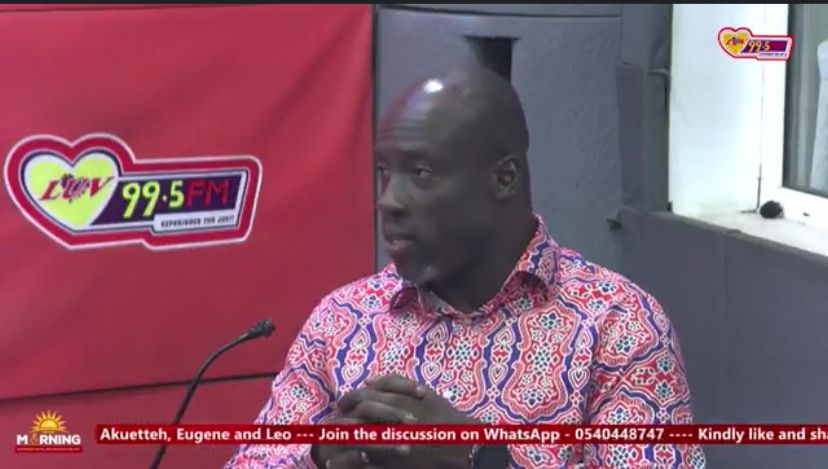
Heal KATH Chairperson, Samuel Adu Boakye

The Chairperson says he subsequently received a call from the new CEO insisting that he submit the reports.
 
But, according to him, the project is not under the direct purview of the hospital’s management and would only require that the CEO writes to the committee for official deliberations.
 
However, Mr. Adu Boakye alleges the CEO hung up the call on him.
 
“Two days after, I got a call from the new CEO [angrily] asking why I haven’t made the report available to him. And I explained to him the Heal KATH project is not one under the hospital. We set it up in a way that, in the event that there was a change of government, the work could go on without any disruptions. And we made it clear-which Otumfuo is aware of.
 
“Unfortunately, I got lambasted and the CEO hung up on me,” he noted.

Subsequently, Mr. Adu Boakye revealed he received a letter detailing that he submits audited accounts, bank statements, bank balances, members of the committee, debtors and other essentials to the hospital.
 
The committee, under the authority of the Hiahene, Nana Prof. Oheneba Boachie-Adjei Owoahene II, replied the letter asking the CEO to exercise restraint and not create a seeming friction between the committee and the new KATH leadership.

“We have received periodic reports from the committee and we are in the process of organizing a comprehensive update for his Majesty to review prior to forwarding any report to the presidency. We know how dearly this project to the Asantehene and equally to the presidency, I would advise that you exercise patience as we complete the report for his Majesty to approve before submitting to the presidency,” Mr. Adu Boakye read from the letter.

The letter continued that: “I have also asked the Chairman to convene a meeting of HeKAP advisory board early next week which would include you for preliminary review of the report. While I understand your eagerness to know more about the Heal KATH and the progress we have made, let us not create any friction or misunderstanding between new and old leadership”.

Progress of Heal KATH
 
The Heal KATH project was originally planned to be completed in two years of its commencement, but had to be extended following economic fluctuations and reduced inflows of financial aid from the public.
 
During the Asantehene’s inspection in March 2025, over four million of the targeted 10 million dollars has been raised in six months for the project’s execution.
 
The project which commenced in November 2023 has since seen the first phase 95% completed.
 
The first phase, comprising two floors of Block A, has been fully renovated and furnished, with only the installation of an oxygen bedhead remaining for full operation.
 
Architect and Consultant for the project, Kojo Darko-Asante says the committee is ready to provide an audited account on the progress of the project thus far.
 
“We have nothing to hide. I have never been paid a penny. We are doing this because of Otumfuo. We, as board members of the project, have occasioned a full audit report into what we’ve done so far. We will account for every cedi,” he noted.

The Health Komfo Anokye project is one of the monumental projects being undertaken to mark the 25 years of the Asantehene’s exemplary leadership as occupant of the Golden Stool.

terms and conditions for using Rokmer Pharma’s website

We wanted a ring-fenced fund, and we got it – Kwame Sarpong Asiedu backs MahamaCares bill

We wanted a ring-fenced fund, and we got it - Kwame Sarpong Asiedu backs MahamaCares bill

Research Fellow at CDD-Ghana, Dr. Kwame Sarpong Asiedu, says the passage of the Ghana Medical Trust Fund aka MahamaCares Bill has fulfilled a major demand from key stakeholders: the creation of a ring-fenced fund.

Speaking on JoyNews’ PM Express on Tuesday, July 29, the medical doctor recalled testing the bill’s content against outcomes from the JoyNews Stakeholder Dialogue on Non-Communicable Diseases (NCDs)

“When the bill was passed by Parliament, the first thing I did was to marry the bill against the outcomes of the stakeholder dialogue that Multimedia held,” he said.

“Because you had the patients on, you had government on, you had the health professionals on, and you had advocacy groups like me on.”

For him, the bill checks all the boxes that mattered. “It satisfies all the requirements that the stakeholder consultation was looking for,” he stated, before listing four critical elements.

“Why do I say that we wanted a ring-fenced funding?” he asked. “Now the government has said 20% of NHIS, so we exactly know where the money is coming from.”

He explained that ring-fencing meant the money must be protected from direct government interference. “It means it has to go to an entity that technically is out of the reach of government.”

He praised the creation of a trust fund as a direct response to that demand.

“So a trust fund has been set. That’s another thing that Dialogue asked for. So that has been done.”

He noted that management on behalf of patients was another demand. “A board has been set up. That has been done.”

He added that sustainability was a major concern, and the bill addresses that.

“There is an index to say 20% of NHIS,” he pointed out. “Even though I have a problem with the funding model, and we’ll come to that.

“But I’m just going by what the dialogue [said], sustainability, so you know that whatever it is, when the NHIS funding is agreed and approved by Parliament, 20% of that goes to management of chronic diseases.”

Dr Asiedu concluded by highlighting how seriously he took the match between policy and citizen input.

“I assessed the manifestos based on what the dialogue expected,” he recalled.

“I met Titus downstairs with the doctor, and I was laughing at them, and I said, you people have put proposals, but you didn’t test the proposals against what the dialogue said.”

terms and conditions for using Rokmer Pharma’s website

‘JoyNews NCDs Dialogue reflected in law’ – CDD’s Kwame Asiedu on Ghana Medical Trust Fund

'JoyNews NCDs Dialogue reflected in law' - CDD’s Kwame Asiedu on Ghana Medical Trust Fund

Research Fellow at the Centre for Democratic Development (CDD-Ghana), Dr. Kwame Sarpong Asiedu, says the Ghana Medical Trust Fund Bill passed by Parliament aligns almost entirely with the recommendations from the JoyNews Stakeholder Dialogue on Non-Communicable Diseases (NCDs).

Speaking on PM Express on Tuesday, July 29, the medical doctor described the passage of the bill—also known as the MahamaCares Bill—as a clear outcome of the deliberative process held by JoyNews.

“I assessed the manifestos based on what the dialogue expected,” he said, recalling how he challenged colleagues involved in drafting policy proposals to measure them against the outcomes of the NCD dialogue.

“And I remember that day, while working out—Titus is my friend—I met Titus downstairs with the doctor, and I was laughing at them, and I said, ‘You people have put proposals, but you didn’t test the proposals against what the dialogue said.’”

For Dr. Asiedu, the alignment became evident the moment the bill was passed.

“The first thing I did was to marry the bill against the outcomes of the stakeholder dialogue that multimedia held,” he noted.

He said the dialogue had involved patients, government officials, health professionals, and advocacy groups like his, and that their collective demands had been captured.

He pointed to four specific demands that were met.

“We wanted a ring-fenced funding. Now the government has said 20% of NHIS, so we exactly know where the money is coming from.” To him, that level of clarity was crucial.

“And when you talk about a ring fence, it means it has to go to an entity that technically is out of the reach of government. So a trust fund has been set. That’s another thing that Dialogue asked for. So that has been done.”

He said the management structure was also consistent with demands from the forum. “It had to be managed on behalf of the patient. So a board has been set up. That has been done.”

The final point, he said, was sustainability.

“There is an index to say 20% of NHIS, even though I have a problem with the funding model—and we’ll come to that. But I’m just going by what the dialogue: sustainability.

“So you know that whatever it is, when the NHIS funding is agreed and approved by parliament, 20% of that goes to management of chronic diseases.”

terms and conditions for using Rokmer Pharma’s website

No life can wait – Prof Titus Beyuo defends urgent passage of Ghana Medical Trust Fund bill

No life can wait - Prof Titus Beyuo defends urgent passage of Ghana Medical Trust Fund bill

“We’re talking about lives here.”

That was the impassioned plea from Prof Titus Beyuo, Board Chairman of the Korle-Bu Teaching Hospital, as he defended the decision to treat the Ghana Medical Trust Fund bill as a matter of urgency in Parliament.

Speaking on JoyNews’ PM Express on Tuesday, July 29, the Lambussie MP said lives were literally hanging in the balance, so passing what is also called the MahamaCares bill was the way to go.

“If providing health care for people who need dialysis, who need some cancer care, who are in some critical stage is not urgent, I don’t know what else is urgent.”

For Prof Beyuo, the matter is beyond debate. The need for immediate support to vulnerable patients cannot be postponed.

“No life can wait,” he stressed, justifying the urgency clause that saw the House fast-track the bill’s consideration.

The medical doctor insisted the House was right to act swiftly, because “there is no time.”

He reminded Ghanaians of the words of a former president, Nana Akufo-Add,o who said during the Covid-19 pandemic that: “They can revive the economy, but they cannot bring back lives.”

For him, those words capture the gravity of the moment.

“There’s no better way to emphasise the urgency of this.”

The emotional weight of the situation was clear as he reflected on the suffering of real people.

“For those people suffering today, they wish this had been passed yesterday.”

To him, the delay already feels like a betrayal of those in need.

“For someone who is on social media appealing for fun today, for a constituent who is looking for money today, they wish this had been passed a month ago,” he said. “So there’s no time to waste.”

terms and conditions for using Rokmer Pharma’s website

So Why Are We Lacking Vitamin D?

The image is AI-generated for illustration only

Much of West Africa, Ghana, is blessed with abundant sunlight all year round. Many people assume that living in a sunny climate automatically protects one from vitamin D deficiency. I recently came across a multi-centre study (see reference) that challenges this widely held assumption. Despite all the sunshine, nearly half of the participants had low levels of this essential vitamin. This surprising finding invites us to take a closer look at how lifestyle, skin tone, and even geography affect our vitamin D status.

Why is Vitamin D so Important?

This “sunshine vitamin” is essential for strong bones, a healthy immune system, and even stable blood pressure. Vitamin D is a fat-soluble vitamin that helps the body to:

  • Absorb calcium and phosphorus for strong bones and teeth
  • Fight infections by boosting the immune system
  • Regulate blood pressure and inflammation
  • Support muscle strength and energy levels
  • Reduce the risk of complications in pregnancy

Without enough vitamin D, the body begins to suffer quietly at first, but seriously over time.

What did the researchers do and what did they find?

The research team measured vitamin D levels in blood samples of 500 healthy adults (blood donors) from three geographical areas in Ghana: the northern, middle, and southern zones. They also gathered information on age, gender, and dietary intakes.

Surprisingly, nearly 45% of the study participants had low vitamin D levels. Women were more likely to be deficient than men. Participants living in the northern part of Ghana, which gets less rainfall and has more intense sun, generally had a slightly lower proportion of people with vitamin D deficiency (41%), compared to those in the southern (45%) and middle zones (46%). Interestingly also, not knowing about vitamin D-rich foods and eating fewer vitamin D-rich foods were associated with higher chances of having vitamin D deficiency.

Why Sunlight Alone is not Enough

Many people spend most of their day indoors, whether at work, in school, or at home. Even when outside, long sleeves, head coverings, or cultural clothing often block direct sunlight from reaching the skin. Also, because people with darker skin have higher levels of melanin, they need more sun exposure to produce the same amount of vitamin D as someone with lighter skin.

So even in a sunny country like Ghana, you can still end up vitamin D deficient.Some people have no symptoms at all when they are deficient in vitamin D. But common signs include, constant fatigue or weakness, bone or back pain, frequent infections or slow healing, depression or mood swings, muscle aches or cramps and hair thinning, among others. Pregnant women with low vitamin D are also more likely to experience complications like high blood pressure or preterm delivery.

What Can We Do?

The good news is, there are simple steps we can take to improve our vitamin D levels:

  • Spend Safe Time in the Sun: Aim for short periods of sunlight exposure (about 10–30 minutes, depending on skin tone) a few times a week—especially in the early morning or late afternoon when the sun is gentler.
  • Eat Vitamin D-Rich Foods: Include more oily fish (like sardines, salmon, and mackerel), egg yolks and liver in meals. Vitamin D-fortified foods such as breakfast cereals, margarine, and some dairy or plant-based milk are also good options. Cod liver oil and mushrooms (sun-dried or exposed to UV light) are also great sources.
  • Talk to a Healthcare Professional about Supplementation: Because individual needs differ, it’s important to consult a registered dietitian or doctor before starting any vitamin D supplement. They can assess your vitamin D status and recommend the right dosage, if needed. Over-supplementation can be harmful.
  • Check Your Levels When in Doubt: Especially if you experience symptoms like fatigue, frequent illness, or unexplained muscle aches, getting your vitamin D levels tested is a good idea.
  • Educate and Advocate: Help spread awareness. Many people do not realise how essential vitamin D is, or how common deficiency can be, even in sunny countries.

My Concluding Thoughts

Residing in a sunny climate does not necessarily guarantee adequate vitamin D levels. In fact, recent evidence shows that a significant number of people in such regions are deficient without even knowing it. The good news is that vitamin D deficiency is something we can tackle through lifestyle changes, dietary improvements, and, when necessary, medical support. Don’t wait for symptoms to appear. Prioritise your health by spending time in the sun, eating vitamin D-rich foods, and consulting a qualified healthcare provider to find out if you may need a supplement.

Click here to join Full Proof Nutrition WhatsApp channel to receive more educative content. Send us a mail on fullproofnutrition@gmail.com

Written by Dr. Laurene Boateng (PhD, RD)
Dr. Laurene Boateng is a Registered Dietitian and Senior Lecturer in the Department of Dietetics, University of Ghana. She is the founder and editor-in-chief of Full Proof Nutrition, a Nutrition Consultancy committed to providing reliable, evidence-based, and practical healthy eating advice through its website www.fullproofnutrition.com.  Click here to join Full Proof Nutrition WhatsApp channel to receive more educative content. Send us a mail on fullproofnutrition@gmail.com

References

  1. Sakyi, S. A., Antwi, M. H., Ahenkorah Fondjo, L., Laing, E. F., Ephraim, R. K. D., Kwarteng, A., … & Buckman, T. A. (2021). Vitamin D deficiency is common in Ghana despite abundance of sunlight: a multicentre comparative cross‐sectional study. Journal of Nutrition and Metabolism, 2021(1), 9987141.
  2. https://my.clevelandclinic.org/health/diseases/15050-vitamin-d-vitamin-d-deficiency

terms and conditions for using Rokmer Pharma’s website

Health Ministry processes pharmacist salaries, promises interns payment

Health Ministry processes pharmacist salaries, promises interns payment

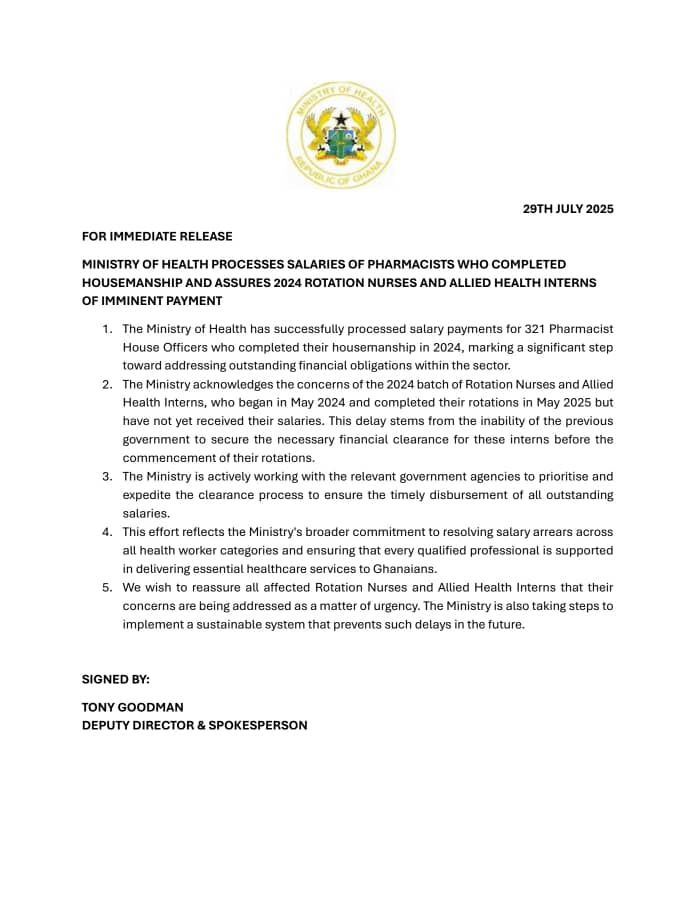
The Health Ministry says it has successfully processed salaries for 321 Pharmacist House Officers who completed their housemanship in 2024.

This, it notes, is a significant step toward addressing outstanding financial obligations within the sector.

The Ministry also acknowledges concerns raised by the 2024 batch of Rotation Nurses and Allied Health Interns who began their rotations in May 2024 and completed them in May 2025, but have not received their salaries.

It attributes the delay to the inability of the previous government to secure the necessary financial clearance before the interns started work.

According to the Ministry, it is actively working with relevant government agencies to prioritise and expedite the clearance process to ensure the timely disbursement of all outstanding salaries.

“This effort reflects the Ministry’s broader commitment to resolving salary arrears across all health worker categories and ensuring that every qualified professional is supported in delivering essential healthcare services to Ghanaians.”

Health Ministry processes pharmacist salaries, promises interns payment

“We wish to reassure all affected Rotation Nurses and Allied Health Interns that their concerns are being addressed as a matter of urgency,” it said, adding that steps are being taken to implement a sustainable system that prevents such delays in the future.

terms and conditions for using Rokmer Pharma’s website

Korle Bu Teaching Hospital sees 700 cancer cases annually 

Korle Bu Teaching Hospital sees 700 cancer cases annually 

Africa records over 24,000 new cancer cases annually, with Korle Bu Teaching Hospital documenting 700 cases each year since 2005.

Dr Hannah Naa Gogwe Ayettey, Consultant Oncologist at Korle Bu Teaching Hospital, disclosed this during a cancer research symposium held to explore the unique features of African cancers for improved treatment outcomes.

Speaking at the event, which was organised under the auspices of Precision Medicine for Aggressive Breast Cancers (PMABC), she stressed the importance of collaborative research to enhance patient care and develop effective treatments across the continent.

“The mission of PMABC is to build the capacity of institutions and researchers across Sub-Saharan Africa to help reduce cancer burden through advanced research and delivery of care to diverse populations worldwide,” she stated.

Dr Ayettey, who also serves as the General Secretary of the African Organisation for Research and Training in Cancer (AORTIC), noted that while genetic factors contribute to cancer prevalence in Africa, patients face severe socio-economic challenges and financial hardship due to the high cost of treatment.

She advised patients to seek early hospital care to avoid complications and called for increased awareness to encourage early detection and greater community involvement in care.

The symposium, themed “Catalysing Basic and Translational Cancer in Africa: Advancing Progress and Capacity Building”, was held in partnership with AORTIC.

It brought together experts and researchers to focus on high-burden cancers, including breast, cervical, prostate, colorectal, and oesophageal cancers.

Dr Miriam Mutebe, President of AORTIC, reiterated the importance of early diagnosis, saying, “Many cancer patients are potentially treatable and curable if diagnosed earlier.”

“Breast cancer is the most common diagnosis affecting young ladies in West Africa, but about 90 percent of the patients survive due to early detection,” she added.

terms and conditions for using Rokmer Pharma’s website

Africa AI Health forum explores practical uses of generative AI in healthcare

Africa AI Health forum explores practical uses of generative AI in healthcare

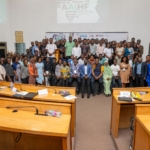
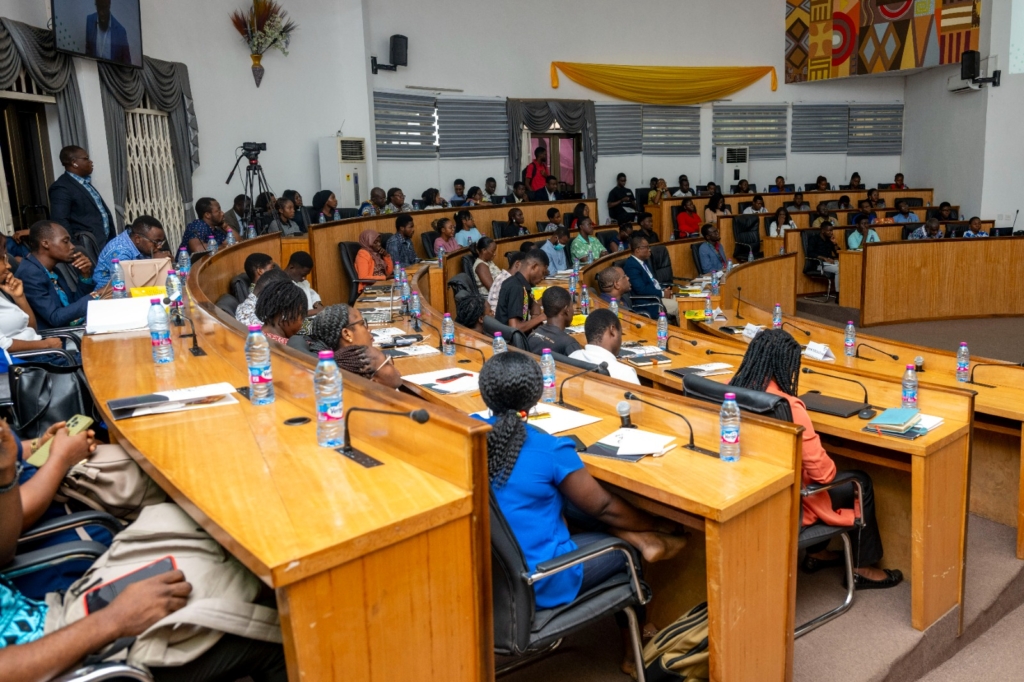
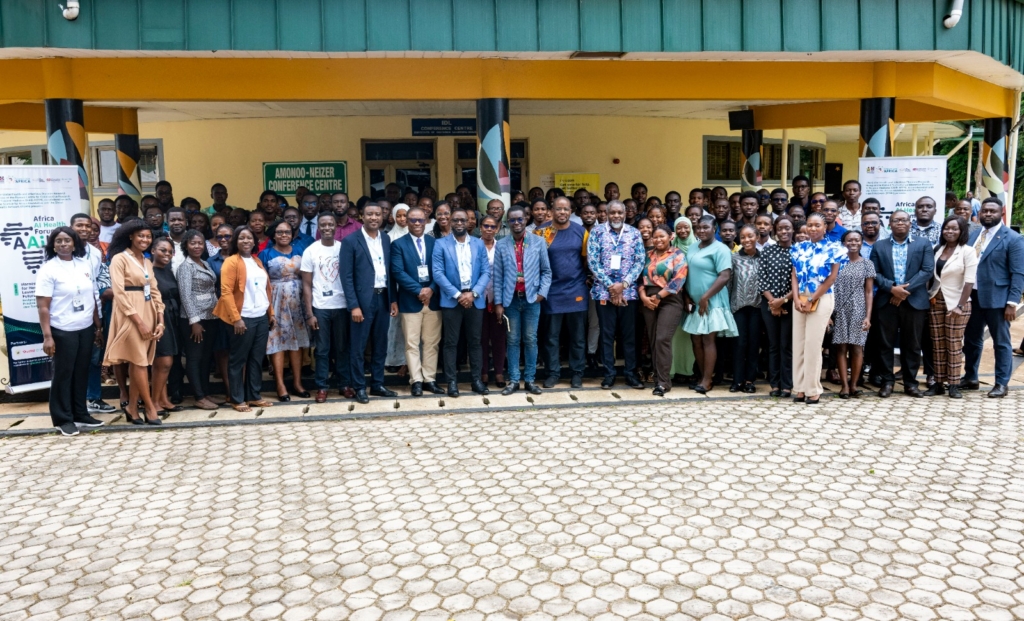
More than 150 in-person participants and over 300 virtual attendees gather at the Africa AI Health Forum 2025 to explore the opportunities and limitations of using generative artificial intelligence (AI) in African healthcare systems.

The one-day hybrid forum, held in Kumasi and jointly organized by the Global Health and Infectious Diseases Research Group, KCCR-KNUST, and the Global Health Network, focused on the theme “Harnessing Generative AI for Healthcare Innovations: Lessons, Challenges, and Future Directions.”

Africa AI Health forum explores practical uses of generative AI in healthcare

Participants, including clinicians, health administrators, AI engineers, researchers, and students, engaged in live demonstrations, panel discussions, and technical sessions. The agenda focused on practical AI tools tailored to local needs and addressed regulatory and implementation barriers in African public health settings.

“Telehealth is the future of healthcare, and the way forward is AI-enabled,” said Dr. Wisdom Atiwoto, Director of Research, Statistics, and Information Management at Ghana’s Ministry of Health. “But real transformation will require bold policy, strong partnerships, and systems that put people first. Ghana is ready to lead that change.”

Dr. Atiwoto’s presentation outlined how Ghana’s digital health policies have progressed, from early eHealth strategies to the Ministry’s current focus on AI. He highlighted the Ghana Telemedicine Project as one example where AI-assisted consultation models are helping to reduce unnecessary referrals and cut costs.

Africa AI Health forum explores practical uses of generative AI in healthcare

Local Innovation Spotlight: CARE-GDM

CARE-GDM, a mobile-based digital health application, was one of the new innovations featured at the forum. Built on the WhatsApp platform, the tool includes a clinician-facing dashboard and a patient chatbot. The tool illustrates the potential of AI to enhance the continuum of care by supporting gestational diabetes management between facility visits.

CARE-GDM supports remote monitoring, health education, and decision-making tailored to each patient. Though still in its early development phase, it shows how AI is being adapted to Ghana’s health system and common communication platforms. 

“We need to move beyond pilots and proof-of-concept,” said Dr. John Amuasi, Lead for the Global Health and Infectious Diseases Research Group, GHID-KCCR.

“Africa is ready to own, adapt, and scale AI for health, but it must be on our terms, informed by local realities. That means investing in talent, building infrastructure, and anchoring AI in ethical, evidence-based systems.”

AI in Context

A panel discussion featuring Dr. Martin Balaba, Sesinam Dagadu, and Dr. Prince Adjei,  moderated by Dr. Neta Parsram, addressed key questions on the role of AI in Ghana’s health system and across Africa, where AI could add the most value alongside its potential to complement, enhance, and reshape, rather than replace, clinical roles. The panel also addressed risks such as data bias, stressing the need for African-generated data and locally relevant governance to ensure AI systems work equitably across contexts. Additionally, the forum also hosted a Prompt Engineering Challenge, allowing participants to experiment with large language models in health-specific scenarios.

Rather than promoting AI as a disruptive solution, the forum emphasized measured integration, linking AI tools to existing public health priorities. The event was supported by the Ghana Ministry of Health, The Global Health Network, Science for Africa Foundation, IDRC, and the FCDO.