Founder and General Overseer of Action Chapel International, Archbishop Nicholas Duncan-Williams, has made a passionate call for greater support toward healthcare and mental health in Ghana, emphasising that the government cannot do it alone.
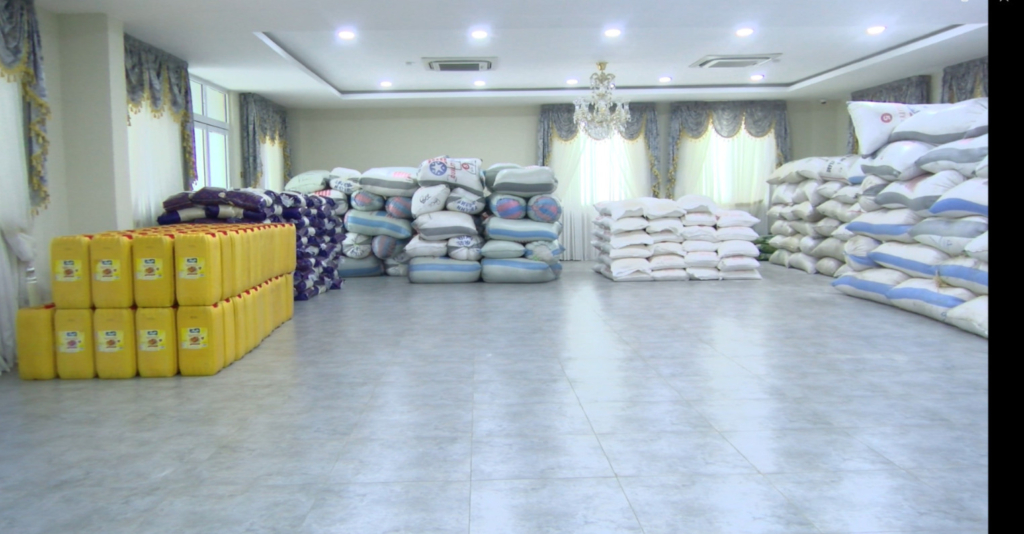
Speaking at a brief but significant presentation ceremony at Action Chapel’s headquarters on Spintex Road in Accra, the Archbishop donated food items, including bags of rice, maize, and flour, along with a cash amount of GH¢100,000, to support mental health institutions across the country.
“I do appreciate that most private firms are currently going through some difficult times,” he said, “but we should remember that we give not because we have, but because we care.”
The donation, which was made through the Mental Health Authority, is part of a larger initiative by the church and its partners to improve conditions in mental health facilities nationwide.
“I believe that the Mental Health Authority plays a vital role in this country. It is important that we come together to support your work and the overall mental health sector,” Archbishop Duncan-Williams added.
The gesture is the first in a series of planned support interventions, according to the Archbishop, who emphasised the need for corporate Ghana to get involved in addressing challenges in the health sector, particularly mental health, which is often underfunded and overlooked.
Receiving the items on behalf of the Authority, Chief Executive Officer, Professor Pinamang Appau expressed her heartfelt gratitude, describing the donation as timely and impactful.
“This is a huge relief to our facilities, and it shows that mental health is beginning to get the attention it deserves. We are extremely grateful, and we hope others especially in the private sector will follow this example,” she said.
The Mental Health Authority boss noted that the donation will significantly ease some of the operational burdens its institutions currently face and help improve care for patients across the country.
The Authority also described the donation as the biggest received so far
This gesture from Action Chapel International is being hailed as an example of how faith-based institutions and private stakeholders can play a crucial role in national development, especially in sectors that often lack adequate funding.
The donation was possible through contribution from the church and other benevolent individuals and organisations.
A high-stakes meeting between the Ghana Registered Nurses and Midwives Association (GRNMA), the Parliamentary Select Committee on Health, and the government has ended on a positive note, with the government agreeing to grant two of the allowances demanded by the association.
The meeting, facilitated by the Parliamentary Select Committee on Health, was aimed at finding a lasting solution to the dispute over the implementation of the GRNMA’s 2024 Conditions of Service.
At the meeting, the Minister of Health, Kwabena Mintah Akandoh, acknowledged the GRNMA’s concerns and demands, and reiterated the government’s commitment to further consultation and engagement. He emphasised the need for mutual respect and cooperation, while highlighting the progress made thus far in negotiations.
The Chairman of the Parliamentary Select Committee on Health, Naawane Kurt Mark, led a constructive discussion and assured the GRNMA of the committee’s neutrality and readiness to help facilitate a resolution.
“We are committed to finding a solution that works for all parties involved. We urge continued engagement and collaboration to address the concerns and demands of the GRNMA,” he said.
GRNMA President, Perpetual Ofori-Ampofo, stressed the importance of implementing key allowances to enhance the welfare, motivation, and retention of nurses and midwives. However, the association expressed disappointment with the government’s proposals, which they considered unsatisfactory.
Leaders of the association agreed to inform their members of the government’s position and the outcome of the meeting.
The Chief Executive of the Fair Wages and Salaries Commission (FWSC), Dr George Smith-Graham, assured the association that engagement on the outstanding issues would begin soon. He clarified that this would not be a renegotiation, but a process to address the remaining demands.
The FWSC has scheduled the next round of discussions with the GRNMA for Tuesday.
Both parties, at the end of the meeting, agreed to continue engagements and work collaboratively to resolve the impasse, expressing optimism for an outcome that benefits nurses and midwives across Ghana.
Background
The GRNMA embarked on a nationwide strike on June 4, 2025, citing the government’s failure to honour agreements reached on May 20, 2024. Despite the National Labour Commission declaring the strike illegal, the GRNMA continued the industrial action until their concerns were addressed. Following appeals from the government and the Parliamentary Select Committee on Health, the association suspended its strike on June 14, 2025, pending further negotiations.
The Ghana Social Development Outlook (GSDO) 2024, has raised red flags over declining basic education enrolment and ongoing healthcare infrastructure gaps, despite several government policies and major investments in both sectors.
The flagship social development tracker, launched on Thursday in Accra by the Institute of Statistical, Social and Economic Research (ISSER) of the University of Ghana, provides a data-driven analysis of Ghana’s progress in key social indicators, including education and health.
It calls for urgent policy reforms and deeper stakeholder collaboration to sustain gains and reverse worrying trends.
Presenting highlights of the GSDO 2024 Report, Dr. Martha A. Awo, Senior Research Fellow and Head, Social Division of ISSER, revealed troubling signs at the foundational levels of Ghana’s school system.
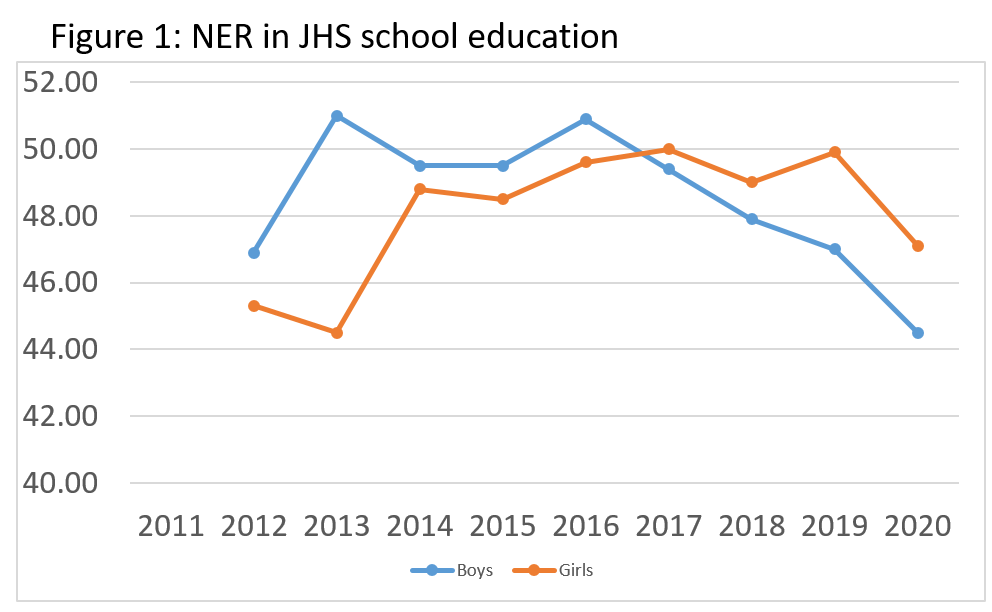
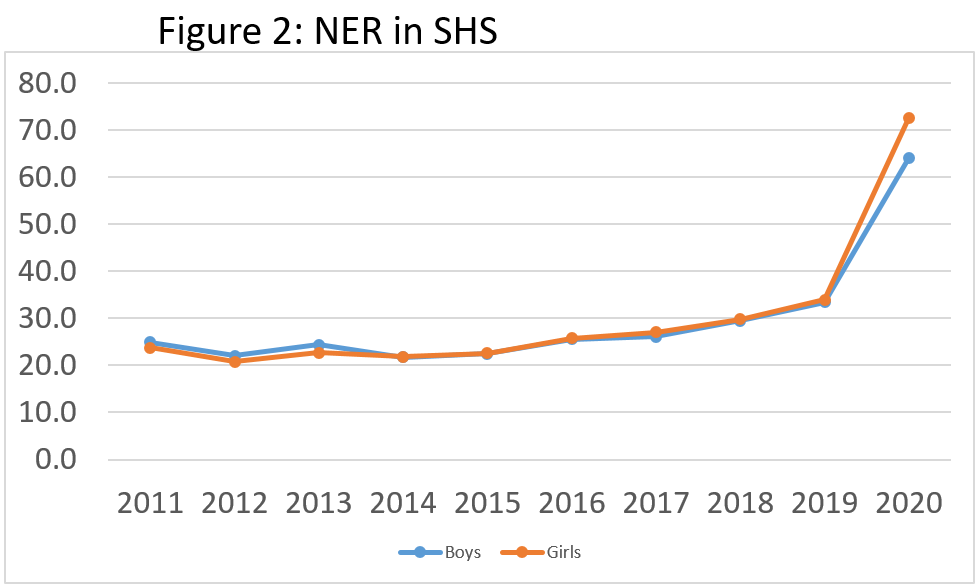
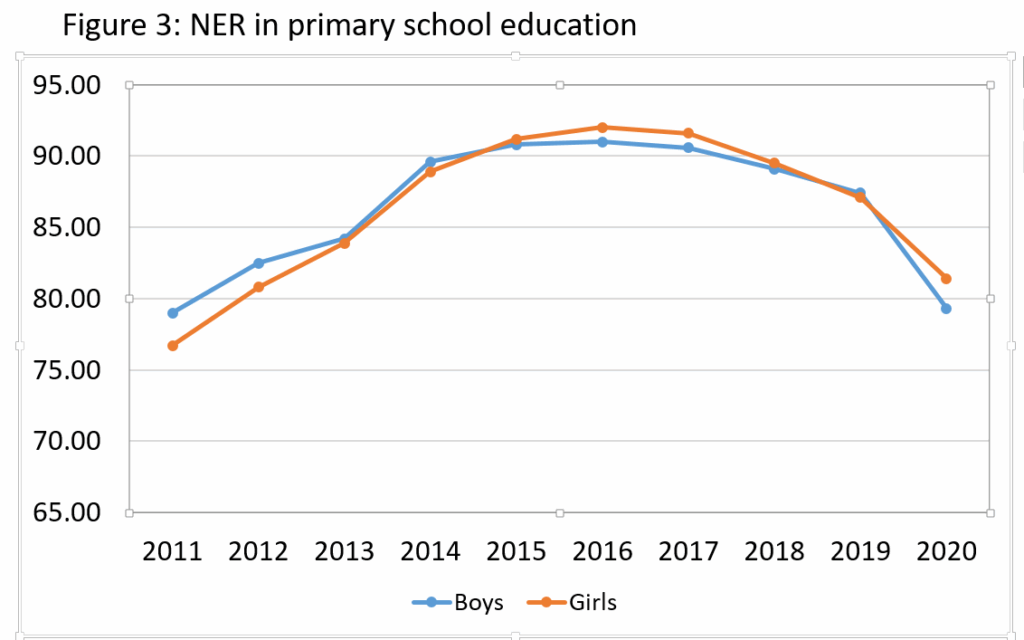
She said while the Net Enrolment Rate (NER) at the Senior High School (SHS) level surged from below 30% in 2017 to 70% between 2019 and 2020, enrolment at the Junior High School (JHS) level dropped from 50% to 45% over the same period.
Similarly, Dr. Awo said primary school enrolment—previously as high as 91%—has declined to an average of 80%, indicating poor transition rates and a neglect of the basic education sector.
“The decline in enrolment at the JHS and primary levels is a reflection of a situation of taking our eyes off basic education,” the report warns.
The analysis identifies delays in disbursing capitation grants and non-payment of school feeding caterers as critical bottlenecks.
With caterers receiving just GH¢0.90 per child, the report deems it “woefully inadequate” for providing a nutritious meal, further compromising school attendance and retention.
The chapter on Education commends policies that have improved access for girls and recommends scaling up such interventions. However, it cautions against over-reliance on high-visibility policies like the Free SHS Programme (FSHSP) at the expense of foundational education.
Key Education Recommendations
Ensure balanced funding across all education levels
Address the access-versus-quality gap
Initiate a national conversation on sustainable financing for Free SHS
Improve stakeholder engagement
Implement robust monitoring and evaluation systems
Agenda 111: Promise of healthcare equity vs delays
In the health sector, the report describes Ghana’s healthcare system as still vulnerable, with stark infrastructure gaps exposed during the COVID-19 pandemic.
It said 88 out of 216 districts lacked well-resourced hospitals as of 2020, prompting the launch of the Agenda 111 project—the ambitious plan to build and upgrade hospitals across the country.
As of May 2024, 92 facilities were under various stages of construction, and according to the report, full implementation of the project would require the recruitment of over 68,000 healthcare professionals.
Despite land acquisition and resourcing challenges, the project is expected to:
Reduce travel time to healthcare centres to 30 minutes
Improve quality and accessibility of services
Boost local economies and potentially position Ghana as a hub for medical tourism
Importantly, the report notes that the project has bipartisan support, increasing its chances of continuity across election cycles.
Among other things, the report recommends
Fast-track completion of ongoing facilities
Strengthen project management and accountability
Accelerate staff recruitment and training
Improve communication with communities, and
Maintain cross-party consensus for continuity
The Ghana Social Development Outlook 2024 urges stakeholders to go beyond policy announcements and address systemic weaknesses in the delivery of essential social services.
“Whether in education or health, policy without sustained investment, equity, and accountability will not deliver long-term transformation,” the report cautions.
Vitality Health International and Acacia Health Insurance Ghana have officially launched a strategic partnership aimed at revolutionising health insurance delivery in Ghana through a shared-value model that integrates wellness, innovation, and preventive care.
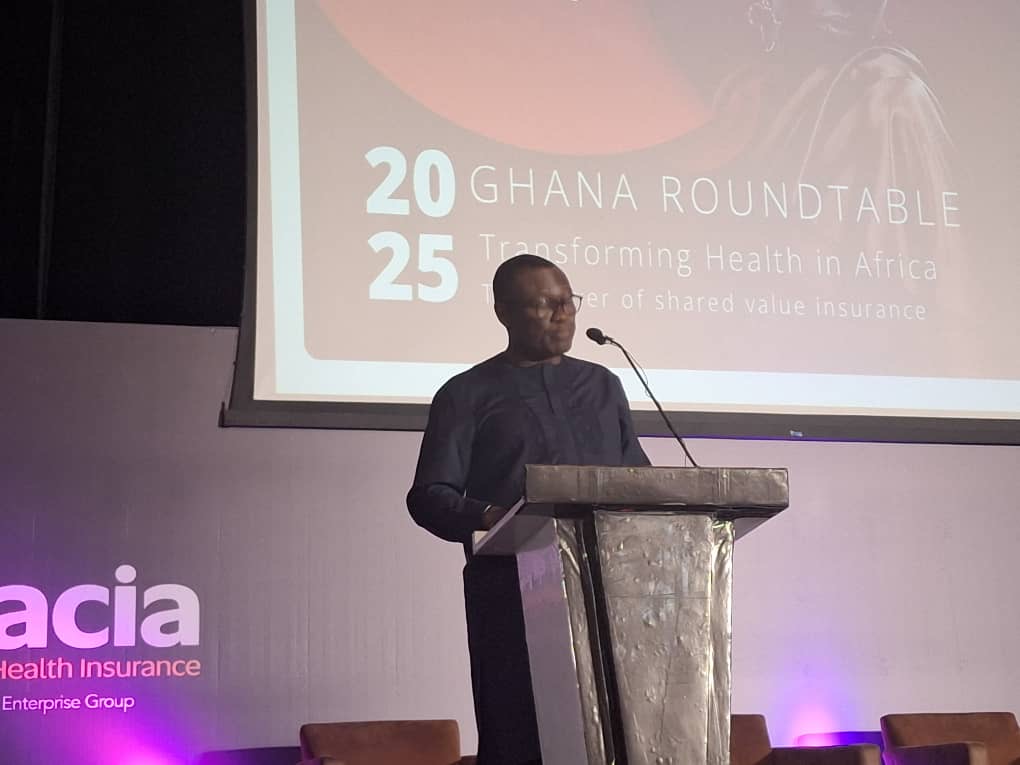
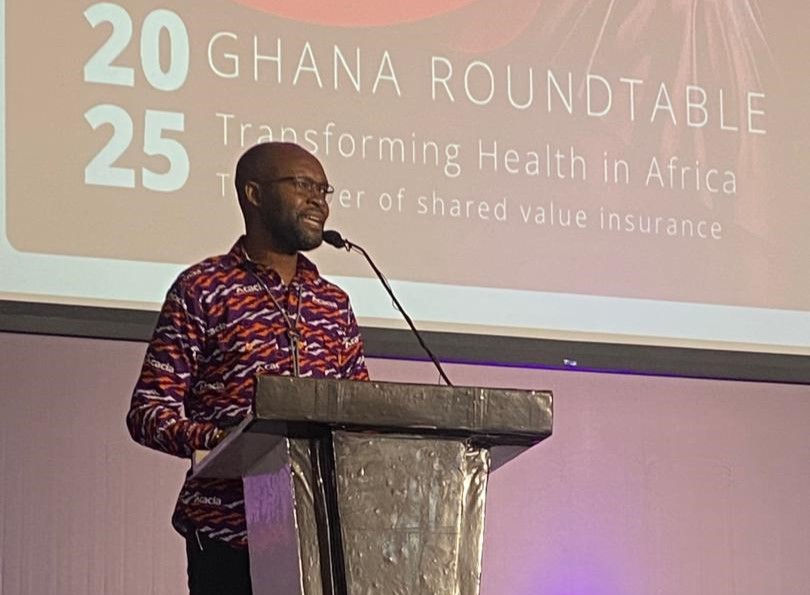
Themed “Transforming Health in Africa: The Power of Shared-Value Insurance”, the Ghana Broker Roundtable 2025 took place at the Kempinski Gold Coast Hotel on Thursday, July 10.
The event brought together key players from the insurance, health, and diplomatic sectors to mark a milestone in Ghana’s evolving healthcare landscape.
Welcoming the gathering, the CEO of Enterprise Group, Daniel Larbi Tieku, hailed the partnership as a critical step toward reshaping insurance and wellness delivery in Ghana.
“This partnership brings to our shores a unique proposition, one that goes beyond traditional health insurance. Through Vitality’s proven model, we are introducing a wellness-based insurance solution that rewards healthy living, encourages positive lifestyle choices, and empowers members to take charge of their own well-being,” he said.
He stated that the partnership fits within Enterprise’s broader vision to provide integrated financial services and create a holistic well-being ecosystem for Ghanaians.
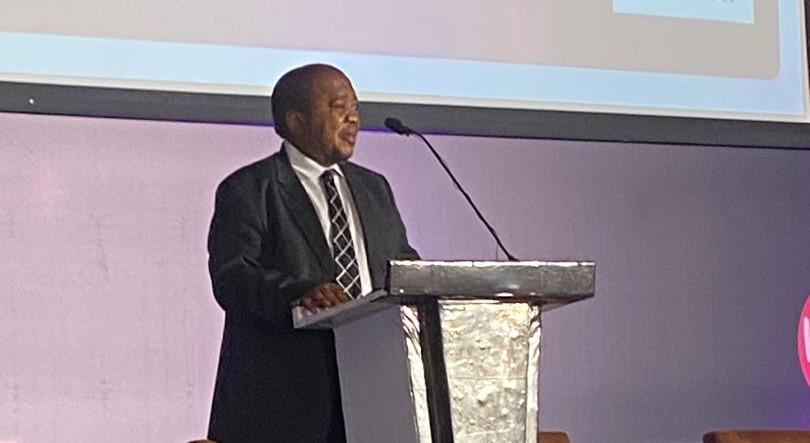
The Acting High Commissioner of the South African High Commission, Thando Dalamba
The Acting High Commissioner of the South African High Commission, Thando Dalamba, praised the partnership for promoting inter-African cooperation in healthcare access and delivery.
“Health is not merely a human necessity, but a critical driver of economic and social progress… This launch reflects a shared vision of our two nations to build resilient systems, improve access to quality healthcare, and drive sustainable development,” he said.
Mr Dalamba noted that since the reciprocal visa waiver between Ghana and South Africa took effect in November 2023, Ghanaian arrivals to South Africa, especially for medical and business purposes, have surged by 149%, underscoring growing health-related cooperation between the two countries.
Managing Director of Acacia Health Insurance, Dr. Dan Armooh
Managing Director of Acacia Health Insurance, Dr. Dan Armooh, said the partnership fulfills a long-standing need to provide comprehensive cross-border health coverage for corporate clients.
“We hear you, we understand your needs… The cover we offer is local, and there are huge gaps when our clients travel abroad. Vitality fills that gap with expertise, global reach, and the capacity to provide continuity of care,” he said.
Dr. Armooh expressed confidence that the collaboration would improve patient outcomes and offer clients a broader network of health solutions within and beyond Ghana.
Deputy Director of the Private Health Insurance Services Directorate at the National Health Insurance Authority (NHIA), Dr. Andy Mprah
The Deputy Director of the Private Health Insurance Services Directorate at the National Health Insurance Authority (NHIA), Dr. Andy Mprah, welcomed the initiative and reaffirmed NHIA’s regulatory support.
“We see today not only as a celebration of partnership but also a strategic moment to align innovation with regulation… Private health insurance fills service gaps and enhances access to care,” he noted.
Dr. Mprah stated that NHIA is committed to building an enabling environment that encourages responsible innovation while ensuring financial sustainability and consumer protection.
CEO of Vitality Health International, Emma Knox, described the partnership as the result of shared vision, digital readiness, and alignment in values.
“We pride ourselves on being experts in insurance and behavioural change, but we are not experts in Ghana. That’s why we needed the right partner, and we found that in Acacia and Enterprise,” she said.
She stated that Vitality’s global experience in behaviour-led wellness programs will enhance healthcare delivery in Ghana, improve outcomes, and help shape a more resilient insurance market.
The launch signals a new direction in Ghana’s private health insurance sector—one where wellness, data, digital tools, and international expertise converge to meet the evolving demands of clients.
As Africa’s health financing landscape continues to transform, the partnership between Vitality and Acacia could become a model for future collaborations, putting the continent on a path toward more inclusive, proactive, and sustainable healthcare systems.
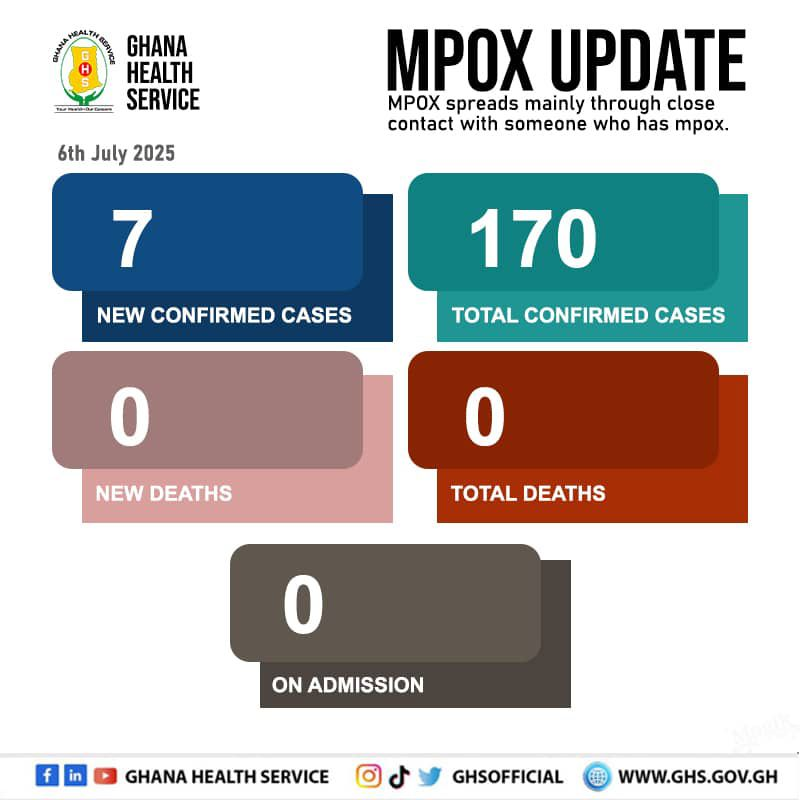
Ghana has recorded seven new cases of Mpox as of July 6, pushing the country’s total confirmed infections to 170, according to the latest update from the Ghana Health Service (GHS).
This comes on the heels of 30 cases reported on June 30, marking a steady but noticeable rise over the past week.
Despite the uptick, health authorities maintain that the outbreak remains under control, with no new hospitalisations or fatalities recorded.
Mpox, formerly known as monkeypox, is a viral illness that spreads mainly through close physical contact with infected individuals. It typically presents with fever, body aches, swollen lymph nodes, and a distinctive rash. While many cases are mild, the virus can pose serious health risks if not treated promptly.
In response to the growing case, the GHS is reinforcing its public health message, urging Ghanaians to stay vigilant and strictly observe preventive measures.
These include avoiding close contact with anyone showing signs of a rash, washing hands frequently and thoroughly, and seeking immediate medical attention at the first sign of symptoms.
Health officials continue to highlight the importance of early detection and swift reporting in containing the spread.
The GHS has reaffirmed its commitment to aggressive surveillance, timely intervention, and community engagement to limit transmission.
With total cases now at 170, the GHS is calling on all citizens to remain alert, comply with safety protocols, and support collective efforts to protect public health across the country
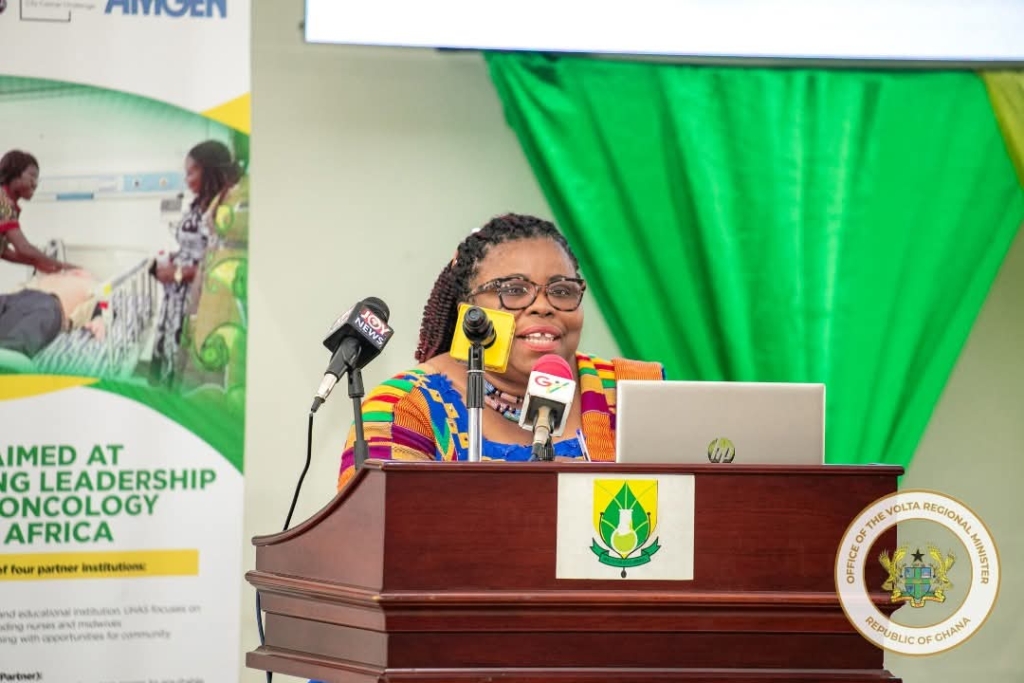
The Oncology Nurse Leadership Programme (ONLEP) was officially launched at the University of Health and Allied Sciences (UHAS) on Monday, July 7, 2025.
The programme, the first of its kind in Africa, is set to revolutionise cancer care across the continent by equipping nurses with leadership, clinical, and advocacy skills.
Addressing the launch, the Volta Regional Minister, James Gunu, underscored the growing urgency of cancer care in Ghana, citing that over 27,000 new cases were recorded in 2022, resulting in nearly 18,000 deaths.
“Prostate cancer alone accounts for 16.9% of cancer cases in the Volta Region,” he said, adding that the health system is also burdened by emotional trauma in patients, with depression and anxiety being common but often unsupported.
The Oncology Nurse Leadership Programme is a five-year initiative co-developed by UHAS, the International Society of Nurses in Cancer Care (ISNCC), City Cancer Challenge Foundation (C/Can), and Amgen.
The first cohort of 30 students drawn from seven African countries—Ghana, Nigeria, Malawi, Rwanda, South Africa, Kenya, and Gambia has commenced a two-week in-person training at UHAS, after which they will continue with online sessions for six months.
Mr Gunu praised the programme for aligning with Ghana’s 2025 budget priorities, which include expanding access to cancer treatment, building human capital, and strengthening health systems.
“This programme is emerging at a critical moment when Ghana is demonstrating a clear commitment to non-communicable disease care through the Medical Care Trust Fund and expansion of free primary healthcare,” he noted.
The ONLEP is designed to empower oncology nurses with leadership development skills, promote clinical excellence, support research, and integrate psychosocial care into treatment frameworks. It includes modules such as psycho-oncology, financial management, quality assurance, and advocacy. Participants will graduate with a postgraduate certificate recognised across Africa and globally.
The Vice-Chancellor of UHAS and Project Lead, Professor Lydia Aziato, stated that UHAS was proud to host the inaugural programme and envisions becoming a hub for nurse leadership training on the continent.
“The ONLEP is a catalyst for releasing this dream,” she stated.
Her sentiments were echoed by the President of ISNCC, Prof. Winnie So, who emphasised the programme’s importance in strengthening nurses’ roles in prevention, treatment, and palliative care.
According to the Global Programme Manager at C/Can, Martha L. Ordóñez, investing in nurses is central to sustainable change.
“By empowering oncology nurses with tools to lead, advocate and innovate, we strengthen cancer care across the African continent,” she said.
Participants in the first cohort expressed excitement over the programme’s potential to create connections and drive change in their countries.
“This programme is more than just a learning experience; it’s a bridge connecting nurses from diverse backgrounds, empowering us to share our stories and learn from each other,” said Ejiaku Tochukwu Chiamaka, Cohort 1 Lead from Abuja, Nigeria.
The Executive Director for Access to Healthcare at Amgen, Sean Lybrand, said supporting the ONLEP fits into the company’s global commitment to quality healthcare learning.
“Improving oncology nurse training in low-resource settings will lead to better health outcomes,” he noted.
As the first cohort goes through a packed schedule of lectures, presentations, and role-plays at UHAS, expectations are high that the training will create a new generation of nurse-leaders capable of confronting Africa’s cancer burden with innovation and compassion.
The ONLEP also seeks to fill a critical gap in mental health support for cancer patients, which is often overlooked in resource-constrained settings. Ho Teaching Hospital, the region’s main referral centre, still depends largely on relatives and spiritual guides for emotional care, as mental health professionals remain scarce.
He further pledged support for the programme through regional coordination, stakeholder engagement, and advocacy for sustainable resourcing of oncology nursing.
“To the nurse-leaders starting ONLEP today: lead with clinical excellence, compassion, resilience, and courage. You are at the forefront of transformative change,” he added.
The programme is structured to train 240 nurses over five years: 30 in the first year, followed by 60 each in the second, third, and fourth years, and another 30 in the fifth year. Each phase includes monitoring, evaluation, research, and stakeholder meetings. Successful participants are expected to complete a leadership project and receive a postgraduate certificate from UHAS.
The broader goal, according to organisers, is to foster a community of oncology nurse-leaders who will be champions of cancer care improvement in their home countries and beyond. It is a timely intervention, especially in the Volta Region, which, despite advancements in e-health and real-time biosurveillance, still lacks sufficient trained oncology nurses.
As the event concluded with tributes to all partners, including ISNCC, C/Can, UHAS and Amgen, stakeholders reiterated their shared vision: building a resilient healthcare workforce led by nurses who do not just treat, but lead and advocate for holistic cancer care.
“With your leadership, strong partnerships and commitment,” Hon. Gunu said, “we can shift the cancer care trajectory not just for Volta, but for Ghana and all of Africa.”
For years, pregnant women in Seinua and nearby communities have faced the challenge of walking or travelling long distances to the nearest health facility, risking their lives and that of their unborn babies.
Residents of the rural community, especially pregnant women, will no longer have to endure the stress of travelling several kilometres on deplorable roads to Goaso and Asumura to access healthcare.
The Chief of Seinua, Nana Agyemang Duah Katakyie lll, with support from his subchiefs based in the United States of America, has commissioned a fully furnished maternity block to bring essential healthcare right to the doorstep of his people.
The maternity block has a scanning ward, store and consulting rooms, kids wards, a laboratory, adolescent corner, wellness clinic, labour wards, and wash rooms, among other units.
The new facility also comes with modern delivery beds, recovery rooms, and essential medical equipment aimed at improving maternal and newborn care.
Healthcare workers say the facility will not only reduce maternal and infant mortality but also encourage regular antenatal visits.
Dr Carmen-Ward Sullivan of the Samuel Merritt Nursing University in California in the USA, who is also the Development Queenmother of Seinua, in her address, said the commissioning of the first ever maternity block is a historic monument for the people.
According to her, other members of the team in the United States of America share the joy with residents of Seinua and the luxury of being part of the transformative achievement.
“This clinic is a place where mothers will be cared for with dignity, and the community’s future generations will be welcomed to the world in safety and in love,” she emphasised.
Dr Carmen-Ward Sullivan, also with the stool name Nana Ama Manu, noted that the commissioning brings them joy to contribute to the realisation of a facility that will nurture life, hope and health in Seinua.
The Development Queenmother expressed optimism that the maternity block will be an avenue of joy, unity and respect among residents, healthcare workers and patients.
Nana Agyemang Duah Katakyie III, the Chief of Seinua, very elated, expressed gratitude to his subchiefs based in the United States of America for throwing their support behind the construction and furnishing of the maternity block.
“I witnessed the stress my people, especially pregnant women, pass through to access healthcare in very distant venues. I consulted my subchiefs abroad, and they heeded to my appeal to support the establishment of this facility,” he stated.
The Chief urged healthcare workers posted to the maternity block to embark on routine maintenance of the facility to ensure it is in good condition always.
Dr Kwadwo Ansong, the Asunafo South District Director of Ghana Health Service, who received the facility, expressed gratitude to Nana Agyemang Duah Katakyie III and his subchiefs, who are Americans, for their contribution to healthcare delivery in the area.
He promised to post committed and experimental healthcare givers to enhance the smooth operation of the maternity block, indicating that “regular maintenance of the facility will be our priority”.
The Ahafo Regional Minister, Charity Gardiner, for her contributions to the project, promised to enrol residents of Seinua onto the National Health Insurance Scheme for free adding that a healthy community is a wealthy community.”
Adjoa Yeboah, a pregnant woman in Seinua, expressed joy for the realisation of the health facility adding that “we will no longer travel to Goaso and Asumura to attend antenatal and also give birth”.
The people of Seinua are hopeful that this new maternity block will not only improve access to healthcare but also help build a healthier future for mothers and babies in the area.
The Ghana Chamber of Private Medical Groups, also known as the Chamber of Health, has paid a courtesy call on the Minister of Health, Kwabena Mintah Akandoh.
The move according to the association is to reaffirm its commitment to championing the cause of the private health sector and to explore avenues for deeper collaboration with government.
Speaking at during the meeting at the Ministry of Health on Wednesday, July 9, president of the association, Dr Andre Kwasi Kumah highlighted the critical role of private health providers in the national healthcare ecosystem and appealed for a more conducive environment for private sector participation.
“We wanted to pay a courtesy call on the Honourable Minister to let him know that there is a private grouping like this, championing the course of the private sector,” Dr Kumah stated.
“The government knows the support that we need, lower taxes, lower import levies, reduced utility charges and so on. These factors drive up operational costs, yet health is a basic necessity that must be delivered to Ghanaians at the most affordable rate possible,” he noted.
He further emphasised the Chamber’s readiness to work with the Ministry to reduce healthcare delivery costs, including by employing idle health workers currently at home.
“Even if it is paying 50% of salaries, we can find a permanent arrangement for some of these nurses and health professionals. This way, they remain engaged and skilled while awaiting formal government recruitment,” Dr Kumah added.
Touching on the government’s Agenda 111 initiative, Dr Kumah proposed a Public-Private Partnership (PPP) model to operationalise uncompleted health facilities under the project.
“This would allow government to save much-needed revenue, while we help expand access to care,” he noted.
Responding to the Chamber’s proposals, Minister Kwabena Mintah Akandoh welcomed the engagement and called for unity within the private health sector to ensure constructive collaboration.
“It becomes very difficult if we are experiencing fractions in a front that is supposed to be united,” he cautioned.
“I would be exceedingly happy if you have a united front, so we can effectively include you in key policy frameworks like Free Primary Health Care and the ‘Mahama Cares’ programme,” he said.
Minister Akandoh also reiterated the government’s commitment to transforming Ghana into a pharmaceutical manufacturing hub in the region.
He lamented the continued importation of basic hospital equipment, urging local production of items like drip stands and adjustable hospital beds.
He also stressed on the importance of fair pricing in the delivery of healthcare services.
“The fact that we can collaborate to support recruitment of health professionals is not far-fetched,” he assured. “But government’s support must be reflected in your pricing. Ghanaians must benefit from the partnership, so fees at private facilities should mirror the support you receive.”
He further reinforced President Mahama’s stance that PPPs will form a key component of the Agenda 111 policy moving forward.
“Once the audit is complete, we will engage all stakeholders. Whoever is interested, the doors are open we are ready to listen and partner meaningfully,” the Minister concluded.
This week, a kind couple gifted me a paper bag full of oranges freshly picked from their backyard, a simple gesture that inspired this article. Oranges are back in season and are making their presence felt in local markets and roadside stalls across the country.
Thanks to their seasonal abundance, prices are currently more favourable (though this may vary depending on your location), making it a great time to nourish your body with their goodness. In this article, we make a case for why oranges deserve a regular spot on your weekly market list while it is in season.
Nutrients in Oranges
Oranges are abundant in several vital nutrients:
Vitamins: Oranges are especially rich in vitamin C, which supports immune function, promotes skin health, and enhances iron absorption. They also provide small amounts of vitamin A, B-complex vitamins like thiamine and folate, and vitamin E.
Minerals: Oranges contain potassium, a heart-healthy mineral that supports blood pressure regulation. They also provide small amounts of calcium, magnesium, and phosphorus, which support bone and nerve function.
Fibre: Helps improve digestion, regulate blood sugar, lower cholesterol, potentially reducing the risk of heart disease and colorectal cancer
Oranges and Immune Support
Oranges are synonymous with immune health thanks to their high vitamin C content. This vitamin supports the production and function of white blood cells, helping the body fend off infections and recover faster from illnesses. This makes oranges particularly beneficial during this relatively cold season.
High dietary fibre and water content
A medium-sized orange (about 130g) contains approximately 3 grams of dietary fibre, particularly soluble fibre which plays many helpful roles in the body. With over 85% water content, oranges also contribute significantly to hydration. Thanks to this same high fibre and water content, oranges can help increase satiety and reduce cravings for people watching their weight. They are also naturally low in calories, (about 60-65 kcal per medium fruit) yet they are satisfying enough to keep you full in between meals.
Presence of Antioxidants and Plant Compounds
Oranges are loaded with flavonoids, especially hesperidin and naringenin, which are known for their anti-inflammatory, antioxidant, and heart-protective properties. These compounds play important roles in reducing the risk of chronic diseases such as heart disease, diabetes, and even certain cancers.
What about orange juice?
Up until this point, we have focused on the orange itself, the whole fruit in its natural, unprocessed form, and not its juice. Whether freshly squeezed at home or bought off the shelf, orange juice remains a popular choice for many; however it is important to understand that eating the whole fruit offers significantly more health benefits.
Whole oranges are rich in the nutrients outlined above. The fibre especially, helps to slow down the absorption of sugar into the bloodstream, supports healthy digestion, and keeps you feeling fuller for longer. In contrast, orange juice, even when freshly squeezed, contains little to no fibre. Without fibre, the natural sugars in oranges are absorbed more quickly, which can lead to a sharper rise in blood sugar levels. For people managing their weight, diabetes, or insulin resistance, this is a crucial distinction. Moreover, when we eat whole oranges, we are less likely to overconsume. It might take two or three oranges to make one glass of juice, and while it’s easy to drink a glass in seconds, eating that many whole fruits takes more time and leaves you more satisfied. That natural portion control is lost when fruit is juiced.
Also, commercially produced orange juices often undergo processes which may reduce some of the vitamin C content, and many manufacturers often add sugar or sweeteners to enhance flavour. This somewhat defeats much of the purpose of choosing it as a nutritious option in the first place. So, while a glass of orange juice now and then can be refreshing, especially when it’s freshly squeezed with no added sugar, the real nutritional benefits lies in the whole orange. For maximum benefit, peel, slice, bite, chew, slurp, nibble and suck your oranges the old-fashioned way, as you like it.
In Summary
I am grateful to my friends for their thoughtful gift of fresh oranges. From supporting immunity and promoting heart health to aiding digestion and maintaining hydration, oranges offer excellent value for their cost. With the fruit now in season, this is an ideal time to enjoy them at their freshest- and often most affordable. By all means do take advantage of the opportunity to make the most of them this season.
Written by Dr. Laurene Boateng (PhD, RD) Dr. Laurene Boateng is a Registered Dietitian and Senior Lecturer in the Department of Dietetics, University of Ghana. She is the founder and editor-in-chief of Full Proof Nutrition, a Nutrition Consultancy committed to providing reliable, evidence-based, and practical healthy eating advice through its website www.fullproofnutrition.com. Click here to join Full Proof Nutrition WhatsApp channel to receive more educative content. Send us a mail on fullproofnutrition@gmail.com
References
Abakpa, G. O., & Adenaike, O. (2021). Antioxidant compounds and health benefits of citrus fruits. European journal of nutrition & food safety, 13(2), 65-74.