Rokmer Pharma Ltd

admin

terms and conditions for using Rokmer Pharma’s website

Minority Caucus demands urgent answers over alarming Covid-19 surge at UG

Minority Caucus demands urgent answers over alarming Covid-19 surge at UG

The Minority on Friday raised a red flag over a disturbing rise in COVID-19 cases at the University of Ghana, Legon.

It warned that government’s silence could trigger a full-blown health crisis if action is not taken immediately.

Describing the situation as “spiralling out of control,” Minority Chief Whip Frank Annoh-Dompreh led the charge, calling on the House to summon the Minister of Health without delay.

He warned that the government’s slow response was breeding fear among students, staff, and residents around the university.

“We don’t want to go through what the country went through some time back,” the Nsawam-Adoagyire MP cautioned.

“Let’s make hay while the sun shines. I place this call right in front of the respected Leader of the House—we need the minister here now to do the needful.”

His plea was backed by Nalerigu/Gambaga MP Nurudeen Muhammed Mumuni, who echoed the urgency of transparency.

“It is a very important issue,” he stressed. “We need the Health Minister to respond and update the country as to whether COVID is back or not.”

The demands come amid growing reports of a fresh wave of coronavirus infections on the Legon campus, raising alarm in a country that had largely returned to post-pandemic normalcy.

Since the World Health Organisation lifted its global health emergency declaration in 2023, Ghana has relaxed restrictions, reopened schools and borders, and resumed social gatherings.

But the recent spike at the nation’s top university is shaking confidence, and the Minority isn’t waiting for a repeat of the 2020 nightmare.

They accuse the government of dragging its feet and failing to communicate with the public.

“The silence is dangerous,” a Minority source told reporters. “We need to know what the Ministry is doing to contain the spread and protect lives.”

With growing uncertainty and a nervous student population, the Minority says it is time to act, before it’s too late.

terms and conditions for using Rokmer Pharma’s website

Breathe Easier with Better Nutrition – Eating to Fight Respiratory Infections

Breathe Easier with Better Nutrition - Eating to Fight Respiratory Infections

The arrival of the rains and relatively cold weather often signals the start of flu season, bringing with it a rise in coughs, cold, and other respiratory problems. There are even reports of the resurgence of COVID-19, is making rounds in the media. The focus is once again on practical steps to protect public health. While wearing masks, maintaining physical distancing, and improving ventilation remain essential, the role of good nutrition in supporting the immune system cannot be overlooked. In this article, we explore how a balanced diet can help the body defend itself against infectious respiratory diseases including colds, flu and COVID-19, and what this means for individuals and families seeking to stay healthy in the current climate.

Understanding The Immune System

The immune system is your body’s natural defence against infections. It is a complex network of cells, tissues, and organs that work together to detect and destroy harmful invaders like bacteria, viruses, and parasites. When this system is strong and balanced, it can fight off most infections efficiently and speed up recovery. However, when it is weakened due to poor nutrition, stress, or chronic illness the risk of prolonged or severe infections increases. Good nutrition supports:

  • Immune cell production and function
  • Wound healing and tissue repair
  • Antioxidant defence against inflammation
  • Energy for fever, coughing, or other symptoms

Key Nutrients for Fighting Infections

  • Protein: This is essential for the production of immune cells and antibodies. During infections, protein needs increase. Eggs, poultry, fish, beans of all kinds, dairy, and lean meats are sources of protein.
  • Vitamin C: This enhances immune cell function and acts as an antioxidant, reducing inflammation caused by infections. Sources of vitamin C are; oranges, bell peppers, pawpaw (papaya), tomatoes, guava, and strawberries.
  • Zinc: It helps the immune system function properly and is involved in wound healing and fighting viral infections. Sources of zinc are meat, shellfish, beans, seeds, whole grains and groundnuts.
  • Vitamin A: It maintains the integrity of the skin and mucous membranes which are the body’s first line of defence. Carrots, sweet potatoes, dark leafy greens, mangoes, eggs, and liver are good sources of vitamin A.
  • Fluids and Electrolytes: Hydration is crucial, especially during fever or diarrhoea. It helps flush out toxins and supports all body functions. You can get this from drinking water, coconut water, clear broths, herbal teas, fresh fruit juices
  • Healthy Fats: Good fats help absorb fat-soluble vitamins (A, D, E, K) and provide energy during times of poor appetite. Sources of healthy fats are avocados, nuts, seeds, olive oil, coconut water, palm oil in moderation.

Nutrition considerations when fighting an infection

When your body is fighting an infection, what you eat can make a big difference in how quickly you recover. It is best to limit sugary foods and drinks, as they may weaken your immune response. Highly processed snacks often lack the nutrients your body needs and may contain ingredients that promote inflammation. Alcohol and too much caffeine can also contribute to dehydration and lower your body’s ability to fight illness. If you have a poor appetite, which is common during illness, try eating small, frequent meals. Nutrient-rich options like smoothies, soups, and porridges are often easier to tolerate, and you can boost their energy content with ingredients like nut butter, eggs, or milk. If eating is too difficult, focus on staying hydrated until your appetite returns. Once you start to feel better, continue paying attention to your nutrition. Eating well after an infection helps to rebuild nutrient stores, repair body tissues, and restore any weight or strength you may have lost.

In summary

Good nutrition though not a substitute for medication can certainly support the immune system before, during, and after respiratory infections. Whether you are battling the flu, a cold or COVID-19, a nourishing balanced diet with a focus on the key nutrients discussed is one of your best tools for a quicker and stronger recovery. If you are dealing with a chronic infection or are unsure what to eat while sick, speak with a registered dietitian for a personalized nutrition plan.

Click here to join Full Proof Nutrition WhatsApp channel to receive more educative content. Send us a mail on fullproofnutrition@gmail.com

Written by Dr. Laurene Boateng (PhD, RD)
Dr. Laurene Boateng is a Registered Dietitian and Senior Lecturer in the Department of Dietetics, University of Ghana. She is the founder and editor-in-chief of Full Proof Nutrition, a website committed to providing reliable, evidence-based, and practical healthy eating advice. Click here to join Full Proof Nutrition WhatsApp channel and send us a mail at fullproofnutrition@gmail.com.

References

  1. Calder, P. C. (2020). Nutrition, immunity and COVID-19. BMJ nutrition, prevention & health, 3(1), 74.

terms and conditions for using Rokmer Pharma’s website

OmniBSIC Bank promotes wellness with Health Walk in Accra

OmniBSIC Bank promotes wellness with Health Walk in Accra

OmniBSIC Bank successfully hosted a vibrant health walk this morning at the University of Ghana Sports Stadium, encouraging participants to embrace an active lifestyle.

It was under the theme “Better Health Starts Here.”

OmniBSIC Bank promotes wellness with Health Walk in Accra

The event kicked off promptly at 5:30 AM, attracting fitness enthusiasts, bank staff, and community members dressed in sporty attire.

OmniBSIC Bank promotes wellness with Health Walk in Accra

The walk aimed to promote physical well-being while fostering community engagement.

OmniBSIC Bank promotes wellness with Health Walk in Accra

Attendees enjoyed a refreshing route starting from around the stadium and then outside the campus, with the bank providing hydration stations and health tips along the way.

OmniBSIC Bank promotes wellness with Health Walk in Accra

terms and conditions for using Rokmer Pharma’s website

Food Safety: Veterinary Services raises alarm over unsafe food handling

Food Safety: Veterinary Services raises alarm over unsafe food handling

As part of activities to mark World Food Safety Awareness Day, the Veterinary Services Directorate of Ghana organised a food safety awareness float.

The initiative aimed to educate the public, especially food vendors and consumers, on the critical importance of food safety practices.

Some individuals also shared their thoughts on where they get their food and how they ensure it’s safe to eat.

As the pressure to survive grows, so does the temptation to cut corners. But experts warn – one sick bird, one unsafe choice, could be the beginning of an outbreak.

JoyNews’ Anne Dasse has more in the following report.

terms and conditions for using Rokmer Pharma’s website

Ho Teaching Hospital welcomes new CEO and Governing Board to drive reforms

Ho Teaching Hospital welcomes new CEO and Governing Board to drive reforms

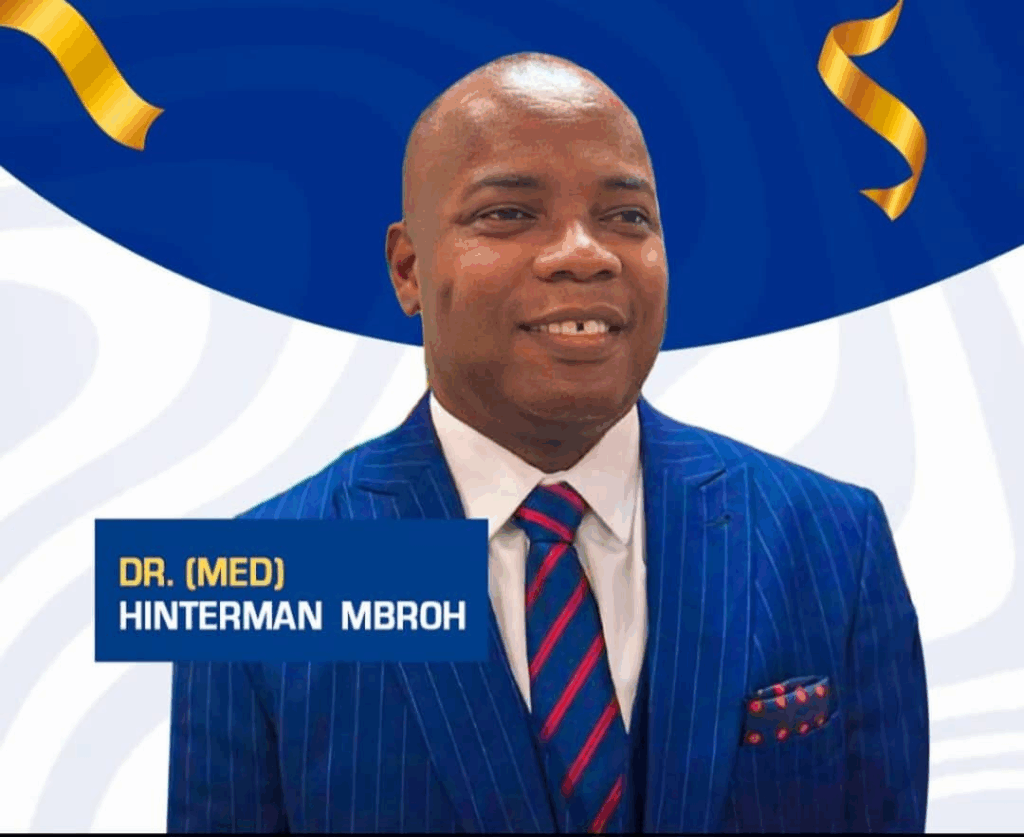
The Ministry of Health has officially inaugurated Dr (Med) Hintermann K. K. Mbroh as the new Chief Executive Officer (CEO) of Ho Teaching Hospital, along with an eleven-member Governing Board mandated to enhance the hospital’s governance and strategic direction.

The inauguration ceremony took place on 16 June 2025 in Accra, with senior Ministry officials in attendance.

Dr Mbroh, an experienced medical professional with a strong background in clinical practice, hospital management, and healthcare systems development, assumes leadership with a vision to drive operational efficiency, innovation, and institutional growth.

“I am honoured to be entrusted with this role,” Dr Mbroh said. “Ho Teaching Hospital plays a vital role in Ghana’s healthcare system, and I am committed to advancing its mission through strategic leadership, innovation, and a patient-centred approach.”

He also underscored his commitment to the hospital’s core values—commitment, accountability, dedication, innovation, professionalism, integrity, teamwork, and safe care—as essential principles to guide institutional transformation.

Ho Teaching Hospital welcomes new CEO and Governing Board to drive reforms

The new Governing Board is chaired by Dr Delanyo Yao Tsidi Dovlo and includes professionals from diverse fields such as medicine, academia, law, and finance. The board is expected to provide robust oversight and policy direction in line with the Ministry of Health’s broader healthcare agenda.

The Ministry commended the outgoing leadership for their service and reaffirmed its commitment to supporting Ho Teaching Hospital with the resources required to thrive as a centre of clinical excellence, medical training, and research.

With new leadership in place, expectations are high for reforms that will improve patient care, expand training capacity, and solidify the hospital’s position as a cornerstone of Ghana’s healthcare delivery system.

terms and conditions for using Rokmer Pharma’s website

UK pledges £1.25bn to Gavi to vaccinate 500 million children, including in Ghana

UK pledges £1.25bn to Gavi to vaccinate 500 million children, including in Ghana

Millions of children across the globe, including in Ghana, are set to receive life-saving vaccines against some of the world’s deadliest diseases, following a £1.25 billion pledge by the United Kingdom to Gavi, the Vaccine Alliance.

The announcement was made by UK Foreign Secretary David Lammy at Gavi’s Global Summit in Brussels.

This major commitment extends the UK’s 25-year partnership with Gavi—one that has already vaccinated over 1 billion children, saved more than 18 million lives, and generated $250 billion in economic benefits through reduced mortality and disability since its inception in 2000.

The new funding will support Gavi’s mission to protect up to 500 million children between 2026 and 2030, and save up to 8 million more lives.

The ripple effect also reaches the UK economy, boosting local industries through partnerships with companies like GSK, which employs around 14,000 people in the UK.

Lammy hailed Gavi’s global impact, saying: “Over 1 billion children vaccinated, over 18 million lives saved, over $250 billion injected into the global economy.

“I’m immensely proud of the role the UK has played. Our ongoing partnership with Gavi will give millions of children a better start, save lives, and protect us all from the spread of deadly diseases.”

Gavi’s influence also strengthens the UK’s health security by preventing infectious diseases from reaching its borders, relieving pressure on hospitals and preparing the NHS for future challenges.

Minister for Development Jenny Chapman emphasised the strategic value of the UK-Gavi partnership:

“Our modern approach to development means focusing on where we can have the biggest impact. Our partnership with Gavi saves lives, supports UK jobs, and showcases British innovation on the global stage.”

Earlier in the week, Chapman visited GSK’s research hub in Stevenage with Gavi CEO Dr. Sania Nishtar, discussing cutting-edge vaccine research, including new malaria and TB vaccines.

Dr. Nishtar praised the UK’s continued leadership in global health: “The United Kingdom is one of Gavi’s longest and most committed partners.

This pledge reaffirms its status as a leader in global health, leveraging British science and innovation to save lives and fight outbreaks.”

With 56 countries and over 60 organisations now supporting Gavi—and with former recipients like India and Indonesia becoming donors—the UK’s renewed investment underscores its global health leadership and deepens its legacy in safeguarding future generations.

Yaw Frimpong Aforo Appointed Head of Administration and Finance at Rokmer Pharma Ltd

Yaw Frimpong Aforo Appointed Head of Administration and Finance at Rokmer Pharma Ltd

FOR IMMEDIATE RELEASE | Rokmer Pharma Ltd is pleased to announce the appointment of Mr. Yaw Frimpong Aforo as Head of...

terms and conditions for using Rokmer Pharma’s website

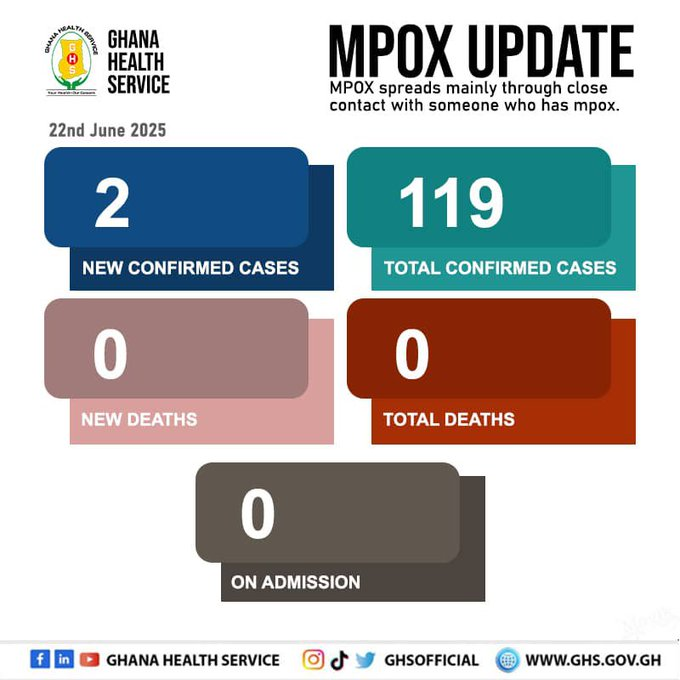
Ghana records two new Mpox cases, total now 119

Ghana records two new Mpox cases, total now 119

The Ghana Health Service (GHS) has confirmed two additional cases of Mpox, bringing the country’s total to 119 as of June 22.

In its latest update, the GHS indicated that no new deaths have been recorded, with the overall death toll remaining at zero.

Additionally, there are currently no patients hospitalised with the disease.

Mpox, formerly known as monkeypox, is primarily transmitted through close contact with infected individuals.

Health officials are urging the public to continue observing preventive measures and to seek prompt medical attention if they experience symptoms.

The GHS reaffirmed its commitment to closely monitoring the situation and implementing the necessary interventions to curb the spread of the disease.

Ghana records two new Mpox cases, total now 119

terms and conditions for using Rokmer Pharma’s website

GRNMA scribe slams ‘same gimmicks’ that sparked strike action

GRNMA scribe slams ‘same gimmicks’ that sparked strike action

The Ghana Registered Nurses and Midwives Association (GRNMA) has expressed deep disappointment over the postponement of a crucial meeting with the Parliamentary Select Committee on Health—calling it a blatant reprise of the “same gimmicks” that previously provoked a nationwide strike action.

Originally scheduled for June 26, the meeting was unilaterally rescheduled to July 10, a move the association says risks delaying the implementation of agreed demands and could prompt a renewed strike action.

According to Parliamentary Services, the postponement was due to the unavailability of key stakeholders.

The GRNMA described the rescheduling as being done “in bad faith,” warning that it could further stall critical progress.

Speaking on JoyNews’ Desk programme, GRNMA Secretary David Tenkorang explained that the Association agreed to meet with officials out of respect and courtesy, and thanked them for their intervention in the ongoing dispute.

“I just want to bring to the fore that we agreed to attend upon them out of respect, so it was out of courtesy that we met with them. We thank them for the intervention they made. I think it is all in the interest of Mother Ghana,” he said.

However, Mr. Tenkorang lamented the ongoing “back and forth” between stakeholders that initially led to the strike and emphasized the need for the Finance Minister to fully appreciate the situation’s dynamics, particularly the economic impact of the ten-day strike.

“It is this same back and forth that led us to strike. So, if they want to intervene, they must get the Finance Minister to appreciate the dynamics because during the ten days we stayed out, we knew the economic impact. I’m sure they will assess the economic impact,” he stated.

He further stressed the importance of recognizing the economic implications of the days nurses and midwives were out of service as part of their conditions of service.

“We need to take issues in this country seriously. Thankfully, the Committee is doing everything possible to address the matter. I think that the meeting wasn’t necessary because we tabled something, agreed upon it, and it was later postponed. They should bring this to the attention of the Minister for Finance. We will not accept some of these excuses,” Mr. Tenkorang added.

He also criticized the reasons given for the postponement, highlighting the absence of key officials during critical discussions.

“It is the same gimmicks that led to the strike. Today, you go there and they tell you the Minister for Health is not available, the Minister of Finance is not available. After all, when they met our colleagues, it was the Deputy Minister of Finance who was there, What kind of powers can’t be designated to the Deputy Minister of Finance to act on behalf of the sector Minister? How can you do this to the good people of Ghana?”

He emphasized that these repeated postponements only fuel frustration and threaten the progress made, warning firmly, “This endless cycle of excuses and delays cannot continue.”

terms and conditions for using Rokmer Pharma’s website

UHAS project revives fight against neglected tropical diseases

UHAS project revives fight against neglected tropical diseases

Over the years, there have been concerted efforts to eliminate and manage the aftereffects of neglected tropical diseases globally.

A project launched by the University of Health and Allied Sciences (UHAS) has injected a new spirit into the quest targeted at eliminating neglected tropical disease, Lymphatic Filariasis (LF).

The Lymphatic Filariasis (LF) Morbidity Management Project would be implemented in partnership with Sightsavers International and the Ghana Health Service.

The project would birth an integrated health facility assessment tool to inject hydrocele and lymphoedema services into health care.

It also seeks to identify gaps in financing, workforce, and supply inputs, thereby enhancing primary health care functions.

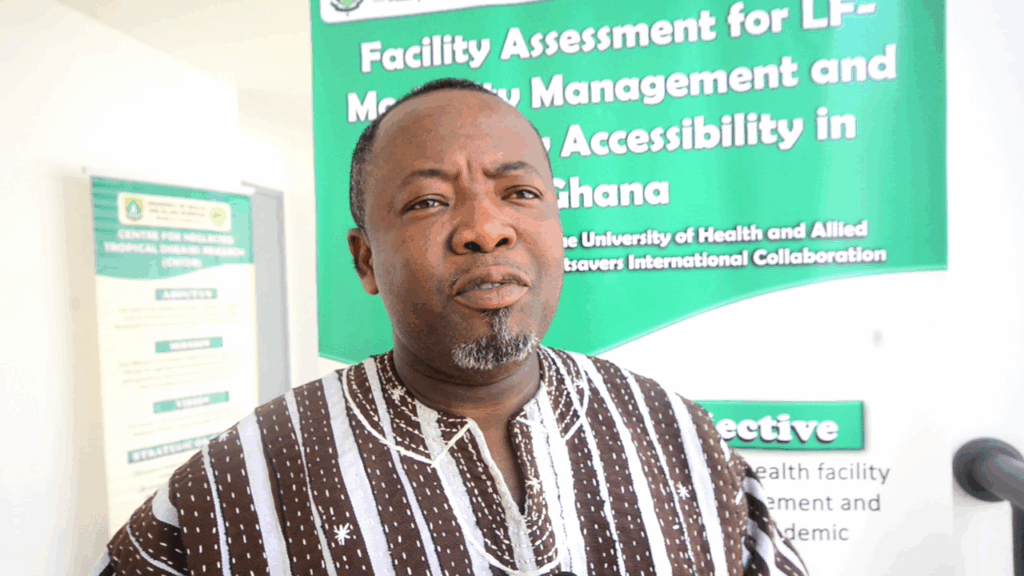
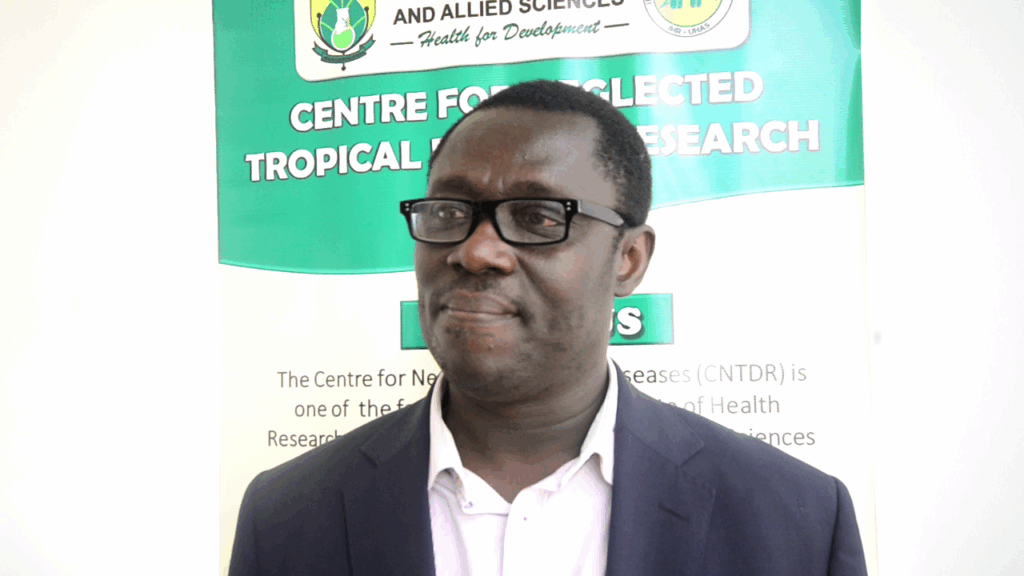
The Director of the Centre for Neglected Tropical Diseases Research of UHAS, Dr Alfred Kwesi Manyeh, explained that the project seeks to develop and integrate LF morbidity management into routine health care.

He added that it would also focus on finding better management modules for the aftermath of the diseases, which is permanent disability, where persons who had suffered the disease suffer swollen legs and become immobile.

UHAS project revives fight against neglected tropical diseases

“Even if the transmission of the disease has been interrupted, the disability is there. We can’t prevent it, except for the hydrocele, where they can conduct surgeries to be able to drain the fluid in the scrotum for them to be free.”

“If they have elephantiasis, that is almost permanent. So, we have to find a way of managing their conditions for them,” he said.

He disclosed that studies would be conducted on managing the mental health of patients with neglected tropical diseases to fight stigma and its associated factors.

“We are having another study that we want to integrate into the management of the disease and the mental health of people who are affected by the disease so that we can provide this holistic service to people who are affected by the disease,” he explained.

The Head of the Institute of Research at UHAS, Prof. Kwame Ohene Buabeng, lamented the ravaging effects of the disease, including societal and health effects.

“This is the condition that we call elephantiasis, which leads to very severe disability, and it is very, very difficult for the individuals who have the problem and their family members. Sometimes, it even comes with some level of stigma.

UHAS project revives fight against neglected tropical diseases

“It is called elephantiasis because the leg then begins to look like an elephant, and there are other complications,” he said.

He believes the initiative under the lead of UHAS, which seeks to enhance the healthcare system in dealing with such neglected diseases, would enhance public health across the globe.

“If we bring in interventions, solutions and medications, which can address it, I think we have gone a long way to solve one of the key healthcare issues in the country, which many people do not really commit resources to, that is why we call it neglected tropical diseases,” Prof Buabeng explained.

The Head of Portfolio, NTD of Sightsavers International, Dr Richard Selby, said his organisation brings on board its expertise in the field of research to help UHAS identify the best modules to achieve the objectives of the project.

He said his institution would play the role in data collection, among other vital details needed to conduct comprehensive and effective research.

He said the details would feed into developing assessment tools for health centres and identifying areas for improving accessibility and treatment capabilities, “demonstrating whether a combined approach is viable for wider uptake. Both in Ghana and within other LF endemic nations, 72 nations.”

Lymphatic Filariasis is a neglected tropical disease affecting about 120 million people worldwide. LF has debilitating effects on humans and leads to morbidity and sometimes irreversible disability.

It is transmitted through mosquito bites.