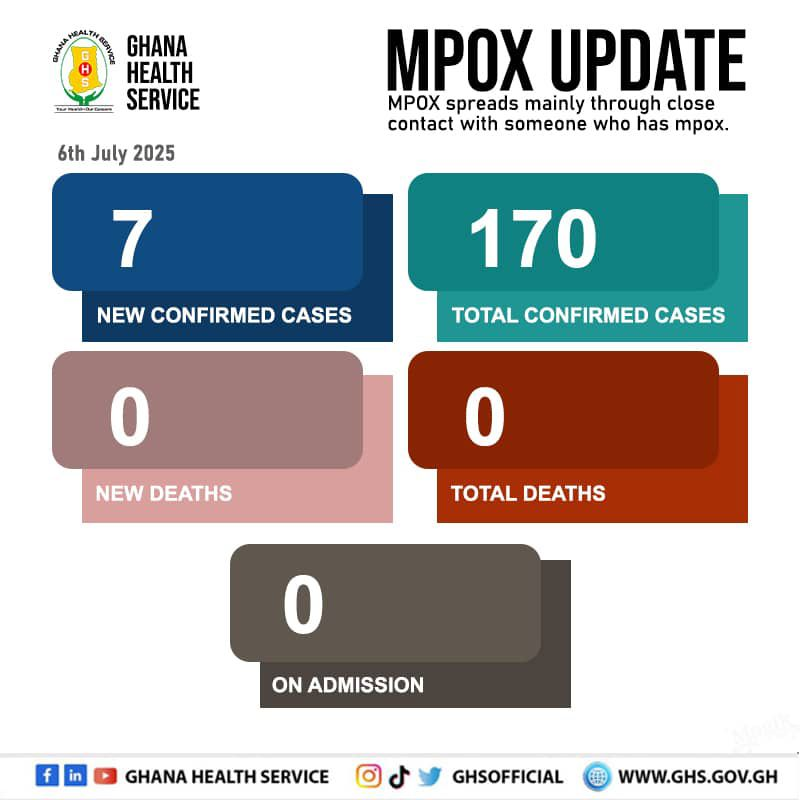
Ghana has recorded seven new cases of Mpox as of July 6, pushing the country’s total confirmed infections to 170, according to the latest update from the Ghana Health Service (GHS).
This comes on the heels of 30 cases reported on June 30, marking a steady but noticeable rise over the past week.
Despite the uptick, health authorities maintain that the outbreak remains under control, with no new hospitalisations or fatalities recorded.
Mpox, formerly known as monkeypox, is a viral illness that spreads mainly through close physical contact with infected individuals. It typically presents with fever, body aches, swollen lymph nodes, and a distinctive rash. While many cases are mild, the virus can pose serious health risks if not treated promptly.
In response to the growing case, the GHS is reinforcing its public health message, urging Ghanaians to stay vigilant and strictly observe preventive measures.
These include avoiding close contact with anyone showing signs of a rash, washing hands frequently and thoroughly, and seeking immediate medical attention at the first sign of symptoms.
Health officials continue to highlight the importance of early detection and swift reporting in containing the spread.
The GHS has reaffirmed its commitment to aggressive surveillance, timely intervention, and community engagement to limit transmission.
With total cases now at 170, the GHS is calling on all citizens to remain alert, comply with safety protocols, and support collective efforts to protect public health across the country
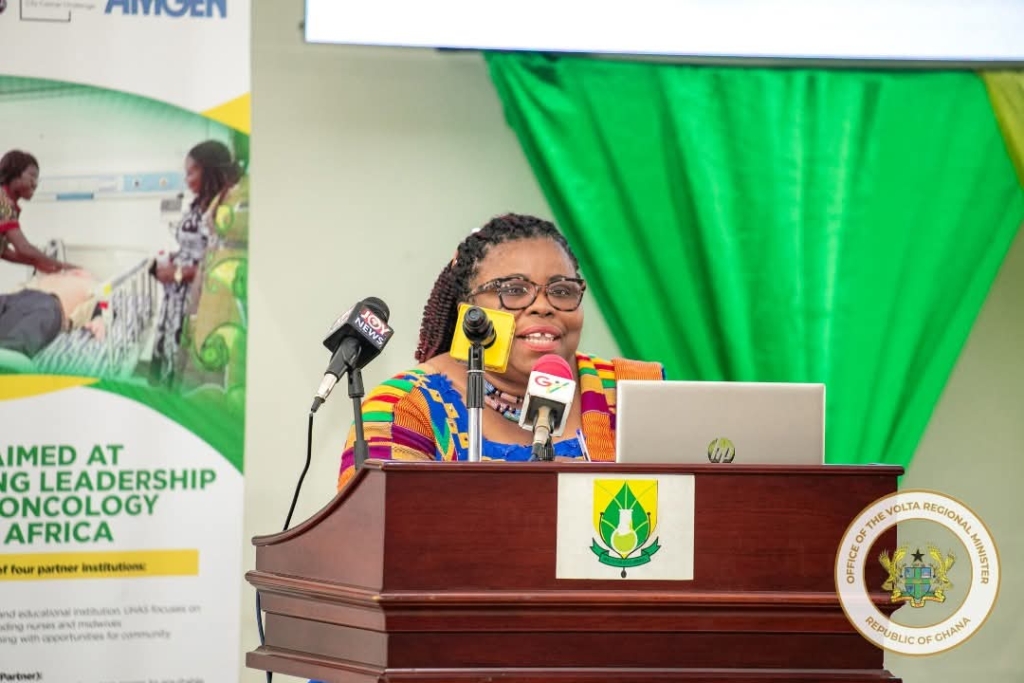
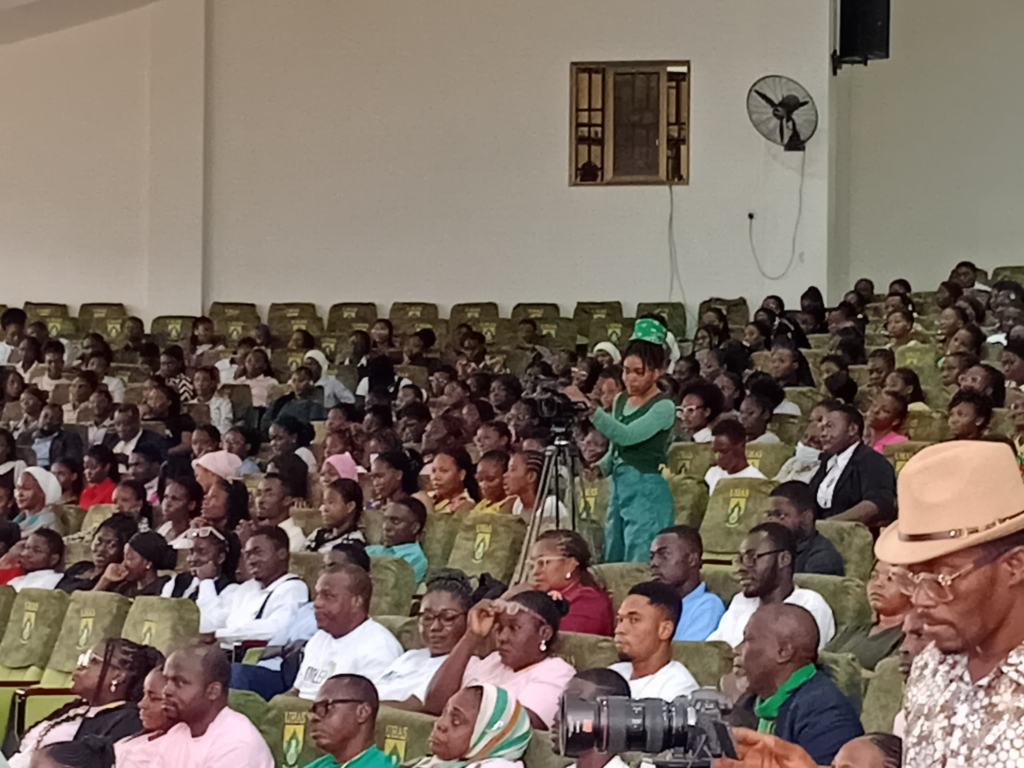
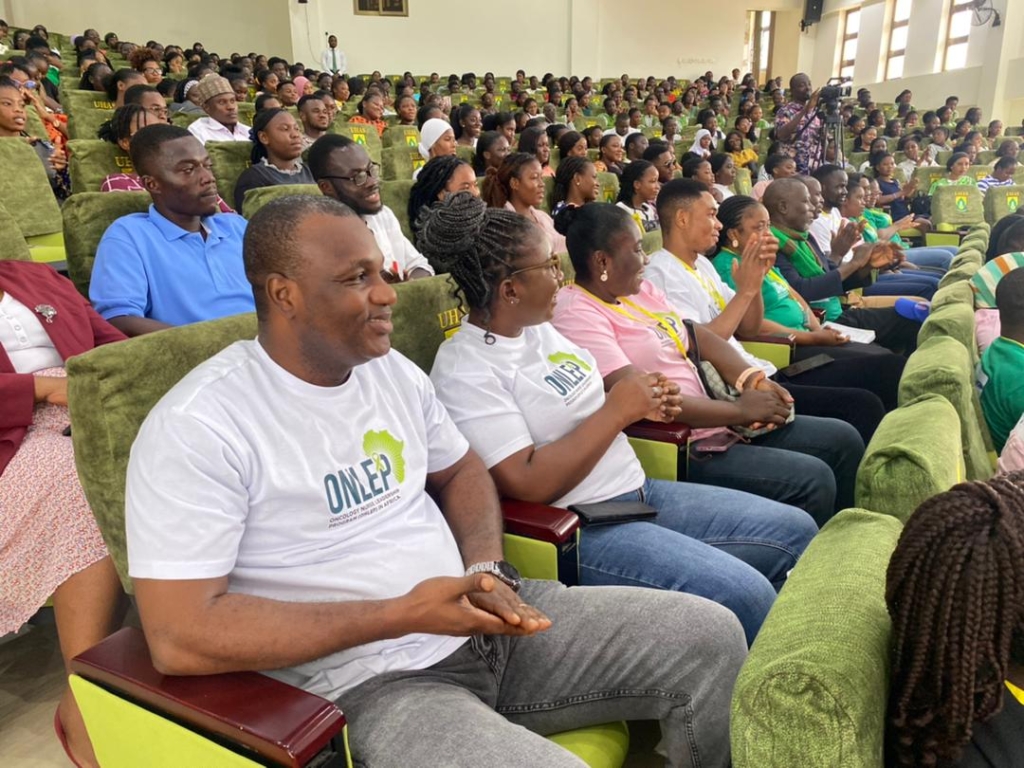
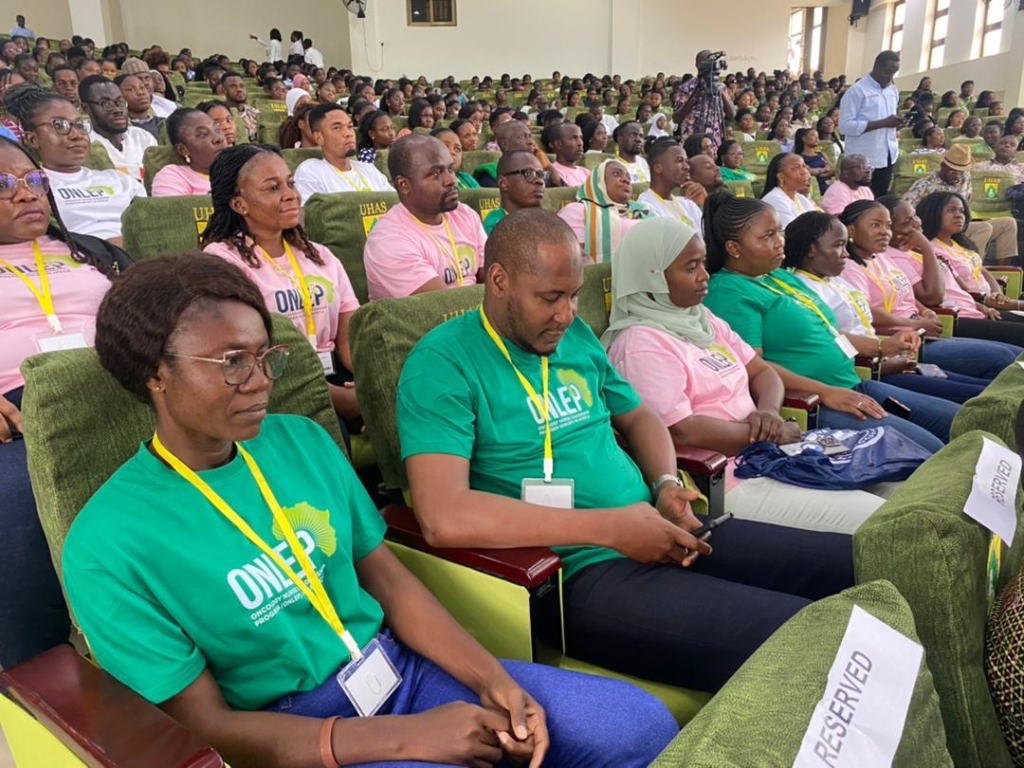
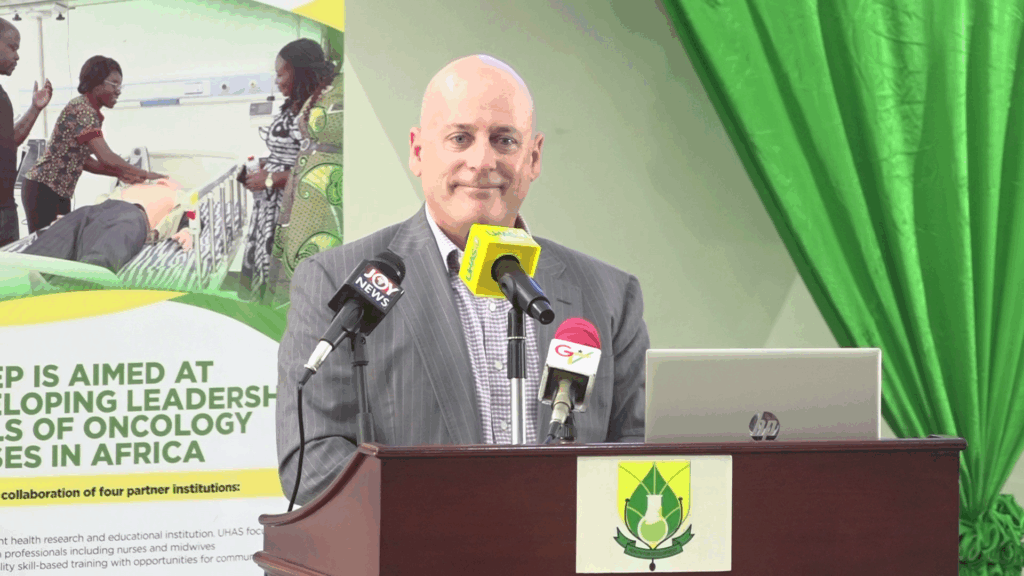
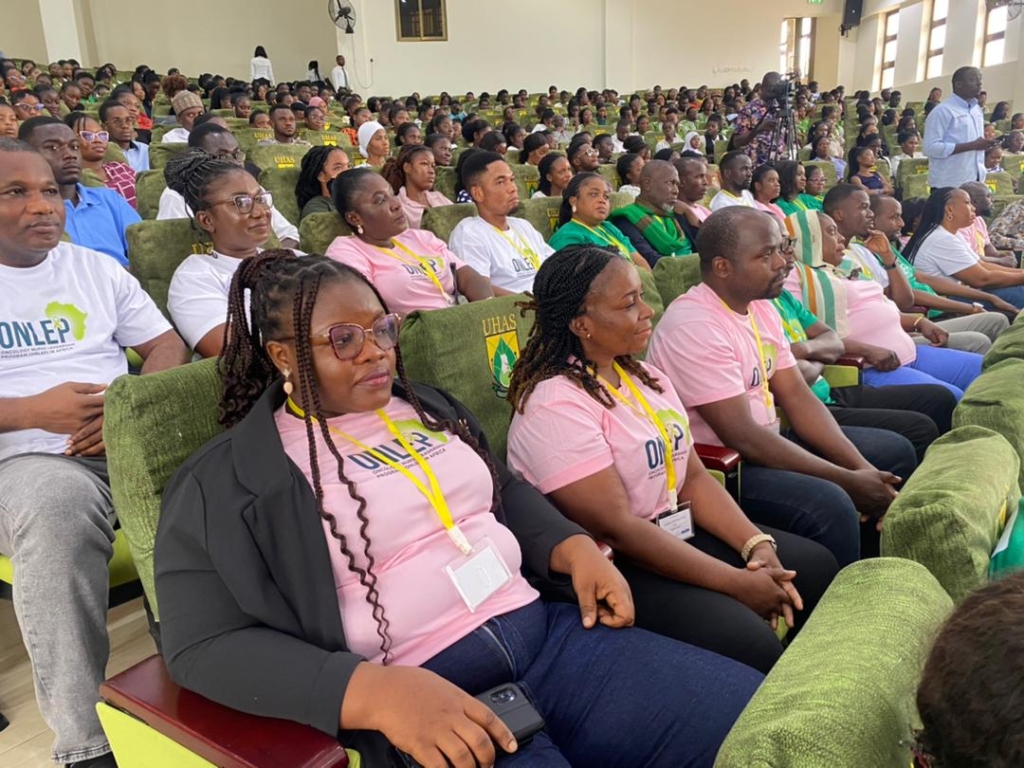
The Oncology Nurse Leadership Programme (ONLEP) was officially launched at the University of Health and Allied Sciences (UHAS) on Monday, July 7, 2025.
The programme, the first of its kind in Africa, is set to revolutionise cancer care across the continent by equipping nurses with leadership, clinical, and advocacy skills.
Addressing the launch, the Volta Regional Minister, James Gunu, underscored the growing urgency of cancer care in Ghana, citing that over 27,000 new cases were recorded in 2022, resulting in nearly 18,000 deaths.
“Prostate cancer alone accounts for 16.9% of cancer cases in the Volta Region,” he said, adding that the health system is also burdened by emotional trauma in patients, with depression and anxiety being common but often unsupported.
The Oncology Nurse Leadership Programme is a five-year initiative co-developed by UHAS, the International Society of Nurses in Cancer Care (ISNCC), City Cancer Challenge Foundation (C/Can), and Amgen.
The first cohort of 30 students drawn from seven African countries—Ghana, Nigeria, Malawi, Rwanda, South Africa, Kenya, and Gambia has commenced a two-week in-person training at UHAS, after which they will continue with online sessions for six months.
Mr Gunu praised the programme for aligning with Ghana’s 2025 budget priorities, which include expanding access to cancer treatment, building human capital, and strengthening health systems.
“This programme is emerging at a critical moment when Ghana is demonstrating a clear commitment to non-communicable disease care through the Medical Care Trust Fund and expansion of free primary healthcare,” he noted.
The ONLEP is designed to empower oncology nurses with leadership development skills, promote clinical excellence, support research, and integrate psychosocial care into treatment frameworks. It includes modules such as psycho-oncology, financial management, quality assurance, and advocacy. Participants will graduate with a postgraduate certificate recognised across Africa and globally.
The Vice-Chancellor of UHAS and Project Lead, Professor Lydia Aziato, stated that UHAS was proud to host the inaugural programme and envisions becoming a hub for nurse leadership training on the continent.
“The ONLEP is a catalyst for releasing this dream,” she stated.
Her sentiments were echoed by the President of ISNCC, Prof. Winnie So, who emphasised the programme’s importance in strengthening nurses’ roles in prevention, treatment, and palliative care.
According to the Global Programme Manager at C/Can, Martha L. Ordóñez, investing in nurses is central to sustainable change.
“By empowering oncology nurses with tools to lead, advocate and innovate, we strengthen cancer care across the African continent,” she said.
Participants in the first cohort expressed excitement over the programme’s potential to create connections and drive change in their countries.
“This programme is more than just a learning experience; it’s a bridge connecting nurses from diverse backgrounds, empowering us to share our stories and learn from each other,” said Ejiaku Tochukwu Chiamaka, Cohort 1 Lead from Abuja, Nigeria.
The Executive Director for Access to Healthcare at Amgen, Sean Lybrand, said supporting the ONLEP fits into the company’s global commitment to quality healthcare learning.
“Improving oncology nurse training in low-resource settings will lead to better health outcomes,” he noted.
As the first cohort goes through a packed schedule of lectures, presentations, and role-plays at UHAS, expectations are high that the training will create a new generation of nurse-leaders capable of confronting Africa’s cancer burden with innovation and compassion.
The ONLEP also seeks to fill a critical gap in mental health support for cancer patients, which is often overlooked in resource-constrained settings. Ho Teaching Hospital, the region’s main referral centre, still depends largely on relatives and spiritual guides for emotional care, as mental health professionals remain scarce.
He further pledged support for the programme through regional coordination, stakeholder engagement, and advocacy for sustainable resourcing of oncology nursing.
“To the nurse-leaders starting ONLEP today: lead with clinical excellence, compassion, resilience, and courage. You are at the forefront of transformative change,” he added.
The programme is structured to train 240 nurses over five years: 30 in the first year, followed by 60 each in the second, third, and fourth years, and another 30 in the fifth year. Each phase includes monitoring, evaluation, research, and stakeholder meetings. Successful participants are expected to complete a leadership project and receive a postgraduate certificate from UHAS.
The broader goal, according to organisers, is to foster a community of oncology nurse-leaders who will be champions of cancer care improvement in their home countries and beyond. It is a timely intervention, especially in the Volta Region, which, despite advancements in e-health and real-time biosurveillance, still lacks sufficient trained oncology nurses.
As the event concluded with tributes to all partners, including ISNCC, C/Can, UHAS and Amgen, stakeholders reiterated their shared vision: building a resilient healthcare workforce led by nurses who do not just treat, but lead and advocate for holistic cancer care.
“With your leadership, strong partnerships and commitment,” Hon. Gunu said, “we can shift the cancer care trajectory not just for Volta, but for Ghana and all of Africa.”
For years, pregnant women in Seinua and nearby communities have faced the challenge of walking or travelling long distances to the nearest health facility, risking their lives and that of their unborn babies.
Residents of the rural community, especially pregnant women, will no longer have to endure the stress of travelling several kilometres on deplorable roads to Goaso and Asumura to access healthcare.
The Chief of Seinua, Nana Agyemang Duah Katakyie lll, with support from his subchiefs based in the United States of America, has commissioned a fully furnished maternity block to bring essential healthcare right to the doorstep of his people.
The maternity block has a scanning ward, store and consulting rooms, kids wards, a laboratory, adolescent corner, wellness clinic, labour wards, and wash rooms, among other units.
The new facility also comes with modern delivery beds, recovery rooms, and essential medical equipment aimed at improving maternal and newborn care.
Healthcare workers say the facility will not only reduce maternal and infant mortality but also encourage regular antenatal visits.
Dr Carmen-Ward Sullivan of the Samuel Merritt Nursing University in California in the USA, who is also the Development Queenmother of Seinua, in her address, said the commissioning of the first ever maternity block is a historic monument for the people.
According to her, other members of the team in the United States of America share the joy with residents of Seinua and the luxury of being part of the transformative achievement.
“This clinic is a place where mothers will be cared for with dignity, and the community’s future generations will be welcomed to the world in safety and in love,” she emphasised.
Dr Carmen-Ward Sullivan, also with the stool name Nana Ama Manu, noted that the commissioning brings them joy to contribute to the realisation of a facility that will nurture life, hope and health in Seinua.
The Development Queenmother expressed optimism that the maternity block will be an avenue of joy, unity and respect among residents, healthcare workers and patients.
Nana Agyemang Duah Katakyie III, the Chief of Seinua, very elated, expressed gratitude to his subchiefs based in the United States of America for throwing their support behind the construction and furnishing of the maternity block.
“I witnessed the stress my people, especially pregnant women, pass through to access healthcare in very distant venues. I consulted my subchiefs abroad, and they heeded to my appeal to support the establishment of this facility,” he stated.
The Chief urged healthcare workers posted to the maternity block to embark on routine maintenance of the facility to ensure it is in good condition always.
Dr Kwadwo Ansong, the Asunafo South District Director of Ghana Health Service, who received the facility, expressed gratitude to Nana Agyemang Duah Katakyie III and his subchiefs, who are Americans, for their contribution to healthcare delivery in the area.
He promised to post committed and experimental healthcare givers to enhance the smooth operation of the maternity block, indicating that “regular maintenance of the facility will be our priority”.
The Ahafo Regional Minister, Charity Gardiner, for her contributions to the project, promised to enrol residents of Seinua onto the National Health Insurance Scheme for free adding that a healthy community is a wealthy community.”
Adjoa Yeboah, a pregnant woman in Seinua, expressed joy for the realisation of the health facility adding that “we will no longer travel to Goaso and Asumura to attend antenatal and also give birth”.
The people of Seinua are hopeful that this new maternity block will not only improve access to healthcare but also help build a healthier future for mothers and babies in the area.
The Ghana Chamber of Private Medical Groups, also known as the Chamber of Health, has paid a courtesy call on the Minister of Health, Kwabena Mintah Akandoh.
The move according to the association is to reaffirm its commitment to championing the cause of the private health sector and to explore avenues for deeper collaboration with government.
Speaking at during the meeting at the Ministry of Health on Wednesday, July 9, president of the association, Dr Andre Kwasi Kumah highlighted the critical role of private health providers in the national healthcare ecosystem and appealed for a more conducive environment for private sector participation.
“We wanted to pay a courtesy call on the Honourable Minister to let him know that there is a private grouping like this, championing the course of the private sector,” Dr Kumah stated.
“The government knows the support that we need, lower taxes, lower import levies, reduced utility charges and so on. These factors drive up operational costs, yet health is a basic necessity that must be delivered to Ghanaians at the most affordable rate possible,” he noted.
He further emphasised the Chamber’s readiness to work with the Ministry to reduce healthcare delivery costs, including by employing idle health workers currently at home.
“Even if it is paying 50% of salaries, we can find a permanent arrangement for some of these nurses and health professionals. This way, they remain engaged and skilled while awaiting formal government recruitment,” Dr Kumah added.
Touching on the government’s Agenda 111 initiative, Dr Kumah proposed a Public-Private Partnership (PPP) model to operationalise uncompleted health facilities under the project.
“This would allow government to save much-needed revenue, while we help expand access to care,” he noted.
Responding to the Chamber’s proposals, Minister Kwabena Mintah Akandoh welcomed the engagement and called for unity within the private health sector to ensure constructive collaboration.
“It becomes very difficult if we are experiencing fractions in a front that is supposed to be united,” he cautioned.
“I would be exceedingly happy if you have a united front, so we can effectively include you in key policy frameworks like Free Primary Health Care and the ‘Mahama Cares’ programme,” he said.
Minister Akandoh also reiterated the government’s commitment to transforming Ghana into a pharmaceutical manufacturing hub in the region.
He lamented the continued importation of basic hospital equipment, urging local production of items like drip stands and adjustable hospital beds.
He also stressed on the importance of fair pricing in the delivery of healthcare services.
“The fact that we can collaborate to support recruitment of health professionals is not far-fetched,” he assured. “But government’s support must be reflected in your pricing. Ghanaians must benefit from the partnership, so fees at private facilities should mirror the support you receive.”
He further reinforced President Mahama’s stance that PPPs will form a key component of the Agenda 111 policy moving forward.
“Once the audit is complete, we will engage all stakeholders. Whoever is interested, the doors are open we are ready to listen and partner meaningfully,” the Minister concluded.
This week, a kind couple gifted me a paper bag full of oranges freshly picked from their backyard, a simple gesture that inspired this article. Oranges are back in season and are making their presence felt in local markets and roadside stalls across the country.
Thanks to their seasonal abundance, prices are currently more favourable (though this may vary depending on your location), making it a great time to nourish your body with their goodness. In this article, we make a case for why oranges deserve a regular spot on your weekly market list while it is in season.
Nutrients in Oranges
Oranges are abundant in several vital nutrients:
Vitamins: Oranges are especially rich in vitamin C, which supports immune function, promotes skin health, and enhances iron absorption. They also provide small amounts of vitamin A, B-complex vitamins like thiamine and folate, and vitamin E.
Minerals: Oranges contain potassium, a heart-healthy mineral that supports blood pressure regulation. They also provide small amounts of calcium, magnesium, and phosphorus, which support bone and nerve function.
Fibre: Helps improve digestion, regulate blood sugar, lower cholesterol, potentially reducing the risk of heart disease and colorectal cancer
Oranges and Immune Support
Oranges are synonymous with immune health thanks to their high vitamin C content. This vitamin supports the production and function of white blood cells, helping the body fend off infections and recover faster from illnesses. This makes oranges particularly beneficial during this relatively cold season.
High dietary fibre and water content
A medium-sized orange (about 130g) contains approximately 3 grams of dietary fibre, particularly soluble fibre which plays many helpful roles in the body. With over 85% water content, oranges also contribute significantly to hydration. Thanks to this same high fibre and water content, oranges can help increase satiety and reduce cravings for people watching their weight. They are also naturally low in calories, (about 60-65 kcal per medium fruit) yet they are satisfying enough to keep you full in between meals.
Presence of Antioxidants and Plant Compounds
Oranges are loaded with flavonoids, especially hesperidin and naringenin, which are known for their anti-inflammatory, antioxidant, and heart-protective properties. These compounds play important roles in reducing the risk of chronic diseases such as heart disease, diabetes, and even certain cancers.
What about orange juice?
Up until this point, we have focused on the orange itself, the whole fruit in its natural, unprocessed form, and not its juice. Whether freshly squeezed at home or bought off the shelf, orange juice remains a popular choice for many; however it is important to understand that eating the whole fruit offers significantly more health benefits.
Whole oranges are rich in the nutrients outlined above. The fibre especially, helps to slow down the absorption of sugar into the bloodstream, supports healthy digestion, and keeps you feeling fuller for longer. In contrast, orange juice, even when freshly squeezed, contains little to no fibre. Without fibre, the natural sugars in oranges are absorbed more quickly, which can lead to a sharper rise in blood sugar levels. For people managing their weight, diabetes, or insulin resistance, this is a crucial distinction. Moreover, when we eat whole oranges, we are less likely to overconsume. It might take two or three oranges to make one glass of juice, and while it’s easy to drink a glass in seconds, eating that many whole fruits takes more time and leaves you more satisfied. That natural portion control is lost when fruit is juiced.
Also, commercially produced orange juices often undergo processes which may reduce some of the vitamin C content, and many manufacturers often add sugar or sweeteners to enhance flavour. This somewhat defeats much of the purpose of choosing it as a nutritious option in the first place. So, while a glass of orange juice now and then can be refreshing, especially when it’s freshly squeezed with no added sugar, the real nutritional benefits lies in the whole orange. For maximum benefit, peel, slice, bite, chew, slurp, nibble and suck your oranges the old-fashioned way, as you like it.
In Summary
I am grateful to my friends for their thoughtful gift of fresh oranges. From supporting immunity and promoting heart health to aiding digestion and maintaining hydration, oranges offer excellent value for their cost. With the fruit now in season, this is an ideal time to enjoy them at their freshest- and often most affordable. By all means do take advantage of the opportunity to make the most of them this season.
Written by Dr. Laurene Boateng (PhD, RD) Dr. Laurene Boateng is a Registered Dietitian and Senior Lecturer in the Department of Dietetics, University of Ghana. She is the founder and editor-in-chief of Full Proof Nutrition, a Nutrition Consultancy committed to providing reliable, evidence-based, and practical healthy eating advice through its website www.fullproofnutrition.com. Click here to join Full Proof Nutrition WhatsApp channel to receive more educative content. Send us a mail on fullproofnutrition@gmail.com
References
Abakpa, G. O., & Adenaike, O. (2021). Antioxidant compounds and health benefits of citrus fruits. European journal of nutrition & food safety, 13(2), 65-74.
President John Dramani Mahama has called for a youth-led national conversation on HIV prevention as the country faces a concerning surge in new infections, particularly among young people.
“We need a bold youth-led national conversation on prevention supported by our schools, by our health workers, our parents, and the media.”
The president made the remarks at the launch of the 2025 Voluntary National Review of the UN Sustainable Development Goals in Accra on Tuesday, July 8.
He described the growing rate of HIV infections as a public health alarm, stressing that young people must be at the forefront of prevention efforts.
His call comes on the back of a report from the Ghana AIDS Commission, which revealed that 15,290 new HIV infections were recorded in 2024, with over 11,000 cases among individuals aged 15 and above.
“We are also alarmed by the rising HIV rates, especially among our young people,” he said, and blamed the situation on “failure in communications, stigma, and limited access to sexual health education.”
The President emphasised that “Prevention is essential, but empowerment is the key.”
The first malaria treatment suitable for babies and very young children has been approved for use.
It’s expected to be rolled out in African countries within weeks.
Until now, there have been no approved malaria drugs specifically for babies.
Instead, they have been treated with versions formulated for older children, which presents a risk of overdose.
Half a million deaths in 2023
In 2023 – the year for which the most recent figures are available – malaria was linked to around 597,000 deaths.
Almost all of the deaths were in Africa, and around three-quarters of them were children under five years old.
Malaria treatments for children do exist, but until now, there was none specifically for the very youngest babies and small children, who weigh less than 4.5kg or around 10lb.
Instead, they have been treated with drugs designed for older children.
But that presents risks, as doses for these older children may not be safe for babies, whose liver functions are still developing and whose bodies process medicines differently.
Experts say this has led to what is described as a “treatment gap”.
Now, a new medicine, developed by the drug company Novartis, has been approved by the Swiss authorities and is likely to be rolled out in regions and countries with the highest rates of malaria within weeks.
Novartis is planning to introduce it on a largely not-for-profit basis.
The smallest and most vulnerable
The company’s chief executive, Vas Narasimhan, says this is an important moment.
“For more than three decades, we have stayed the course in the fight against malaria, working relentlessly to deliver scientific breakthroughs where they are needed most.
“Together with our partners, we are proud to have gone further to develop the first clinically proven malaria treatment for newborns and young babies, ensuring even the smallest and most vulnerable can finally receive the care they deserve.”
The drug, known as Coartem Baby or Riamet Baby in some countries, was developed by Novartis in collaboration with the Medicines for Malaria Venture (MMV), a Swiss-based not-for-profit organisation initially backed by the British, Swiss and Dutch Governments, as well as the World Bank and the Rockefeller Foundation.
Eight African nations also took part in the assessment and trials of the drug and they are expected to be among the first to access it.
Martin Fitchet, CEO of MMV, says this is another important step on the road towards ending the huge toll taken by malaria.
“Malaria is one of the world’s deadliest diseases, particularly among children. But with the right resources and focus, it can be eliminated.
“The approval of Coartem Baby provides a necessary medicine with an optimised dose to treat an otherwise neglected group of patients and offers a valuable addition to the antimalarial toolbox.”
Dr Marvelle Brown, associate professor at the University of Hertfordshire’s School of Health, Medicine and Life Sciences, says this should be seen as a major breakthrough in saving the lives of babies and young children.
“The death rate for malarial infections, particularly in sub-Saharan Africa, is extremely high – over 76% of deaths occur in children under five years old.
“An increase in death from malaria is further compounded in babies born with sickle cell disease, primarily due to a weak immune system.
“From a public health perspective, Novartis making this not-for-profit can help with reducing inequality in access to healthcare.”
The University of Health and Allied Sciences (UHAS), in collaboration with its partners, has launched the Oncology Nurse Leadership Programme (ONLEP) – a postgraduate initiative aimed at enhancing cancer care across the African continent. The launch affirms the University’s commitment to promoting healthcare in Africa and contributing to the achievement of Sustainable Development Goal 3.
The programme was developed in partnership with the City Cancer Challenge Foundation (C/Can), the International Society of Nurses in Cancer Care (ISNCC), and Amgen, a pharmaceutical company. It aims to address the lack of investment in healthcare professionals providing cancer care – particularly oncology nurses – not only in C/Can cities but across Africa.
Prof. Lydia Aziato, Vice-Chancellor of UHAS and Project Lead, emphasised that the programme was driven by the need for strong leadership in cancer care and the goal of maintaining and enhancing the quality of cancer treatment on the continent.
“UHAS is poised to lead this partnership and aims to become a hub for leadership training for nurses, midwives, and other health professionals in Africa and beyond. The Oncology Nurse Leadership Programme is a catalyst for this dream,” Prof. Aziato stated.
Investing in Nursing Leadership as a Driver of Sustainable Change
Martha L. Ordóñez, Global Programme Manager of C/Can, explained that ONLEP forms part of the foundation’s efforts to build the capacity of local healthcare professionals to lead change in the sector. She said the programme applies a transformational learning approach to equip nurses with leadership skills, knowledge, and confidence in the dynamic field of oncology.
“At City Cancer Challenge, we believe in strong local leadership. ONLEP is a testament to our commitment to investing in those at the heart of health systems: nurses. By empowering oncology nurses with the tools to lead, advocate, and innovate, we are not only strengthening cancer care in C/Can cities but across the African continent,” she said.
Corporate Commitment to Health Education
Sean Lybrand, Executive Director of Access to Healthcare at Amgen Inc., expressed excitement about the partnership, which aims to support oncology nurses with training to promote universal health coverage.
“To support oncology nurses across sub-Saharan Africa not only improves their skills and competencies; it also leads to better healthcare delivery and, in the medium term, better health outcomes. We are incredibly pleased to partner with UHAS, C/Can, and ISNCC on this key initiative,” he noted.
About the Oncology Nurse Leadership Programme (ONLEP)
The Oncology Nurse Leadership Programme seeks to empower oncology nurses as leaders to make a meaningful impact on cancer care delivery and patient outcomes. It aims to:
Foster leadership development skills
Promote clinical excellence
Support professional growth
Facilitate networking and collaboration
Encourage research and evidence-based practice
Nurture advocacy skills
ONLEP is a five-year programme, with the first year focused on designing the leadership curriculum and training the first cohort of 30 students, including 13 from C/Can cities. Subsequent years will train cohorts of 60 students each, with the fifth year focusing on a final group of 30.
The six-month certificate programme combines face-to-face and online learning, beginning with in-person sessions in the first and last weeks, while the interim period will be conducted online. Trainees must complete a leadership project within six months. Graduates will receive a Postgraduate Certificate in Oncology Nurse Leadership, awarded by UHAS and recognised across Africa and internationally.
International Support
Prof. Winnie So, President of the ISNCC, stated that ONLEP aligns with the organisation’s mission to maximise the influence of nursing to reduce the global burden of cancer.
“ONLEP in Africa is a strategic step that builds the capacity of nurses to lead, advocate, and implement solutions that directly impact cancer prevention, treatment, survivorship, and palliative care outcomes,” he said.
ONLEP’s First Cohort
The first cohort consists of 30 students from seven African countries: Ghana, Nigeria, Malawi, Rwanda, South Africa, Kenya, and Gambia. They will study modules such as:
Foundations of Oncology Nurse Leadership
Health Services Organisation
Financial Management and Quality Assurance
Psycho-oncology
Stress and Change Management
Networking and Collaboration
Research and Evidence-Based Practice
Policy and Advocacy
“This programme is more than just a learning experience. It’s a bridge connecting nurses from diverse backgrounds, empowering us to share our stories and learn from each other,” said Ejiaku Tochukwu Chiamaka, Cohort 1 Lead from Abuja, Nigeria.
Government Endorsement
Volta Regional Minister, James Gunu, described the initiative as a complement to government efforts to improve cancer diagnosis and care, pledging his personal support for its success.
“ONLEP aligns precisely with Ghana’s 2025 budget priorities: building human capital and strengthening healthcare systems. It also supports the national cancer control plan and WHO’s broader objectives for improved screening, diagnosis, and treatment,” he said.
He added that while the Volta Region had benefited from e-health expansion, with 193 facilities now digitally connected, a gap remained in oncology nursing capacity, which ONLEP addresses.
Refractive error and vision care in Ghana is marred by low access, unaffordability, limited qualified personnel and weak government oversight.
The 8th White Coat Ceremony at KNUST’s Department of Optometry and Visual Sciences focused discussion on the urgent need to address refractive error setbacks in especially underserved Ghanaian communities.
The event marking students’ transition from pre-clinical studies to hands-on clinical training sought to overcome challenges to boost spectacle coverage and vision care access in low-income areas.
Refractive errors are common eye conditions that make vision blurry, needing a pair of glasses, contacts, or vision correction surgery to restore vision.
However, resources and structural setbacks limit treatments and access levels.
Head of the KNUST Department of Optometry and Visual Sciences, Professor Mohammed Kabir, disclosed that the burden of uncorrected refractive error tends to be greater in typically underserved areas.
“Despite the strides in vision care, several challenges of spectacle coverage in low- and middle-income countries exist. The burden of uncorrected refractive error tends to be greater in typically underserved areas. The concentration of services in urban areas, and a general lack of public awareness. The obvious challenges coupled with issues of clinical regulation need to be resolved to improve access and treatments,” he said.
The joint celebration of the 2025 Refractive Error Day and the 8th White Coat Ceremony by the Department of Optometry and Visual Science and the Ghana Optometric Association (GOA) sparked discussion around improving refractive error treatment.
Held under the theme “Bridging the Gap: Dispelling Refractive Error Myths to Improve Access,” the event highlighted national efforts to raise awareness, debunk misconceptions, and expand access to eye care services across Ghana.
The White Coat Ceremony is a traditional rite of passage in health-related fields, signifying the transition of students from pre-clinical studies to hands-on clinical training.
By training new up-to standard optometrists, the department aims to boost spectacle coverage and improve vision care access in low-income areas.
Head of the KNUST Department of Optometry and Visual Sciences, Professor Mohammed Kabir, admonished the graduates to uphold innovation, and ethics to improve vision care.
“The far-reaching consequences of uncorrected vision, particularly for children, impacts negatively on well-being and academic performance. We have a role in preparing students to handle real-world cases and interact with patients.
“This clinical phase of training equips the students with the skills to handle real-world optometric cases and begin interacting with patients in clinical settings, guided by well-defined professional standards and responsibilities,” he said.
The Optometry Class of 2027 were formally inducted into the clinical phase of their training with the symbolic donning of white coats.
The graduation ceremony also forms part of the Ghana Optometric Association’s Fractal Carousel Fusion.
President of the Ghana Optometric Association, Prof. Samuel Bert Boadi-Kusi, assuring of GOA’s commitment to address vision barriers, advocated for improved remuneration and working conditions for optometrists.
“There is a critical need for affordable eyeglasses and we call on the government to make them accessible to all citizens, particularly those in vulnerable communities. It is crucial for achieving the World Health Organization’s (WHO) target of improving effective refractive error coverage by 40 per cent by 2030.
“GOA remains committed through initiatives designed to improve access and quality of care. We call for improved remuneration and working conditions for optometrists, particularly those serving in rural areas, to enhance the reach of eye care services,” he said.
The ceremony brought together students, faculty, eye care professionals, and stakeholders in the health sector.
Chief Optometrist of Trust Hospital Accra, Dr. Naa Kowah, disclosed that visual impairment in the children demographic is prevalent due to uncorrected refractive errors.
“Over 200,000 Ghanaian children struggle with uncorrected refractive errors, making it the leading cause of visual impairment in this demographic. It is also important to dispel common misconceptions about eye health and the need to shift the perception of glasses as merely a luxury to recognizing them as essential tools for a better quality of life,” she said.
Chairman of the Education Committee of GOA, Professor Emmanuel Abu, admonished the graduating class to be innovative, and uphold the profession’s ethics.
“Take your journey from the classroom to the clinic, be transformed into trusted health professionals responsible for their patients’ vision. Your journey was marked by the values which must be embraced, and honored. Commit to unwavering adherence to the highest standards of ethics, professionalism, and empathy,” he said
National Executives of the Paediatric Society of Ghana have been inducted into office at a short ceremony to lead the affairs of the association in the next two years.
The seven elected executives are expected to work and undertake initiatives aimed at achieving the mission and vision of the society.
They include the President, Dr. Hilda Mantebea Boye; Vice President, Dr. Emmanuel Oppong; General Secretary, Dr. Gabrielle Obeng-Koranteng; and Assistant Secretary, Dr. Haruna Mahama.
The rest were Financial Secretary, Dr (Med) Afua Osew-Gyamfi; Female Executive, Dr (Med) Genevieve Insaidoo, and Male Executive, Dr (Med) Richard Letsa.
Speaking after the induction, Dr. Hilda Mantebea Boye expressed gratitude to the membership for entrusting the leadership of the society under their care for the next two years.
She assured of leading an all-inclusive administration that would build on the success of her predecessors, with a strong collaboration between stakeholders and all members.
She also stressed to “work hard to push the Child Health Agenda and to promote the health and well-being of all children in Ghana.”
The Paediatric Society of Ghana is a child health advocacy group committed to the welfare and interests of children in Ghana.
The Society comprises paediatricians and other doctors, nurses, paramedics, teachers, and members of the general public who share in its vision.
Its activities include organising outreaches to schools, educating communities on issues affecting child health, and engaging stakeholders to promote the health and well-being of children in Ghana.
As a professional body of paediatricians and child health advocates, it remains committed to supporting national efforts in immunisation, maternal and newborn health, nutrition, and health education.