Rokmer Pharma Ltd

admin

terms and conditions for using Rokmer Pharma’s website

Just 7,000 steps a day cuts health risks, study says

Just 7,000 steps a day cuts health risks, study says

Walking 7,000 steps a day can be enough to boost your brainpower and help protect against a range of different diseases, a major study suggests.

It may be a more realistic target than 10,000 steps, which is often seen as the benchmark to reach.

The research, published in the Lancet Public Health, found that the figure was linked with a reduced risk of serious health issues, including cancer, dementia and heart disease.

The findings could encourage more people to track their steps as a practical way to improve their health, the researchers say.

“We have this perception we should be doing 10,000 steps a day,” says lead author Dr Melody Ding, “but it’s not evidence-based”.

The figure of 10,000 steps can be traced back to a 1960s marketing campaign in Japan. In the run-up to the 1964 Tokyo Olympics, a brand of pedometer was launched called the manpo-kei, which translates as “10,000-step meter”.

Dr Ding says this figure was “taken out of context” and became an unofficial guideline, which many fitness trackers and apps continue to recommend.

The Lancet study analysed previous research and data on the health and activity of more than 160,000 adults around the world.

Compared with those who walked 2,000 steps a day, it found that 7,000 steps was linked to reduced risk of:

  • cardiovascular disease – down 25%
  • cancer – down 6%
  • dementia – down 38%
  • and depression – down 22%

However, the researchers say some figures could be less accurate than others as they are drawn from only a small number of studies.

Overall, their review suggests even modest step counts of around 4,000 steps a day are linked to better health compared to very low activity of just 2,000 steps a day.

For most health conditions, the benefits tended to level off beyond 7,000 steps, although there were additional advantages to walking further for the heart.

Getty Images A person is holding a smartphone displaying a fitness tracking app while wearing white headphones and a smartwatch.
Counting daily steps has become a popular pastime with fitness trackers

Most exercise guidelines focus on time spent doing physical activity over step counts.

For example, the World Health Organization says adults should do at least 150 minutes of moderate aerobic activity or 75 minutes of vigorous aerobic activity every week.

Dr Ding says this advice can sometimes be difficult for people to understand but the current guidelines still serve an important purpose.

“There are people who swim, cycle, or have physical disabilities that don’t allow them to take steps,” she explains.

But she says a recommendation on the number of steps people should take could be included as an “addition” that would “prompt people to think about spreading their physical activities throughout the day”.

Dr Daniel Bailey, a sedentary behaviour and health expert from Brunel University London, says the study challenges the “myth” that 10,000 steps a day is necessary.

While 10,000 steps is a suitable goal for those who are more active, he says aiming for 5,000 to 7,000 could be a “more realistic and achievable target” for others.

Dr Andrew Scott, senior lecturer in clinical exercise physiology at the University of Portsmouth, agrees the exact number isn’t important.

He says “more is always better” and people shouldn’t worry too much about hitting a specific target, especially on days when activity is limited.


terms and conditions for using Rokmer Pharma’s website

Jeffrey Nortey sparks conversation on fibroids with new skit

Jeffrey Nortey sparks conversation on fibroids with new skit

Actor and content creator, Jeffrey Nortey, is once again using his craft to spark important conversations around women’s reproductive health.

In his latest skit that has rapidly gained traction online, Jeffrey Nortey takes on the subject of fibroids, delivering a thought-provoking performance that blends humour with raw emotion.

The short but impactful skit opens with a seemingly light-hearted confrontation between a couple. The female character accuses her partner of fixating on her changing body, particularly her stomach, and misjudging it as weight gain caused by overeating.

As the exchange unfolds, the real story emerges. She reveals she has been battling fibroids, a condition that has left her in pain, caused her to bleed for weeks, and made her abdomen swell significantly.
Her revelation hits a nerve, especially as she explains how the pain and emotional toll have been compounded by her partner’s insensitivity.

The scene shifts dramatically from playful banter to a heartfelt plea for understanding, highlighting the psychological and physical burden many women endure in silence.

“I needed comfort, not criticism,” she says, confronting the tendency of loved ones to pass judgment before asking what’s truly wrong. The male character, played by Nortey himself, is remorseful and quick to act, offering to accompany her to see a doctor and expressing concern that the fibroids may even be affecting their ability to conceive.

The skit doesn’t just stop at emotional impact. It also slips in valuable information about the condition, noting that fibroids can be treated, managed, or surgically removed.

The final moments take a humorous twist when intimacy is ruled out due to the pain, and the urgency to seek medical help becomes the closing note. This blend of education, empathy, and entertainment has resonated widely with viewers.

Comment sections across platforms have been flooded with emotional reactions and shared personal experiences.

Renowned broadcaster Israel Laryea praised the skit, writing, “Educating the public about critical health matters through content creation. This is how it should be done. Ayekoo! You’re doing well.” Another viewer, Rebekah, reflected on her own experience, saying, “People will see you and ask if you’re pregnant cos of your tummy size. The silent battles we fight.”

Others highlighted the broader relevance of the message. Delly, who has been living with Polycystic Ovary Syndrome (PCOS) for over a decade, shared how this type of content validates the quiet struggles of many women whose physical changes are often misunderstood. “People around me will comment on my weight gain as if it’s a casual thing. I decided to take charge of my story and not let anyone dictate how I feel,” she wrote.

The responses underline a growing public appreciation for digital content that touches on under-discussed health issues, especially those affecting women. While the skit may have ended on a humorous note, it left behind a serious message that many viewers carried away.

This isn’t Jeffrey Nortey’s first foray into using storytelling to highlight reproductive health matters. He previously released a skit shedding light on the realities of menstrual health, which similarly drew widespread attention and commendation.

With a clear interest in using his platform to break societal taboos and foster awareness, Jeffrey Nortey continues to carve a unique space at the intersection of performance and public health education.

terms and conditions for using Rokmer Pharma’s website

Mid-year budget: VAST Ghana champions excise taxes on unhealthy products

Mid-year budget: VAST Ghana champions excise taxes on unhealthy products

A Ghanaian policy think tank, Vision for Accelerated Sustainable Development Ghana (VAST Ghana), has strongly advised the Ministry of Finance to uphold and potentially increase existing excise taxes on tobacco, alcohol, and Sugar-Sweetened Beverages (SSBs).

In its Mid-Year Budget Review proposal submitted on Monday, July 21, VAST Ghana highlighted the significant health benefits and unexpected revenue windfalls generated by the Excise Duty Amendment Act, 2023, urging the government to resist industry pressure for tax reductions.

VAST Ghana’s call comes amidst growing concerns over Non-Communicable Diseases (NCDs) in Ghana, which now account for approximately 45% of all deaths.

Premature mortality among adults aged 30-70 from NCDs stands at 21%, exceeding global averages.

The consumption of tobacco, alcohol, and SSBs are major drivers of these diseases, imposing substantial economic costs through lost productivity and increased healthcare expenditures. According to the World Health Organization (WHO), over 37,000 deaths in Ghana annually are attributable to alcohol-related conditions alone.

The Excise Duty Amendment Act, 2023, enacted in line with ECOWAS Directives and WHO’s “best buy” interventions, introduced a uniform excise framework: a 20% tax on SSBs, varying rates on alcohol (47.5% on beer, 25-47.5% on wines and spirits), and a hybrid system for tobacco (US$0.02 per stick alongside 50% of CIF).

This reform simplified enforcement for the Ghana Revenue Authority (GRA) and aimed to align Ghana with international best practices, where WHO recommends tobacco excise tax comprise at least 75% of the retail price.

Prior to the reform, Ghana’s tobacco tax share was a mere 22-28% of the retail price.

The fiscal impact of the new taxes has been “dramatic,” according to GRA data cited by VAST Ghana. Excise revenue from SSBs alone surged from GHS 735 million in 2022 to GHS 1,325.6 million in 2023.

Combined revenue across tobacco, alcohol, and SSBs is estimated at over GHS 1.5 billion, exceeding initial predictions.

Tobacco excise revenue specifically jumped by 106%, from GHS 220.8 million (May 2022-April 2023) to GHS 454.5 million (May 2023-April 2024), despite tax waivers for ECOWAS tobacco products.

“This revenue growth illustrates not only the effectiveness of the excise tax system but also its potential to finance public health initiatives that combat the very NCDs being fueled by these products,” stated Labram Musah, Executive Director of VAST Ghana.

Citing WHO modeling, VAST Ghana’s proposal highlighted the dual gains from excise taxes:

  • A 20% excise price increase on tobacco could reduce consumption by 26.6% in 2023, generate GHS 131 million extra revenue, and avert over 34,600 deaths.
  • A similar 20% uplift for alcohol could raise GHS 2.4 billion and reduce consumption by 7.6%, averting over 44,000 deaths over a century.
  • SSB taxation at that level could reduce consumption by nearly 24%, raise GHS 1.0 billion, and avert 155,000 deaths across a century.

VAST Ghana dismissed industry criticisms regarding job losses, reduced investment, or increased illicit trade, stating that evidence from Ghana does not support these assertions.

They argue that tax reductions would reverse measurable health gains, undermine the recent fiscal windfall, and signal a lack of resolve regarding Ghana’s international commitments, particularly under the WHO Framework Convention on Tobacco Control (FCTC).

The organization further stressed that taxes on unhealthy products are “progressive in health outcomes,” as lower-income and vulnerable groups tend to exhibit the greatest consumption reductions when faced with price increases, thereby helping to close health inequity gaps.

In its recommendations to the Ministry of Finance, VAST Ghana urged the government to:

  • Uphold current excise tax rates on tobacco, alcohol, and SSBs.
  • Consider an upward review of these excise taxes.
  • Earmark a portion of the revenue for public health initiatives and specifically to support the Ghana Medical Trust Fund, which is purposely created to finance NCDs.
  • Prioritize public health over commercial interests and strengthen enforcement mechanisms to combat illicit trade.
  • Establish a robust framework for continuous monitoring and evaluation of the impact of these taxes.

“Any reduction or downward review of the Excise Tax will have a huge setback on the government’s flagship program, the ‘Ghana Medical Trust Fund,’ to the extent that the number of NCDs cases will increase significantly, which can lead to unsustainability of the Trust Fund,” the group warned. They advocate for indexing excise taxes to inflation to ensure fiscal responsibility and defend public interest.

terms and conditions for using Rokmer Pharma’s website

15-minute test kits boost patient care and research at KATH

15-minute test kits boost patient care and research at KATH

Komfo Anokye Teaching Hospital (KATH) is one of the sites where the the global RECOVERY Trial is being conducted. Enrollment has increased following the introduction of rapid test kits that detect multiple respiratory viruses within minutes.

On a humid morning in Kumasi, a worried mother paces anxiously outside a ward at Komfo Anokye Teaching Hospital. Inside, her 20-year-old son lies coughing and feverish, yet within fifteen minutes of arrival, doctors know what they’re dealing with. A compact test kit, no larger than half the size of a smartphone, has just delivered answers: Influenza A. Not COVID-19. For her, it means swift treatment. For the medical team, it means focused treatment, including avoiding unnecessary antibiotic treatment, and another potential participant for the RECOVERY Trial.

This scene, now repeated daily in Ghana’s Ashanti Region, marks improvements in how emerging respiratory infections are tackled in real time. Since 2022, the Global Health and Infectious Diseases Research Group at the Kumasi Centre of Collaborative Research in Tropical Medicine, KNUST, has been part of the international RECOVERY Trial, a large-scale, adaptive clinical study that started in early 2020. The RECOVERY Trial, which is sponsored by the University of Oxford, was initially designed to identify effective treatments for COVID-19, flu, and pneumonia. In 2023, it expanded to include other respiratory infections such as influenza and non-viral community-acquired pneumonia. As of July 7, the Kumasi site had prescreened 456 patients, formally screened 55 (12%), and enrolled 52 (95% of those formally screened) into the trial.

The 15-minute fix 

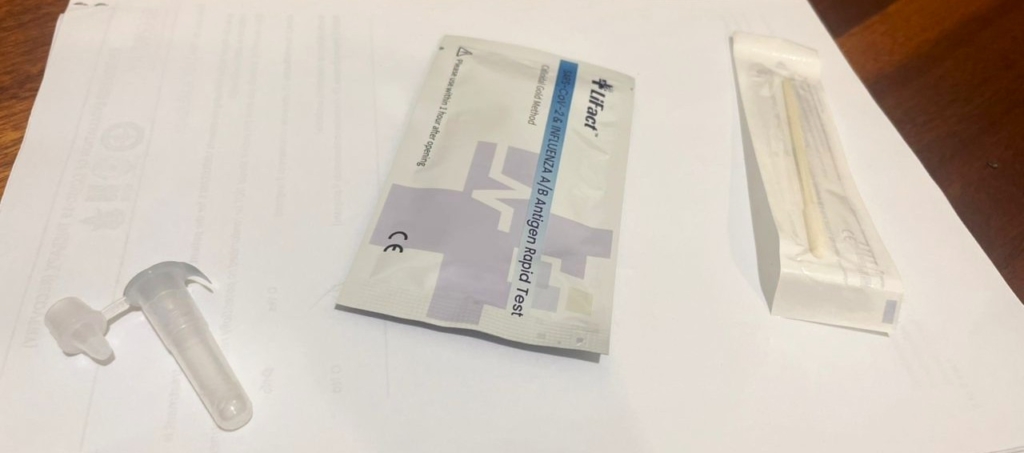
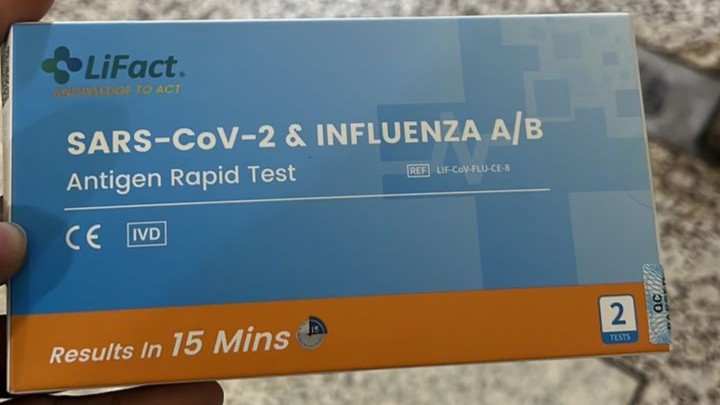
The recent deployment of 1,200 combination rapid diagnostic kits to the various wards of KATH Emergency Medicine Directorate has transformed the pace and quality of trial operations in Kumasi. These lateral flow tests, donated by LiFact Holding, a U.S.-based biotechnology company, simultaneously detect SARS-CoV-2, Influenza A, and Influenza B, all in just 15 minutes.

15-minute test kits boost patient care and research at KATH

Before these LiFact kits, trial staff relied on PCR testing, which typically took 24 to 48 hours due to laboratory processing and logistical delays. By then, a patient might be discharged, deteriorated, or simply lost to follow-up. Now, clinicians at KATH can diagnose and recruit patients directly at the bedside.

15-minute test kits boost patient care and research at KATH

“This is a game-changer,” said Dr. Joseph Bonney, lead investigator at KATH, who noted that the diagnostic kits have increased the volume of participants assessed for enrollment and improved the hospital’s broader respiratory screening protocols. “We can act faster, with greater clarity, and that improves care both within and beyond the study.”

“The kits have been incredibly useful in improving patient care,” shared Eudora Sackey, a physician assistant and clinical study staff member. “For example, one patient initially treated for bacterial pneumonia tested positive for influenza A using the kit. This changed the course of treatment immediately, starting antiviral medication that led to significant improvement within 48 hours.”

Often, in resource-limited hospitals, labs are overburdened, and time is a precious commodity. Having the kits distributed across key wards, the LiFact kits are used not only for trial purposes but also to support routine care, providing clarity in a region where feverish symptoms can mean anything from malaria to a common respiratory infection.

LiFact, headquartered in California, specializes in smart, high-accuracy diagnostics designed for real-world conditions, from flu seasons in the U.S. to infectious disease wards in West Africa. Their triple-pathogen test was built for exactly this kind of moment: overlapping epidemics, scarce lab capacity, and a race against time.

Strengthening capacity

Since joining the RECOVERY Trial, over 40 local clinical and research staff at KATH have completed training in the Ghana FDA Good Clinical Practice, research ethics, and data management, enhancing their capacity for high-quality research and patient care. Dr. Chris Kwaku Oppong and Dr. Divine Amenuke, senior medics on the study, expressed delight about the training.

The trial is fully regulated by the Ghana Food and Drugs Authority and monitored by KATH’s Institutional Review Board. It is part of a broader, multinational effort to evaluate treatments ranging from antivirals to immunomodulators. 

Globally, the RECOVERY Trial has become a cornerstone of evidence-based care. This trial famously confirmed the life-saving effects of dexamethasone for severe COVID-19 cases, changing treatment guidelines around the world. Now, KATH is helping to write the next chapter.

A model for the region

What’s happening in Kumasi could serve as a practical model for how hospitals across Ghana, and potentially across Africa, respond to emerging infectious diseases. The Emergency Department at Cape Coast Teaching Hospital recently adopted the same rapid test kits.

As climate change and urbanization shift disease patterns, health systems need diagnostic tools that are fast, affordable, and easy to implement. The success of the LiFact deployment at KATH, including rapid, real-time diagnostics, targeted frontline training, and seamless integration into clinical trial workflows, presents a practical roadmap for effective public health preparedness. It also shows what’s possible when innovation is made truly accessible. These compact and user-friendly kits directly meet the challenge, enabling swift responses to outbreaks and significantly improving patient care.

terms and conditions for using Rokmer Pharma’s website

Abuakwa South MP raises concern over MahamaCare’s sustainable funding

Abuakwa South MP raises concern over MahamaCare’s sustainable funding

The Member of Parliament (MP) for Abuakwa South, Dr Kingsley Agyemang, has clarified that the Minority in Parliament does not oppose the newly passed MahamaCare health initiative but is rather concerned about its long-term financial sustainability.

Speaking on JoyNews Prime on Monday, Dr Agyemang said the Minority’s hesitation stems from questions surrounding the scheme’s funding framework. “We are not opposing the numbers. However, our point has to do with the source of funding.”

“The main statutory source of funding outlined in the report submitted to parliament is that they are going to save 20% of the National Health Insurance levy to finance non-communicable diseases. Why are you in a rush? Why do you rush to bring a bill that is already catered for under the National Health Insurance? This is something that we have to caution Ghanaians because it is an ingenious way to take from an existing provision to finance another thing that can be effectively catered for under the primary provision, which is the National Health Insurance law,” the MP argued.

Parliament passed the MahamaCare Bill into law on Monday, July 21, under a certificate of urgency, fast-tracking the legislative process to fulfil a key campaign promise by President John Dramani Mahama.

The initiative seeks to provide free healthcare for individuals suffering from chronic conditions, particularly targeting low-income and vulnerable groups who are unable to bear the costs of long-term medical care.

MahamaCare is expected to complement the National Health Insurance Scheme (NHIS) by addressing gaps in chronic disease management, especially for ailments such as diabetes, hypertension, and sickle cell disease, which impose a heavy burden on families and the healthcare system.

Dr Agyeman emphasised that despite the expedited passage, the Minority is only calling for a more transparent financing model, cautioning that without adequate budgetary allocation or innovative funding streams, the programme’s implementation could falter.

terms and conditions for using Rokmer Pharma’s website

REMAPSEN and Galien Africa partner to boost health and environmental communication

REMAPSEN and Galien Africa partner to boost health and environmental communication

The African Media Network for the Promotion of Health and Environment (REMAPSEN) and Association Galien Africa have signed a strategic partnership to enhance communication, capacity building, and collaboration across the continent.

The signing ceremony took place in Dakar and brought together key stakeholders, including representatives from Senegal’s Ministry of Health and Social Action, the Ministry of Environment and Ecological Transition, and several local and international partners.

REMAPSEN President Bamba Youssouf described the agreement as a commitment to using media as a catalyst for transformation.

REMAPSEN and Galien Africa partner to boost health and environmental communication

“This partnership is designed to promote health and the environment through knowledge sharing, impactful media content, and journalist training.

“We also aim to support innovation through joint research projects,” he said. He stressed the need to better integrate media communication into national and regional health and environmental strategies.

A major focus of the agreement is on media engagement. REMAPSEN will provide coverage for upcoming Galien Africa events, including the prestigious Prix Galien Africa and the Galien Africa Forum, scheduled for October 28–31, 2025, in Dakar, under the theme “Health Sovereignty: An Imperative for Africa.”

REMAPSEN will also help disseminate Galien Africa’s press releases, co-organise webinars focused on health and the environment, and support coordination efforts within Senegal.

Professor Awa Marie Coll Seck, Chair of Association Galien Africa, praised REMAPSEN’s commitment and energy.

REMAPSEN and Galien Africa partner to boost health and environmental communication

She pledged support for the network’s annual media forums and advocacy activities, noting that the partnership addresses Africa’s urgent need for innovative responses to health and environmental challenges.

The agreement is valid for two years and is renewable. Both parties see it as a long-term collaboration aimed at influencing policy, raising public awareness, and driving the development of local solutions to Africa’s health and environmental issues.

The partnership marks a bold step toward amplifying the role of African media in shaping public discourse around resilience, sustainability, and well-being across the continent.

terms and conditions for using Rokmer Pharma’s website

Zipline to establish seventh centre in Ghana, urges stronger partnerships 

Zipline to establish seventh centre in Ghana, urges stronger partnerships 

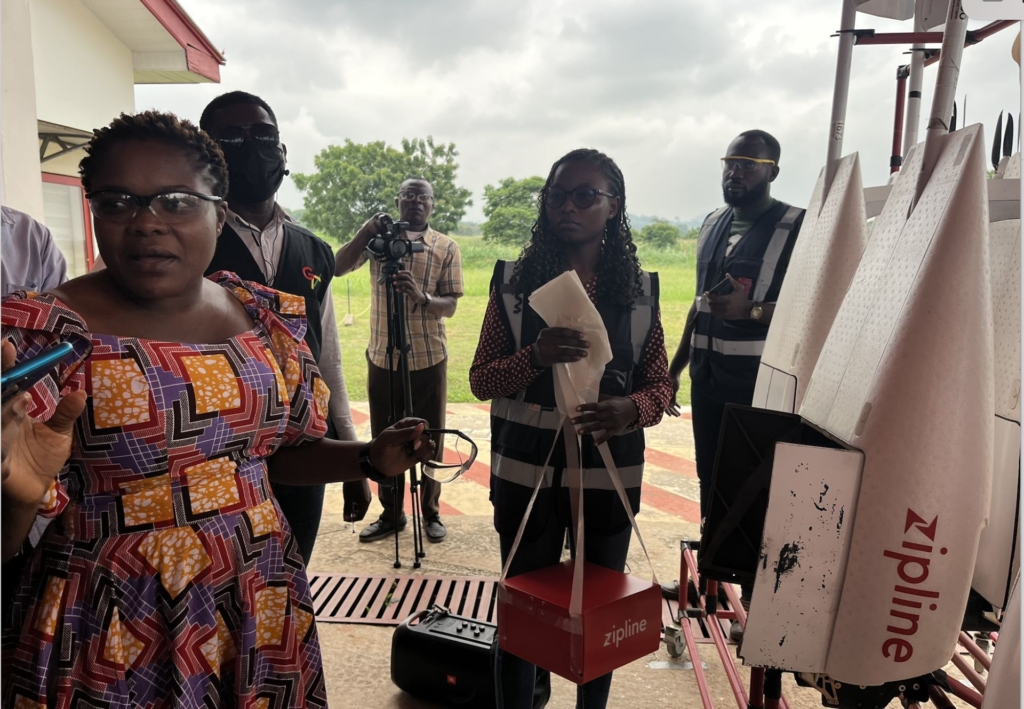
Zipline Ghana is to open a seventh drone distribution centre in the coastal zone to expand nationwide reach and enhance last-mile delivery of medicines, vaccines, blood products, and laboratory samples. 

The move reinforces Zipline’s commitment to equitable healthcare and logistics for underserved communities, making Ghana the first country globally to operate seven Zipline hubs in drone-enabled health logistics. 

Speaking to journalists following a tour of the sixth distribution centre in Anum, Head of Zipline Ghana, Daniel Kwaku Merki, said the expansion aligns with efforts to build an inclusive and resilient health system. 

“This upcoming centre is not just about adding infrastructure, it is about deepening impact. We want to reach the unreached and ensure that no health facility, regardless of location, is left behind,” he stated. 

Mr. Merki called for stronger collaboration across public institutions, the private sector, and development partners to maximise drone technology’s impact. 

“Our collaboration with the Ministry of Health and Ghana Health Service has proven that innovation, when integrated into national systems, can transform healthcare outcomes,” he said. 

Zipline to establish seventh centre in Ghana, urges stronger partnerships 

“But the need goes beyond health. We can support agriculture, disaster response, environmental monitoring, and more,” he added. 

Zipline has delivered 8.4 million medical products to 3,000 health facilities in 14 regions since 2019.  

In partnership with Gavi and the UPS Foundation, it delivered over 3.4 million COVID-19 vaccine doses, including hundreds of thousands of mRNA shots. 

Research shows Zipline disproportionately served vulnerable populations, with rural and remote districts receiving 30 per cent more vaccines during the pandemic. 

“Since 2022, 9,698 people who were in critical condition and would have died without Zipline’s support have survived. 75 per cent of these cases occurred in Northern Ghana. More than 1,600 were snakebite injuries,” Mr. Merki said. 

As drone logistics expands into other sectors, Zipline advocates for policy frameworks that support cross-sector collaboration, integrated data systems, and sustainable funding. 

The company is exploring agricultural partnerships to deliver farm inputs, veterinary products, and digital advisory services aimed at improving rural productivity and food security. 

Once operational, the seventh distribution centre is expected to generate local employment, strengthen emergency response, and advance Ghana’s leadership in technology-driven public service delivery. 

terms and conditions for using Rokmer Pharma’s website

Ghana Medical Relief targets 8,000 patients in free medical outreach in Berekum

Ghana Medical Relief targets 8,000 patients in free medical outreach in Berekum

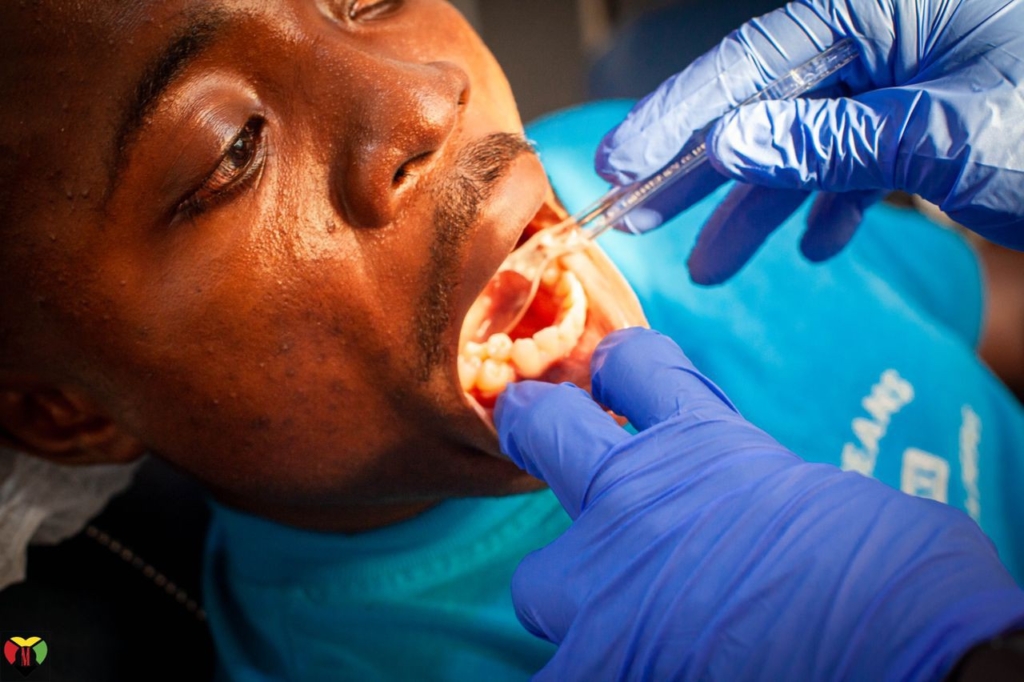
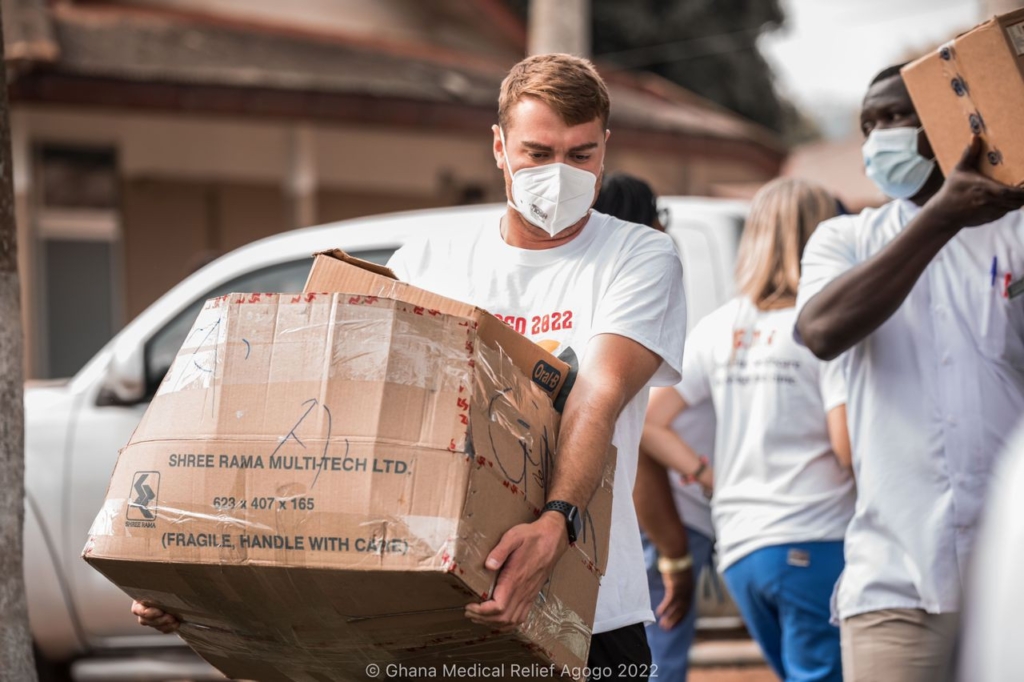
Thousands of residents in Berekum and surrounding communities in the Bono Region are expected to benefit from a massive free medical outreach spearheaded by Ghana Medical Relief (GMR), a humanitarian nonprofit organisation based in Ghana and the United States.

The outreach, scheduled from Monday, July 21 to Friday, July 25, 2025, will deliver essential health services in general medicine, paediatrics, urology, dental care, ophthalmology, and obstetrics and gynaecology, alongside health education, NHIS registration, and free medications.

Ghana Medical Relief targets 8,000 patients in free medical outreach in Berekum

Organisers say they are targeting at least 8,000 patients across the region, continuing GMR’s mission to make healthcare accessible to underserved populations.

“Our goal is to reach those who would otherwise go without basic medical care,” the group said in a statement requesting media support for awareness and coverage.

Since its inception in 2018, GMR has delivered similar outreach in Asiakwa, Anomabo, Atibie, Agogo, Tamale, and Bortianor, serving thousands of patients.

Ghana Medical Relief targets 8,000 patients in free medical outreach in Berekum

The organisation’s 2024 mission in Bortianor alone served over 5,200 people and facilitated NHIS registration for 2,500 others.

Fully volunteer-driven and donor-supported, the project aligns with UN Sustainable Development Goal 3, which seeks to ensure healthy lives and promote well-being for all.

terms and conditions for using Rokmer Pharma’s website

Vaccine procurement: Ghana pays $24.5m to GAVI – Health Minister 

Kwabena Mintah Akandoh, the Minister of Health

Ghana has paid $24.5 million to GAVI to secure a regular supply of vaccines, Mr Kwabena Mintah Akandoh, the Health Minister, has disclosed. 

He said the Government had demonstrated a steadfast commitment to the health and well-being of its children.  

“This year, we increased the budget for vaccines by 46 per cent. As of today, we have fully paid the country’s $24.5 million to GAVI,” Mr Akandoh stated in his half-year report on the health sector presented at a press conference during the Government Accountability Series at the Presidency in Accra. 

“This prompt payment will help ensure we avoid recurring shortages of critical vaccines, which can lead to outbreaks,” he said. 

The Minister reiterated that by August, Ghana would receive hundreds of thousands of vaccine doses ready to reach every community across the nation.  

“As we say, investing in our children’s health today is securing Ghana’s  

tomorrow,” he stated, adding that, “we are not resting on our achievements. The government will continue to prioritise and invest in immunisation to protect every child and build a healthier nation for generations to come.” 

With regards to Vaccine Manufacturing, Mr Akandoh said the government had pledged and remains dedicated to making Ghana a centre for vaccine manufacturing.  

He said in this regard, the National Vaccine Institute was collaborating with the  

regulatory authority and pharmaceutical industry stakeholders to bring this plan to reality. 

Mr Akandoh announced that one of their private sector partners had obtained market authorisation from Ghana’s  

Food and Drugs Authority (FDA) to produce Snake Anti-Venom Serum on a commercial scale, marking the next step in their goal to shift Ghana from a consumer to a producer. 

terms and conditions for using Rokmer Pharma’s website

Dr. Amuasi champions healthy sustainable socio-ecological systems thinking in Lancet One Health Commission Report

Dr. Amuasi champions healthy sustainable socio-ecological systems thinking in Lancet One Health Commission Report

The Lancet One Health Commission (LOHC) has released its report, hammering home that global health resilience will depend on systemic, cross-sectoral reform that acknowledges the interconnectedness of humans, animals, and the shared environment.

Launched in 2019 with 24 commissioners from different institutions and countries, the LOHC has evolved over the years, mobilizing high-level thought leadership across disciplines to tackle challenges including pandemics, antimicrobial resistance, climate change, and food insecurity.

Co-chaired by Dr. John Amuasi, Head of the Department of Global Health, KNUST and Lead of the Global Health and Infectious Diseases Research Group at the Kumasi Center for Collaborative Research in Tropical Medicine and the Bernhard Nocht Institute of Tropical Medicine in Germany, and Prof. Andrea Winkler, Director of the Centre for Global Health at the Technical University of Munich, the Commission has spent the past six years weaving together a narrative that shows how human well-being is inextricably interconnected with the health of animals, and the shared environment.

“The days of thinking in silos are over. Our report shows that health for all depends on breaking disciplinary boundaries and investing in One Health-informed systems that are robust, equitable, and future-ready,” said Dr. Amuasi.

“Health is not an isolated medical issue. It arises within complex ecosystems,” added Professor Jürgen May, Chair of the Board and Head of the Department of Infectious Disease Epidemiology at BNITM, and a member of the Commission. “If we keep thinking in silos, we risk pandemics, drug-resistant pathogens, and the collapse of food systems.”

The Commission’s work has unfolded alongside major global health crises, from the COVID-19 pandemic and Ebola outbreaks to growing climate-related disasters, revealing that fragmented responses are no match for increasingly complex health threats. Its report, titled “Harnessing Our Interconnectedness for Equitable, Sustainable, and Healthy Socioecological Systems,” presents both a diagnosis and a prescription.

The report was published on Thursday, July 17, and formally introduced to the public during a digital launch event later that day. The global event attracted over 1,100 registrants and was viewed by 615 unique participants, including researchers, policymakers, students, and civil society leaders from across the globe.

Panelists at the launch explored the report’s implications for education, governance, and implementation. They stressed practical pathways to embed One Health at various levels, including local, national, and global systems, and answered questions regarding cross-sectoral financing, surveillance, and local adaptation.

“We are proposing a shift from reactive policy to anticipatory governance,” said Dr. Amuasi. “That means investing in integrated early warning systems, building cross-sectoral capacity, and creating a society-wide One Health-literate citizenry – from school children to heads of states.”

Woven through the report is a silver thread: One Health is the ideal framework for collaboration and a necessary lens through which to imagine and create a sustainable future. The Commission outlines concrete recommendations, including curriculum reform, funding realignment, regulatory harmonization, and infrastructure development that bridges human, animal, and environmental health sectors.

The LOHC also calls for the integration of socio-anthropological research and indigenous knowledge systems into global health governance, warning that poorly informed technical solutions will fail at solving politically and culturally complex problems.

Zoonotic spillovers, antimicrobial resistance, and climate-induced migration continue to threaten global health stability, making the LOHC’s report feel like a manifesto for the future.