Rokmer Pharma Ltd

admin

terms and conditions for using Rokmer Pharma’s website

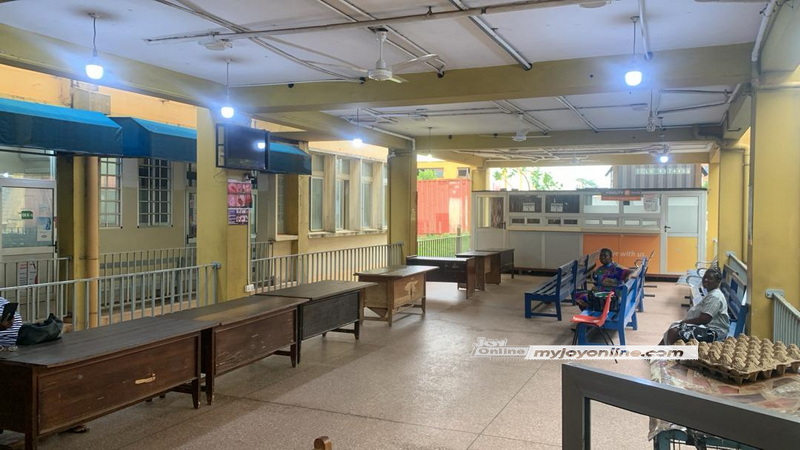
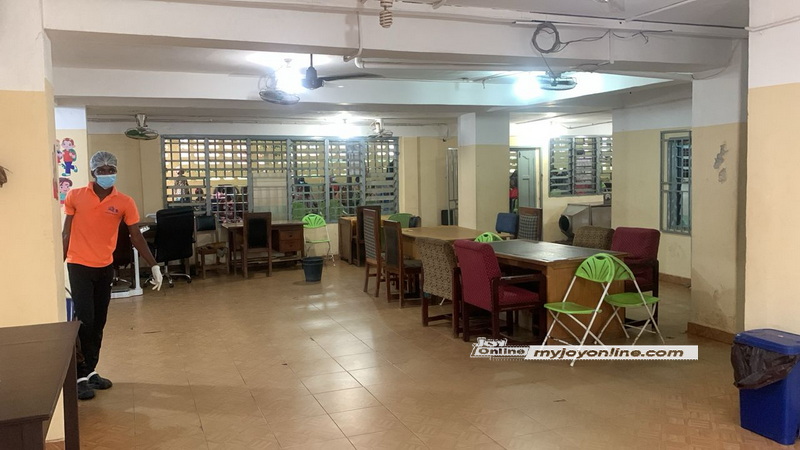
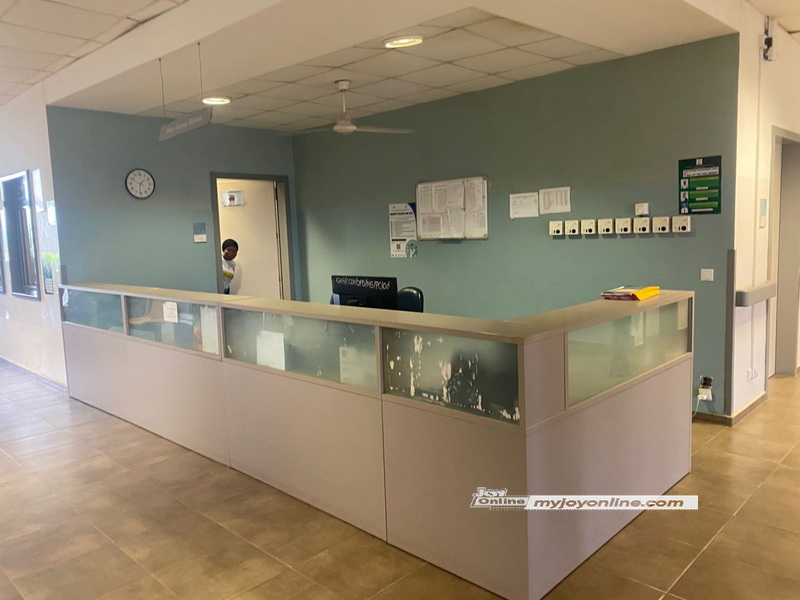
Photos: Nurses and midwives’ strike leaves some hospitals empty

Photos: Nurses and midwives' strike leaves some hospitals empty

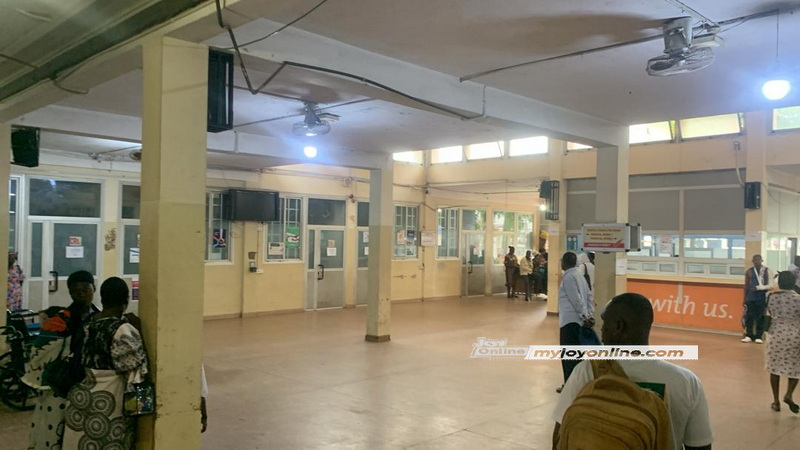
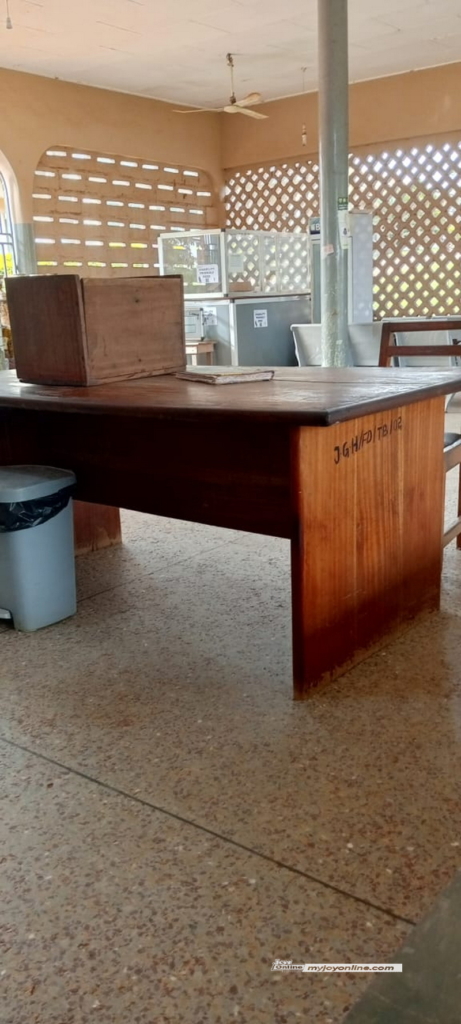
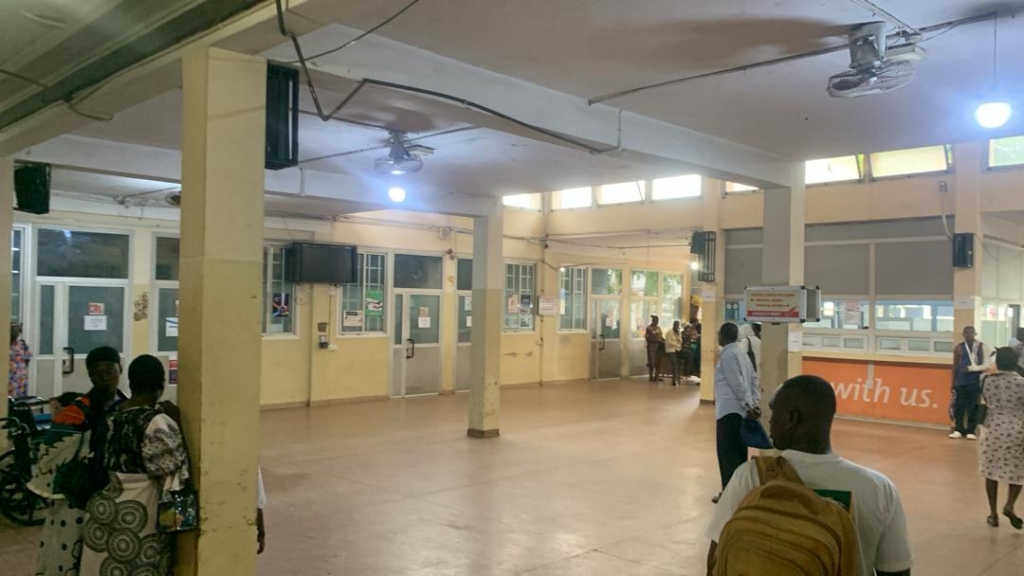
The ongoing strike by nurses and midwives in public hospitals across Ghana continues to severely impact healthcare delivery, leaving patients stranded and medical services disrupted.

Visits to many health facilities across the country on Wednesday, June 2, revealed that nurses and midwives have abandoned posts, leaving patients stranded.

Photos: Nurses and midwives' strike leaves some hospitals empty


Photos: Nurses and midwives' strike leaves some hospitals empty

terms and conditions for using Rokmer Pharma’s website

NLC declares midwives and nurses’ strike illegal, orders them to call it off

NLC declares midwives and nurses' strike illegal, orders them to call it off

The National Labour Commission has declared the ongoing industrial action by the Ghana Registered Nurses and Midwives’ Association (GRNMA) illegal, following the association’s failure to comply with procedural requirements under the Labour Act.

The ongoing strike by nurses in public hospitals across Ghana continues to severely impact healthcare delivery, leaving patients stranded and medical services disrupted.

In many health facilities, nurses have abandoned posts, leaving patients stranded.

The Ministry of Health has responded by issuing a series of emergency directives aimed at maintaining essential healthcare services while the Ghana Registered Nurses and Midwives Association (GRNMA) proceeds with its industrial action.

According to a press release by the NLC, it received a Notice of Industrial Action from the GRNMA on May 29, 2025.

Acting swiftly under Section 162 of the Labour Act, 2003 (Act 651) and Regulation 20 of L.I. 1833 Labour Regulations 2007, the Commission summoned the association to appear before it on June 4, 2025.

The nurses and midwives were also directed to halt all planned actions, including wearing red bands and withdrawal of services, pending the Commission’s intervention.

While representatives from the Fair Wages and Salaries Commission, the Ministry of Health, allied institutions, and the Ministry of Finance appeared before the Commission on the appointed day, the GRNMA failed to attend and proceeded with the industrial action as planned.

The Commission notes that the GRNMA did not comply with Section 159 of the Labour Act, which sets out the proper notice requirements for such actions.

Consequently, the industrial action has been declared illegal, with an immediate directive for the association to call off the strike.

The leadership of the Ghana Registered Nurses and Midwives’ Association has been urged to continue engagements with the Fair Wages and Salaries Commission regarding the implementation of the Collective Agreement and to report the outcome of discussions by June 25, 2025, at 2:30 pm.

The Commission emphasised the importance of adhering to established legal processes to ensure industrial harmony, especially given the essential services provided by nurses and midwives in the healthcare sector.

terms and conditions for using Rokmer Pharma’s website

Ghana’s Dr. Delese Mimi Darko elected first Director-General of African Medicines Agency

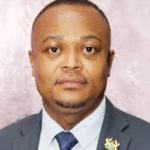
Mimi Darko

Ghana’s Dr. Delese Mimi Darko has been elected as the inaugural Director-General of the African Medicines Agency (AMA).

The election took place during the 2nd Ordinary Session of the Conference of State Parties held in Kigali, Rwanda, from June 2 to 4, 2025 .

Dr. Darko, who has served as the Chief Executive Officer of Ghana’s Food and Drugs Authority (FDA) since 2017, emerged as the top candidate in a competitive selection process that attracted 149 applicants from across Africa.

Ghana’s Dr. Delese Mimi Darko elected first Director-General of African Medicines Agency

Dr. Darko is expected to leverage her vast experience to steer the AMA towards achieving its mandate of ensuring the availability of quality medical products across Africa

The AMA, established under a treaty adopted by the African Union in 2019, aims to enhance the capacity of state parties and regional economic communities to regulate medical products, thereby improving access to quality, safe, and effective medicines across Africa. With its headquarters in Kigali, the agency is poised to play a pivotal role in harmonizing medical regulations and combating the proliferation of substandard and counterfeit medical products.

Dr. Darko’s election has been met with widespread acclaim. Ghana’s Foreign Affairs Minister, Samuel Okudzeto Ablakwa, congratulated her on X (formerly Twitter), stating, “I congratulate Dr. Mimi Darko and Team Ghana for the incredibly successful campaign. President Mahama deserves full plaudits for his amazing support and leadership”

Dr. Darko is expected to leverage her vast experience to steer the AMA towards achieving its mandate of ensuring the availability of quality medical products across Africa.

Her appointment represents a significant step forward in the continent’s efforts to bolster its healthcare systems and regulatory frameworks.

terms and conditions for using Rokmer Pharma’s website

Strike by nurses disrupts healthcare services across Ghana

Empty hospital, stranded patients

The ongoing strike by nurses in public hospitals across Ghana continues to severely impact healthcare delivery, leaving patients stranded and medical services disrupted.

In many health facilities, nurses have abandoned post, leaving patients stranded.

The Ministry of Health has responded by issuing a series of emergency directives aimed at maintaining essential healthcare services while the Ghana Registered Nurses and Midwives Association (GRNMA) proceeds with its industrial action.

In a statement released by Tony Goodman, spokesperson for the ministry, a high-level meeting took place on May 30, 2025, between the Ministry and major stakeholders in the nursing and midwifery sector. The meeting included representatives from the GRNMA, the Union of Professional Nurses and Midwives (UPNMG), the Ghana Registered Midwives Association (GRMA), the National Association of Registered Midwives (NARM-G), the Psychiatric Nurses Association of Ghana (PAPNG), and the Nurses and Midwives Educators Society.

At the meeting, the unions presented a unified demand for the implementation of a Collective Agreement signed in 2024, which they claim has not been honored. Health Minister Kwabena Mintah Akandoh assured the stakeholders that their concerns would be addressed promptly.

While most of the associations agreed to continue offering services, the GRNMA maintained its position to go ahead with the strike, prompting the Ministry to prepare for the disruption.

Strike by nurses disrupts healthcare services across Ghana

In many hospitals, nurses have abandoned post, leaving patients tranded at the OPD

Ministry responds with contingency plans

In anticipation of the strike’s impact, the Ministry has instructed public health facilities to activate contingency plans. Key measures include:

  • Hospital managers, especially Directors of Nursing Services and their Deputies, are required to be present at work throughout the strike period.
  • Unit heads must ensure that maternity and emergency services remain operational in all hospitals.
  • The Ambulance Service is to remain on standby across all districts to assist with emergency cases.
  • Coordinating structures are to be set up to manage emergencies, ensuring a continuous link with ambulance services.
  • Daily reports on service delivery from the Director-General of the Ghana Health Service, CEO’s, and Medical Directors of Teaching Hospitals will be submitted to the Acting Chief Director of the Ministry.
  • The Ministry will collaborate with quasi-government health facilities to handle the expected increase in patient numbers during the strike.
  • Rotational nurses and nurses undergoing mandatory clinicals have been advised not to participate in the strike.

The Ministry emphasized that it is closely monitoring the situation to ensure that all necessary logistics and support systems are in place to mitigate the disruption caused by the industrial action.

While acknowledging the nurses and midwives who have chosen not to join the strike, the Ministry has reiterated its appeal to the GRNMA to reconsider its decision, highlighting that discussions are ongoing to resolve the outstanding issues.

terms and conditions for using Rokmer Pharma’s website

Pharmaceutical sector responds to Cedi stability, announces price cuts to support public health

Pharmaceutical sector responds to Cedi stability, announces price cuts to support public health

The Ghana National Chamber of Pharmacy (GNCoP) and the Pharmaceutical Importers & Wholesalers Association (PIWA) have jointly commended the Government of Ghana, the Ministry of Finance, and the Bank of Ghana for recent policy measures that have led to a significant and sustained appreciation of the Ghanaian cedi, particularly against the US dollar.

In a statement released on Wednesday, the two major pharmaceutical bodies described the cedi’s performance as a “strong indicator of improving macroeconomic stability,” noting that it is already delivering concrete benefits to Ghana’s heavily import-reliant pharmaceutical sector.

The sector, which imports a substantial volume of active pharmaceutical ingredients (APIs), finished medical products, consumables, and equipment, has seen operational costs ease due to the stronger local currency.

Among the key impacts cited are:

  • Reduced Import Costs: The stronger cedi has lowered foreign exchange costs, translating to reduced prices of essential medicines and health products.
  • Better Business Planning: Greater currency stability has improved predictability in pricing and procurement, especially for small and medium enterprises in the sector.
  • Improved Access to Medicines: With financial pressure easing, pharmacies and hospitals are better placed to maintain stock levels of essential medicines, enhancing access and improving health outcomes.

Despite these gains, the statement acknowledged that many pharmaceutical businesses are still grappling with the effects of past currency depreciation, including high procurement costs for older stock.

Nonetheless, in a show of support for the government’s inflation control measures and in the interest of public health, the GNCoP and PIWA have announced a price reduction of 5% to 15% across the board for pharmaceutical products.

“This decision is a demonstration of our sector’s commitment to national development and public health,” said Pharm. Audrey Serwaa Bonsu, Chief Executive Officer of GNCoP.

“We are ready to contribute meaningfully to reducing inflation, alleviating pressure on consumers, and improving access to medicines.”

The pharmaceutical bodies also urged the government to sustain its prudent economic management and increase support for private sector players, particularly in healthcare.

They reaffirmed their commitment to collaborating with all stakeholders to ensure medicine security, affordability, and resilience in Ghana’s public health system.

The price cut is expected to provide much-needed relief to both consumers and healthcare providers, especially amid ongoing efforts to curb inflation and stabilize the economy.

terms and conditions for using Rokmer Pharma’s website

Ghana urged to prioritise maternal mental health amid rising postpartum depression cases

Ghana urged to prioritise maternal mental health amid rising postpartum depression cases

Mental health professionals are calling on the government and health stakeholders to urgently integrate maternal mental health into essential child health services, citing the growing threat of postpartum depression (PPD) in Ghana.

Speaking during a stakeholder engagement and first quarter Risk Communication Sub-Committee meeting on essential child health services in Ho, the Regional Mental Health Officer for the Volta Region, Salome Addy, highlighted alarming figures and gaps in care.

“Postpartum depression is affecting more Ghanaian women than we realize. It’s time we treated maternal mental health as a public health priority,” she said.

Globally, one in seven women suffers from PPD. In Ghana, studies show a prevalence rate of 3.1 per cent in secondary health facilities, rising sharply to 41 per cent in tertiary hospitals like Korle Bu.

The condition, often triggered by hormonal changes, stress, and lack of support, is linked to maternal suicide and long-term developmental problems in children.

Addy emphasised that despite the risks, Ghana lacks a clear national policy on maternal mental health. A recent WHO-FCDO analysis found limited training for healthcare providers, inadequate screening, and poor access to psychological services in maternal care settings.

“There is no health without mental health,” she stressed, calling for urgent policy reforms, regular screening for pregnant women, public education, and investment in mental health services at all levels of care.

The engagement was organised by the Volta Regional Health Directorate to strengthen risk communication and improve child and maternal health outcomes in the region.

terms and conditions for using Rokmer Pharma’s website

Volta Region records decline in child immunisation coverage – Health officials

Volta Region records decline in child immunisation coverage - Health officials

Health authorities in the Volta Region have raised concerns over the decline in child immunisation coverage in the first quarter of 2025, which could serve as a fertile ground for the outbreak of vaccine-preventable diseases.

At a stakeholders’ engagement/first quarter Risk Communication sub-Committee meeting organised by the Volta Regional Health Directorate in Ho, the Regional EPI (Expanded Programme on Immunization) Coordinator, Emmanuel Bonsu, revealed that overall vaccination coverage for key antigens such as Penta 3 and MR2 has declined in most districts compared to the same period last year.

For instance, Penta 3 coverage in the region dropped from 78.4 per cent in early 2024 to 70.8 per cent in 2025. Similarly, MR2 coverage reduced from 70.2 per cent to 69.3 per cent. Districts such as Ho, Anloga, and Ketu South saw particularly sharp decreases, raising red flags among health officials.

Mr. Bonsu attributed the downward trend to several factors, including inadequate staffing due to high attrition, limited funding for outreach services in remote communities, and community engagement.

“This is a wake-up call,” he said. “We need urgent action to prevent vaccine-preventable diseases from resurfacing in our communities.”

The presentation also spotlighted the African Vaccination Week (AVW) and Child Health Promotion Week (CHPW), celebrated annually in April and May respectively.

These initiatives, supported by WHO and Ghana Health Service, aim to intensify immunisation efforts, promote nutrition, growth monitoring, and birth registration among children.

Under the theme “Every Child Deserves a Healthy Future; Invest in Your Child. Attend ‘Weighing’ Regularly,” the CHPW will deliver services such as deworming, Vitamin A supplementation, insecticide-treated net promotion, and school-based health screenings.

To address the immunisation gaps, Mr. Bonsu proposed strengthening routine immunisation systems, increasing support for hard-to-reach areas, engaging civil society organizations, and conducting mop-up campaigns for children who missed vaccinations.

Health stakeholders pledged to boost advocacy, mobilization, and resource allocation to ensure no child is left behind in the region’s immunization drive.

terms and conditions for using Rokmer Pharma’s website

Association of Health Service Administrators trains members on medical negligence

Association of Health Service Administrators trains members on medical negligence

The Ashanti Regional Caucus of the Association of Health Service Administrators, Ghana (AHSAG), has held a Continuing Professional Development (CPD) workshop to educate members on preventing the rising incidence of medical negligence, particularly amid the growing prevalence of medicolegal issues in healthcare facilities.

Medical negligence remains a persistent challenge in Ghana, with numerous reports of patients suffering harm due to inadequate care or errors by healthcare professionals and institutions.

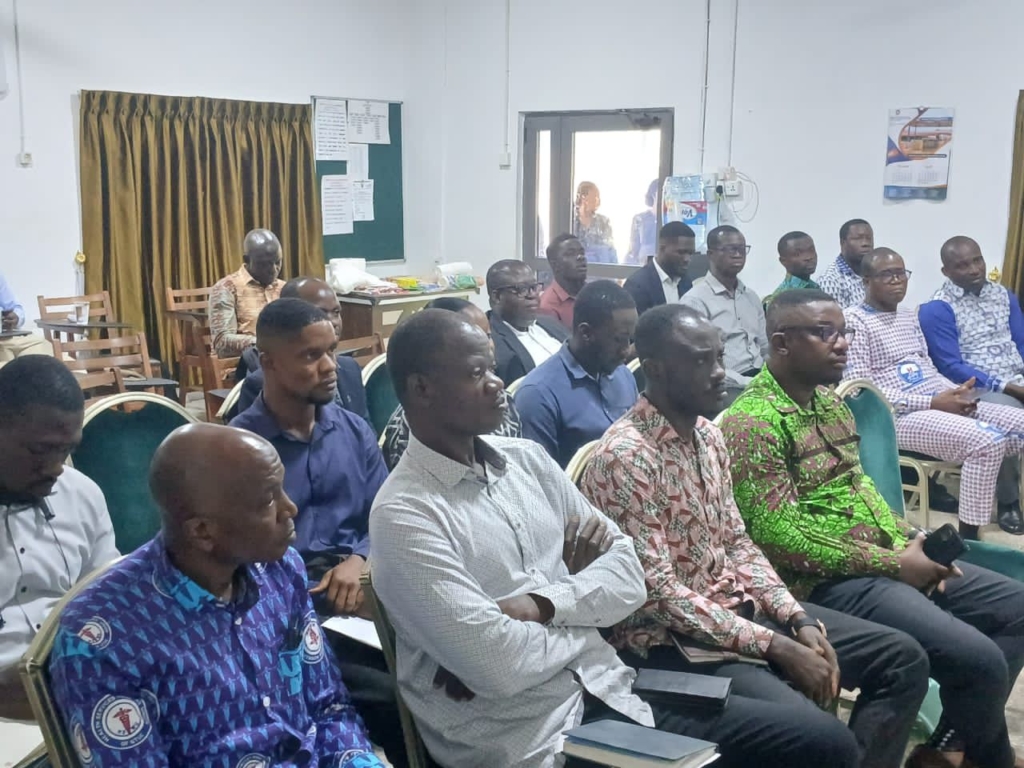
Participants included Health Service Administrators from various health facilities across the region, including those under the Ghana Health Service (GHS), Christian Health Association of Ghana (CHAG), teaching hospitals, and private health institutions. They were sensitised on best practices aimed at avoiding institutional liability and promoting effective patient care.

The workshop was hosted by the leadership of the Presbyterian Hospital in Agogo, led by Rev. Ezekiel Amadu Daribi, General Manager of the Asante Akyem Area Health Service of the Presbyterian Church of Ghana, who also serves as the National President of AHSAG.

Association of Health Service Administrators trains members on medical negligence

Rev. Daribi admonished the members to exhibit Godly leadership, hard work, and commitment in their day-to-day endeavours.

The facilitator, Lawyer Francis Kwaku Acheampong, urged the group to try their best as much as possible to prevent their hospitals from medical suits.

“Medical negligence: surgical errors, misdiagnosis are on the rise. Managers are responsible for the day-to-day management of the hospitals, and there must be compliance with the GHS and Teaching Hospitals Act 525, Section 30,” he said.

The Municipal Director of Health, Ghana Health Service, Mr. Roland Welaga Miah called for effective partnership and collaboration between Municipal/District Directors and Health Service Administrators for quality service delivery.

The Ashanti Regional Chairman of the Association, Kuupil Benjamin, Administrator for Effiduase Government Hospital, was excited for the knowledge imparted to the members and cautioned the members to adhere to the tips and advice provided.

terms and conditions for using Rokmer Pharma’s website

Our condition of service is not renegotiable – GRNMA Secretary

Our condition of service is not renegotiable – GRNMA Secretary

The Ghana Registered Nurses and Midwives Association (GRNMA) has drawn a firm line in the sand over its conditions of service, insisting that it will not return to the negotiation table.

According to the association, the terms were already thoroughly negotiated, mutually agreed upon, and officially signed — yet, to date, they remain unimplemented.

Speaking on JoyNews’ The Pulse show, General Secretary of the GRNMA, David Tenkorang, described the situation as one of deliberate inaction by the Ministry of Health, stressing that the association is not demanding anything new but simply calling for the enforcement of what has already been settled.

“The reason is very simple,” he said. “We negotiated our conditions of service. It was signed, sealed, and delivered — but it is not seeing implementation. All that we are asking the Ministry of Health is to approve the signed condition of service for implementation.”

During the interview, the host, Elton Brobbey, referenced a Tweet from the official X (formerly Twitter) account of the Ministry of Health, which stated that the Ministry is operating an “open-door policy”, suggesting that stakeholders like the GRNMA should engage in dialogue rather than take entrenched positions.

But Mr Tenkorang firmly rejected this proposition.

“Discussion on what? We have negotiated, and our conditions of service are not open for renegotiations,” he said. “Perhaps that is what they are taking advantage of. Our case is very simple — we’re saying it has already been negotiated. All the government needs to do is approve it for the Controller and Accountant General to implement. There is no need to go and sit down again. To do what with it?”

He noted that although successive governments may come and go, the Ministry of Health, as the employer, has remained constant and therefore has no excuse for delaying implementation of the agreement.

“I am an opinion leader, and I often do not like to subscribe to the notion of ‘government this’ or ‘government that’. We deal with the employer, and the employer is the same. The government may change, but the Ministry of Health hasn’t changed. Just because a new government is in place doesn’t mean previously agreed terms should be curtailed.”

Mr Tenkorang emphasised that the Association’s demands are not excessive or unrealistic.

“We have had enough patience with this administration. They must turn their attention to our demands. These are not elastic demands — they are inelastic. They can be met easily. I don’t see why this should be dragged out.”

He recalled the pivotal role played by nurses and midwives during the COVID-19 pandemic and expressed disappointment that such dedication has not been rewarded.

“We are ready to work and protect our people. Even during COVID, we stood firm and provided essential services. That shows you how dedicated we are — we break our backs to bring smiles to the faces of Ghanaians.”

He also highlighted the growing exodus of nurses and midwives from Ghana, warning that those who remain are doing so at great personal sacrifice.

“There is no ban on us travelling — we can also go. But many of us have decided to stay and build Ghana. If people want us to continue putting our shoulders to the wheel to propel this country’s development, then the government must do the needful,” he concluded.

terms and conditions for using Rokmer Pharma’s website

Mpox outbreak: 26 new cases confirmed, total cases now 45

Mpox outbreak: 26 new cases confirmed, total cases now 45

The Ghana Health Service (GHS) has confirmed 26 new cases of Mpox, bringing the total number of infections across the country to 45.

The new cases were reported as of May 31, 2025, and were announced by the Ministry of Health in an update shared on its Facebook page on Tuesday, June 3.

Although the number of confirmed cases has increased sharply, no deaths have been recorded. Two people are currently receiving treatment.

The rise in case numbers has been attributed to more active surveillance and improved contact tracing, which are helping to detect and isolate infections more quickly within communities.

Health authorities have urged the public to continue observing basic safety practices.

These include avoiding close contact with anyone showing symptoms, maintaining good hygiene, and visiting the nearest health facility if any symptoms appear.

The GHS said regular public updates will be provided every Tuesday on its official social media pages.

Officials have called for public cooperation to help contain the outbreak.