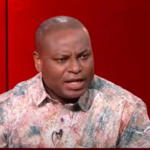
The Communications Director of the opposition New Patriotic Party (NPP), Richard Ahiagbah, has called for the immediate dismissal of the Health Minister, Kwabena Mintah Akandoh, over the recent nationwide strike by the Ghana Registered Nurses and Midwives Association (GRNMA).
According to him, the Minister’s behaviour was unacceptable, calling for his resignation over what he describes as poor handling of the nationwide nurses’ and midwives’ strike.
“Honourable Kwabena Mintah Akandoh, the Minister for Health, must go. He should have been gone. He must go home—leave the Ministry and go home,” Mr Ahiagbah said on Accra-based Citi TV on Saturday.
Referencing Mr Akandoh’s past role as Ranking Member on Parliament’s Health Committee, Mr Ahiagbah recalled, “Did you see the things he was doing and saying? He accused Dr. Agyemang-Manu of looking on for a strike—a local strike in Kumasi, Komfo Anokye—over administrative professional matters.”
He said the same individual who once criticised his predecessor for failing to address local unrest was now presiding over a national healthcare crisis without decisive leadership.
The NPP Communications Director accused Mr Akandoh of ignoring early warning signs from as far back as January and failing to honour assurances that the nurses’ concerns would be addressed in the 2025 Budget.
“They found all the fiscal space to allocate GH¢2.7 billion for compensation at the Jubilee House, but didn’t prioritise the health of Ghanaians,” he said.
He also lashed out at the Health Minister’s proposal to recall retired nurses to fill the gap created by the strike, describing the idea as “reckless and insensitive.”
“That kind of hardball he was playing with people’s health was repugnant. People died because of his negligence. For that reason, he must be gone,” Ahiagbah insisted.
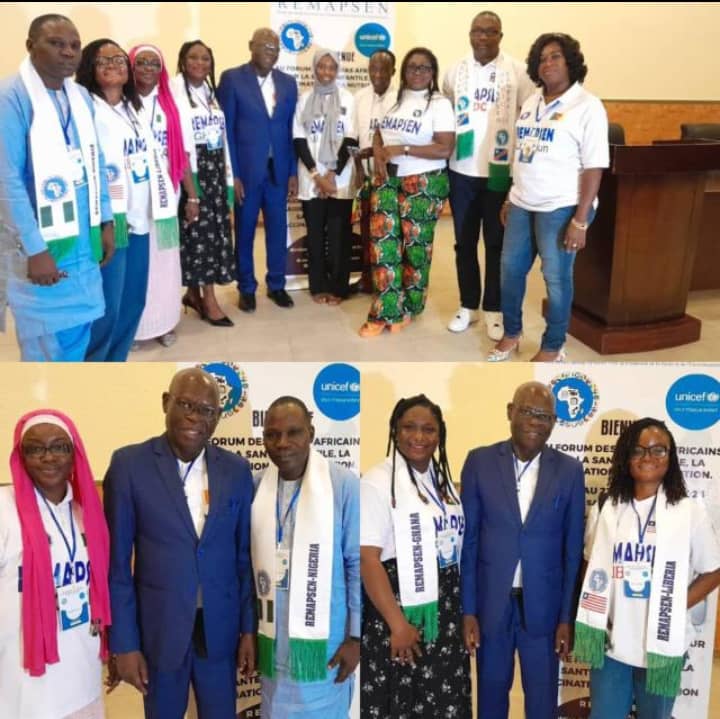
Today, June 13, 2025, marks a significant milestone for the African Network of Journalists for the Promotion of Health and the Environment (REMAPSEN) as it celebrates its fifth anniversary.
Since its founding in 2020, REMAPSEN has grown into a formidable coalition of journalists and media professionals from around 40 African countries, united in their mission to promote public awareness and media advocacy on pressing health and environmental issues.
In a commemorative message, President of REMAPSEN, Bamba Youssouf, commended the network’s members for their dedication and tireless work over the past five years.
“This is an opportunity for me to thank each member of our young organization for the work accomplished in raising awareness and advocacy in such a short time,” Youssouf stated.
Founded at the height of the COVID-19 pandemic, REMAPSEN emerged from the urgent need for reliable, science-based information on public health and the environment.
Since then, the network has been instrumental in spearheading continent-wide media campaigns on issues ranging from pandemic preparedness and vaccination awareness to climate change, pollution, and sustainable development.
Among REMAPSEN’s notable achievements are:
Extensive training programmes for African journalists on science and environmental reporting.
Partnerships with the WHO, UNEP, and local NGOs to produce investigative stories on climate resilience and disease outbreaks.
Nationwide campaigns on malaria prevention, water sanitation, and the health implications of mining and deforestation.
The launch of an online multimedia platform for sharing verified information and educational resources on health and environmental issues.
Youssouf noted that while the first five-year phase was focused on building the network’s foundation, the next stage will prioritise asserting REMAPSEN’s leadership across the continent.
“While the first five-year term of our network was dedicated to organising and implementing REMAPSEN in its member countries, the second will be dedicated to reaffirming its leadership,” he said.
According to him, “indeed, the media, still considered the fourth estate, must now assume their responsibilities in informing populations in the face of the emergence of new pandemics, such as COVID-19 in 2020.”
Looking ahead, REMAPSEN plans to launch a pan-African media monitoring unit to ensure the spread of factual, life-saving information and to combat health and environmental misinformation.
The organisation also intends to expand its support for investigative journalism initiatives tackling illegal waste dumping, air and water pollution, and the health effects of climate-induced migration.
In his closing remarks, Youssouf made a clarion call to action:
“I urge all African media outlets to strengthen their commitment to a continent where every person has a legal right to accurate and truthful information in the areas of health and the environment. Africa will be better for it.”
As REMAPSEN celebrates its fifth anniversary, the organisation remains committed to its founding vision: an Africa where empowered media professionals serve as catalysts for public health, environmental stewardship, and sustainable development.
In a world where malaria continues to claim the lives of thousands, especially children, every year, grassroots activism has become a vital force in the fight against the disease.
Among the growing wave of change-makers is Precious Baba, a determined malaria activist whose recent outreach has touched lives in two underserved corners of Africa: Mashambanhaka Primary School in Zimbabwe and the slums of Duala, Cameroon.
Recognising that prevention is the most effective tool against malaria, Precious Baba recently donated dozens of insecticide-treated mosquito nets to students in Mashambanhaka Primary School.
In rural Zimbabwe, where access to healthcare is often limited and homes lack proper protection against mosquitoes, such a gesture can mean the difference between life and death.
Her intervention aims to reduce malaria transmission rates among school-age children, a group highly vulnerable to infection.
Precious also distributed sanitary pads to the girls, recognizing the connection between menstrual health and school attendance.
In doing so, she addressed two pressing issues simultaneously by empowering girls to stay in school while also helping them protect themselves from malaria.
The same mission carried her to Duala, where she reached out to children living in slum communities often overlooked by public health initiatives.
In these densely populated areas with poor drainage and limited sanitation, malaria spreads rapidly. With bundles of mosquito nets in hand and a message of hope, Precious Baba met families where they live, sleep, and struggle, offering them a tool for survival.
Her work exemplifies the power of community-driven malaria prevention, bridging the gap between policy and people. Rather than wait for top-down solutions, Precious is taking action one mosquito net and one schoolchild at a time.
As malaria continues to challenge public health systems across sub-Saharan Africa, activists like Precious Baba are proving that localized, compassionate action can have a wide-reaching impact. With her feet on the ground and her heart set on change, she is not just handing out nets. She is handing out a future free from malaria.
Some Civil Society Organisations are proposing reforms in national policy strategies to include family planning and safe sex, as they argue that abstinence education in schools is failing to reduce adolescent pregnancies.
They observe that restrictive legal frameworks, insufficient funding, and gaps in reproductive health education continue to be a bane to Ghana’s efforts in clamping down on teenage pregnancies and child marriages.
The country’s average teenage pregnancy rate currently stands at 15.2%, with the Savannah and Ashanti regions leading the devastating menace plaguing the youth.
The situation is further exacerbated by Socio-cultural constraints, inconsistent policy implementation, and a lack of legal harmonization.
Teenage pregnancy continues to be on the rise in Ghana – from a national average of 14.2% in 2014, the 2022 Demographic and Health Survey reports a 1% increase in nearly a decade. The Savannah, Ashanti and North East regions top the list of teenage pregnancy rates, recording 26% and 24% respectively.
The worrying trend has been attributed to failed strategies, including the Ghana Education Service’s sole policy on preaching abstinence.
At the Ashanti regional workshop on Sexual Reproductive Health Rights in Ghana, stakeholders noted that strategies adopted to tame the growing menace are failing to yield the needed results.
Advocacy and Youth Coordinator at Marie Stopes International, Henrietta Kaakyire Atta, highlighted the importance of reproductive health education.
“There is a fuss about when young people receive information about their reproductive health, they become promiscuous. But there is age-appropriate information. There are young girls who are abused and can’t tell their parents about it. They don’t even know whether or not what they engage in is an abuse. Teaching young people about their reproductive health is not about teaching them to go and have sex,” she noted.
Ghana reaffirmed its dedication to improving Sexual Reproductive Health through contraceptive access and utilization under the 2030 Family Planning commitments.
Ashanti Regional Head of the Gender Department, Ama Nyantah Boateng is advocating for reforms in sexual education policy in schools.
“Sensitization is still a primary issue in teaching the students, even though we call for some modification of the sexual education policy. Not all the children will carry along what we teach them, but we will still preach abstinence,” she noted.
The growing menace is a potential bane to Ghana’s socioeconomic growth and national development.
Population Policy Analyst at Development Advocacy Initiative Africa, Dr. Godfred Bonnah Nkansah wants frantic effort to clamp down on the canker.
“We are significantly outside the belt of accelerated development. It’s therefore not enough to keep the full focus on job creation, but pay attention to family planning. Let the families be capacitated to have the numbers they can take care of,” he said.
In advancing sexual reproductive health and actualizing the SDGs Agenda 2030 commitments, there are calls for urgent parliamentary action to bridge the gaps and foster sustainable development.
“Parliament must listen to the calls of the citizens and address the issue so that at the end of the day it can foster national development,” Programs Manager at Parliamentary Network Africa, Gilbert Borketey Boye-Fio, advised.
The workshop, organised by the Parliamentary Network Africa in collaboration with Marie Stopes International, was aimed at empowering champions for Reproductive Health Policy influencing through education and supportive environments.
Striking nurses and midwives have officially called off their nationwide industrial action, effective immediately, after days of disagreements with their employers, which led to widespread disruption to healthcare services.
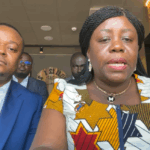
The decision, announced today, Friday, June 13, by the President of the Ghana Registered Nurses and Midwives Association (GRNMA), Mrs. Perpetual Ofori-Ampofo, follows intensive negotiations with government representatives and an impassioned plea for compassion from various stakeholders.
In a virtual news conference, she said “The engagement held with the Parliamentary Select Committee on Health and other interested parties on Thursday, 12th June 2025, was very fruitful, and has paved the way for an amicable resolution of the impasse with our employer, concerning the implementation of our collective bargaining agreement.”
“In view of point one above, the GRNMA’s industrial action initiated on 2nd June 2025, is hereby suspended pending the outcome of a follow-up meeting scheduled for 26th June 2025.”
She directed the over 120,000 nurses to resume work on Saturday, June 14th. She assured the nurses and midwives that they would not rest until the collective agreement was fully implemented.
She said that as trained and professional nurses and midwives, their concerns or demands ought to be treated with urgency and in good faith.
“We do not take delight in seeing our patients suffer; however, we cannot take good care of others when the system does not take good care of us.
She also clarified that the GRNMA is a non-partisan and professional association and trade union, and the holder of a collective bargaining certificate covering all nurses and midwives in Ghana.
“In its 65 years of existence, the association has never aligned with any party in Ghana; rather, it has worked with every government since 1960 in building a strong and more resilient health system responding to the needs of Ghanaians, while at the same time representing the interests of nurses and midwives in matters related to their welfare and general working conditions.”
She extended her appreciation to the leadership and members of the Parliamentary Committee on Health for their timely intervention in setting a clear framework for the implementation of their collective agreement. She also thanked the nursing and midwifery fraternity for adhering to the roadmap and the media for airing their concerns.
She urged Ghanaians not to engage in misinformation, disinformation and propaganda in dealing with critical national issues.
The strike, which began on June 2, 2025, and escalated to a full withdrawal of services by June 9, had severely impacted public hospitals and clinics across the country.
Patients were left stranded, emergency rooms stretched thin, and essential medical procedures postponed, leading to growing public outcry and concerns about preventable fatalities.
The GRNMA had demanded the full implementation of their 2024 Collective Agreement, which included provisions for various allowances such as the 30-month allowance, rural incentives, fuel, and uniform allowances.
The government had earlier highlighted its commitment to maintaining a 1.5% primary balance surplus as a key fiscal discipline target and maintained that the package for the nurses and midwives, which exceeds GH¢2 billion, would throw the current budget off gear.
Rather, the government pleaded for the nurses and midwives to accept an agreement which would factor their conditions of service into the next budget for implementation to kick off in 2026.
Consequently, the Deputy Minister of Finance, Thomas Nyarko Ampem, issued a direct appeal to striking nurses and midwives, urging them to return to the negotiation table.
This was backed by the Minister of Health, Kwabena Mintah Akandoh, who encouraged the nurses and midwives to return to their posts as solutions are fashioned to address the matter.
Patients and their families, who have borne the brunt of the strike, have expressed profound relief.
The GRNMA cautioned that while the strike is off, they will closely monitor the government’s adherence to the agreed roadmap.
With nurses and midwives expected to return to their posts fully by tomorrow morning, healthcare services across Ghana are anticipated to gradually return to normal, offering a much-needed respite to the nation’s fragile health system.
The prolonged industrial action by the Ghana Registered Nurses and Midwives Association (GRNMA) may be edging toward resolution following productive discussions with the government, mediated by the Parliamentary Select Committee on Health.
The meeting, which brought together high-level representatives from the Ministry of Health, the Ministry of Finance, and the Fair Wages and Salaries Commission (FWSC), alongside GRNMA officials, marked a significant shift in the impasse that has gripped the health sector since 4 June 2025.
The strike, which was triggered by delays in implementing the 2024 Conditions of Service agreed upon on 20 May 2024, has strained public healthcare delivery across the country.
Despite the National Labour Commission’s declaration that the strike is illegal, GRNMA has maintained its stance, vowing not to return to work until tangible steps are taken to address its demands.
During the meeting, the government team appealed to GRNMA to call off the strike and return to the negotiation table, stressing the importance of continued dialogue.
The parties agreed to reconvene in two weeks to further deliberate on the implementation of the 2024 Collective Agreement.
According to a statement issued on June 12, the discussions were constructive, with both sides demonstrating a willingness to compromise.
The government reiterated its challenges in implementing the agreed-upon conditions due to current budgetary constraints but reaffirmed its commitment to reaching a solution that is fair and sustainable.
The Parliamentary Select Committee on Health acknowledged the legitimacy of GRNMA’s concerns and pledged to play an active role in ensuring a resolution is found.
Committee members commended both parties for engaging in dialogue and underscored the urgent need to restore normalcy in the health sector.
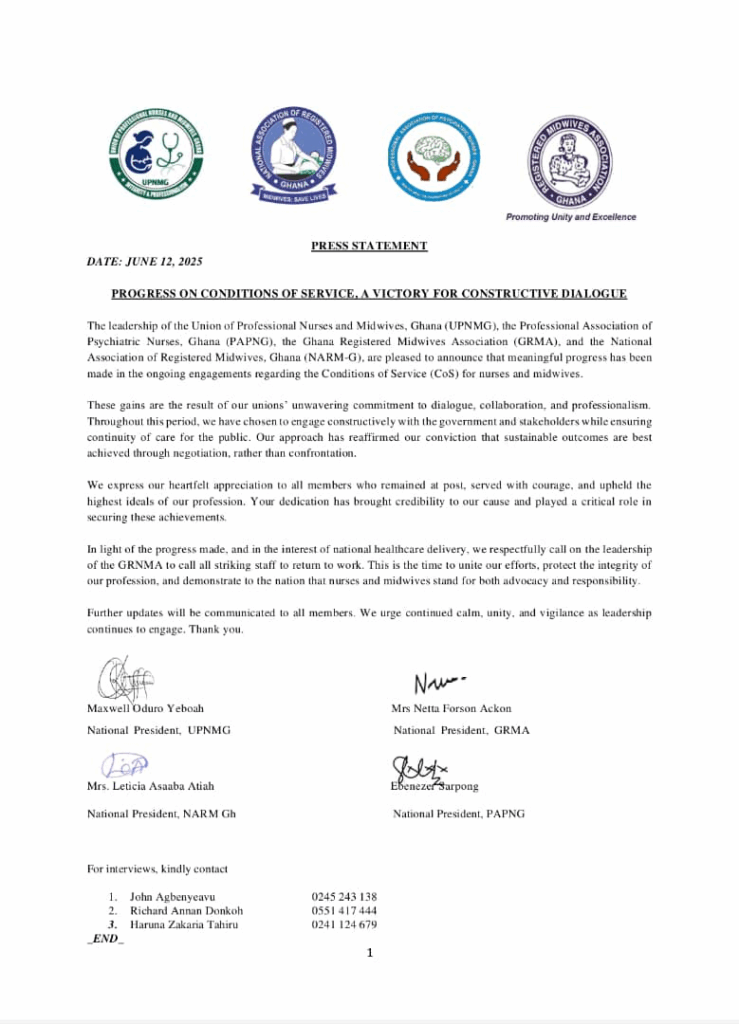
The Union of Professional Nurses and Midwives, Ghana (UPNMG), the Professional Association of Psychiatric Nurses, Ghana (PAPNG), the Ghana Registered Midwives Association (GRMA), and the National Association of Registered Midwives, Ghana (NARM-G), have jointly announced significant progress in the ongoing negotiations concerning the Conditions of Service (CoS) for nurses and midwives.
In a press statement issued on Thursday, June 12, the unions expressed satisfaction with the constructive dialogue that has taken place with the government and relevant stakeholders. The unions attributed this progress to their unwavering commitment to collaboration and professionalism throughout the negotiation process.
“These gains are the result of our unions’ unwavering commitment to dialogue, collaboration, and professionalism,” the statement read.
“Throughout this period, we have chosen to engage constructively with the government and stakeholders while ensuring continuity of care for the public. Our approach has reaffirmed our conviction that sustainable outcomes are best achieved through negotiation, rather than confrontation.”
The unions also expressed heartfelt appreciation to all members who remained at their posts during the period of uncertainty, commending their dedication and service.
“Your dedication has brought credibility to our cause and played a critical role in securing these achievements,” the statement continued.
In light of the progress made, the unions respectfully called on the leadership of the Ghana Registered Nurses and Midwives Association (GRNMA) to call off the ongoing strike and return to work. The unions emphasized the importance of unity and collaboration in advancing the interests of the nursing and midwifery professions.
“This is the time to unite our efforts, protect the integrity of our profession, and demonstrate to the nation that nurses and midwives stand for both advocacy and responsibility,” the statement concluded.
The unions assured members that further updates would be communicated in due course and urged continued calm, unity, and vigilance as leadership continues to engage with the government and other stakeholders.
The Fair Wages and Salaries Commission (FWSC) has stated that a re-negotiation of the conditions of service for the Ghana Registered Nurses and Midwives Association (GRNMA) is currently not under consideration.
In an interview on Adom FM’s Dwaso Nsem, the Chief Executive Officer, Dr. George Smith-Graham, expressed the Commission’s willingness to engage the nurses but noted that they have not been forthcoming.
“A review of the conditions of service, as far as I’m concerned, is not on the table for discussion at this moment. The only issue is the proposed shift in implementation to 2026,” he stated.
“They are an essential service and should have attached the same urgency to the matter as we did. The leadership should have met us to discuss our proposal for the shift, but they haven’t come back to us. This is making things difficult and does not augur well for the negotiations,” he added.
The GRNMA has been on strike since June 4, 2025, over the government’s failure to implement provisions of their 2024 Collective Agreement, which include allowances, incentives, and improved working conditions.
There have been several calls for the association’s leadership to suspend the strike and return to the negotiation table, but all efforts have proven unsuccessful.
However, the GRNMA has made it clear that although it remains open to discussions, it will not accept any attempt to reopen negotiations on issues that have already been finalised.
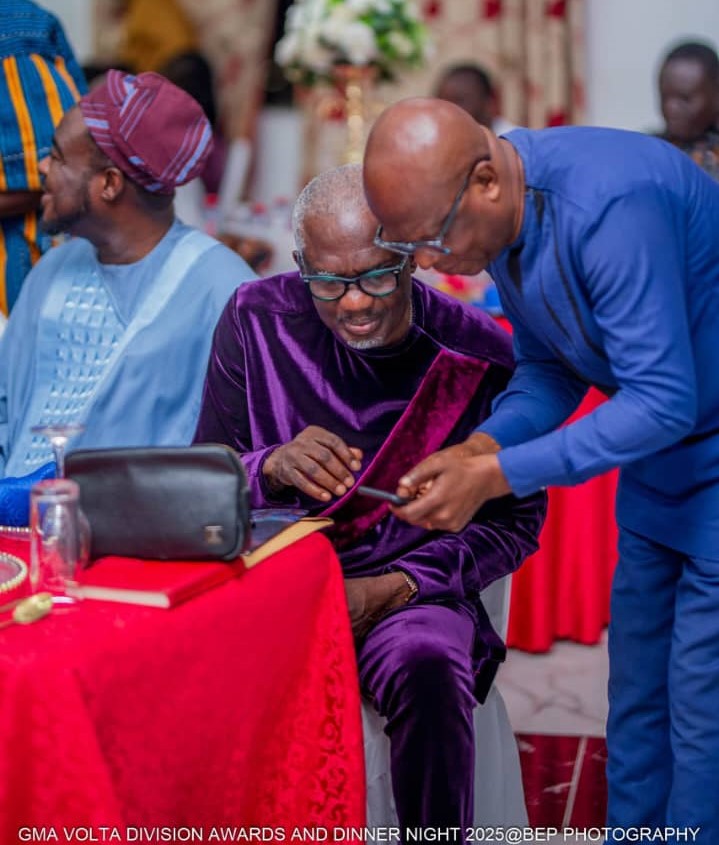
Healthcare professionals across the Volta and Oti Regions were honoured for their dedication and excellence at the Ghana Medical Association (GMA) Awards Night, celebrating outstanding service and commitment to patient care.
“This award is not just about individual accomplishments, but a tribute to the spirit of unity, resilience, and collective hope that drives the heart of healthcare in the Volta and Oti regions,” declared Dr. Adu Appiah-Kubi, Chairman of the Awards Committee, in his opening address at the Ghana Medical Association (GMA) Volta and Oti Regions’ Dinner and Awards Night.
Dr. Appiah-Kubi, an esteemed Obstetrician-Gynaecologist, set the tone for the evening with a stirring reminder of the greater purpose behind the awards ceremony—recognizing not only the hard work and achievements of healthcare professionals but also the shared commitment to fostering progress, healing, and collaboration within the local medical community.
The event, held at the Sky Plus Hotel in Ho, brought together doctors, philanthropists, healthcare organizations, and community leaders who have made a lasting impact on the health and well-being of people in these regions.
As the night unfolded, it became clear that the awards were more than a mere recognition of individual excellence; they symbolized the collective power of collaboration and the tireless efforts that healthcare workers put into improving the quality of life for communities across Volta and Oti.
Dr. Appiah-Kubi urged those in attendance to recognize that the challenges facing the healthcare sector in these regions are not insurmountable.
He called for stronger collaboration between government, private sector players, NGOs, and individuals, stressing the need to pool resources, share knowledge, and innovate to ensure equitable healthcare access for all.
“Our work goes beyond the hospital walls; it’s about strengthening the foundation of healthcare for every person in our region,” he said.
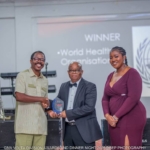
The awards ceremony was an emotional reflection of the transformation made possible by dedicated healthcare professionals. Among the honorees was the Korea Foundation for International Healthcare (KOFIH), which was recognized with the Organizational Excellence Award for its pioneering work in maternal health, healthcare infrastructure, and capacity building.
The organization’s contributions have been instrumental in empowering healthcare providers and improving health outcomes in the region.
Dr. Appiah-Kubi took a moment to highlight the broader impact of these efforts, stressing that the ceremony was about more than just handing out certificates and accolades.
“Every award given tonight is a symbol of progress—a testament to the promise of a better, healthier future for all. It is our collective responsibility to contribute to that future,” he said, encouraging all stakeholders to deepen their commitment to healthcare and innovation.
The Volta Regional Chairman of the GMA, Dr. Med Kweku Appiagyei, reminded his colleagues of the importance of professionalism and dedication.
“We are here because of our patients. Let us continue to work tirelessly to improve healthcare delivery. When we do this, not only do we make a difference in the lives of others, but we also find fulfillment in our own work,” he said, reinforcing the importance of passion and care in the medical profession.
Dr. Appiagyei also made an appeal to young medical professionals, encouraging them to consider working in the Volta and Oti regions, where opportunities for growth and mentorship abound.
“There is room for you here,” he said, emphasizing the supportive and nurturing environment awaiting new doctors and dentists eager to make a difference.
As the evening drew to a close, the message was clear: healthcare professionals in the Volta and Oti regions are not only working toward healing individuals but are also united in their pursuit of a brighter, healthier future for all. The awards night served as both a recognition of past achievements and a call to action for the future—one that demands collaboration, compassion, and commitment.
Renowned Professor of Anaesthesiology and Critical Care, Prof Yaw Adu-Gyamfi, has criticised the current state of Ghana’s health sector, describing it as poorly structured, understaffed, and undisciplined.
Speaking on The Sages on JoyNews, Prof Adu-Gyamfi lamented the deterioration in discipline and leadership within the service.
“I can’t give a straightforward answer. In terms of personnel, not just in numbers, but in terms of the speciality mix that we need, we are nowhere near what we should be. In terms of the structure of the health service, I don’t think it’s well-structured. In terms of discipline, discipline has gone out of the window. There’s no discipline so far as I’m concerned.”
He shared a powerful anecdote from his early years as a young medical officer, recalling how he and his colleagues rose to the occasion during Ghana’s first major cholera outbreak in 1971.
“In 1971, I was a young medical officer. The first cholera episode to hit the country occurred then. I, Dr Kofi Doe and Professor Anim, we were just instructed to go and take turns and cover the whole of the Ada area. That was the epicentre of it. We just didn’t think to question it or to resist.”
“We just moved. Yes, we had your gloves, and you had a bit of it. We didn’t have water. It was Mr. A.S.O. Mensah, who was then the regional, Accra Regional, Greater Accra Regional Minister. Yeah. We had our bottles, but he eventually saw the light and was sending tankers of water to supply the area. And then, of course, that’s when we could do our thing, wash. Otherwise, we washed our hands with beer.”
The Professor pointed out that while efforts are being made to improve medical education and decentralise postgraduate training, many challenges remain, particularly when it comes to incentivising the health workforce to take up critical but under-represented specialities.
“So, we were willing to obey and serve. So, we did that, and you improvised as you went along. We did. And then these days, even the education, postgraduate education, the College of Surgeons and Physicians is assisting to try and decentralise it. And then the needed but scarce specialities are being encouraged one way or the other to come in to make things easy for people to get into those areas. But incentives are yet to be put in place to attract a whole lot of them into those areas. So far, public health has been very popular.”