Rokmer Pharma Ltd

admin

terms and conditions for using Rokmer Pharma’s website

DIPPER Lab engages medical stakeholders on innovations to reduce neonatal mortality
DIPPER Lab engages medical stakeholders on innovations to reduce neonatal mortality

The Distributed IoT Platforms, Privacy and Edge-Intelligence Research (DIPPER) Lab at the Kwame Nkrumah University of Science and Technology (KNUST) has held a stakeholder engagement session with healthcare workers, including general practitioners, pediatricians, nurses, lab technologists, among others.

The engagement was organized to present and receive feedback on several low-cost medical innovations developed by the lab to improve neonatal care and reduce infant mortality in Ghana.

Speaking at the event, Rev. Dr. Prince Odame, Child Health and Innovation Team Lead at DIPPER Lab, explained the rationale behind the initiative.
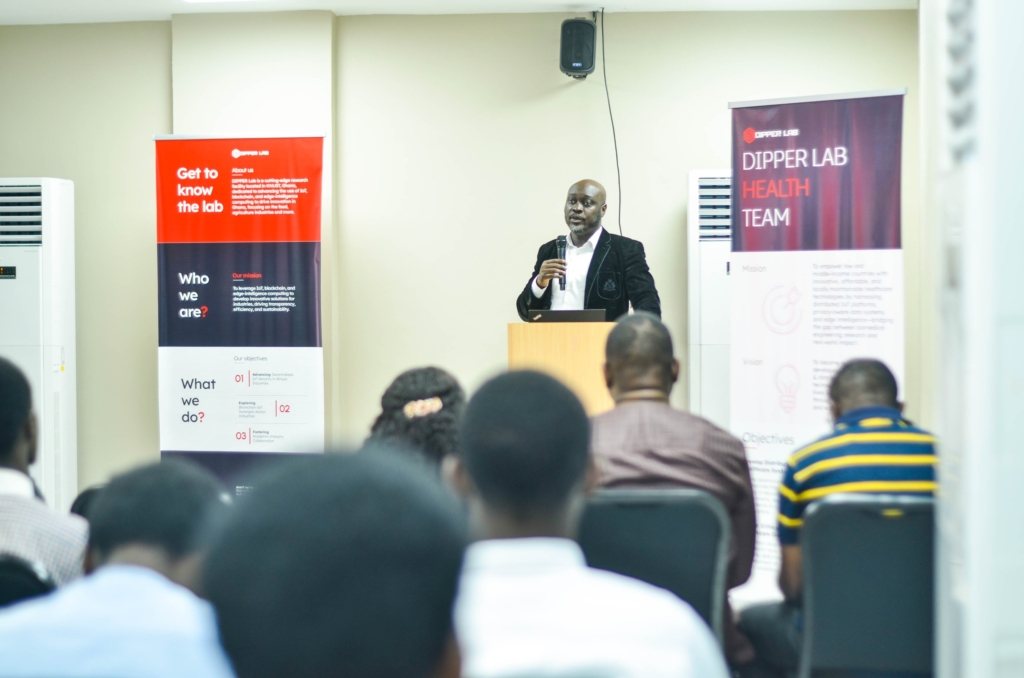
DIPPER Lab engages medical stakeholders on innovations to reduce neonatal mortality

“We want our innovations to have a real-life impact and be adopted by hospitals to save lives.
That’s why we brought in key players in the health sector to evaluate what we’ve built, advise us on improvements, and point out potential challenges,” he said.

The lab showcased a range of medical devices and tools focused on neonatal health, including affordable phototherapy units for treating jaundice, automated exchange transfusion devices, an AI-based jaundice detection system, color-coded thermometers, sleep apnea monitoring devices, and low-cost incubators.
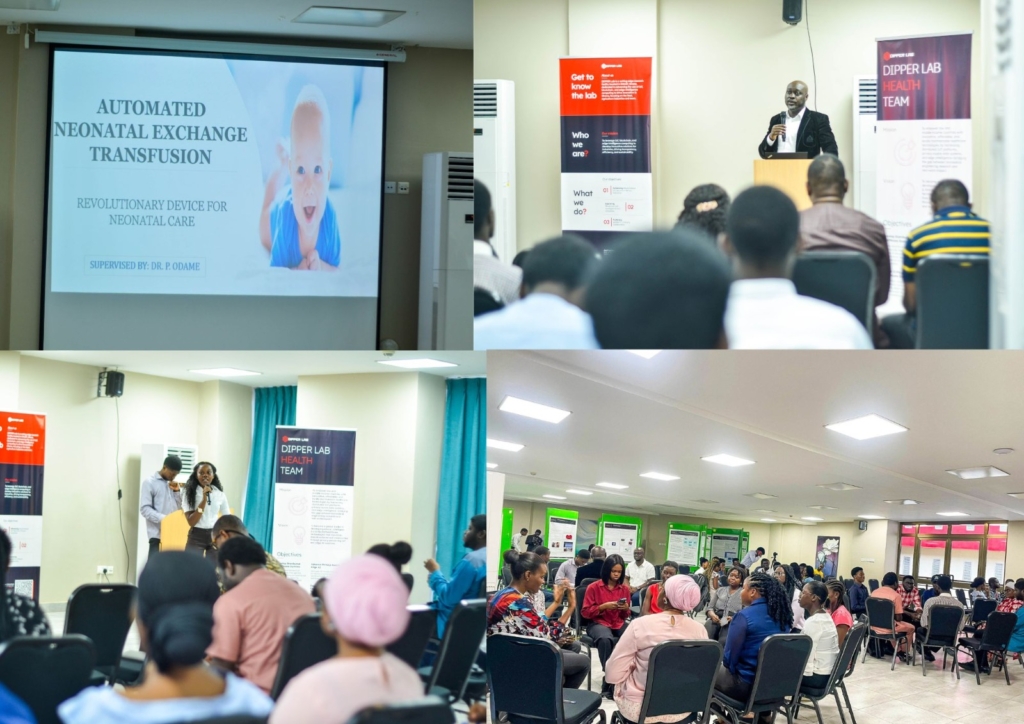
DIPPER Lab engages medical stakeholders on innovations to reduce neonatal mortality

Dr. Odame noted that the Child Health and Innovation team’s work is motivated by challenges encountered in neonatal wards and the need for practical, affordable engineering solutions that can be deployed in hospitals across the country.

Despite some progress, Ghana continues to record a high number of newborn deaths due to preventable causes such as jaundice, respiratory distress, and hypothermia.

Experts have emphasized the need for homegrown, low cost interventions that can be used in resource constrained settings.

Dr. Adoma Odame, Deputy Team Lead of the DIPPER Lab’s Child Health and Innovation team and a Senior Specialist Pediatrician, stressed the importance of developing solutions that are both affordable and usable within the local healthcare context.

“As a pediatrician working in child health, seeing newborns die, we realize that it’s very important for us to, as much as possible, develop low-cost interventions that are easily usable within our environment that can save the lives of newborns,” she noted.

Dr. Adoma added that while Ghana’s neonatal mortality rates have improved over the years, there is still much more to be done.

The engagement drew participation from pediatricians across the country, many of whom expressed strong support for the Lab’s approach.

Dr. Eugene Martey, Ashanti Regional Chair of the Pediatric Society of Ghana, was impressed by the Lab’s innovations and highlighted the importance of devices like CPAP machines.

“Pneumonia and respiratory failure remain major causes of death in children. I’m encouraged by the lab’s effort to provide affordable respiratory support systems, especially for preterm babies,” he said.

Dr. Josephine Oduro Tweneboah, a pediatrician at Komfo Anokye Teaching Hospital (KATH), praised the initiative and the focus on locally driven solutions.

“It’s refreshing to see such innovations coming from Ghanaians for Ghanaians. Most of the equipment we use is imported, and when they break down, they often become unusable. Locally developed devices are easier to maintain and more sustainable,” she noted.
The session featured a panel discussion led by Dr. Eric Tutu Tchao, Scientific Director of DIPPER Lab, and a poster exhibition.

The stakeholder meeting marks a significant step in bridging the gap between biomedical research and frontline healthcare delivery in Ghana, with a shared goal of reducing preventable deaths among newborns.

terms and conditions for using Rokmer Pharma’s website

Wholesome Mind Xperience returns to lead effort to rebuild Accra Psychiatric Hospital’s special ward

Wholesome Mind Xperience returns to lead effort to rebuild Accra Psychiatric Hospital’s special ward

Ghana’s premier mental health advocacy summit, the Wholesome Mind Xperience, returns on October 10, 2025, with a renewed purpose. This year’s edition marks a major milestone as it officially kicks off the reconstruction of the Special Ward at the Accra Psychiatric Hospital, advancing the summit’s broader goal of transforming mental healthcare in the country.

As part of this bold initiative, the conveners launched a GHS 4 million fundraising campaign to refurbish the Special Ward intoGhana’s first Psychiatric Intensive Care Unit (PICU). The PICU will serve as a critical facility within the hospital, offering specialised care and a safe, dignified environment for individuals facing acute mental health crises.

In a significant boost to the fundraising of this project, the Commissioner General has approved the Wholesome Mind Project as a Worthwhile Cause under Section 100 of the Income Tax Act, 2015 (Act 896). This means that donations made toward the reconstruction of the Special Ward shall be allowable as a tax-deductible expense in the computation of income for the 2025 year of assessment.

Under the theme “Mental Health Awareness for all Ages,” this year’s summit will take place at the Labadi Beach Hotel in Accra, bringing together mental health professionals, advocates, caregivers, families, and policy influencers for a day of engaging panel discussions, wellness activities, and community-driven conversations across all life stages.

The summit is spearheaded by VINT & Aletheia Attorneys and Consultants, who are also leading the nationwide and global fundraising campaign to mobilize individuals, corporations, and development partners to support this urgent cause.

To support this initiative, donations can be made through the following channels:

  • ExpressPay – (search for TWM Fund Drive)
  • GoFundMe – (search for Attentive care inc) – WHOLESOME MIND PROJECT, GHANA
  • Bank Transfer:
     Account Name: VINT & Aletheia – TWM Fund Drive
     Account Number: 140009547624
  • MTN Mobile Money:
     Number: +233 530 464 306
     Reference: VINT & Aletheia PRUC

According to the World Health Organization (WHO), individuals with mental health conditions deserve care in safe, respectful, and humane environments that promote recovery and uphold their rights. The planned PICU reflects this standard ensuring that the most vulnerable receive not just treatment, but dignity.

Improving mental health outcomes takes more than good intentions. It requires sustained commitment, proper infrastructure, and the willingness to show up for one another. The Special Ward at the Accra Psychiatric Hospital has long supported those in greatest need, yet it remains in poor condition. It’s time we reminded them they are not forgotten.”

Every contribution brings us closer to a transformed future for mental health care in Ghana. Join the movement to reshape the narrative together, we can build a system that is truly holistic, humane, and accessible to all.

terms and conditions for using Rokmer Pharma’s website

Dabokpa Technical Institute unveils solar-powered ‘intelligent babies incubator’

Dabokpa Technical Institute unveils solar-powered ‘intelligent babies incubator’

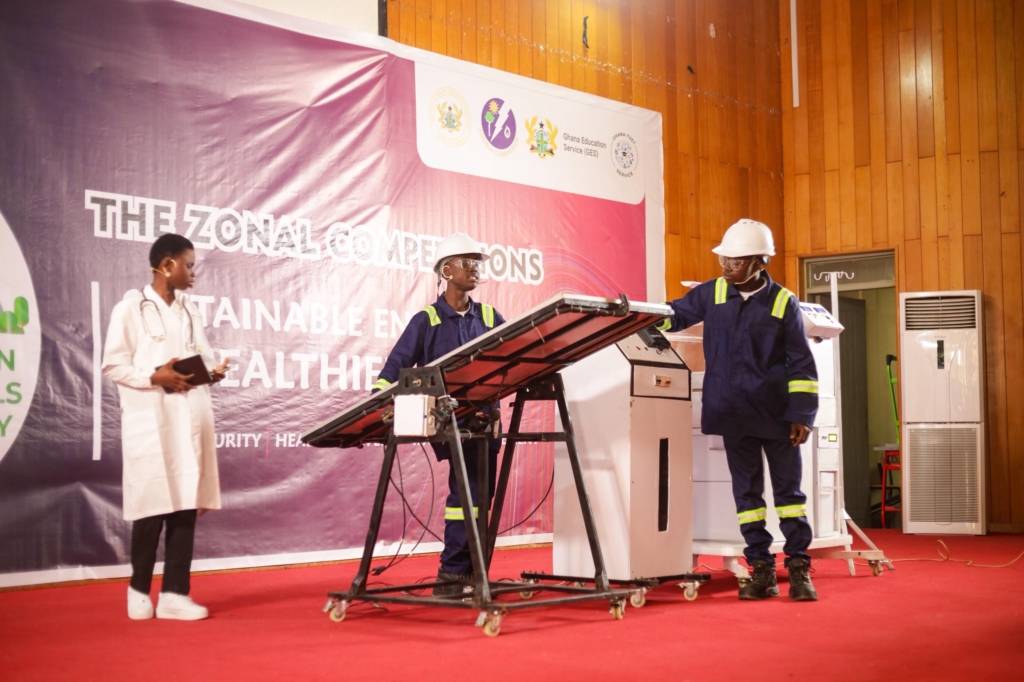
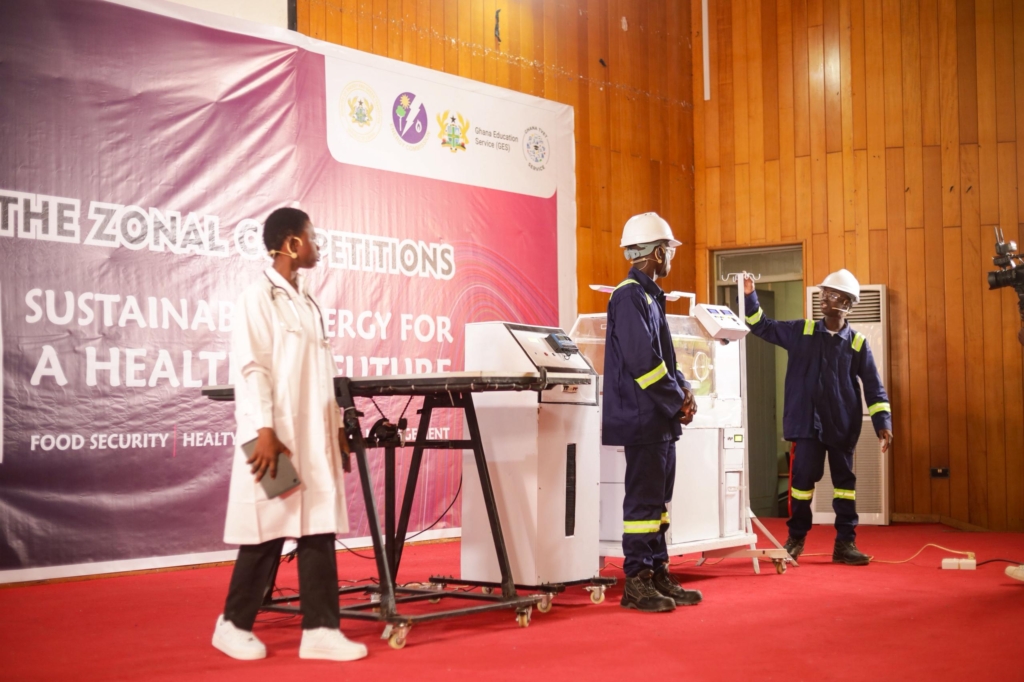
Dabokpa Technical Institute has introduced the Intelligent Babies Incubator, a solar-powered medical device designed to enhance neonatal healthcare delivery.

According to the school, the innovation is well-suited to areas with unreliable electricity supply.

The incubator integrates intelligent temperature control and monitoring systems to provide a stable environment for premature and at-risk newborns.

Dabokpa Technical Institute unveils solar-powered ‘intelligent babies incubator’

By utilising solar energy, the innovation ensures uninterrupted operation, supporting healthcare workers in rural and underserved communities to improve infant survival rates.

Dabokpa Technical Institute unveils solar-powered ‘intelligent babies incubator’

The initiative was showcased at the 6th edition of the Energy Commission’s Senior High Schools Renewable Energy Challenge, zonal stage in Kumasi, which encourages young innovators to create practical, eco-friendly solutions for societal needs.

terms and conditions for using Rokmer Pharma’s website

Assin Manso SHS develops Medical Solar Steriliser at Energy Commission’s Renewable Energy Challenge

Assin Manso SHS develops Medical Solar Steriliser at Energy Commission's Renewable Energy Challenge

Assin Manso Senior High School in the Central region has presented a pioneering Medical Solar Steriliser at the 6th edition of the Energy Commission’s Senior High Schools Renewable Energy Challenge.

The device harnesses solar power to sterilise medical equipment, offering an energy-efficient and environmentally sustainable solution for healthcare delivery, particularly in off-grid and rural areas.

By using renewable energy, the innovation aims to reduce dependence on conventional electricity sources while ensuring effective infection control in medical facilities.

The Renewable Energy Challenge brings together senior high schools nationwide to develop practical solutions that address pressing social and environmental needs.

The Energy Commission hopes such projects will inspire a new generation of innovators committed to promoting clean energy and sustainable development in Ghana.

terms and conditions for using Rokmer Pharma’s website

Renewable Energy Challenge: Ahantaman Girls SHS develop vaccine cooler for rural healthcare

Renewable Energy Challenge: Ahantaman Girls SHS develop vaccine cooler for rural healthcare

The Ahantaman Girls Senior High School in Sekondi-Takoradi in the Western region has developed the ‘Royal Vaccine Cooler’, a solar-powered device designed to preserve vaccines in rural communities with limited access to electricity.

The innovation aims to address vaccine storage challenges in underserved areas, ensuring that immunisation programmes are not disrupted due to inadequate cold-chain facilities.

By harnessing renewable energy, the device offers an environmentally friendly, reliable, and cost-effective solution for sustaining vital healthcare services.

The project was presented at the Energy Commission’s Senior High Schools Renewable Energy Challenge, an initiative that encourages young innovators to develop practical technologies for national development.

Renewable Energy Challenge: Ahantaman Girls SHS develop vaccine cooler for rural healthcare

This year’s edition is the 6th, with a total of 15 second circle schools across the country participating.

terms and conditions for using Rokmer Pharma’s website

Ghana confirms 18 additional Mpox cases, bringing total to 346

Ghana confirms 18 additional Mpox cases, bringing total to 346

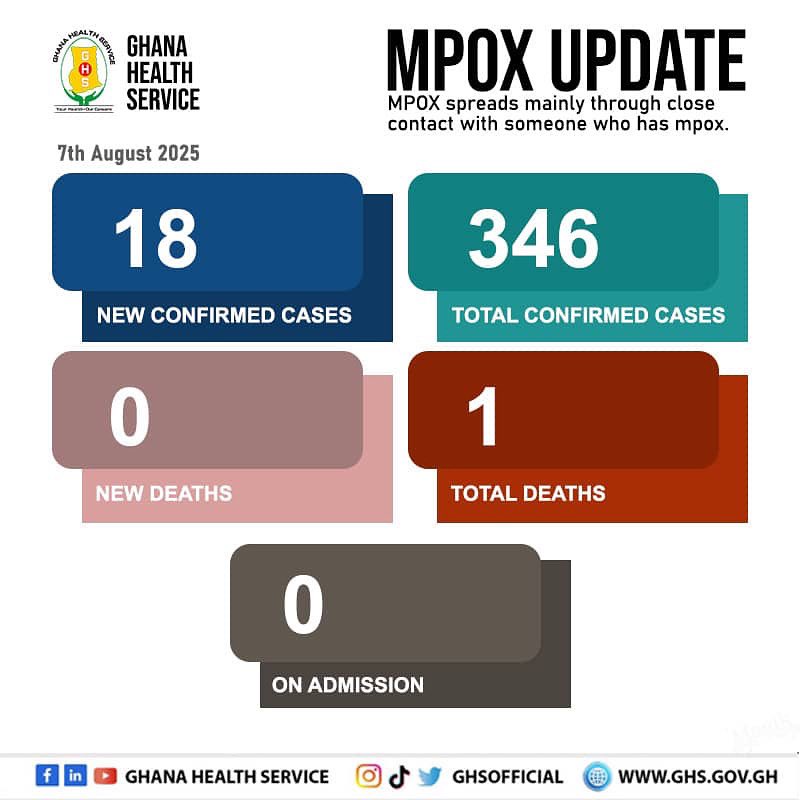
The Ghana Health Service (GHS) has announced the confirmation of 18 fresh cases of Mpox, pushing the cumulative number of infections nationwide to 346.

The death toll remains unchanged at one, with no additional fatalities reported and no patients currently receiving hospital care.

In its previous update on 7 August 2025, the GHS urged the public to remain alert, avoid close contact with anyone displaying symptoms, and swiftly report suspected cases to the nearest health facility.

Ghana confirms 18 additional Mpox cases, bringing total to 346

According to the Service, it is working in close collaboration with its regional directorates to trace contacts and strengthen the country’s coordinated response to the outbreak.

terms and conditions for using Rokmer Pharma’s website

Swiss Bio Shield seeks partnership with Ho Teaching Hospital to revolutionalise healthcare delivery

Swiss Bio Shield seeks partnership with Ho Teaching Hospital to revolutionalise healthcare delivery

Swiss Bio Shield, a Swiss-based company specialised in hospital equipment and healthcare solutions, is seeking a strategic partnership with the Ho Teaching Hospital (HTH) to establish a West African showroom.

Mr. Issaka Sidi, Chairman of the Company, said the partnership would bring numerous benefits to the Hospital, including the establishment of a modern production unit for zero-alcohol disinfectants, the setting up of a world-class showroom for hospital theatre devices, and training opportunities for health professionals.

He said Swiss Bio Shield would also establish state-of-the-art machinery with cutting-edge medical technology to attract international clients, support HTH wellness tourism with equipment, and set up cancer and skin centres at HTH with Swiss specialists.

Mr Sidi said the Company chose HTH due to its strategic location and growing medical tourism agenda.

Dr. Hintermann K.K. Mbroh, CEO, HTH, said the partnership would not only enhance the Hospital’s capabilities but also contribute to the region’s economic development.

He expressed gratitude to SwissBio for choosing HTH for the partnership, which he said aligned with the Hospital’s goal of becoming a centre of excellence in healthcare, education, and research.

terms and conditions for using Rokmer Pharma’s website

Dzemeni sees improved maternal health care following Rotary Club, E.P Church intervention

Dzemeni sees improved maternal health care following Rotary Club, E.P Church intervention

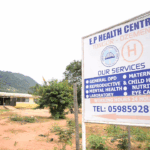
Dzemeni in the South Dayi District in the Volta Region has witnessed improved maternal healthcare over the last year.

The riverine community within the period recorded no maternal deaths as mothers tend to deliver healthier babies, in a safe and sound environment.

This follows a series of interventions at the Evangelical Presbyterian Church Health Center in Dzemeni, spearheaded by the church with support from Rotary Club.

Dzemeni is a river-bound commercial community in the South Dayi District which harbors mostly traders, fisherfolks, artisans and private and public sector workers.

Dzemeni sees improved maternal health care following Rotary Club, E.P Church intervention

As the most developed and busiest community in the enclave, residents in the communities overbank travel here to access to all essential services, including basic healthcare.

This put pressure on the Evangelical Presbyterian Church Health Center which lacked enough space and was under-equipped.

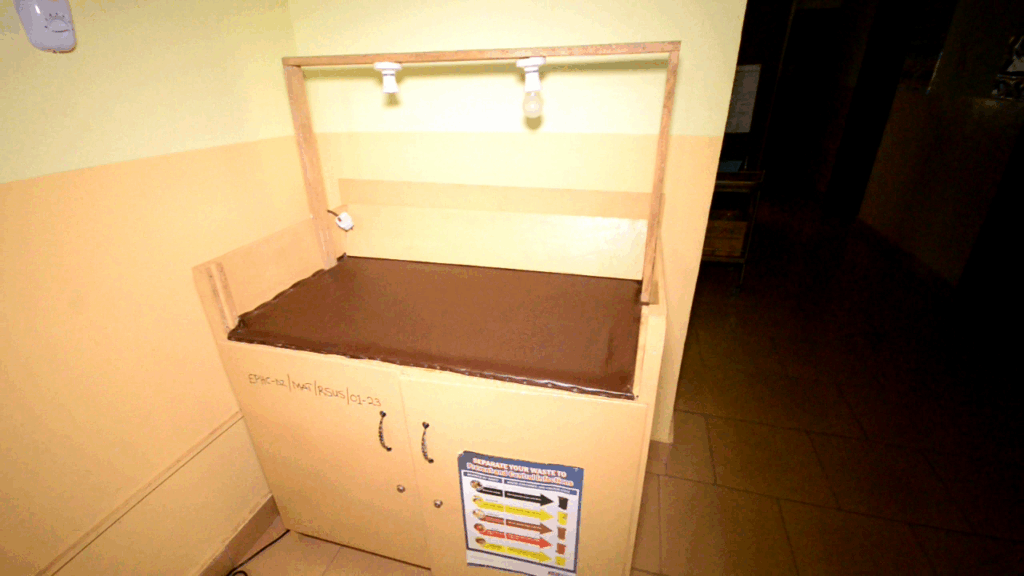
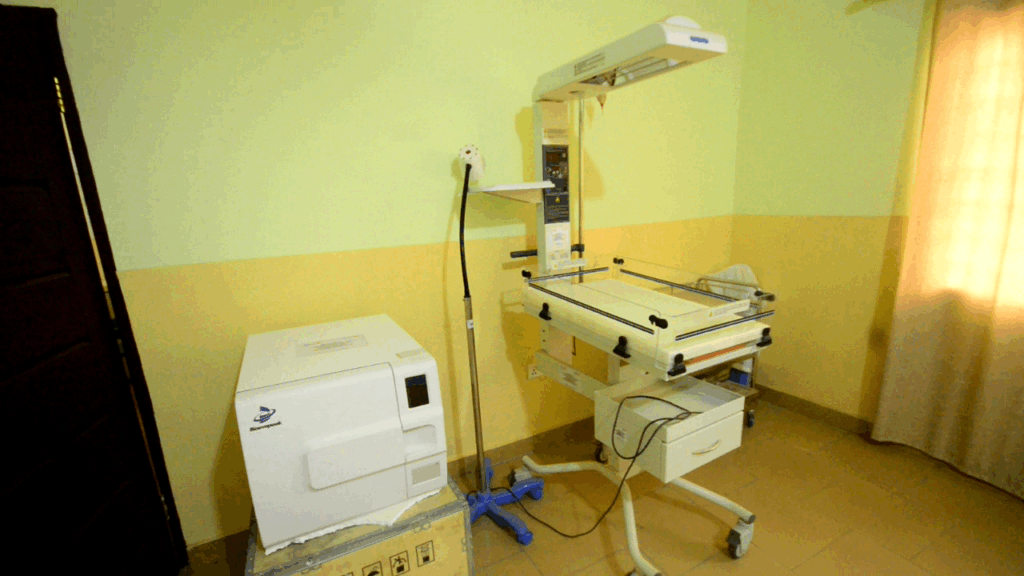
Due to the imperative need for a radiant warmer, the health workers developed an outmoded model with mushroom bulbs and wood to serve in the interim

Dzemeni sees improved maternal health care following Rotary Club, E.P Church intervention

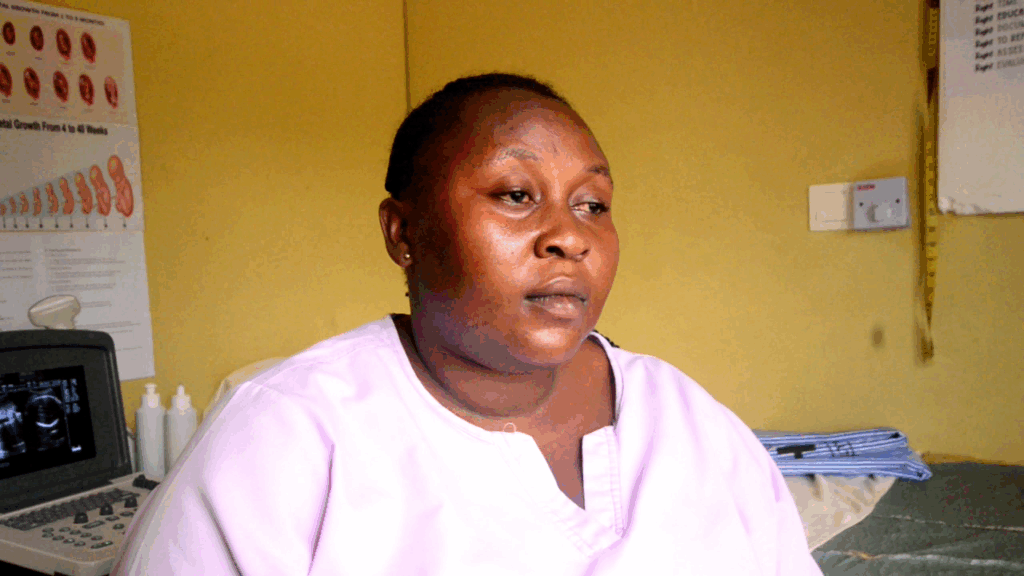
A midwife at the facility, Esadah Priscilla, explained that they previously had to share a small space at the outpatient department for antenatal and postnatal services.

She said this breached their confidentiality clause, as patients get to hear details of the health conditions of their peers during consultations.

Dzemeni sees improved maternal health care following Rotary Club, E.P Church intervention

“Previously, we had to attend to clients in pairs in an area divided with plywood. During sessions, they hear the discussions on the other side, and this wasn’t good because we needed to keep their conditions and details confidential”, she said.

She added that the E.P. Church provides an ultrasound machine which provided some relief to pregnant women who access the facility for antenatal care, “since they don’t have to travel out for such services.”

She lamented about the lack of separate wards and beds for mothers and their newborns, explaining they had to house them in a small-spaced ward with other patients.

Gauging the pressure on the health center, the Evangelical Presbyterian Church financed the construction of a maternity unit for the facility.

The structure which occupies a 20 by 70 feet land area has two separate counseling rooms, a labour room, two wards, a neonatal intensive care space, and a public health room among other ancillary facilities.

Dzemeni sees improved maternal health care following Rotary Club, E.P Church intervention

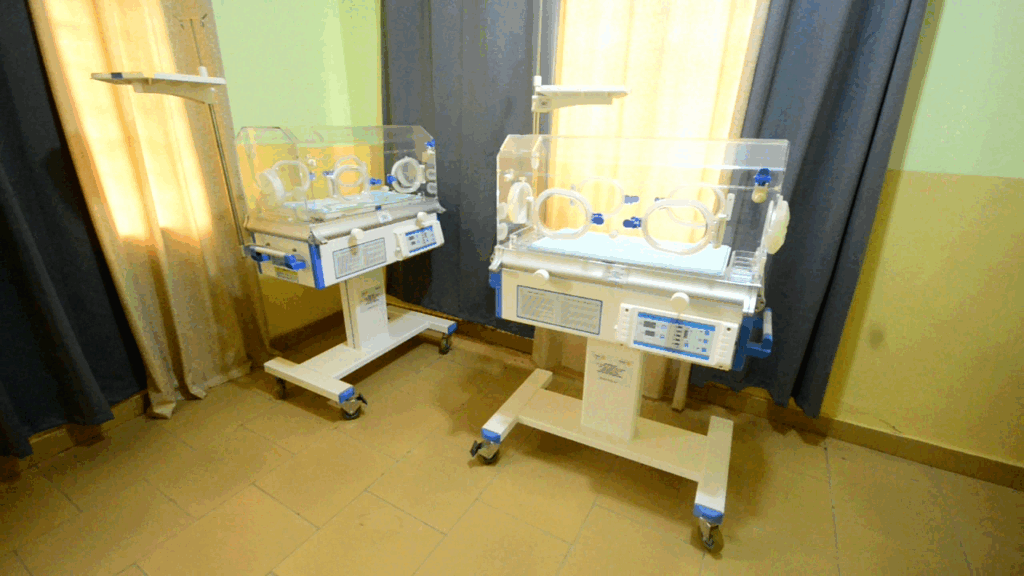
The Rotary Club stepped in to stock the maternity facility with modern equipment, ranging from radiant warmers, incubators, autoclave machines, labor beds, ward beds, and medical refrigerators among others.

Madam Esadah shared her excitement about the new facility indicating service delivery had drastically improved over the last year, with patients putting to bed healthy babies.

Dzemeni sees improved maternal health care following Rotary Club, E.P Church intervention

She disclosed that they no longer have to worry about exposed consultation sessions as they have two separate consulting rooms.

“We now have better delivery beds and rooms so mothers have a good rest after giving birth. The NICU is also helping us to provide critical care to babies that need it to survive”, she said with a smile.

Dzemeni sees improved maternal health care following Rotary Club, E.P Church intervention

Gudzuda Juliana is one of the beneficiaries of the project which has contributed significantly to maternal healthcare in the Dzemeni enclave.

She shared how she was taken care of diligently during her pregnancy journey to delivery, providing her with a holistic service.

Dzemeni sees improved maternal health care following Rotary Club, E.P Church intervention

“Due to the intensity of my labour and how I was feeling, I least expected them to help me give birth, thinking they will refer me to a bigger facility. However, they proved me wrong to me and did well to help me deliver my baby.”

“After delivery, the beds for resting are big enough and comfortable, unlike previously that provided small beds. The beds in the waiting room before delivery are equally good. They handled me very well after delivery”, she concluded.

terms and conditions for using Rokmer Pharma’s website

Exclusive breastfeeding saves lives – St. Elizabeth Hospital Medical Officer dispels myths

Exclusive breastfeeding saves lives – St. Elizabeth Hospital Medical Officer dispels myths

As the world marks World Breastfeeding Week from August 1 to August 7, health experts are warning about the dangers of abandoning exclusive breastfeeding.

Care providers have been urging parents to give their infants nothing but breast milk for the first six months of life, stressing that it is the single most powerful start a child can get.

According to experts, breast milk is a complete food containing every nutrient and fluid babies need during this period; no water, porridge, or other adult food is necessary.

Dr. Phillip Akwafo, Medical Officer at St. Elizabeth Hospital in Hwediem, Ahafo Region, told JoyNews during the World Breastfeeding Week celebration that breastfeeding reduces the risk of Sudden Infant Death Syndrome (SIDS).

The Medical Officer pointed to scientific research showing that exclusive breastfeeding boosts a child’s immunity and brain development.

He noted that other well-researched health benefits for infants include protection against chronic diseases later in life, support for healthy gut development, and easier digestion.

For mothers, Dr. Akwafo said the practice lowers the risk of breast and ovarian cancer and aids post-pregnancy recovery.

He warned against introducing solid or adult food too early, saying it can lead to malnutrition, digestive problems, and life-threatening infections.

“An infant’s digestive system is not ready for adult food. Giving such foods too early can damage their health and put them at risk of diarrhoea and stunted growth,” he said.

Feeding infants adult food in the first six months, he added, can cause diarrhoea, choking hazards, food allergies, and stunted growth, among other negative impacts.

Dr. Akwafo also dismissed common misconceptions about breastfeeding, including beliefs that babies need water in hot weather, that thin or malnourished mothers cannot produce enough quality milk, that big babies need adult food early to grow well, and that breastfeeding causes sagging breasts.

The World Health Organization recommends exclusive breastfeeding for the first six months, followed by continued breastfeeding with safe, appropriate complementary foods up to two years or beyond.

“Exclusive breastfeeding is not a choice between tradition and science. It is life-saving,” Dr. Akwafo emphasised.

In line with this year’s theme, “Closing the Gap: Support for Breastfeeding,” the country needs ongoing education to equip parents, caregivers, and communities with the facts, breaking harmful traditions that jeopardise child health.

terms and conditions for using Rokmer Pharma’s website

Fujifilm and Eranis seek to transform healthcare in Ghana through technology

The team from Fujifilm and Eranis with Ghanaian stakeholders.

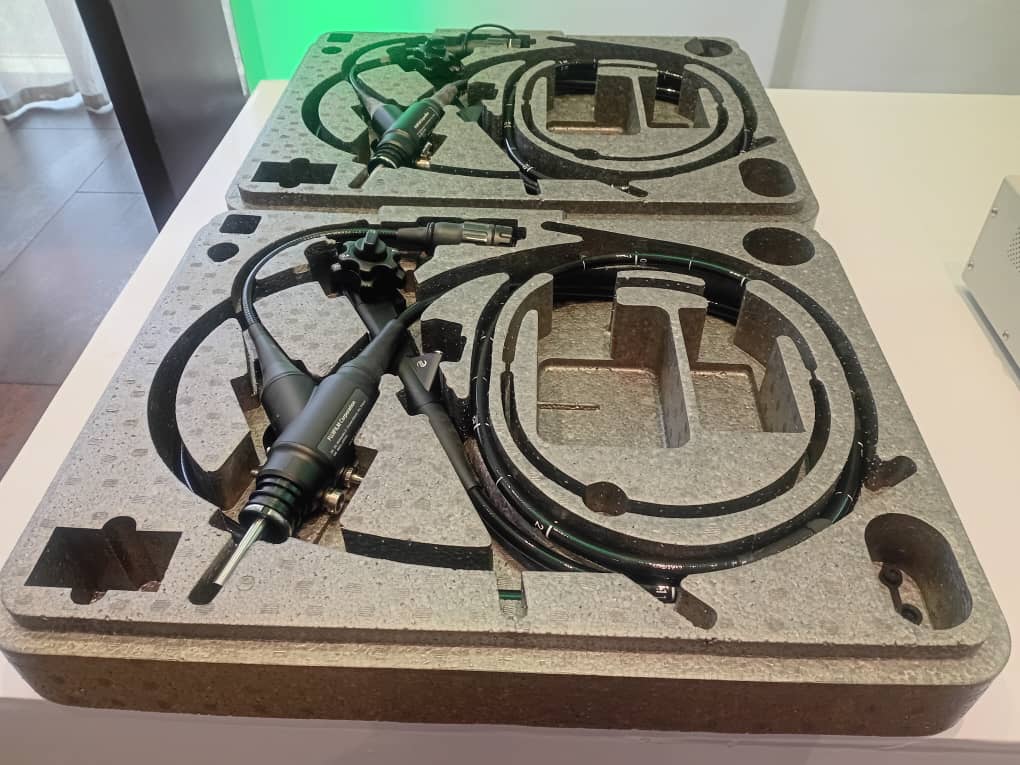
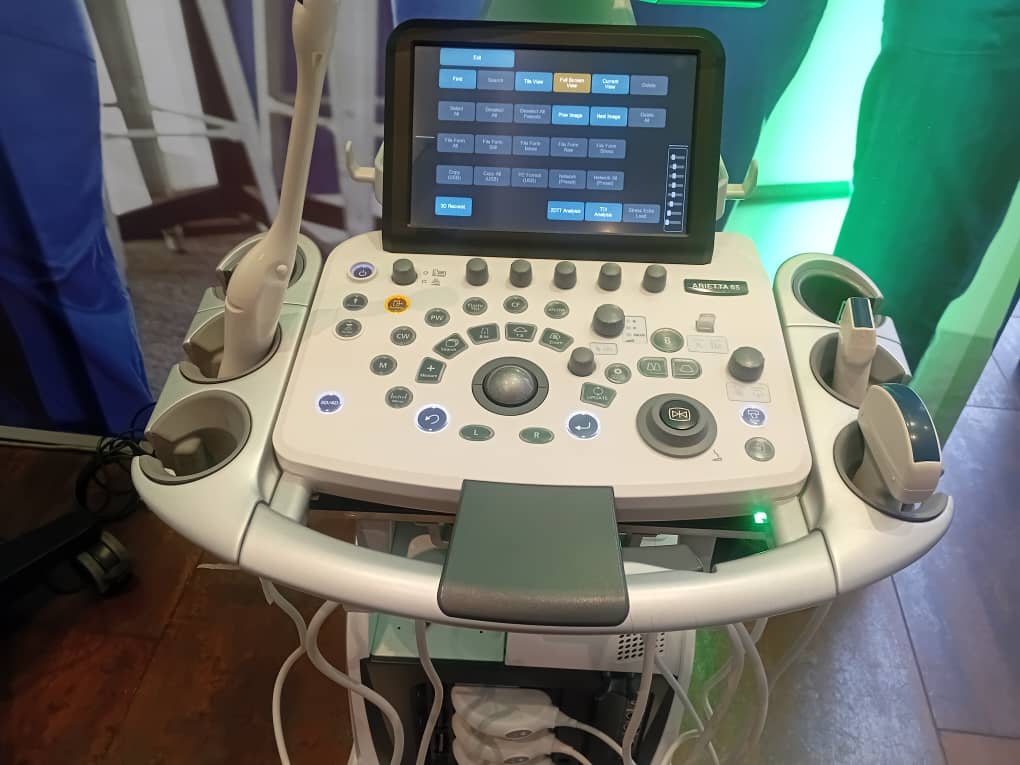
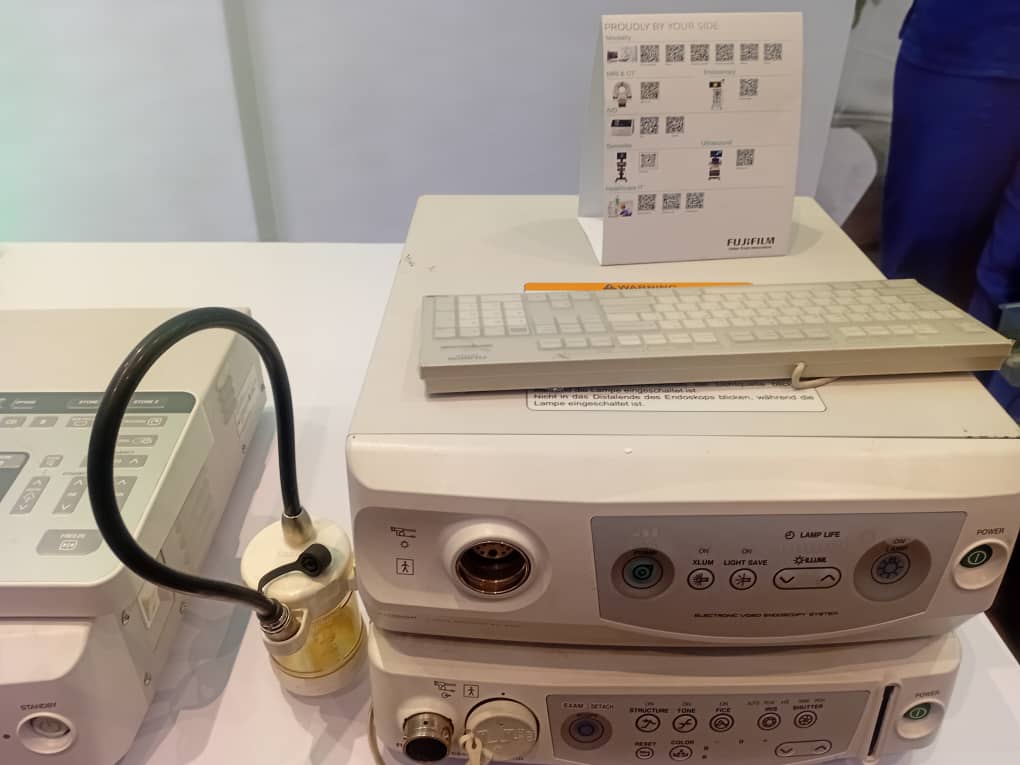
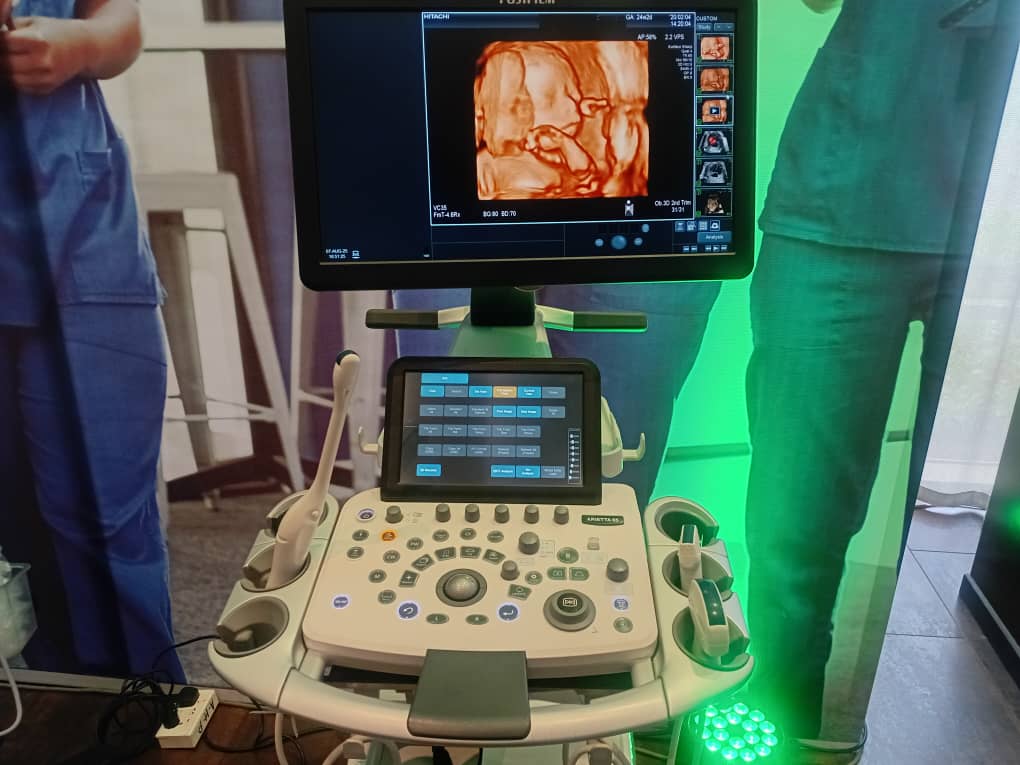
Japanese technology giant Fujifilm, originally known for its electronics and imaging products, has extended its footprint into Ghana’s healthcare sector through a partnership with Eranis Medical Imaging and Engineering Limited.

At a grand launch held in Accra on Thursday, 7th August, the global team from Fujifilm showcased the company’s journey of innovation and excellence since its establishment in 1934.

Speaking to the media during the event, the Managing Director of Fujifilm MEA, Mr Shin Tagawa, explained that the company’s recent 90th anniversary served as a catalyst to expand its medical services into developing countries, including Ghana.

Fujifilm and Eranis seek to transform healthcare in Ghana through technology

“We are in Ghana for the medical business with a core mission to make healthcare delivery more flexible and efficient using our cutting-edge technologies,” he said.

He added that Fujifilm’s advanced screening solutions, powered by Artificial Intelligence (AI), are designed to ease the burden on healthcare systems, particularly in regions facing a shortage of medical professionals.

Fujifilm and Eranis seek to transform healthcare in Ghana through technology

“With our AI solutions, we can facilitate advanced screening to reduce patient backlogs, especially where access to specialised care is limited,” Mr Tagawa stated.

He noted that Fujifilm’s technology will help medical professionals diagnose patients with greater accuracy and speed. “Using our AI-powered systems, doctors can make faster, more precise diagnoses, significantly reducing human error.”

Fujifilm and Eranis seek to transform healthcare in Ghana through technology

Mr Tagawa also revealed plans to train Ghanaian healthcare practitioners on how to operate the equipment, ensuring optimal use of the technologies once they are deployed in medical facilities across the country.

Dr Isaac Thompson, Executive Director of Eranis, emphasised the significance of the collaboration. “The partnership between Fujifilm and Eranis is aimed at enhancing Ghana’s healthcare system,” he noted.

Fujifilm and Eranis seek to transform healthcare in Ghana through technology

He added that Eranis would serve as a conduit between both public and private sectors, facilitating flexible procurement processes for the medical equipment. “We’re also responsible for ensuring proper maintenance of these machines once they are in use.”

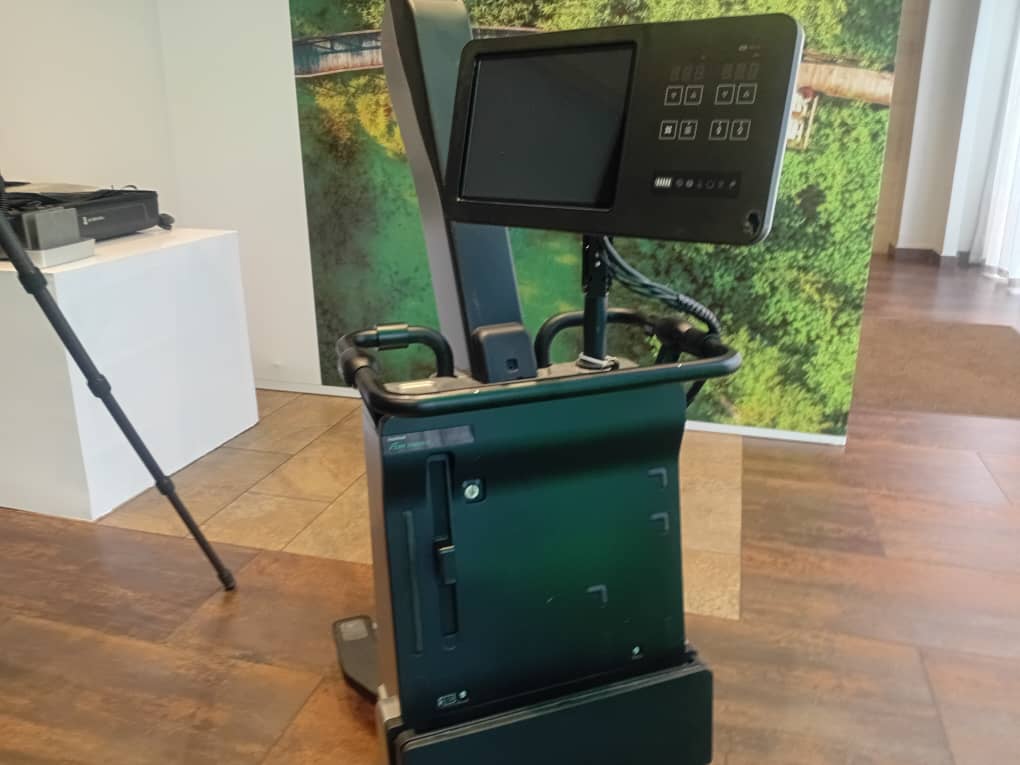
Dr Thompson also highlighted the suitability of Fujifilm’s equipment for rural healthcare. “Fujifilm has developed a portable X-ray machine that can be transported on the back of a motorbike to remote areas. These devices are equipped with AI diagnostic capabilities, eliminating the immediate need for radiologists on-site.”

Fujifilm and Eranis seek to transform healthcare in Ghana through technology

Also speaking to journalists was Dr Innocent Ugwoke, Regional Manager of Fujifilm for West Africa, who pointed out that some of the machines come with rechargeable batteries, making them ideal for underserved communities.

“These devices can diagnose conditions such as tuberculosis and other health challenges even in areas with limited infrastructure,” he said.

Fujifilm and Eranis seek to transform healthcare in Ghana through technology

According to Dr Ugwoke, Fujifilm’s AI-assisted systems are designed to provide reliable diagnostics even with minimal numbers of radiologists, thus widening access to quality healthcare services across the country.

Representatives from the Ghana Health Service, Ministry of Health, and public and private hospitals at the event lauded the company’s efforts in bridging the gaps in healthcare services and welcomed the idea.

Fujifilm and Eranis seek to transform healthcare in Ghana through technology