Rokmer Pharma Ltd

admin

terms and conditions for using Rokmer Pharma’s website

We shouldn’t say complaint mechanisms don’t work; doctors have been suspended before – Prof Beyuo

We shouldn’t say complaint mechanisms don’t work; doctors have been suspended before – Prof Beyuo

A member of Parliament’s Health Committee says there are enough redress mechanisms in the health sector to deal with grievances, and no one should justify attacks on health professionals by claiming the system does not work.

Prof Titus Beyuo, speaking on JoyNews’ PM Express on Wednesday, August 20, warned against attempts to normalise violence in hospitals following the assault of nurses and doctors at the Greater Accra Regional Hospital.

“Have you not seen people sued and being asked to pay millions of cedis in this country? Have you not seen people feel that they are scared the hospitals didn’t meet the standard and they took the case to court, and won.

“We have doctors who have been suspended for practice. I have served on a professional and disciplinary committee of one of the regulatory authorities and we’ve struck the licenses of registered practitioners for not meeting the standard.

“So we shouldn’t dare say that, ‘Oh, because I feel that the system will not respond promptly if I make a complaint, then I should take the law into my own hands.’”

He argued that resorting to violence against medical staff could set a dangerous precedent.

“Then where will we get to in this country? If you feel your teachers have not taught your kids well, you go to the school and beat them? Or you feel the police is not handling your case well, justice is delaying, you go to their workplace and beat them?

“Is that what we are saying? And in the hospital, where other people are lying down in pain, perhaps exposed, and we don’t even allow other relatives to come in, you go live and it’s acceptable, no.”

Prof Beyuo insisted that the country already has established channels to ensure accountability in the health system.

“So I think that there are redress mechanisms. As I said, I don’t know the full details, but look, when that 70-something-year-old man died for lack of no bed, a thorough investigation was done. We looked at triaging that was done at every level.

“If it was triage orange, what did you do? It was triage red, what did you do? If it was triage green, what did it mean? The time to respond and all that. There are international standards for all of this. So test the law. And that’s the only way we can get all our practitioners to be on their toes.”

He emphasised that health professionals are not above the law, but must be held accountable through due process rather than mob action.

“They can be sued. You can petition their regulators, who can discipline them. People can cease to practice as nurses, as doctors, as pharmacists, for not meeting the standard.

“That is the direction we should be going to. It should not give anybody the opportunity to walk into a hospital and beat doctors and nurses.”

terms and conditions for using Rokmer Pharma’s website

Most stroke patients don’t die from stroke itself – Expert says

Most stroke patients don’t die from stroke itself - Expert says

A Medical Officer at JessyLife Clinic, Dr. Jerry Osei-Alomele, has clarified some issues surrounding the deaths of most stroke patients.

He said that, more often than not, the victims die as a result of the comorbidities that come with the disorder.

According to him, on Joy Prime’s Changes show, the daily lifestyle of neglected patients contributes to their demise, and not the ailment itself, as may be perceived.

“…this patient’s hand is limp, his lower limbs are stiff and very rigid. When you touch it, he’s not willing to allow you to do anything; his face is deviated all over the place, and because he’s not so functional now, he becomes a burden on his caregivers; they leave him, he’s neglected, and then now it’s the other things.

“Usually in teaching, when it comes to stroke, the concept is, it’s not the stroke itself that will kill the patient. It’s the other things, the associated things that come with the stroke. So, with the neglect, the person can become angry, have low blood sugar and die from that.”

Most stroke patients don’t die from stroke itself - Expert says
Dr. Jerry Osei-Alomele – Medical Officer, JessyLife Clinic

As a result, experts always advise that patients begin physiotherapy immediately after being diagnosed with the disorder.

According to Dr. Osei-Alomele, when rehabilitation is included in the recovery process of bedridden patients, they can walk and perform other active tasks, depending on the severity of the disease.

“There’s a possibility with rehabilitation depending on how much of the brain is affected.”

Speaking on the use of traditional medicines and whether their use is advisable, Dr. Osei-Alomele said that traditional medicine can play a role in the recovery process, but emphasised that patients should also seek orthodox medical treatment.

“We cannot take traditional medicine from our society. It’s enshrined in our way of life and culture. But I believe that since you’re doing the traditional medicine, let’s also add the orthodox medicine to it. This is my opinion,” the medical officer said.    

terms and conditions for using Rokmer Pharma’s website

Most health workers in Greater Accra face workplace violence, verbal abuse common-KNUST Research

Most health workers in Greater Accra face workplace violence, verbal abuse common-KNUST Research

Nearly seven in ten healthcare workers in Greater Accra region have experienced some form of workplace violence during their careers, with verbal abuse the most common, according to a new study led by Dr. Philip Apraku Tawiah of the Kwame Nkrumah University of Science and Technology (KNUST), Kumasi.

The research, published in BMC Public Health, surveyed 607 health professionals and support staff across 10 public and private hospitals in the region.

It found that 68.2% had encountered workplace violence at some point in their careers, while 59.8% had experienced it in the past year. More than half (53.4%) reported being subjected to verbal abuse in the last 12 months.

The consequences extend beyond the workplace. About one in four victims of verbal abuse reported becoming “super alert” or constantly vigilant after incidents, underscoring the lasting psychological toll.

The study identified older age, on-call responsibilities, and inadequate security at facilities as significant risk factors for violence, while greater work experience and a strong sense of safety at the workplace reduced the likelihood of exposure.

Dr. Tawiah urged swift action: “We must act: tighter security at emergency units, stricter visitor rules, prosecution of offenders, and real support for affected staff. Health workers are not punching bags. Protecting them is the first step to protecting patients.”

The researchers called for urgent facility-based interventions to address the problem, warning that workplace violence threatens not only the wellbeing of health workers but also the quality of patient care.

Co-authors of the study include Drs. Emmanuel Appiah-Brempong, Paul Okyere, Geoffrey Adu-Fosu, and Mary Eyram Ashinyo.

terms and conditions for using Rokmer Pharma’s website

Nurses’ association issues 48-hour ultimatum to police following attack at Ridge Hospital

Nurses' association issues 48-hour ultimatum to police following attack at Ridge Hospital

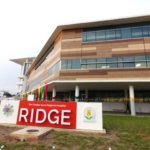
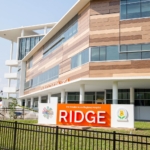
The Ghana Registered Nurses and Midwives’ Association (GRNMA) has issued a firm 48-hour ultimatum to the Ghana Police Service to arrest the ringleader and his accomplices behind a recent attack on healthcare workers at the Greater Accra Regional Hospital (Ridge Hospital).

The association has warned of further action if their demand is not met, emphasising that nurses at the hospital’s Emergency Unit must feel safe.

The incident, which took place on Monday, August 18, 2025, was described by the GRNMA as an “unprovoked and loathsome act of violence” perpetrated against dedicated healthcare professionals who were working tirelessly despite inherent challenges in the system.

The association’s National Executive Committee met to address the incident and its aftermath, engaging with both hospital management and the affected nurses and midwives.

Beyond the call for police action, the GRNMA also levelled sharp criticism at the Minister of Health, Kwabena Mintah Akandoh, stating that a “palpable display of affection” toward the alleged ringleader, Ralph Saint Williams, in their view, “only emboldens such perpetrators to repeat such acts”.

In response to the attack, the GRNMA is demanding that hospital management enhance security at all times to protect the privacy of both health professionals and patients.

The association has also called on the general public to foster appreciation and respect for the vital contributions of all healthcare professionals, stressing that quality health services can only be provided in a safe environment.

The GRNMA leadership, including President Mrs. Perpetual Ofori-Ampofo and General Secretary Dr. David Tenkorang-Twum, urged all nurses and midwives to stand united against workplace violence.

terms and conditions for using Rokmer Pharma’s website

Mpox: We’ve conducted over 2,000 contact tracing – Mintah Akandoh

Mpox: We've conducted over 2,000 contact tracing - Mintah Akandoh

Minister for Health Kwabena Mintah Akandoh has revealed that more than 2,000 contact tracings have been carried out as part of Ghana’s efforts to contain the Mpox outbreak.

Speaking on JoyNews’ The Pulse show, he emphasized that while outbreaks cannot be completely prevented, the way they are managed determines their impact.

“I cannot prevent entirely an outbreak in the country, but it depends on how you handle the outbreak when it comes,” he said.

Updating the public on the current figures, Mr. Akandoh said, “We have recorded cases of Mpox; we have done more than 2,000 contact tracings with suspected cases, and then about 409 confirmed cases. We have about 102 people in isolation, and unfortunately we have one death.”

He revealed that the outbreak has affected almost the entire country.

“We have the national rapid response team, the regional rapid response team, and the district response team, and it’s been hit by 15 out of the 16 regions. It’s only Savannah that hasn’t been affected,” he added.

On government interventions, Mr. Akandoh said efforts are underway to secure vaccines. “We are also working on getting vaccines as part of our response. And so very soon, we will be taking the delivery of vaccines from the US and other parts of the world to be integrated as part of our response to Mpox,” he said.

Read Also: Ashanti region records 24 mpox cases

terms and conditions for using Rokmer Pharma’s website

Majority of health facility equipment no longer functioning – Minister

Majority of health facility equipment no longer functioning - Minister

Health Minister, Kwabena Mintah Akandoh, has disclosed that about 70 to 80 percent of equipment in the country’s health facilities are no longer functioning, posing a serious threat to healthcare delivery nationwide.

According to him, the last comprehensive retooling of health facilities took place in 2014, when hospitals and clinics were supplied with essential working equipment, staff capacity and other critical resources.

“As I speak to you now, the last time we did major retooling of our health facilities was in 2014,” he said on JoyNews’ The Pulse on Tuesday.

However, a decade on, most of the equipment has broken down, leaving the sector severely constrained.

“And I can tell you that about 70 to 80 percent of these equipment are obsolete. We can’t even get more than 10 to 20 percent in the system. Even before these ten years, there were others that when they were bought, they couldn’t serve the facilities more than two years,” he mentioned.

The Minister noted that the government is considering two options to address the challenge: partnering with the private sector or implementing a state-sponsored intervention.

“We are looking at how we can go back to Private Public Partnership, how the private can also come and partner the health facilities. We are also looking at how government can look for some money to buy some strategic equipment.”

While admitting that the health sector is confronted with numerous challenges, Dr Akandoh expressed optimism that with the right strategies, the situation can be turned around.

“It has not been easy; the system is a critical one. The are a lot of challenges in the system, but I can assure you that we are fixing them,” he emphasised.

terms and conditions for using Rokmer Pharma’s website

Minority health caucus condemns ‘unlawful’ attack at Ridge Hospital

Minority health caucus condemns 'unlawful' attack at Ridge Hospital

The Minority Health Caucus of Parliament has unequivocally condemned the “unlawful conduct” of a Mr. Ralph St. Williams and a group of men who allegedly stormed the Greater Accra Regional Hospital (Ridge Hospital) on Monday, August 18, 2025.

The incident, which was captured in a widely circulated video on social media, has raised serious concerns about the safety and sanctity of Ghana’s health facilities.

The Caucus, in its statement, described the events as “reprehensible”, noting that Mr. Williams was seen “shouting aggressively, filming health professionals, patients, and visitors without their consent, and causing undue disruption to the sanctity of a medical environment.”

The Minority condemned these actions as “unlawful, reckless, and deeply inconsiderate”, emphasising that hospitals are places of care and confidentiality, not “theatres for political theatrics or disruptive conduct.”

The press release, issued today (August 19) and signed by Parliament’s Ranking Member on the Health Committee, Dr. Nana Ayew Afriye, also highlighted what it termed a “worrying pattern of behaviour,” noting that the same individual was recently involved in a public altercation with a Minority Member of Parliament.

The Caucus argued that such actions, allegedly carried out under the guise of activism, erode public trust and undermine the morale of hard-working healthcare professionals who already labour under strenuous conditions.

In response, the Minority Health Caucus has called for immediate and decisive action.

The group urged the Ghana Police Service to conduct a thorough investigation and take the necessary legal steps to deter future occurrences.

Additionally, they called on the Minister of Health to set up a joint inquiry with the Parliamentary Select Committee on Health to unravel the issues that led to the unfortunate incident.

The statement concluded with an apology to the management, staff, patients, and visitors of Ridge Hospital for the disruption caused by the “unwarranted intrusion”, reaffirming the Caucus’s commitment to safeguarding the rights of patients and protecting health workers from intimidation and partisan abuse.

Rokmer Pharma Sponsors Free Health Screening for Laterbiokorshie Polytechnic and Community

Rokmer Pharma Sponsors Free Health Screening for Laterbiokorshie Polytechnic and Community

In a strong show of commitment to community health and well-being, Rokmer Pharma Ltd  sponsored and collaborated with Laterbiokorshie Polytechnic...

terms and conditions for using Rokmer Pharma’s website

GHS calls for public-private partnerships to accelerate universal health coverage

GHS calls for public-private partnerships to accelerate universal health coverage

The World Health Organization (WHO) has set an ambitious target of achieving Universal Health Coverage (UHC) by 2030. Health leaders say meeting this goal requires stronger collaboration between public and private healthcare institutions.

It is against this backdrop that the Greater Accra Regional Health Director of the Ghana Health Service (GHS), Dr Robert Amesiya, has called for deeper partnerships between both sectors to accelerate progress toward UHC.

“I was talking about achieving universal health coverage, which is a priority of the Ministry of Health and, by extension, the government of Ghana. That is to get health care to the doorstep of everyone without any barrier. I was saying actually private partnership with public is one of the shortest ways by which we can achieve this, because it’s not technically possible for the public sector to put health care at every nook and cranny of the country,” he said.

Dr Amesiya made these remarks during the 45th anniversary celebration of Midway Hospital, a private healthcare facility in Accra.

The event, themed “Honouring Legacy, Advancing a Vision: 45 Years of Transforming Lives,” brought together high-profile personalities, including public health leaders, who underscored the vital role of private institutions in strengthening Ghana’s health system.

Midway Hospital’s Medical Director, Dr. Gifty Quarshie-Ngissah, highlighted that the facility has been aligned with WHO’s UHC vision since 2020, making bold strides toward the 2030 target. She added that patient testimonies affirm the hospital’s commitment to quality and accessibility.

“45 years is no mean feat for any organization. For us to have grown from one generation to another and still remain relevant speaks volumes. In 2020, we said we were looking at a future of endless possibilities, and that still holds true. We hope to continue receiving the necessary support from both public and private sectors so that we can advance our vision of becoming a great quaternary facility,” she said.

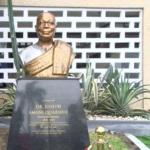
This year’s celebration also marked five years since the hospital’s founder, Dr Joseph Ameni Quarshie, passed away.

To honour his memory and legacy, a commemorative bust was unveiled, capping a day of reflection and renewed commitment to advancing healthcare excellence.

terms and conditions for using Rokmer Pharma’s website

Telecel Ghana Foundation’s Healthfest boosts healthcare access in Obrachere

Telecel Ghana Foundation’s Healthfest boosts healthcare access in Obrachere

The newly built Obrachere CHPS Compound, located in the Central Region, which has long struggled with low patient attendance, recorded an unprecedented turnout on Wednesday, August 13.

This was when the Telecel Ghana Foundation brought its flagship Healthfest and Rural Ultrasound Scan initiatives to the community.

For months, health workers at the facility had been concerned about the low turnout of patients seeking care, with most residents from Obrachere and nearby communities only visiting when illnesses became severe.

The Foundation’s intervention changed that dynamic, attracting residents from 10 neighbouring communities for a day of accessible, cost-free healthcare.

In total, 575 residents were screened for blood pressure, blood glucose, temperature, weight, pulse, typhoid, hepatitis B, and malaria. 40 expectant mothers received free ultrasound scans, while 347 people registered, renewed, or replaced their National Health Insurance Scheme (NHIS) cards, giving them the means to seek care in the future without financial strain.

Bernard, the newly posted Physician Assistant at the CHPS Compound, described the activation as a turning point for the facility.

“Attendance here has always been low, but today we saw everyone: the elderly, youth, mothers, and fathers. People are leaving not only with treatment but also with insurance coverage,” he said.

“Most people were clearly unwell but could not afford hospital visits. With the CHPS Compound’s typical low attendance, this event has been a welcome boost for the community.

“The free NHIS services mean residents can now return here when they are unwell without worrying about the cost.”

The Foundation’s Healthfest is an initiative designed to bridge healthcare access gaps in underserved areas by combining free diagnostics, consultations, and treatment with NHIS enrollment.

This approach not only addresses urgent health needs but also encourages regular use of local health facilities, creating long-term behavioural changes.

Rita Agyeiwaa Rockson, Head of the Telecel Ghana Foundation, Sustainability & External Communications, emphasised the importance of sustaining healthcare access beyond outreach events.

“Our goal is not only to bring healthcare services closer to underserved communities but also to remove the barriers that prevent people from seeking care.

“By combining free screenings with NHIS registration, we are helping residents access treatment today and ensuring they can return to the clinic whenever they need care in the future.”

Several community members expressed gratitude for the intervention. Mary, a pregnant woman from a nearby village, shared that her last scan in June cost GHS 50, which she could not afford this month.

“Today it was completely free. Most people here cannot afford these services,” she said.

Kwame Abbey, a father of three, added: “We all received treatment for free. I even came ready to pay, but I was not charged a pesewa. If we had gone to the hospital, the costs would have been high since my whole family has no insurance. Thanks to Telecel Ghana Foundation, my mother, grandmother, and all my children were treated for free.”

By the end of the day, the once-quiet Obrachere CHPS Compound was bustling, and the medical team is confident the change will last.