Rokmer Pharma Ltd

admin

terms and conditions for using Rokmer Pharma’s website

11 more Mpox cases recorded; total now 197

11 more Mpox cases recorded; total now 197

Ghana has recorded 11 new Mpox cases as of July 11, bringing the total confirmed cases to 197. The Ghana Health Service (GHS) states that the numbers indicate a steady but manageable rise, underscoring the need for continued vigilance nationwide.

Since seven cases were recorded on June 6, the infection rate has gradually increased, though health officials stress that the situation remains stable. Importantly, no new hospitalisations or deaths have been reported.

Mpox, once known as monkeypox, is a viral disease spread mainly through close physical contact. Symptoms often include fever, fatigue, swollen lymph nodes, and a distinctive rash. While many patients experience mild symptoms, early treatment is essential to prevent complications.

11 more Mpox cases recorded; total now 197

In response, the GHS is intensifying public awareness campaigns to ensure everyone stays informed and cautious.

Key preventive steps include avoiding close contact with anyone showing symptoms, practising thorough hand hygiene, and seeking medical attention promptly at the first sign of illness.

Health authorities highlight that quick detection and reporting are crucial to stopping the spread of Mpox. Surveillance teams, rapid response units, and community outreach programmes are working tirelessly to keep the outbreak under control.

The GHS urges all Ghanaians to remain alert, strictly follow safety protocols, and actively participate in efforts to protect communities and halt further transmission.

terms and conditions for using Rokmer Pharma’s website

48,580 HIV test kits distributed to men

48,580 HIV test kits distributed to men

The Ghana HIV and AIDS Network (GHANET) is taking a proactive and strategic approach to combat the nation’s HIV epidemic, focusing on a demographic often overlooked in health-seeking behaviours.

In a significant effort to increase testing rates, GHANET has successfully distributed nearly 49,000 HIV self-test kits to men across its project operational areas, with a deliberate emphasis on empowering individuals to know their status.

Mrs. Victoria Araba Dennis, the Vice President of GHANET, revealed that a total of 48,580 HIV test kits were distributed to men, achieving 63 per cent of their ambitious target of 77,665.

This strategic focus on men directly addresses a critical gap in Ghana’s national HIV response, as men generally exhibit poorer health-seeking behaviours compared to women.

“The focus on men was a deliberate strategy aimed at increasing HIV testing uptake among men who generally exhibited poor health-seeking behaviours,” Mrs. Dennis told the Ghana News Agency.

This initiative is crucial given that studies in Ghana have consistently shown lower HIV testing rates among men compared to women, despite men also being significantly affected by the virus.

For instance, data from the 2022 Ghana Demographic and Health Survey indicated that only 12% of men had ever tested for HIV, compared to 17% of women.

The distribution data highlights a strong uptake among younger, sexually active populations. Mrs. Dennis noted that “clients between 20 and 24 receiving the highest proportion of the test kits, followed closely by those aged 25 to 29 and 30 to 34.”

While the focus was on adults, it was also reported that “44 of the test kits were taken up by minors aged 0-14 years,” all of which were facilitated “with parental request and consent.”

A particularly encouraging outcome of the project is the high preference for unassisted testing.

“The majority of clients, representing 77.3 per cent, preferred unassisted testing, while 22.7 percent opted to be assisted,” Mrs. Dennis stated.

This aligns perfectly with the core objective of HIV Self-Testing (HIVST): to enable individuals to test independently and privately.

“The goal of the HIV Self-Testing was to allow individuals to independently test on their own; thus the high figure was a plus to the project,” she added.

The initiative also reached a significant number of new testers, with 46,263 individuals accessing testing for the first time, while the remaining 31,420 were repeat testers.

Looking back at the previous year’s performance, Mrs. Dennis observed that “students continued to receive more kits, underscoring the focus on younger, sexually active populations,” particularly those in tertiary institutions.

GHANET expressed profound gratitude to the project sponsors, the Ministry of Health, and other relevant institutions for their support in achieving these milestones, as well as acknowledging the “invaluable contributions of all implementing community-based organisations and the Secretariat.”

Despite these targeted efforts and advancements in testing, Ghana’s latest “2025 National and Sub-National HIV Estimates and Projections report,” recently launched in Accra, paints a sobering picture of the epidemic’s current state. The report reveals:

  • Total People Living with HIV (PLHIV): An estimated 334,721 people are currently living with HIV in Ghana.
  • AIDS-Related Deaths: In 2024 alone, 12,614 AIDS-related deaths were recorded, a stark reminder of the disease’s continued fatality.
  • Adult HIV Prevalence: The national adult HIV prevalence rate (ages 15–49) stands at 1.49%.

The report highlights a persistent and alarming gender disparity:

  • Women Disproportionately Affected: Women continue to bear the brunt of the epidemic, making up a staggering 68.5% (229,261) of the total number of people living with HIV, compared to 31.5% (105,460) for men.
  • New Infections: In 2024, females accounted for 67.4% (10,303) of new HIV cases, while males represented 32.6% (4,987). This disparity in new infections indicates that women are still more vulnerable to acquiring the virus.
  • Age and Gender Burden: Alarmingly, 69% of adult infections are among women, and 34% affect young people (15–24 years old), with 28% of these young infections occurring among young women. This points to critical vulnerabilities among adolescent girls and young women.

While significant strides have been made in Prevention of Mother-To-Child Transmission (PMTCT), with an impressive 99.3% of HIV-positive mothers accessing services to protect their babies, a critical challenge remains in overall treatment coverage.

  • Low ART Coverage: Only 47.5% of people living with HIV are currently on antiretroviral therapy (ART). This figure is significantly below the global UNAIDS target of 95% of people living with HIV knowing their status, 95% of those diagnosed receiving ART, and 95% of those on ART achieving viral suppression (the “95-95-95” targets for 2030).
  • Undiagnosed Population: This low ART coverage is partly attributed to an estimated 107,128 people who remain unaware of their HIV status, posing a major hurdle to Ghana’s ambitious HIV elimination goals. Undiagnosed individuals cannot access life-saving treatment and may unknowingly transmit the virus.

The low ART coverage also contributes to continued AIDS-related deaths, as studies indicate that timely initiation and consistent adherence to ART are crucial for improving health outcomes and preventing progression to AIDS.

GHANET’s focus on increasing testing, particularly among men and younger populations, is a vital step in bridging the gap in undiagnosed cases and linking more people to care and treatment. However, the comprehensive national data underscores that while testing initiatives are making progress, a broader, multi-faceted approach, including intensified awareness campaigns, improved access to ART, and continued efforts to address gender disparities, remains crucial to ending the HIV epidemic in Ghana.

terms and conditions for using Rokmer Pharma’s website

STOP NCD unveils bold NCD-CareNet intervention to tackle NCD canker

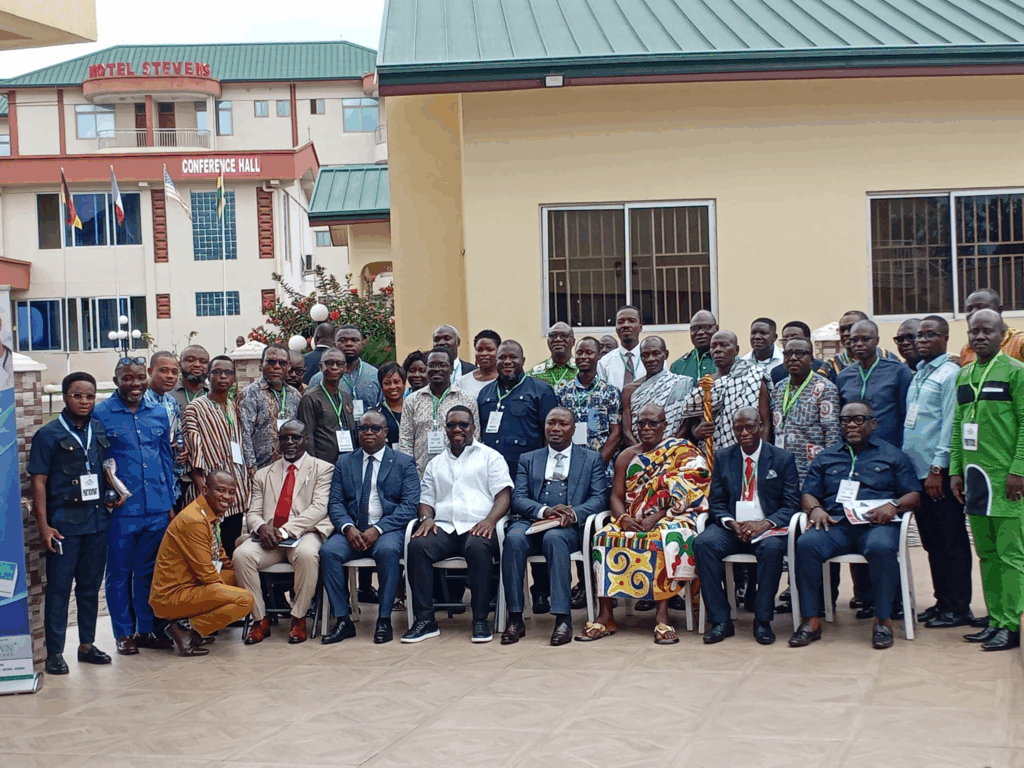
Group photo of the STOP NCD Research team and other stakeholders

Ghana is taking a crucial step in its battle against the escalating burden of Non-Communicable Diseases (NCDs), with the STOP NCD Research Centre spearheading a groundbreaking “NCD-CareNet Intervention”.

This innovative, systems-thinking approach aims to synthesise fragmented health data and establish a robust, equitable primary healthcare network to effectively manage conditions like hypertension, diabetes, and mental health issues.

The initiative was a central focus of the Third National and Sub-national Stakeholders NCD-Carenet Intervention Co-Design Meeting, held from Wednesday, July 9, to Friday, July 11, 2025 in Accra.

STOP NCD unveils bold NCD-CareNet intervention to tackle NCD canker

Professor Irene A. Agyepong, Chair of the Faculty of Public Health at the Ghana College of Physicians and Surgeons (GCPS) and Co-Director of the STOP NCD Research Centre.

Speaking at the pivotal meeting, Professor Irene A. Agyepong, Chair of the Faculty of Public Health at the Ghana College of Physicians and Surgeons (GCPS) and Co-Director of the STOP NCD Research Centre, articulated the rationale behind the new intervention.

“So basically in February 2025, we presented the synthesis of all that we had found as to what is driving the rising burden of NCD, non-communicable diseases, in low- and middle-income countries. We were trying to understand what is driving the NCD burden, what are the possible solutions, what is the way forward for Ghana, and what can make a difference,” Professor Agyepong explained, setting the context for the centre’s analytical work.

Ghana, like many low- and middle-income countries, is experiencing a significant epidemiological transition, with NCDs increasingly contributing to morbidity and mortality.

According to the World Health Organisation (WHO), NCDs account for approximately 43% of all deaths in Ghana, with cardiovascular diseases, cancers, diabetes, and chronic respiratory diseases being the leading causes.

The Ministry of Health’s 2023 data indicated that diabetes prevalence alone stood at around 5-7% of the adult population, while hypertension affected roughly 30% of adults aged 30 and above. These figures underscore the urgent need for comprehensive and coordinated interventions.

Professor Agyepong highlighted the key challenge identified by their research as the fragmentation of existing NCD-related information and efforts.

STOP NCD unveils bold NCD-CareNet intervention to tackle NCD canker

“Number one was that we found that actually there’s a lot of information in Ghana; it’s just fragmented, and it’s held in different places… It’s almost like you have pieces, but they are scattered; they haven’t been brought into a whole.”

To overcome this, the STOP NCD Research Centre adopted a systems thinking approach.

“Our conclusion after analysis was that actually the NCD problem in Ghana, if anything is needed immediately, is to now synthesise all this evidence and see what you can create as a functional whole to address this problem,” Professor Agyepong noted.

Focus on primary care and equity

The NCD-CareNet Intervention is strategically designed to focus on the primary care level, particularly at the sub-district level, with a referral system to district hospitals.

This is crucial because, as Professor Agyepong noted, many NCDs like hypertension and diabetes are “silent until it’s serious”, making early detection and intervention at the community level critical.

STOP NCD unveils bold NCD-CareNet intervention to tackle NCD canker


The intervention aims to “improve geographic access, quality, and financial access to primary care for NCDs.”

Recognising the varied capabilities of healthcare facilities at the sub-district level, from Community-based Health Planning and Services (CHPS) compounds to market clinics and even chemical sellers, the approach shifts from facility-centric care to population-centric care.

“You know, in Ghana, we tend to think of care as the facility. The facility is only there to serve the people,” she pointed out.

The NCD-CareNet seeks to organise care around communities of 5,000 to 10,000 people, rationalising available resources to ensure a consistent “basic quality content of care” regardless of whether the community is urban or rural.

A key component of the intervention is widespread screening at the lowest level of facilities, including CHPS compounds – the bedrock of Ghana’s primary healthcare system.

STOP NCD unveils bold NCD-CareNet intervention to tackle NCD canker


For those without immediate problems, counselling and follow-up are planned, while those with identified issues will be referred to health centres or polyclinics, thereby reducing pressure on higher-level facilities.

Pilot phase and future expansion

The NCD-CareNet Intervention is set to begin its pilot phase from August 1, 2025, in three strategically chosen sub-districts across different geographical contexts:

1.   Afram Plains North District (Eastern Region): Representing a severely deprived rural setting.

2.   Ga South District (Greater Accra Region): Chosen for its complex urban environment.

3.   Shai Osudoku District (Greater Accra Region): Offering a peri-urban, intermediary context.

“Initially in the next six months, we are going to try this synergised system and see how it will work,” Professor Agyepong stated, likening the pilot to a “test run” for a newly assembled car.


This six-month phase aims for continuous quality improvement, leading to a refined model by December 2025 or January 2026.

The long-term goal is to then evaluate the fully implemented system over 12 to 18 months, collecting robust data to assess its impact on people’s lives and its cost-effectiveness.

A health economist is part of the team to ensure the intervention provides truly useful information for decision-makers.

The Director of Public Health at the Ghana Health Service (GHS), Dr. Franklin Asiedu-Bekoe, lauded the NCD-CareNet Intervention and expressed confidence that it would help in providing solutions to the NCD issue in Ghana.

Addressing the public, he highlighted awareness in encouraging people to seek early medical intervention.

“If the awareness level is high, people will be motivated to visit the hospital and get tested at the health wellness clinics,” he noted.

Meanwhile, a member of the STOP NCD Advisory Committee, Dr. Sylvia Anie, added:

“It is critical that we seriously address the high prevalence of diabetes, hypertension and mental health conditions in Ghana. Therefore, bringing diverse stakeholders together to co-create the required guidelines for action is pivotal in ensuring that the Stop Non-Communicable Diseases Project remains practical, inclusive, and impactful for all.

The co-design meeting brought together key stakeholders, including representatives from the Ghana Health Service (GHS), the National Health Insurance Authority (NHIA), regional health directorates and sector agencies, ensuring broad buy-in and collaborative effort.

Working groups have been developing detailed guidelines for data systems, clinical procedures, and community engagement, emphasising a multi-sectoral approach.

While similar research initiatives are underway in other West African countries like Niger and Burkina Faso as part of a broader network, the NCD-CareNet Intervention is uniquely tailored to Ghana’s context.

The STOP NCD Research Centre’s commitment to finding evidence-based solutions promises a significant stride forward in Ghana’s fight against the “canker” of NCDs, aiming to translate research into tangible improvements in public health.

STOP NCD

The Global Health Research Centre for Non-Communicable Disease (NCD) Control in West Africa, known as STOP NCD, comprises the Ghana College of Physicians and Surgeons (GCPS) and the London School of Hygiene and Tropical Medicine (LSHTM) as the co-lead institutions, working in partnership with other organisations, namely Ashesi University in Ghana; the Catholic University of West Africa (UCAO-UUB) in Burkina Faso; and the Laboratoire d’Etudes et de Recherche sur les Dynamiques Sociales et le Développement Local (LASDEL) in Niger.

It is supported by the National Institute for Health and Care Research (NIHR) and the Department of Health and Social Care (DHSC) in the UK.

terms and conditions for using Rokmer Pharma’s website

‘SafeCare is Changing Lives’: Gradually redefining quality care in Ghana

'SafeCare is Changing Lives': Gradually redefining quality care in Ghana

At a glance, the transformation might seem modest: a Cleaner, more conscious of disinfection routines, a Nurse adhering to protocols for wound dressing, or a medical officer being more attentive to patient interactions and documentation. But beneath these subtle changes lies a quiet revolution, SafeCare, which is impacting Ghana’s healthcare system—one facility, one worker, one patient at a time.

According to the internationally certified SafeCare assessors, who recently participated in the SafeCare Assessor Refresher Training in Koforidua under the theme “Consistency, Integrity, and Excellence: Elevating SafeCare Assessment Process for Facilities’ QI”, it may be the best hope yet for improving the quality of healthcare in Ghana.

'SafeCare is Changing Lives': Gradually redefining quality care in Ghana

Silently and gradually, SafeCare is helping to shape quality in healthcare delivery in Ghana. SafeCare was introduced to Ghana in 2011, but took off on a larger scale through the strategic partnership with Christian Health Association of Ghana (CHAG) and PharmAccess in 2019.

Through the partnership, selected healthcare professionals are trained to become Internationally Certified SafeCare assessors, utilising the SafeCare standards to assess CHAG member facilities and supporting them through an improvement initiative using the digitally enabled quality improvement approach.

Healthcare facilities networks using the SafeCare programme get their facilities introduced to a system for measuring, improving and benchmarking quality using ISQuaEEA-accredited standards. The SafeCare standards are categorised into 13 service elements (covering both clinical and non-clinical areas) with focus areas including Accident & Emergency Care, HIV, TB & Malaria, Infection Prevention, Mother & Child, Life & Fire Safety, Customer Care, Business Performance, Staff & Training, Stock Management, and Clinical Management. 

Since its introduction in Ghana, healthcare organisations and networks such as CHAG, private healthcare partners and now Ghana Health Service (GHS), are using the SafeCare system to progress in improving trajectories from low quality to high quality. —demonstrating that systemic improvement is possible even with limited resources.

“SafeCare has the key to unlock remedies to the quality challenges in our health sector,” said Dr. Jennifer Salman, a paediatrician at Sunyani Municipal Hospital. “It’s more than guidelines and SOPs. It’s a way of thinking that transforms everyone in the healthcare facility—from the cleaner to the medical director.”

'SafeCare is Changing Lives': Gradually redefining quality care in Ghana

Training the Change Agents

The Assessor Refresher Training Programme, organised by PharmAccess, aimed to empower individuals to become agents of change. Participants included doctors, nurses, pharmacists, hospital administrators, quality officers, all trained to use the SafeCare standards and improvement methodology to support healthcare facilities with the provision of safer, efficient and more compassionate care.

“As a nurse, I used to think quality improvement was just about bedside care,” said Severa Kyeremaa, a pediatric nurse specialist from the CHAG network and a SafeCare certified assessor. “But SafeCare helped me understand that even cleaners and orderlies contribute to patient outcomes.” “Now I walk into a facility with confidence, knowing I have the tools to help close quality gaps.” For many, the training was an eye-opener. It pushed health professionals out of their silos, encouraging them to engage with broader aspects of service delivery— From governance, management, procurement & resource management, care coordination to data systems and waste management.

“SafeCare takes you beyond your area of specialisation,” said Benjamin Amoa-Menyah, another SafeCare-certified assessor and a specialist ENT nurse, from the CHAG network. “You start thinking about laboratory, pharmacy processes, documentation—things that seemed outside your role before. It sharpens your practice.”

'SafeCare is Changing Lives': Gradually redefining quality care in Ghana

A Proven Model, A Growing Movement

The success story with CHAG is proof of concept. Since 2019, SafeCare has helped the faith-based facilities adopt and integrate a culture of continuous improvement. Under the guidance of the CHAG Director for Quality, Dr. Abraham Baidoo and with the support of dedicated professionals at the newly set up Quality Hub, CHAG has embedded the SafeCare approach as a major strategic direction to support effective and efficient service delivery among member facilities.

“We have institutionalised SafeCare within CHAG, and the results are evident,” said Dr. Baidoo.  “Our facilities are safer, better managed, and more accountable. It is no surprise that Ghana Health Service has adopted the same model. We are proud to share what we’ve learned.”

The Ghana Health Service began a small-scale rollout of the SafeCare Programme in the Savannah and Bono East regions in 2022. In one year, several facilities recorded significant quality gains. Subsequently, after expansion into one hundred other healthcare facilities in ten additional regions, four of the facilities have obtained a SafeCare Level 4 quality rating in 2024. —a leap that would have seemed impossible without the programs’ structured guidance powered by digital innovation. The Ghana Health Service is looking to scale the SafeCare system to all healthcare facilities of the Service using a local ownership approach.

“We have moved from fragmented quality initiatives to a system-wide framework,” explained Joyce Amponsah, who works with the Quality Assurance Department at the Ghana Health Service Institutional Care Division. “SafeCare has made it possible to track real progress, not just intentions.”

'SafeCare is Changing Lives': Gradually redefining quality care in Ghana

Restoring Trust, Raising the Bar

With healthcare organisations becoming more sensitive to medico-legal issues and striving to gain public trust, the SafeCare system is helping facilities to restore confidence of patients, communities and healthcare professionals.

“SafeCare is not just a checklist,” said Bonifacia Benefo-Agyei, Country Director for SafeCare Ghana. “It is a culture of integrity. Our assessors are trained not just to evaluate, but to inspire change.”

“When patients know that every step of their care is being guided by internationally recognised standards, it creates trust,” added Dr. Maxwell Antwi, Country Director of PharmAccess Ghana. “Our goal is for every Ghanaian to feel safe seeking care here, not to feel they must go abroad for better service.”

The growing SafeCare movement is also aligned with Ghana’s national commitment to Universal Health Coverage (UHC)—not just coverage in numbers, but care that is safe, equitable, and effective.

What’s Next: Building for the Long Term

The Certified Assessors will continue to work across Private, CHAG and GHS networks of facilities to evaluate quality performance, support improvements, and track facilities’ progress through SafeCare’s digital assessment tools. But the work doesn’t stop there. SafeCare’s ultimate promise lies in its sustainability—training teams who can train others, embedding standards into daily operations, and changing mindsets from the inside out.

SafeCare has transformed my approach to work,” said Dr. Salman. “I now view quality not merely as a target to achieve, but as a responsibility to maintain.” This sentiment resonates with the experiences of nearly every health worker who has adopted the SafeCare model. For them, it is not just about improving scores; it is about elevating standards. And in doing so, fostering hope.

terms and conditions for using Rokmer Pharma’s website

Novo Nordisk and American Society of Hematology announce new initiative to help improve sickle cell disease care in Africa

Novo Nordisk and American Society of Hematology announce new initiative to help improve sickle cell disease care in Africa

Novo Nordisk today announced a collaboration with the American Society of Haematology (ASH) to support the Consortium on Newborn Screening in Africa (CONSA) Community Health Worker (CHW) Initiative.

This programme aims to demonstrate how CHWs trained in sickle cell disease (SCD) diagnosis, education and care coordination can significantly improve patient wellbeing and reduce health inequity, by improving access to care in remote areas and helping children with SCD lead longer, healthier lives.

SCD disproportionately impacts sub-Saharan African populations, with more than 75% of global births of babies with SCD occurring in sub-Saharan Africa.

Since 2018, CONSA has successfully screened over 140,000 newborns in sub-Saharan Africa for sickle cell disease, but a significant drop-off in follow-up clinical care after initial diagnosis remains a core challenge.

Key barriers include a lack of understanding of the disease, stigma and the distance to SCD-equipped health facilities2,3.

Through Novo Nordisk’s partnership with ASH, the CONSA CHW initiative will work with local and national governments across sub-Saharan Africa over three years to increase follow-up care post-diagnosis, reduce serious complications through early intervention and address care inequity.

Novo Nordisk is additionally working in partnership with Reach52, a social enterprise with an extensive network of digital health workers and community agents operating in low-access regions.

The partnership aims to deliver SCD health awareness campaigns across three Kenyan counties, Siaya, Homabay, and Kisumu, to encourage residents to increase health-seeking behaviours and reduce stigma associated with the disease.

“Too many children and families in sub-Saharan Africa don’t have access to needed sickle cell disease care. This initiative provides the opportunity to expand ASH’s newborn screening efforts to improve consistent access to care, provide education, and help these families through trusted health care professionals,” said Belinda R. Avalos, MD, ASH president.

“We’re glad to partner with Novo Nordisk, an organisation that has shown a commitment to prioritising sickle cell disease care in low-access communities.”  

The CONSA consortium currently maintains 11 clinical catchment areas across Ghana, Kenya, Liberia, Nigeria, Tanzania, Uganda and Zambia. Each area will initially work with five CHWs and receive two yearly grants to bolster essential activities.

In years two and three, Nurse Coordinator CHW summits will help to facilitate cross-country collaboration, idea sharing and the broader enhancement of SCD care across Africa.

“With a majority of the 515,000 babies born with sickle cell disease each year in sub-Saharan Africa, and a global shortage of primary care providers, supporting nurses and community health workers to bridge any care gaps is essential,” said Vinay Ransiwal, Novo Nordisk General Manager, Middle Africa.

“As part of our sustainable iCARE strategy, we are committed to working in close partnership with SCD communities to enhance capacity and improve access to comprehensive care, alongside our efforts to develop new innovative treatment solutions.”

Novo Nordisk’s partnerships with CONSA and reach52 are part of an ongoing commitment to working with the SCD community to build capacity and capabilities in SCD and improve access to comprehensive care, to ultimately achieve better short- and long-term patient health outcomes.

terms and conditions for using Rokmer Pharma’s website

Dialysis crisis: Cape Coast Teaching Hospital struggling to keep up with demand 

Dialysis crisis: Cape Coast Teaching Hospital struggling to keep up with demand 

The Cape Coast Teaching Hospital is facing a growing crisis in the provision of dialysis services, Dr. Eric Kofi Ngyedu, the Chief Executive Officer (CEO) of Cape Coast Teaching Hospital, has said. 

According to him, a large percentage of dialysis patients in the country rely on a limited number of facilities, and the demand for these services far exceeds capacity. 

“We are advocating for increased support and funding to address the financial challenges faced by dialysis patients,” Dr Ngyedu said, on Monday during a working visit by the Parliamentary Select Committee on Health to the institution. 

The day’s visit was also a mop-up exercise of earlier oversight visits to health facilities in the country by the Committee. 

“The cost of dialysis is high, with a significant financial burden on patients and the healthcare system,” he told the Committee. 

According to the CEO, the challenges faced by dialysis units were multifaceted.  

He cited outdated equipment, high demand, and financial constraints as some of the issues that needed to be addressed.

“Some of our equipment is over 40 years old and needs replacement.  

“We are working to expand our services, but we need support to make it happen,” the CEO told the Committee.  

Dialysis crisis: Cape Coast Teaching Hospital struggling to keep up with demand 

He added that the financial burden on patients was substantial, with many struggling to access life-saving treatment.  

He said, “We are subsidizing dialysis services, but patients still face significant costs.” 

“We need to find a way to make these services more affordable and accessible,” he noted. 

Despite the challenges, the CEO told the Committee that management was working to find solutions.

“We are engaging with stakeholders to secure funding and support for our dialysis unit. 

“We believe that with the right resources, we can provide high-quality care to our patients and improve health outcomes,” he said. 

As the healthcare community continues to navigate the complexities of dialysis care, one thing is clear: increased support and funding are essential to ensuring the sustainability of these services. 

The Committee advocated for a collaboration to address the dialysis crisis not only at the Cape Coast Teaching Hospital but in Ghana as a whole.  

They called for increased funding, improved infrastructure, and enhanced support for healthcare facilities, as they were essential to ensuring that patients received the care they needed. 

“We are advocating for increased support and funding to address the financial challenges faced by dialysis patients.” Dr. Titus Beyuo, a member of the Health Committee, said. 

terms and conditions for using Rokmer Pharma’s website

Cataract, glaucoma, and pterygium predominant in Ketu North Municipality

Cataract, glaucoma, and pterygium predominant in Ketu North Municipality

Cataract, glaucoma, and pterygium eye conditions have been identified as more prevalent in the Ketu North Municipality of the Volta Region.

Health experts indicated that bleaching is the cause of cataracts, while dusty and sunny environments and other irritants were the major causes of pterygium conditions in the area.

This was disclosed during a 3-day health mission organized by the Volta Health Network at the Ketu North Municipal Hospital in Weta.

Cataract, glaucoma, and pterygium predominant in Ketu North Municipality
Rev. Dr. Lordson Dagba, Optometrist

Rev. Dr. Lordson Dagba disclosed that out of 169 eye cases, 64 surgeries were conducted for glaucoma, pterigium, and cataract patients among others.

He said the eye conditions were predominant in the Ketu North Municipality because it has a network of mostly unpaved roads, where residents rely on motorbikes for transport.

According to him, driving and riding on these dusty roads on motorcycles exposes commuters to a lot of irritants that cause damage to the eyes.

He added that another cause of the cataract cases was bleaching, where patients continuously exposed their eyes to chemical agents that cause damage, leading to partial and total blindness.

Cataract, glaucoma, and pterygium predominant in Ketu North Municipality
An eye surgery beneficiary

“We have seen a good number of cataracts in younger people here and it was a concern, they have complicated cataracts. For some of them, because they are bleaching, it caused them to have cataracts. So we have to operate them.”

“Pterygium also is an issue that is seen in environments that are dusty, more sunny, or have things that cause a lot of irritation to the eye. In fact, as we all age because we come into contact with things that irritate our eyes, there is a chance that you can develop Pterygium. We had a lot of such cases here and that should tell you there are a lot of irritants here. Even the road to the Weta Hospital is dusty”, he stressed.

Cataract, glaucoma, and pterygium predominant in Ketu North Municipality

He warned people who noticed problems with their eyes to visit a health facility for diagnosis and treatment and desist from engaging local or herbal practitioners for a cure.

“We want to caution that cataract is a curable disease and that we have a lot of eye specialists in the system doing good cataract surgeries. So, people should be assured that they will have good vision when they access services of an eye specialist”, he said.

Some of the patients who spoke to Joy News expressed gratitude to Volta Health Network for restoring their vision after years of struggle.

Similarly over 70 fibroid surgeries were conducted for beneficiaries within the 3-day outreach. There were also high cases of hernia and goiter, among other minor illnesses.

Cataract, glaucoma, and pterygium predominant in Ketu North Municipality

A Consultant Optetrician and Gynaecologist of the University of Health and Allied Sciences and Ho Teaching Hospital, Prof. Wisdom Azanu, said the team with the support was able to remove very huge hernia and goiters.

“You should have come earlier, we did a huge fibroid and we gave them hope to live again. We have done huge hernias, we have huge goiters”, he said.

This development has prompted the Volta Health Network to lead research to unravel the cause of these health conditions and find a possible solution to them.

The General Secretary of the Volta Health Network, Leonard Gobah, said his outfit would partner with the Ghana Health Service and the University of Health and Allied Sciences to conduct the research.

“For the general surgery area, what we are seeing mainly is goiter, and then hernias, and so that is something we are concerned about. We [Volta Health Network] want to research and find out exactly what is causing these issues”, he hinted.

Cataract, glaucoma, and pterygium predominant in Ketu North Municipality
Leonard Gobah, General Secretary of the Volta Health Network

He lauded the management of the Ketu North Municipal Hospital for their seemingly well-organized coordination of the health outreach, adding that “we have been really satisfied, there is Joy in our hearts because we have fulfilled our mission”, he said.

He appealed for financial and logistical support to enable the Network to undertake more outreaches to serve humanity with basic healthcare.

terms and conditions for using Rokmer Pharma’s website

UHAS hosts leadership chat to empower oncology nurses for cancer care advancement

UHAS hosts leadership chat to empower oncology nurses for cancer care advancement

The University of Health and Allied Sciences (UHAS) has hosted a capacity-building session for participants of the Oncology Nursing Leadership Programme (ONLEP) and the university’s student body, focusing on preparing nurses to take up leadership roles in specialised cancer care.

The event, dubbed the ONLEP Fireside Leadership Chat, was designed to expose oncology nurses to real-life leadership experiences, enhance their professional networks, and build their capacity for impactful leadership.

ONLEP is a collaborative initiative introduced in partnership with UHAS, City Cancer Challenge (C/Can), the International Society of Nurses in Cancer Care (ISNCC), and AMGEN, a leading biotechnology and pharmaceutical organisation.

City Cancer Challenge (C/Can) is a global multi-stakeholder consortium committed to delivering customised solutions for cancer care, while ISNCC promotes the role and leadership of nurses in improving cancer care delivery.

Speaking at the event, the Vice Chancellor of UHAS, Professor Lydia Aziato, underscored the importance of empowering nurses to lead within the oncology field. “Recognising the crucial role of nurses in cancer care, ONLEP was introduced to consolidate the gains made so far and provide strong leadership within this specialised field,” she said.

Prof. Aziato further explained that the programme aims to train oncology nurses to:

  • Develop strong foundations in leadership
  • Gain an in-depth understanding of health services organisation, financial management, and quality assurance.
  • Integrate psycho-oncology, stress, and change management into practice
  • Acquire skills in networking, collaboration, and research
  • Use evidence to guide oncology nursing practice
  • Develop and review policies, and engage in advocacy within oncology care

The guest speaker, Professor Dora Francisca Edu-Buandoh, former Pro-Vice Chancellor of the University of Cape Coast, shared her personal leadership journey, highlighting the challenges and motivations that propelled her into leadership roles within academia.

She encouraged participants to build confidence and harness emotional intelligence, negotiation, and communication skills as they prepare for leadership in oncology nursing.

“Team building, strategic thinking, project management, and conflict resolution are all critical leadership skills,” Prof. Edu-Buandoh advised.

She also warned against allowing gender stereotypes, unconscious bias, and social barriers to hinder professional growth.

“Work on leadership values. Demonstrate a strong work ethic and discipline. Be consistent, innovative, and encourage creative risk-taking and continual improvement—but above all, maintain your integrity,” she said.

Prof. Edu-Buandoh concluded with a powerful call to action:

“Build trust, be ethical and transparent even under pressure, be resilient—bounce back from adversity and failures—be courageous, be principled, and take bold decisions.”

The ONLEP Fireside Leadership Chat forms part of ongoing efforts to develop the next generation of oncology nurse leaders, capable of driving cancer care excellence across Ghana and beyond.

terms and conditions for using Rokmer Pharma’s website

Asempa FM’s Ekosiisen supports renal patients with GHS100K, urges gov’t to absorb full cost of dialysis care

Asempa FM’s Ekosiisen supports renal patients with GHS100K, urges gov’t to absorb full cost of dialysis care

The Ekosiisen Impact Project, an initiative under Asempa FM’s flagship current affairs programme Ekosiisen, has intensified its support for renal patients across Ghana, following a distress call from the Renal Patients Association of Ghana.

Responding swiftly to an SOS appeal from the Association’s President, Baffuor Kojo Ahenkorah, the team behind the Ekosiisen Impact Project has so far raised GHS100,000 to ease the financial burden of dialysis patients who continue to face life-threatening costs despite recent government interventions.

In 2024, the government of Ghana, through the National Health Insurance Authority (NHIA), began covering the cost of two dialysis sessions per week for all patients in public health facilities, a move widely welcomed by kidney patients and their families. However, an additional and unavoidable expense remains: the cost of two essential injections.

Each dialysis patient is required to take Erythropoietin (EPO) before treatment to maintain adequate blood levels, and Iron Sucrose at the end of the session to keep haemoglobin levels stable. These two injections cost a minimum of GHS350 weekly, an expense that continues to push many patients to the brink, with some unable to afford the medication and succumbing to complications.

Targeted Relief for Over 370 Patients

Under the Ekosiisen Impact Project, funds have been mobilised to directly support these critical medical needs. So far, the team has channelled support to:

150 patients at the Korle-Bu Teaching Hospital in Accra

100 patients at Cape Coast Teaching Hospital

120 patients at the Komfo Anokye Teaching Hospital (KATH) in Kumasi

The donations, presented in two tranches of GHS50,000 each, the first in March and the second in May 2025, are used to purchase the EPO and Iron Sucrose injections for the most vulnerable patients.

“The President of the Renal Patients Association, Baffuor Kojo Ahenkorah, received the support on behalf of the patients and ensured that the injections were purchased and distributed directly to members. Patients then take their injections along whenever they report for dialysis,” the project team lead, Osei Bonsu (OB), Programmes Manager of Asempa FM, and Host of Ekosiisen, explained.

Asempa FM’s Ekosiisen supports renal patients with GHS100K, urges gov’t to absorb full cost of dialysis care
A renal patient happily receives his injections under Ekosiisen’s Impact project.
Asempa FM’s Ekosiisen supports renal patients with GHS100K, urges gov’t to absorb full cost of dialysis care

Sustained Advocacy and Monthly Fundraising

The Ekosiisen Impact Project has also pledged to raise at least GHS50,000 every month to sustain this support until the government steps in to absorb the cost of the two life-saving injections.

Asempa FM’s Ekosiisen supports renal patients with GHS100K, urges gov’t to absorb full cost of dialysis care

Monthly on-air fundraising campaigns are held on Ekosiisen, where some renal patients join the show live to share their struggles and personal stories.

Asempa FM’s Ekosiisen supports renal patients with GHS100K, urges gov’t to absorb full cost of dialysis care
President of the Renal Patients Association, Baffuor Kojo Ahenkorah, in the studios of Asempa FM, after receiving a cash donation.

According to OB, the public response has been overwhelming, with listeners contributing generously to the cause. He commended listeners for their contributions to the project.

Asempa FM’s Ekosiisen supports renal patients with GHS100K, urges gov’t to absorb full cost of dialysis care
Beneficiary renal patients gather to receive their injections.

A Call to Government: Absorb the Full Cost

While acknowledging the government’s effort in paying for dialysis sessions, Ekosiisen is calling for the full absorption of the total cost of renal care, including the EPO and Iron Sucrose injections.

Asempa FM’s Ekosiisen supports renal patients with GHS100K, urges gov’t to absorb full cost of dialysis care

The Minister of Health has hinted that the government may consider covering the costs under the proposed Mahama Cares initiative, but the Ekosiisen team insists that this must be fast-tracked to prevent further loss of life.

Building on Impact

The Ekosiisen Impact Project, launched in 2024, has become a beacon of community support. Its first major intervention was the construction of a three-bedroom house for a young accident victim, a gesture that drew national attention and support.

The current focus on renal patients further reflects the project’s commitment to life-saving advocacy and direct social intervention.

As the initiative continues, Ekosiisen is appealing to the public and corporate bodies to join the monthly drive to sustain lives until a permanent policy solution is reached.

terms and conditions for using Rokmer Pharma’s website

Over 70,000 trained health graduates remain unemployed

Over 70,000 trained health graduates remain unemployed

Ghana’s healthcare sector is grappling with a critical shortage of healthcare services in many areas, while an overwhelming surplus of trained health professionals remains unemployed.

The Minister for Health, Kwabena Mintah Akandoh, has revealed the true scale of this crisis in Parliament, disclosing that the number of trained health professionals currently seeking employment far exceeds earlier estimates, now totalling over 70,000 across various disciplines.

This figure shatters the previously widely cited approximation of 30,000 unemployed health workers, painting a far grimmer picture of human resource challenges in a sector vital to national development and well-being.

Ghana’s doctor-to-patient ratio stands at roughly 1:8,000, significantly below the World Health Organisation’s (WHO) recommended 1:1,000.

Similarly, the nurse-to-patient ratio often falls short of optimal levels, especially in rural and underserved areas.

Delivering further details in Parliament, Mr. Akandoh provided a granular breakdown of the staggering figures:

  • Nurses: The largest cohort of unemployed professionals, numbering 48,878. This includes:
    • 15,947 from the 2021 batch
    • 17,176 from the 2022 batch
    • 15,755 from the 2023 batch . The Minister acknowledged that approximately 15,000 nurses were granted financial clearance in December 2024, signalling an effort to address the backlog. However, he cautioned that these individuals are still in the process of being formally placed on the government payroll, indicating delays in actual deployment.
  • Allied Health Professionals: A staggering 21,570 allied health professionals remain unemployed. Mr. Akandoh revealed a dire situation for this critical group, which includes laboratory technicians, physiotherapists, radiographers, nutritionists, and others, stating that “no financial clearance has been granted for allied health professionals since 2019.” This five-year recruitment freeze has led to an enormous backlog and a significant brain drain in these specialized fields.
  • Pharmacists: The situation for pharmacists is equally bleak, with 1,621 currently jobless. Like allied health professionals, no recruitment has occurred for pharmacists since 2019, exacerbating the shortage of pharmaceutical services, particularly in remote areas. Ghana has approximately 4,500 licensed pharmacists, translating to a ratio of about 1 pharmacist per 7,500 people, far below the optimal standards.
  • Medical Doctors: Despite the often-cited shortage of doctors in Ghana, over 900 qualified medical doctors remain unemployed and are awaiting placement. The Minister confirmed that the Ministry has recently begun efforts to recruit these doctors, offering a glimmer of hope for this highly trained group. Ghana trains roughly 500-600 doctors annually from its public medical schools.

“The problem is, therefore, enormous,” Mr. Akandoh admitted, acknowledging the gravity of the situation that leaves thousands of skilled professionals idle while many Ghanaians lack access to quality healthcare services. “But we are committed to finding solutions to it,” he assured Parliament.

As part of broader efforts to tackle this colossal unemployment challenge, Minister Akandoh disclosed that the government is exploring “managed migration” as a temporary strategy to ease the burden.

This approach seeks to facilitate the ethical and organized movement of Ghanaian health professionals to countries with demand for their services, ensuring that their skills are utilized while potentially generating remittances and building international experience.

He revealed that “over 13 countries have formally expressed interest in recruiting Ghanaian nurses and other qualified health professionals,” indicating a significant international demand for Ghana’s healthcare workforce.

Countries like the UK, Canada, and Germany have increasingly looked to African nations to fill their own healthcare staff shortages.

Mr. Akandoh reaffirmed the Ministry’s commitment to securing both local and international opportunities.

The dual strategy aims to reduce the daunting backlog of unemployed professionals and simultaneously improve health service delivery across the country by strategically deploying available personnel where they are most needed.

The Minister’s disclosure highlights the urgent need for a long-term, comprehensive human resource plan for Ghana’s health sector that aligns training output with recruitment capacity and national health needs.