Rokmer Pharma Ltd

admin

terms and conditions for using Rokmer Pharma’s website

So Why Are We Lacking Vitamin D?

The image is AI-generated for illustration only

Much of West Africa, Ghana, is blessed with abundant sunlight all year round. Many people assume that living in a sunny climate automatically protects one from vitamin D deficiency. I recently came across a multi-centre study (see reference) that challenges this widely held assumption. Despite all the sunshine, nearly half of the participants had low levels of this essential vitamin. This surprising finding invites us to take a closer look at how lifestyle, skin tone, and even geography affect our vitamin D status.

Why is Vitamin D so Important?

This “sunshine vitamin” is essential for strong bones, a healthy immune system, and even stable blood pressure. Vitamin D is a fat-soluble vitamin that helps the body to:

  • Absorb calcium and phosphorus for strong bones and teeth
  • Fight infections by boosting the immune system
  • Regulate blood pressure and inflammation
  • Support muscle strength and energy levels
  • Reduce the risk of complications in pregnancy

Without enough vitamin D, the body begins to suffer quietly at first, but seriously over time.

What did the researchers do and what did they find?

The research team measured vitamin D levels in blood samples of 500 healthy adults (blood donors) from three geographical areas in Ghana: the northern, middle, and southern zones. They also gathered information on age, gender, and dietary intakes.

Surprisingly, nearly 45% of the study participants had low vitamin D levels. Women were more likely to be deficient than men. Participants living in the northern part of Ghana, which gets less rainfall and has more intense sun, generally had a slightly lower proportion of people with vitamin D deficiency (41%), compared to those in the southern (45%) and middle zones (46%). Interestingly also, not knowing about vitamin D-rich foods and eating fewer vitamin D-rich foods were associated with higher chances of having vitamin D deficiency.

Why Sunlight Alone is not Enough

Many people spend most of their day indoors, whether at work, in school, or at home. Even when outside, long sleeves, head coverings, or cultural clothing often block direct sunlight from reaching the skin. Also, because people with darker skin have higher levels of melanin, they need more sun exposure to produce the same amount of vitamin D as someone with lighter skin.

So even in a sunny country like Ghana, you can still end up vitamin D deficient.Some people have no symptoms at all when they are deficient in vitamin D. But common signs include, constant fatigue or weakness, bone or back pain, frequent infections or slow healing, depression or mood swings, muscle aches or cramps and hair thinning, among others. Pregnant women with low vitamin D are also more likely to experience complications like high blood pressure or preterm delivery.

What Can We Do?

The good news is, there are simple steps we can take to improve our vitamin D levels:

  • Spend Safe Time in the Sun: Aim for short periods of sunlight exposure (about 10–30 minutes, depending on skin tone) a few times a week—especially in the early morning or late afternoon when the sun is gentler.
  • Eat Vitamin D-Rich Foods: Include more oily fish (like sardines, salmon, and mackerel), egg yolks and liver in meals. Vitamin D-fortified foods such as breakfast cereals, margarine, and some dairy or plant-based milk are also good options. Cod liver oil and mushrooms (sun-dried or exposed to UV light) are also great sources.
  • Talk to a Healthcare Professional about Supplementation: Because individual needs differ, it’s important to consult a registered dietitian or doctor before starting any vitamin D supplement. They can assess your vitamin D status and recommend the right dosage, if needed. Over-supplementation can be harmful.
  • Check Your Levels When in Doubt: Especially if you experience symptoms like fatigue, frequent illness, or unexplained muscle aches, getting your vitamin D levels tested is a good idea.
  • Educate and Advocate: Help spread awareness. Many people do not realise how essential vitamin D is, or how common deficiency can be, even in sunny countries.

My Concluding Thoughts

Residing in a sunny climate does not necessarily guarantee adequate vitamin D levels. In fact, recent evidence shows that a significant number of people in such regions are deficient without even knowing it. The good news is that vitamin D deficiency is something we can tackle through lifestyle changes, dietary improvements, and, when necessary, medical support. Don’t wait for symptoms to appear. Prioritise your health by spending time in the sun, eating vitamin D-rich foods, and consulting a qualified healthcare provider to find out if you may need a supplement.

Click here to join Full Proof Nutrition WhatsApp channel to receive more educative content. Send us a mail on fullproofnutrition@gmail.com

Written by Dr. Laurene Boateng (PhD, RD)
Dr. Laurene Boateng is a Registered Dietitian and Senior Lecturer in the Department of Dietetics, University of Ghana. She is the founder and editor-in-chief of Full Proof Nutrition, a Nutrition Consultancy committed to providing reliable, evidence-based, and practical healthy eating advice through its website www.fullproofnutrition.com.  Click here to join Full Proof Nutrition WhatsApp channel to receive more educative content. Send us a mail on fullproofnutrition@gmail.com

References

  1. Sakyi, S. A., Antwi, M. H., Ahenkorah Fondjo, L., Laing, E. F., Ephraim, R. K. D., Kwarteng, A., … & Buckman, T. A. (2021). Vitamin D deficiency is common in Ghana despite abundance of sunlight: a multicentre comparative cross‐sectional study. Journal of Nutrition and Metabolism, 2021(1), 9987141.
  2. https://my.clevelandclinic.org/health/diseases/15050-vitamin-d-vitamin-d-deficiency

terms and conditions for using Rokmer Pharma’s website

Health Ministry processes pharmacist salaries, promises interns payment

Health Ministry processes pharmacist salaries, promises interns payment

The Health Ministry says it has successfully processed salaries for 321 Pharmacist House Officers who completed their housemanship in 2024.

This, it notes, is a significant step toward addressing outstanding financial obligations within the sector.

The Ministry also acknowledges concerns raised by the 2024 batch of Rotation Nurses and Allied Health Interns who began their rotations in May 2024 and completed them in May 2025, but have not received their salaries.

It attributes the delay to the inability of the previous government to secure the necessary financial clearance before the interns started work.

According to the Ministry, it is actively working with relevant government agencies to prioritise and expedite the clearance process to ensure the timely disbursement of all outstanding salaries.

“This effort reflects the Ministry’s broader commitment to resolving salary arrears across all health worker categories and ensuring that every qualified professional is supported in delivering essential healthcare services to Ghanaians.”

Health Ministry processes pharmacist salaries, promises interns payment

“We wish to reassure all affected Rotation Nurses and Allied Health Interns that their concerns are being addressed as a matter of urgency,” it said, adding that steps are being taken to implement a sustainable system that prevents such delays in the future.

terms and conditions for using Rokmer Pharma’s website

Korle Bu Teaching Hospital sees 700 cancer cases annually 

Korle Bu Teaching Hospital sees 700 cancer cases annually 

Africa records over 24,000 new cancer cases annually, with Korle Bu Teaching Hospital documenting 700 cases each year since 2005.

Dr Hannah Naa Gogwe Ayettey, Consultant Oncologist at Korle Bu Teaching Hospital, disclosed this during a cancer research symposium held to explore the unique features of African cancers for improved treatment outcomes.

Speaking at the event, which was organised under the auspices of Precision Medicine for Aggressive Breast Cancers (PMABC), she stressed the importance of collaborative research to enhance patient care and develop effective treatments across the continent.

“The mission of PMABC is to build the capacity of institutions and researchers across Sub-Saharan Africa to help reduce cancer burden through advanced research and delivery of care to diverse populations worldwide,” she stated.

Dr Ayettey, who also serves as the General Secretary of the African Organisation for Research and Training in Cancer (AORTIC), noted that while genetic factors contribute to cancer prevalence in Africa, patients face severe socio-economic challenges and financial hardship due to the high cost of treatment.

She advised patients to seek early hospital care to avoid complications and called for increased awareness to encourage early detection and greater community involvement in care.
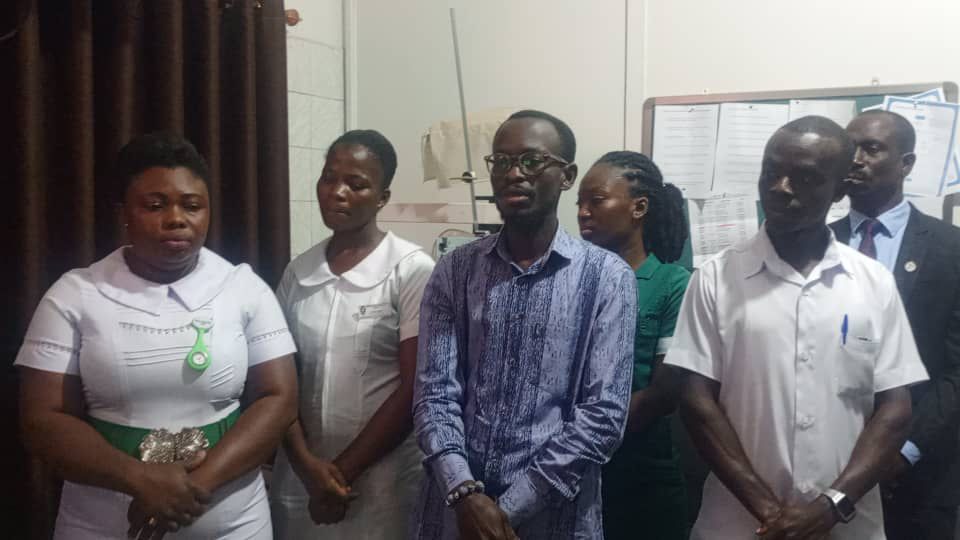
The symposium, themed “Catalysing Basic and Translational Cancer in Africa: Advancing Progress and Capacity Building”, was held in partnership with AORTIC.

It brought together experts and researchers to focus on high-burden cancers, including breast, cervical, prostate, colorectal, and oesophageal cancers.

Dr Miriam Mutebe, President of AORTIC, reiterated the importance of early diagnosis, saying, “Many cancer patients are potentially treatable and curable if diagnosed earlier.”

“Breast cancer is the most common diagnosis affecting young ladies in West Africa, but about 90 percent of the patients survive due to early detection,” she added.

terms and conditions for using Rokmer Pharma’s website

Africa AI Health forum explores practical uses of generative AI in healthcare

Africa AI Health forum explores practical uses of generative AI in healthcare

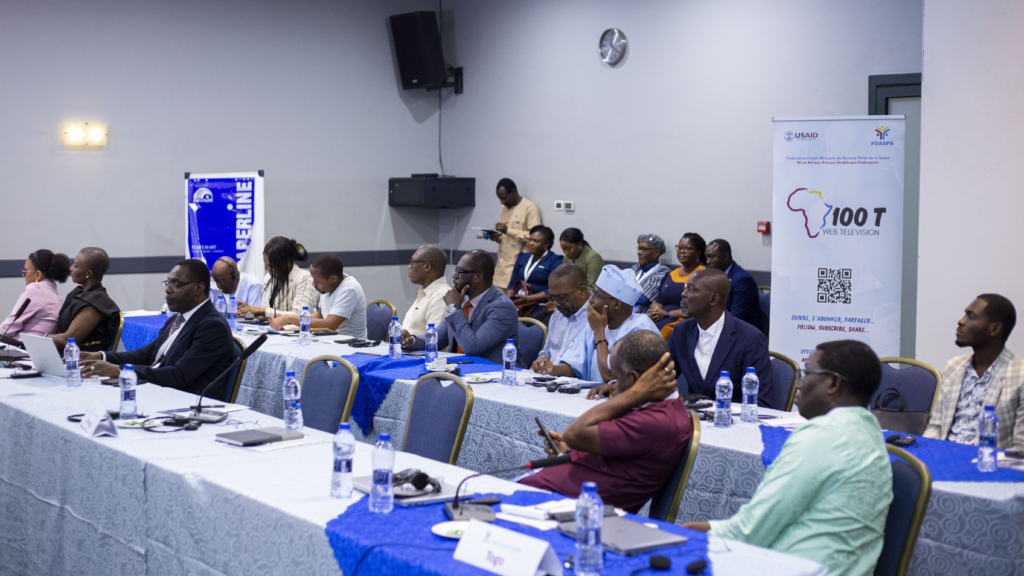
More than 150 in-person participants and over 300 virtual attendees gather at the Africa AI Health Forum 2025 to explore the opportunities and limitations of using generative artificial intelligence (AI) in African healthcare systems.

The one-day hybrid forum, held in Kumasi and jointly organized by the Global Health and Infectious Diseases Research Group, KCCR-KNUST, and the Global Health Network, focused on the theme “Harnessing Generative AI for Healthcare Innovations: Lessons, Challenges, and Future Directions.”

Africa AI Health forum explores practical uses of generative AI in healthcare

Participants, including clinicians, health administrators, AI engineers, researchers, and students, engaged in live demonstrations, panel discussions, and technical sessions. The agenda focused on practical AI tools tailored to local needs and addressed regulatory and implementation barriers in African public health settings.

“Telehealth is the future of healthcare, and the way forward is AI-enabled,” said Dr. Wisdom Atiwoto, Director of Research, Statistics, and Information Management at Ghana’s Ministry of Health. “But real transformation will require bold policy, strong partnerships, and systems that put people first. Ghana is ready to lead that change.”

Dr. Atiwoto’s presentation outlined how Ghana’s digital health policies have progressed, from early eHealth strategies to the Ministry’s current focus on AI. He highlighted the Ghana Telemedicine Project as one example where AI-assisted consultation models are helping to reduce unnecessary referrals and cut costs.

Africa AI Health forum explores practical uses of generative AI in healthcare

Local Innovation Spotlight: CARE-GDM

CARE-GDM, a mobile-based digital health application, was one of the new innovations featured at the forum. Built on the WhatsApp platform, the tool includes a clinician-facing dashboard and a patient chatbot. The tool illustrates the potential of AI to enhance the continuum of care by supporting gestational diabetes management between facility visits.

CARE-GDM supports remote monitoring, health education, and decision-making tailored to each patient. Though still in its early development phase, it shows how AI is being adapted to Ghana’s health system and common communication platforms. 

“We need to move beyond pilots and proof-of-concept,” said Dr. John Amuasi, Lead for the Global Health and Infectious Diseases Research Group, GHID-KCCR.

“Africa is ready to own, adapt, and scale AI for health, but it must be on our terms, informed by local realities. That means investing in talent, building infrastructure, and anchoring AI in ethical, evidence-based systems.”

AI in Context

A panel discussion featuring Dr. Martin Balaba, Sesinam Dagadu, and Dr. Prince Adjei,  moderated by Dr. Neta Parsram, addressed key questions on the role of AI in Ghana’s health system and across Africa, where AI could add the most value alongside its potential to complement, enhance, and reshape, rather than replace, clinical roles. The panel also addressed risks such as data bias, stressing the need for African-generated data and locally relevant governance to ensure AI systems work equitably across contexts. Additionally, the forum also hosted a Prompt Engineering Challenge, allowing participants to experiment with large language models in health-specific scenarios.

Rather than promoting AI as a disruptive solution, the forum emphasized measured integration, linking AI tools to existing public health priorities. The event was supported by the Ghana Ministry of Health, The Global Health Network, Science for Africa Foundation, IDRC, and the FCDO.

terms and conditions for using Rokmer Pharma’s website

Direct Relief applauds Breast Care International for lifesaving medical support in Ghana

Direct Relief applauds Breast Care International for lifesaving medical support in Ghana

Global humanitarian organization Direct Relief has praised Breast Care International (BCI) and its partner, Peace and Love Hospitals, for their outstanding efforts in distributing medical supplies to underserved communities across Ghana.

As one of Direct Relief’s most trusted partners worldwide, BCI has played a crucial role in ensuring that lifesaving medicines and equipment reach facilities in need, particularly those treating breast cancer, diabetes, hypertension, and other non-communicable diseases (NCDs).

Direct Relief has long supported Ghana’s healthcare sector through medical donations made possible by a Memorandum of Understanding (MoU) with BCI. Hospitals benefiting from this partnership include Tafo Government Hospital, Kokofu Hospital, Ankaase Government Hospital, Bunkurugu Yooyo Government Hospital, Trinity Hospital, Holy Family Hospital, Ankaful CHPS Compound, among others.

Direct Relief applauds Breast Care International for lifesaving medical support in Ghana

The donations have significantly alleviated the burden on patients who cannot afford critical medication and treatment services. Many beneficiaries suffer from chronic conditions that require ongoing care, making the initiative a lifeline for thousands.

In a visit, the newly appointed CEO of Direct Relief, Amy Weaver, made Ghana her first international stop since assuming office just two months ago. Accompanied by Dr. Beatrice Wiafe Addai, CEO of Peace and Love Hospitals, Weaver toured several facilities that have received support through the partnership.

Her delegation visited hospitals in Kokofu and Tafo, where she expressed deep satisfaction with the on-the-ground impact of Direct Relief’s donations.

Direct Relief applauds Breast Care International for lifesaving medical support in Ghana

“I’m very satisfied with what I’ve seen. From the very first day I took over as CEO, I began hearing about Breast Care International and Ghana. We work in 92 countries, and I chose Ghana as my first visit because of the exemplary work being done here,” said Weaver.

She emphasized the importance of early detection and regular screening in the fight against breast cancer, especially for young girls, mothers, and grandmothers, noting that Ghana is making significant strides in combating the disease.

Direct Relief applauds Breast Care International for lifesaving medical support in Ghana

Weaver also acknowledged Direct Relief’s long-standing collaboration with top Ghanaian institutions such as Komfo Anokye Teaching Hospital (KATH) and Korle Bu Teaching Hospital, and expressed the organization’s intent to deepen these relationships to improve access to care.

Dr. Beatrice Wiafe-Addai conveyed appreciation to Weaver and her team for recognizing Ghana among more than 90 partner countries.

“It means a lot that they came to see for themselves the vital work happening in our hospitals. The support from Direct Relief is invaluable—it makes treatment possible for many patients who would otherwise go without,” Dr. Wiafe-Addai stated.

She stressed the need to expand partnerships to reach more facilities and communities across the country, especially those facing the greatest healthcare challenges.

Beyond the hospital visits, the Direct Relief team also interacted with students at Ejisuman Senior High School, met with the Chief of Kokofu, and listened to testimonies from breast cancer survivors in the Ashanti Region.

Direct Relief applauds Breast Care International for lifesaving medical support in Ghana

Healthcare managers at beneficiary hospitals praised Direct Relief for its commitment to easing the burden on Ghana’s healthcare system and improving patient outcomes.

“Everywhere we went, people expressed deep appreciation. The medicines we receive are not just supplies they’re hope,” Dr. Wiafe-Addai affirmed.

terms and conditions for using Rokmer Pharma’s website

Evacuate our members from conflict zone – GRNMA appeals to gov’t

Evacuate our members from conflict zone – GRNMA appeals to gov’t

The Ghana Registered Nurses and Midwives Association (GRNMA) has appealed to the government to evacuate its members from conflict-prone areas in the Bawku Municipality, citing worsening insecurity and direct threats to the lives of healthcare professionals.

Speaking to Adom News, GRNMA President, Perpetual Ofori-Ampofo, urged the Ministry of Health and other relevant authorities to act swiftly to ensure the safety of health workers deployed in the area.

“There are some members, health workers, whose lives are in danger. We are calling on our employer, the government, and the Ministry of Health to consider moving our members, particularly those who do not reside in Bawku but are there due to duty, out of the area for their safety,” Ofori-Ampofo stated.

Her call comes amid a recent surge in violence in the Upper East Region, where ethnic clashes and sporadic gunfire have claimed civilian lives. In one tragic incident, two students from Nalerigu Senior High School were shot, an act believed to be linked to the ongoing unrest.

Echoing GRNMA’s concerns, the Pre-tertiary Teachers Association of Ghana (PRETAG) has also appealed for the immediate evacuation of teachers stationed in affected areas.

Kingsley Anyimadu, National Communications Director of PRETAG, commended the government for initiating the evacuation of students over the weekend but emphasized that teachers and other personnel also require urgent attention.

“We appreciate the government’s directive to evacuate learners. However, the situation remains dire. Government must act now to evacuate our teachers as well,” Anyimadu stated. “We urge our members in these areas to remain calm as we work closely with the security agencies to ensure a safe evacuation.”

terms and conditions for using Rokmer Pharma’s website

‘COA-72 not approved by FDA for HIV clinical trials’ – Manufacturer corrects misleading reports

Dr Samuel Ato Duncan

COA Research and Manufacturing Limited Company (COARMLC) has refuted claims suggesting that its product, COA-72, is undergoing clinical trials as an anti-HIV drug.

The company says the widely circulated report, published by the Daily Graphic on Wednesday, July 16, 2025, was inaccurate and did not reflect the facts shared during a recent visit by the Parliamentary Select Committee on Health to its facilities.

In a statement signed by management and released on Monday, July 28, 2025, COARMLC described the media coverage as misleading and reiterated its commitment to upholding scientific truth, regulatory procedures, and honest communication with the Ghanaian public and global partners.

“The publication misrepresented our position. Nowhere did we state that COA-72 is in active clinical trials for HIV treatment,” the company stressed. “We are compelled to issue this clarification to prevent the public from being misled and to reaffirm our integrity as a science-driven institution.”

The controversy stems from a working visit by the Parliamentary Select Committee on Health to COARMLC’s facilities on Monday, July 14, 2025.

While the engagement was meant to showcase ongoing research initiatives, COARMLC says a Daily Graphic article wrongly interpreted the interaction to suggest that COA-72 had entered official clinical trial stages.

Following the publication, COARMLC promptly contacted Daily Graphic, leading to a rejoinder published on Thursday, July 17, 2025.

The Food and Drugs Authority (FDA) Ghana also stepped in, issuing a disclaimer confirming that no clinical trial on COA-72 for HIV treatment had been approved, further validating COARMLC’s position.

“We commend the FDA for their swift response in correcting the public narrative,” the statement read.

The company further clarified that its founder and CEO, Mr. Samuel Ato Duncan, shared his long-standing vision of finding a natural solution to HIV during the committee’s visit.

“On November 30, 2005, Mr. Duncan publicly committed to researching a natural cure for HIV. That dream has informed nearly two decades of plant-based pharmaceutical work,” the company explained.

This research has birthed several products: COA Mixture, COA Plus, COA-MT, and COA Capsules, but none of these, nor COA-72, are currently approved for HIV treatment.

COARMLC said COA-72 is a new formulation that has shown encouraging potential in pre-clinical and internal studies.

According to the company, COA-72 may possess antiviral and anticancer properties, but it has not entered formal, FDA-sanctioned clinical trials.

“At no time did we state that COA-72 is undergoing FDA-approved clinical trials. What we did do was introduce the product as a promising development and appeal for support to begin formal investigations,” the statement emphasised.

The company estimates that if COA-72 proves successful through official trials, it could contribute as much as $76.8 billion annually to Ghana’s economy and create thousands of jobs.

In 2019, COARMLC formally applied to the FDA to initiate clinical trials on COA-72. The application was acknowledged via a letter dated October 29, 2019, under reference FDA/SMC/CTD/CTA/19/0059, which outlined the prerequisites for initiating clinical testing. However, the company has yet to meet all the conditions required to proceed.

“Though preliminary studies, both local and international, have yielded promising results such as HIV viral load reduction and, in some cases, viral clearance, these outcomes must not be misconstrued as clinical evidence,” COARMLC said. “They do not replace the need for formal FDA-approved clinical research.”

Reaffirming its commitment, COARMLC stressed that it is aligned with all regulatory bodies and international best practices. “We remain dedicated to working with the FDA, WHO, and qualified research institutions to advance COA-72 responsibly. Public trust and regulatory compliance are not optional; they are non-negotiable,” the company concluded.

COARMLC expressed regret over any public confusion caused by the misreporting and called for responsible journalism moving forward.

terms and conditions for using Rokmer Pharma’s website

UGMC conducts its first Laparoscopic Bariatric surgery

UGMC conducts its first Laparoscopic Bariatric surgery

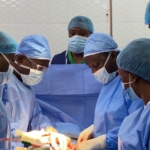
The University of Ghana Medical Centre (UGMC) has successfully conducted Ghana’s first laparoscopic bariatric surgery, a significant breakthrough in the country’s medical landscape and efforts to address rising obesity cases.

The pioneering procedure, also known as a laparoscopic sleeve gastrectomy, involves removing a portion of the stomach to improve weight loss.

The surgery was carried out in collaboration with a multidisciplinary team at UGMC, led by Dr. Kennedy Ondede, a Bariatric Surgeon and Head of Surgery at Kenyatta National Hospital in Nairobi, Kenya with sponsorship from Medtronic and East Cantonment Pharmacy Limited.

Dr. Ondede explained that the surgery, which had gained ground in Kenya and other parts of Africa, involved removing about 60–80 per cent of the stomach using minimally invasive “keyhole” techniques.

This results in patients eating less and losing weight, while still maintaining a balanced nutritional intake.

“This type of weight-loss surgery is not just about aesthetics, it helps reduce or reverse major obesity-related complications such as hypertension, type 2 diabetes, infertility, and joint issues. Some of our patients who couldn’t conceive now have children. Others no longer require daily medication for chronic diseases,” he said.

The procedure is typically recommended for individuals with a Body Mass Index (BMI) above 30, classified as obese by World Health Organization (WHO) standards.

According to Dr Ondede, the surgery could help patients lose up to 80 per cent of their excess weight over a period of one to two years.

Though the procedure is relatively safe, it carried potential risks such as infection, staple line leakage, and malnutrition if not followed up properly, he added.

He, however, indicated that with proper equipment and training, the success rate exceeded 90 per cent, adding that persons who did not wish to undergo such a procedure must control their diet, avoid or reduce sugar intake, and exercise well to maintain a normal weight.

Dr. Dominic Darkwa, a Consultant General Surgeon at UGMC, who co-led the operation, said the team had spent over a year planning to introduce bariatric surgery at the facility.

“We have about 17 to 20 per cent of Ghana’s adult population living with obesity. This puts them at risk for numerous conditions including heart disease, diabetes, arthritis, and respiratory problems,” Dr. Darkwa stated.

“We planned and trained for this moment, and we’re excited to finally bring this service home.”

Dr. Darkwa clarified that the sleeve surgery differed from a gastric bypass, explaining that while the former reduced stomach volume, the latter diverted food away from parts of the digestive tract to limit absorption.

“The surgery is only a tool. Patients must follow up with dietitians, psychologists, and exercise routines to meet their health goals.

This is just the beginning, we hope to scale up and help many more Ghanaians reclaim their health,” he added.

Dr. Baffoe Gyan, Director of Medical Affairs, emphasized that this medical milestone aligned with the hospital’s mission to provide world-class healthcare, given the needed support and necessary equipment.

“The procedure is very effective, it prevents diseases, reduces drug dependency, and can transform lives,” Dr. Gyan said.

“Bariatric surgery is a procedure a lot of Ghanaians go outside to have done and with the expertise now in Ghana, people no longer need to travel outside the country for such,” he added.

Dr Gyan, also a Cardiothoracic Surgeon, noted that many Ghanaians genetically struggle with weight gain and obesity, adding that the bariatric surgery offered a viable solution for those who have tried conventional weight loss methods without success.

A team of over 30 professionals, including surgeons, anesthetists, perioperative nurses, nutritionists, and equipment providers, contributed to the procedure.

Each surgery took two to three hours due to the instructional nature of the session.

Patients who undergo such surgery are expected to begin a liquid diet within 24 hours and are typically

discharged within three days, while ensuring follow-ups with nutritionists and psychologists, as it is essential to long-term success.

The UGMC called on patients in need of such procedures to enroll in its bariatric programme and be offered a comprehensive pre- and post-surgical support system.

terms and conditions for using Rokmer Pharma’s website

New Developments in Breast Cancer Treatment

New Developments in Breast Cancer Treatment

Introduction:

Breast cancer is the 2nd most common cancer worldwide and the most common cancer in women. In 2022, there were 2,296,840 new cases of breast cancer diagnosed globally, and 670,000 associated deaths were recorded. Breast cancer usually occurs in women at any age after puberty but commonly later in life. About 13% of women in the general population will develop breast cancer by the year 2035. Fifty-five (55) to 72% of women with a mutation in Breast Cancer gene 1 (BRCA 1) – a gene responsible for DNA repair as well as a tumour suppressor – have a likelihood of 45-85% of developing breast cancer in their lifetime and are often linked with triple negative breast cancer. About 45-69% of women with BRCA 2 will develop breast cancer by 70-80yrs. BRCA gene mutations are inherited, are passed on from parents to their children and can run in families.

History of Breast Cancer Treatment:

Breast cancer treatment has gradually evolved over the years. In recent times, newer developments have significantly improved the overall outcome of most patients who present early. Even for patients who present with advanced disease, options for treatment and control of disease continue to improve. History dates back to the 19th century when major landmarks in the treatment of breast cancer begun to unfold. Treatment of breast cancer however dates back to ancient times.

Evolution of newer cancer treatments (Systemic therapy):

Some major landmarks include performing of the first radical mastectomy, mammography, use of radioactive substances and later in the twentieth century, development of various forms of treatments which enter the blood stream and travel to every part of the body. This includes chemotherapy and hormonal therapeutic drugs which when combined with surgery, effectively treat and manage breast cancer. With time, more recent drugs have been developed, which target the proteins that breast cancer cells use to grow, spread and live longer.

These drugs work to destroy cancer cells or slow their growth by entering theblood stream and traveling to every part of the body. Some targeted drugs work even when chemotherapy drugs do not, and they can boost the effect of other drugs. Significant advances in oncology in recent years has demonstrated impressive durable clinical benefit. The advent of immunotherapy has revolutionized the treatment of breast cancer. Immunotherapy utilizes the patient’s own immune system to fight and eradicate cancer.

Clinical evidence shows significant variability in the treatment response to immunotherapy agents versus standard chemotherapy agents. These newer agents coupled with the already known chemotherapy drugs, have shown great promise in the management of cancer and resulted in improved life span of patients.

Evolution of Radiotherapy:

Radiotherapy involving the use of radiation to kill and shrink cancer cells has evolved dramatically over the past century and made great progress in treatment success. It has traveled a long path through different milestones resulting in fine tuning of clinical understanding, skill and technological advancement.

New Developments in Breast Cancer Treatment

The overall result has been better treatment planning with improved survival and reduced side effects. Initially, superficial X- rays were developed for the treatment of cancers. With time, higher energy X-rays like Cobalt 60 were developed for successful treatment of cancers. Cobalt 60 teletherapy machines are very resilient and still in use in some African countries.

The linear accelerator was invented in the 1950’s with marked improvement in radiotherapy improving on the precision of delivery. The following are various techniques by which targeted radiation therapy is employed. These include:

3-Dimensional Conformal radiotherapy (3D CRT)- A type of radiation therapy that uses multiple beams shaped to conform to the three-dimensional outline of the tumour. This treatment targets tumours and minimizes radiation exposure to surrounding healthy tissue.

Intensity modulated radiation therapy (IMRT)- A more precise form of radiation therapy administration to precisely shape radiation beam delivery to the tumour while minimizing damage to surrounding healthy tissues.

Image-guided radiation therapy (IGRT)- A type of radiation therapy that uses imaging techniques during treatment to precisely target tumours and minimize radiation exposure to surrounding healthy tissues.

Volumetric modulated arc therapy (VMAT)-A type of radiation therapy that delivers radiation in a continuous arc as the treatment machine rotates around the patient. This allows for precise targeting of tumours.

New Developments in Breast Cancer Treatment

Stereotactic radiotherapy- A type of radiation therapy that uses highly focused beams to precisely target tumours, minimizing the damage to surrounding tissues. Delivers higher doses in fewer treatments. (Not available in Ghana presently)

Brachytherapy- A type of radiation therapy where a sealed radiation source is placed directly or near a tumour.

Intra-operative radiotherapy- Delivery of a high dose of radiation directly to the tumour or tumour bed during surgery (Not available in Ghana presently)

Radioimmunotherapy-Cancer treatment that combines radiation therapy and immunotherapy to target tumours

As cancer treatment has continued to evolve over the decades, there has been remarkable improvement in the treatment outcomes and overall survival of patients.

terms and conditions for using Rokmer Pharma’s website

First Mpox death recorded in Ghana; 23 new cases confirmed

First Mpox death recorded in Ghana; 23 new cases confirmed

The Ghana Health Service (GHS) has confirmed 23 new cases of Mpox, pushing the country’s total case count to 257 as of July 22, 2025. One death has also been reported, the first since the outbreak began.

This marks the highest weekly increase in recent updates and a turning point in the outbreak, which had previously recorded no fatalities.

According to health officials, the virus continues to spread mainly through close physical contact with infected individuals.

The GHS is urging the public to be vigilant and to report any symptoms early to help curb the spread.

A previous update issued on July 18 had placed the number of cases at 234, with no deaths and no active hospitalisations.

First Mpox death recorded in Ghana; 23 new cases confirmed

The jump of 23 new cases and one death in just a few days represents a sharp change in the disease’s progression in Ghana.

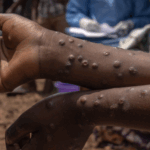
Mpox, previously known as Monkeypox, is a viral infection that causes fever, body aches, and distinctive skin rashes. It spreads through direct contact with the skin, rashes, or body fluids of an infected person.

The disease is especially dangerous for children, pregnant women, and those with pre-existing health conditions.

Health authorities are advising the public to avoid close physical contact with anyone showing symptoms, wash hands regularly, and seek medical help immediately if symptoms appear.

“Protect yourself and others by avoiding close contact with those showing symptoms, and ensure you report any suspected signs to the nearest health facility,” the GHS said in a public notice.