Rokmer Pharma Ltd

Category: Ghana Health News

Ghana is strategically positioned to manufacture vaccines

Ghana is strategically positioned to manufacture vaccines – Health Minister

Ghana is strategically positioned to manufacture vaccines – Health Minister

Ghana is strategically positioned now to manufacture its own vaccines, Health Minister Kwabena Mintah Akandoh has disclosed.

He said Ghana had established the National Vaccine Institute; hence, the nation was well-placed to produce its own vaccines.

Moreover, other leading pharmaceutical companies in the country had also taken the lead in that respect.

Mr. Akandoh disclosed at a press conference at the Presidency in Accra, during a courtesy call on President John Dramani Mahama by Dr Jean Kaseya, Director-General, Africa Centres for Disease Control and Prevention (Africa-CDC).

The Africa-CDC Director-General is in the country to sign a data-sharing agreement between Ghana and Africa-CDC.

Mr Akandoh said: “As we all recall during the pandemic, we have countries who looked into our eyes and told us that, look, not until they satisfy their citizens, they were not going to allow the export of vaccines into our country, and therefore I think that we must learn lessons from that to be able to prepare adequately for any future pandemic”.

“We also think that we should be able to build or scale up our primary health care services as we roll out the free primary health care.”

He said the Mahama Cares also needs some kind of collaboration for its sustainability, and it could also be an innovation that could also be emulated by other African countries.

He said the resource support from other partner donors or development partners were dwindling.

“We all know that we have been signalled that by the year 2030, we’ll be exiting Gavi, and therefore there is a need for us to find a sustainable way of financing our vaccines in this country.

This, he said, was one of the ways they could collaborate well with Africa-CDC to ensure that they had sustainable sources of funding for their vaccines, saying “and if we do, then other countries can also emulate same”.

Mr Akandoh said Dr Kaseya’s visit to Ghana and the objectives of the Africa-CDC aligned very well with one of the priorities of the President by putting in place a robust mechanism to have a robust healthcare system to be able to respond promptly to pandemics and to ensure that we have health security in this country.

He said that as a country, they had collaborated so well with Africa-CDC and that they had enjoyed some support from Africa-CDC for some time now.

Highlighting that, Mr Akandoh said Ghana had enjoyed about $2.4 million to strengthen its primary healthcare system.

He said they were at the moment training or had trained about 400 epidemiologists through the Africa-CDC’s assistance.

He said they raised not less than $400,000 to train such people.

He said the Africa-CDC had also assisted Ghana to raise not less than $1.6 million for the procurement and delivery of coaching and IT equipment as a country.

Mr Akandoh said that by the grace of God, Ghana was playing a vital role in terms of health in Africa.

He said the School of Public Health at the University of Ghana was currently serving as the sub-regional centre for training epidemiologists.

Mr Akandoh said the Food and Drugs Authority (FDA) was also at the maturity level for what was playing a vital role in promoting continental health security.

Ghana is strategically positioned to manufacture vaccines – Health Minister

He said the National Health Insurance Scheme (NHIS) was one of the strongest health financing schemes within the sub-region, declaring that “other countries are also learning from us”.

“We are leading by example, not only the National Health Insurance Scheme, but at the moment, as you all know, it is His Excellency John Dramani Mahama’s priority area to roll out what we call the Free Primary Healthcare, which we believe that that will catalyze or be a catalyst to arriving at the Universal Health Coverage on time,” the Minister said.

He also mentioned the Mahama Cares (Ghana Medical Trust Fund), which was set-up by the Government as part of efforts to relieve the financial burden of sufferers of chronic diseases (Non-communicable Diseases).

Dr Jean Kaseya, Director-General, Africa Centres for Disease Control and Prevention (Africa-CDC), lauded President John Dramani Mahama’s visionary leadership in transforming Ghana’s health sector.

“I’m so impressed, so impressed by President Mahama. This is why I told him I would come to visit you in Ghana, and I want you, the media to say that someone who came from the African Union, someone who is the leader of health in Africa, is impressed by what Ghana is doing,” Dr Kaseya said.

He underscored the African Union and the Africa-CDC’s commitment to support Ghana and to share the good news and experiences.

Mpox vaccine: Africa in talks with Bavarian Nordic on technology transfer

Ghana Health Service confirms 2 Mpox cases in Accra

Ghana Health Service confirms 2 Mpox cases in Accra

Health authorities have confirmed two new cases of Mpox in the Accra Metropolitan Area of the Greater Accra Region.

Consequently, the Ghana Health Service (GHS) has responded by directing all regional health directors to reactivate their public health emergency operations centres.

They are also being urged to step up surveillance, risk communication, and case management efforts across the country.

These new cases mark the first confirmed infections this year.

According to health officials, the two cases are unrelated and were both identified at a health facility.

Contact tracing is currently underway to prevent further spread. The patients are under close monitoring.

Ghana’s outbreak of Mpox began on June 8, 2022, when five initial cases were reported.

By November 2023, the country had confirmed a total of 34 cases. Before this outbreak, Mpox was not known to be endemic in Ghana.

A circular signed by the Director-General of the Ghana Health Service called for a renewed response to the threat, including improved detection and response strategies.

Mpox is a viral illness similar to smallpox. It typically causes fever, swollen lymph nodes, and a rash. The virus spreads through direct contact with an infected person’s skin or bodily fluids, including through sexual contact. Symptoms may include fever, rash or lesions, tiredness, headaches, muscle and back pain, and swollen glands.

Across Africa, the disease remains a major concern. As of March 2025, more than 24,200 cases and around 260 deaths have been recorded in 22 countries. The Democratic Republic of the Congo has been hardest hit, accounting for a large share of both the cases and the fatalities.

Speak Up Africa galvanises private sector engagement to accelerate malaria-elimination efforts in Africa

Speak Up Africa galvanises private sector engagement to accelerate malaria-elimination efforts in Africa

Speak Up Africa galvanises private sector engagement to accelerate malaria-elimination efforts in Africa

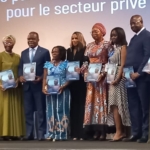
On the sidelines of the Africa CEO Forum, Speak Up Africa, in collaboration with the RBM Partnership to End Malaria, the African Leaders Malaria Alliance (ALMA), and Malaria No More UK, launched the Francophone chapter of the Change the Story campaign and unveiled a new report, Change the Story, Save Lives: The Private Sector’s Role in Ending Malaria.

The campaign aims to amplify the voices of women and girls and mobilize the African private sector to accelerate malaria elimination. With the upcoming Global Fund 8th Replenishment and rising funding gaps, 2025 represents a critical moment to unlock new resources and scale up impact.

“This is your moment to co-invest for impact, because when Africa’s private sector leads, the world pays attention,” said Dr. Michael Adekunle Charles, CEO of the RBM Partnership to End Malaria.

“The Global Fund has saved millions of lives and strengthened health systems. Your investments now can safeguard both economic resilience and public health.”

The accompanying report calls on businesses to provide direct or in-kind support to national malaria control efforts, channel resources into the Global Fund’s 8th Replenishment, join End Malaria Councils to drive multisectoral advocacy and resource mobilization, and invest in the new Voix EssentiELLEs Fund for Malaria Elimination, focused on women-led, community-driven efforts.

Speak Up Africa galvanises private sector engagement to accelerate malaria-elimination efforts in Africa

“Africa’s fight against malaria needs to be bold and the private sector is a vital partner in that mission.” said Joy Phumaphi, Executive Secretary of ALMA and Board Chair of the RBM Partnership to End Malaria.

“By joining End Malaria Councils and Funds and investing in community-led solutions, companies can unlock the innovations and resources needed to deliver impact, protect lives, power economies, and achieve a malaria-free future.”

Launched during the event, the Voix EssentiELLEs Fund for Malaria Elimination aims to mobilize $4 million by 2030 to support flexible malaria funding for women and girls, and regional advocacy aligned with national priorities.

“To avoid losing years of progress in the fight against malaria, securing new and diversified sources of funding is urgent,” said Pierre N’gou Dimba, Minister of Health, Public Hygiene and Universal Health Coverage of Côte d’Ivoire.

“The private sector has a direct stake in malaria elimination. Healthy communities lead to thriving economies.”

Women and girls continue to carry the greatest burden of malaria, yet remain underrepresented in decision-making and funding.

“Investing in women and girls accelerates development. Women leaders strengthen communities, drive innovation, and help lift families out of poverty. And we know that for every $1 invested in malaria control, we gain up to $60 in economic returns. Malaria-free communities are not just healthier, they are more resilient, productive, and profitable,” said Yacine Djibo, Executive Director of Speak Up Africa.

A 2024 study found that reducing malaria incidence by 90% by 2030 could boost the continent’s GDP by $126.9 billion. Malaria is not just a health issue, it is an economic barrier that weakens productivity, drives household spending, and constrains growth.

As part of Speak Up Africa’s ongoing work with the private sector, the organization signed a Memorandum of Understanding with Canal+ Côte d’Ivoire and the National Malaria Control Program.

The agreement builds on a five-year collaboration between Speak Up Africa and Canal+ Group, which has contributed more than $1.5 million in airtime and in-kind support.

“Through our platform, we are proud to drive awareness and contribute to the fight against malaria,” said Adama Koné, Director General of Canal+ Côte d’Ivoire.

“Together with Speak Up Africa and their partners, we are committed to changing the story to end malaria in Africa.”


terms and conditions for using Rokmer Pharma’s website

Hypertension cases in Western Region increases 

Hypertension cases in Western Region increases 

The Acting Western Regional Director of Ghana Health Service (GHS), Dr Gifty Amugi, has disclosed that the region has seen an increase in cases of hypertension from 2.96 per cent in 2023 to 3.11 per cent by the end of 2024. 

The figures were based on the number of clients who reported to the various health facilities to check their blood pressures, noting that there could be more people in the Region who did not yet know their blood pressure status. 

“And this is the dangerous part because hypertension can present in varying forms of fatal complications,” Dr Amugi said. 

She said this when the Western Regional Directorate of the GHS marked this year’s World Hypertension Day, in Takoradi. 

It was on the theme: “Measure Your Blood Pressure Accurately, Control it, Live Longer.” 

Dr Amugi said the Region had set a target to screen 66,000 individuals for early detection and proper management of the disease.  

She said, so far, health care workers had screened over 8,000 individuals, and that the team would visit places; schools, corporate organizations, institutions, lorry parks, markets, religious gatherings among other vantage points to ensure they achieved their set objectives.  

Touching on the essence of the Day, the Ag. Western Regional Director of GHS said: “We have chosen to leverage on this celebration to deepen awareness on hypertension highlighting the need for every adult to check his/her blood pressure from time to time. 

And to know the consequences of unmanaged and poorly managed hypertension.” 

Mr Joseph Nelson, the Western Regional Minister, commended the Regional GHS Directorate and all healthcare professionals for their tireless efforts in promoting health awareness and education in the Region.  

She called on stakeholders to work together to achieve the target of screening 66,000 people in the Western Region. 

 “By participating in this screening exercise, we can identify those at risk and provide them with the necessary support and guidance to manage their condition,” she added. 

He also urged the citizenry to join the awareness creation campaign, participate in the screening exercise, and promote healthy lifestyle choices.  

terms and conditions for using Rokmer Pharma’s website

Telecel Ghana Foundation expands connected health initiative with Mother’s Day outreach

Telecel Ghana Foundation expands connected health initiative with Mother’s Day outreach

The Telecel Ghana Foundation marked Mother’s Day 2025 with a community health outreach in Prampram, Greater Accra region.

It delivered life-saving healthcare interventions through its flagship Healthfest and Rural Ultrasound Scan initiatives.

Held at the Prampram Polyclinic on Friday, 9th May, the initiative directly impacted over 1,000 individuals, providing free ultrasound scans for 314 pregnant women, health screenings for 423 community members, and NHIS registration for 300 people.

As part of Healthfest, beneficiaries were screened for blood pressure, blood glucose, hepatitis B, typhoid, and malaria. Attendees also received free medical consultations, treatments, and access to a full team of doctors, nurses, and pharmacists on-site to provide immediate care.

“Our Connected Health pillar is about bringing quality healthcare to the doorstep of underserved communities,” said Rita Agyeiwaa Rockson, Head of Foundation, Sustainability & External Communications.

“This Mother’s Day, we’re not just celebrating women, we’re supporting their wellbeing with actionable care and compassion.”

The Rural Ultrasound Scan initiative addressed a critical gap in maternal healthcare access. For many expectant mothers in rural Ghana, routine scans remain a luxury, often leading to undiagnosed complications and preventable risks.

By offering these services at no cost, the Foundation ensures early detection of potential complications while empowering women with knowledge about their pregnancies. In addition, mothers received welcome packages containing essential baby care items, a thoughtful gesture aimed at easing their motherhood journey.

“I heard about the event from my mother and decided to come,” said Humphrey, a young attendee. “I’ve now been screened and diagnosed, and I’m finally registering for NHIS. It’s been a blessing.”

Another beneficiary, Rebecca Nyame, travelled from Tema Community 25 for antenatal care and returned upon hearing about the event.

“I expected a simple scan, but I received so much more. From medical checks to baby items, Telecel Ghana Foundation made me feel seen.

In partnership with the Ghana Health Service, the event also featured antenatal education sessions focused on maternal nutrition, prenatal care, and self-care practices, reinforcing the Foundation’s holistic approach to maternal health.

These Mother’s Day interventions reflect Telecel Ghana Foundation’s ongoing commitment to creating equitable access to healthcare, one community at a time.

terms and conditions for using Rokmer Pharma’s website

Increase in asthma cases attributed to under reporting, poor air quality and limited access to inhalers – World Asthma Report

Increase in asthma cases attributed to under reporting, poor air quality and limited access to inhalers – World Asthma Report

With asthma affecting over 262 million people globally and leading to more than 450,000 deaths annually, the disease remains a significant public health challenge, particularly in low- and middle-income countries like Ghana.

In Ghana, asthma continues to take a heavy toll on both young and old. Asthma-related hospital admissions account for up to 10% of all pediatric cases, and the disease contributes to high mortality rates, particularly in underserved communities. Poor air quality, coupled with limited access to essential inhaled medications, worsens the situation.

Speaking at the commemoration of the World Asthma Day held at Trust Hospital’s Premium Centre in Accra, Dr. Juliana Oye Ameh, Chief Executive Officer of the Trust Hospital, emphasized the need for urgent policy reforms and greater investment in asthma care.

She described asthma as not just a personal health issue but a national crisis, urging for better infrastructure to improve access to essential treatment.

Increase in asthma cases attributed to under reporting, poor air quality and limited access to inhalers – World Asthma Report

“Currently, only one in three asthma patients in Ghana receives the proper inhaled treatment. This is unacceptable and a national emergency. Asthma remains one of the leading causes of hospital admissions, especially among children,” Dr. Ameh stated.

Asthma is a global health issue, with an estimated 250 million people living with the disease. The World Health Organization reports that nearly 1,000 people die every day from asthma-related complications, most of these deaths occurring in low- and middle-income countries.

Increase in asthma cases attributed to under reporting, poor air quality and limited access to inhalers – World Asthma Report

The Global Asthma Report 2022 highlighted that 96% of asthma-related deaths occur in these countries, where access to preventive inhalers is often limited or unavailable. Despite inhaled medications being the gold standard for asthma management, a significant number of patients continue to suffer due to poor access and inadequate management.

Dr. Nana Ama Abankwah, the Chief of Medical Staff at Trust Hospital, raised concerns over the rise of adult-onset asthma, which remains underreported in Ghana and other parts of Africa. She warned that without proper awareness and diagnosis, more people will be at risk of severe asthma attacks that could lead to unnecessary deaths.

Increase in asthma cases attributed to under reporting, poor air quality and limited access to inhalers – World Asthma Report

“Adult-onset asthma is becoming increasingly prevalent, yet it is often overlooked. It’s important that we shift our focus and enhance diagnosis, particularly for adults who may not display traditional symptoms,” Dr. Abankwah explained.

In response to these challenges, Trust Hospital has taken proactive steps by launching specialized asthma clinics that provide personalized care plans for patients. These clinics focus on educating patients on proper asthma management and the correct use of inhalers.

Increase in asthma cases attributed to under reporting, poor air quality and limited access to inhalers – World Asthma Report

As Ghana continues to grapple with the burden of asthma, the call for greater access to life-saving treatments and policy reforms is more urgent than ever. Only through collective efforts can the country make strides in improving asthma care and reducing preventable deaths from the condition.

terms and conditions for using Rokmer Pharma’s website

Emotional Mother’s Day surprise as Gifty Anti pays medical bills for 21 mothers at Tema General Hospital

Emotional Mother’s Day surprise as Gifty Anti pays medical bills for 21 mothers at Tema General Hospital

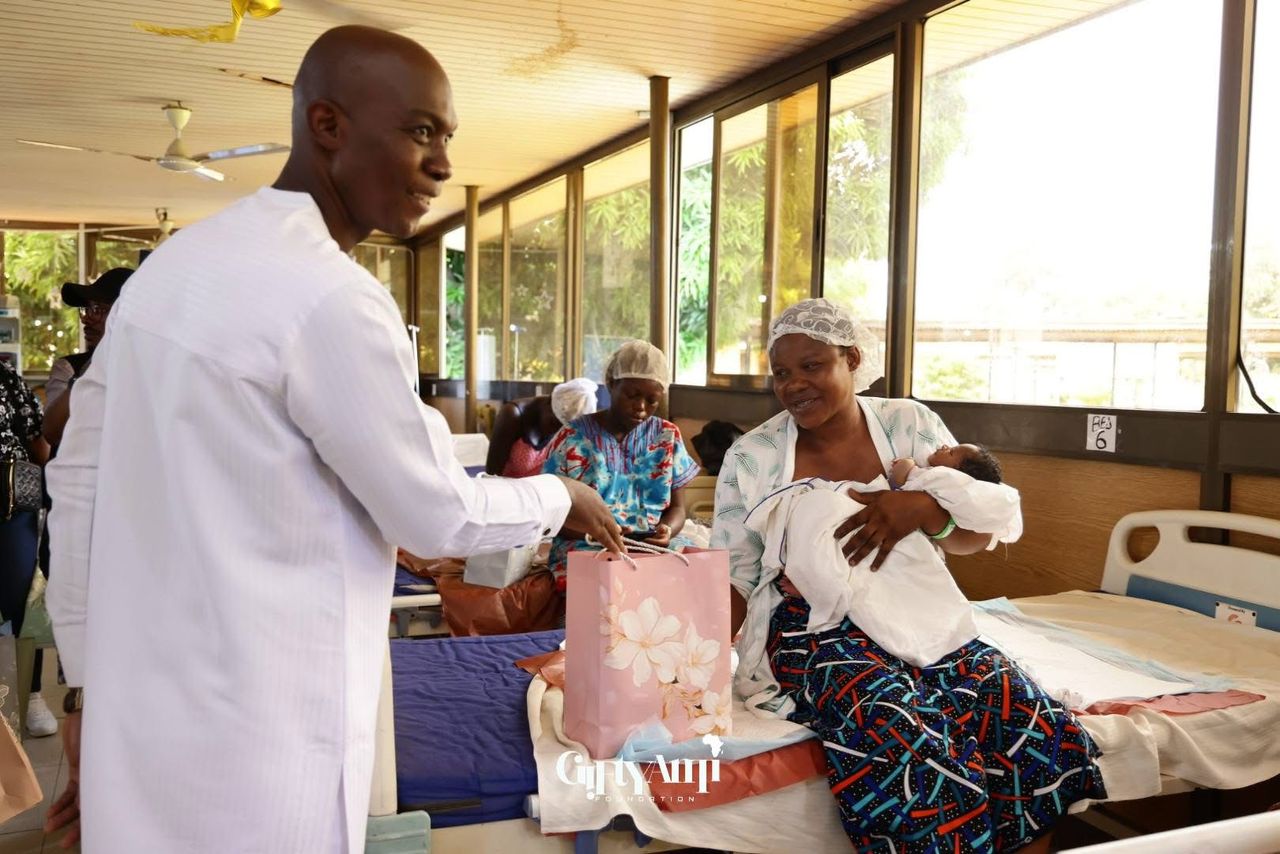
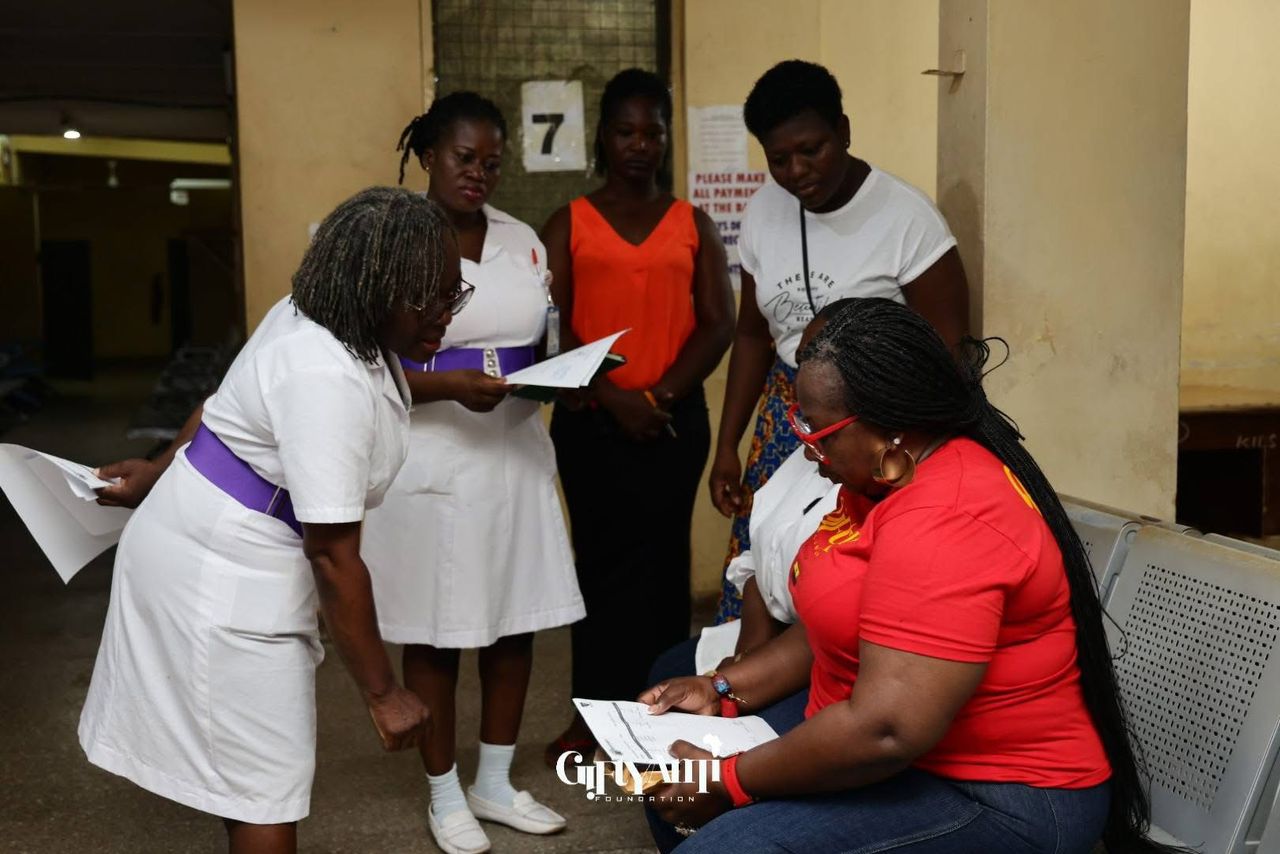
It was an emotional Mother’s Day at the Tema General Hospital when broadcaster and women’s advocate, Gifty Anti, settled the medical bills of 21 new mothers, allowing them to be discharged after weeks of being stranded.

In total, over GH₵51,000 was paid to cover outstanding hospital fees.

The gesture, part of the Gifty Anti Foundation’s Mother’s Day outreach, came as a lifeline for many of the women, some of whom had been unable to leave the hospital for more than two weeks due to financial constraints.

Among the beneficiaries was the family of a woman who, after 17 years of childlessness, tragically passed away from complications following a Caesarean section. Her medical bills were fully covered by the foundation, offering her grieving family some relief.

Emotional Mother’s Day surprise as Gifty Anti pays medical bills for 21 mothers at Tema General Hospital

Beyond clearing the hospital debts, the initiative reached over 100 women across the Gynaecology, Labour, Post-CS, and Post-Delivery wards.

In all, 85 new mothers received gift packages to celebrate the arrival of their babies, while 20 others were presented with new clothes to support their postpartum recovery.

Emotional Mother’s Day surprise as Gifty Anti pays medical bills for 21 mothers at Tema General Hospital

The foundation’s initiative was made possible with support from the Micheam Foundation, Dankyi Mireku RTW, Dede Classics, and other individual donors whose contributions amplified the impact.

Emotional Mother’s Day surprise as Gifty Anti pays medical bills for 21 mothers at Tema General Hospital

Five additional women are expected to be discharged soon, following extra cash donations from well-wishers.

terms and conditions for using Rokmer Pharma’s website

Health Ministry opens recruitment for verified Medical and Dental officers

Health Ministry opens recruitment for verified Medical and Dental officers

The Ministry of Health has announced the commencement of recruitment for medical and dental officers who have completed their housemanship and have been duly verified by the Medical and Dental Council under the 34th and 35th lists.

According to a statement issued by the ministry, the recruitment process will officially begin at 12:00 p.m. on Friday, May 16, 2025.

It stated that qualified applicants are required to submit their applications through the Ministry’s online portal, where they must follow the outlined steps to select their preferred agency under the Ministry.

The deadline for submission is set for 6:00 p.m. on Monday, May 26, 2025.

The Ministry stated that the recruitment process is strictly transparent and cautioned applicants against engaging with individuals who may solicit payments under the guise of offering assistance with placement.

“Applicants should therefore beware of any person who may approach them on the pretext of assisting them for recruitment at a fee. 

The Ministry, therefore, advises all applicants not to make any payment for this process. Whoever pays money does so at his/her own risk,” the statement added.

terms and conditions for using Rokmer Pharma’s website

Dignity for Girls across Africa: How Kodu Technology is promoting menstrual hygiene through agricultural innovation

In many parts of Africa, female menstrual health poses significant barriers for millions of young girls.

For most girls, the lack of access to affordable and hygienic sanitary products means missing school, withdrawing from social activities, and losing confidence.

But one Ghanaian startup is determined to change that by turning agricultural waste into female sanitary hygiene products.

Meet Kodu Technology, a social enterprise co-founded by Iddi Mohammed Faried, Mubaraka Umar Farouk and Longi Aadam Hayendimah that is transforming plantain and banana waste into eco-friendly and affordable sanitary pads.

Rooted in innovation, sustainability, and social justice, Kodu Technology’s mission is to ensure menstrual hygiene products are accessible.

Dignity for Girls across Africa: How Kodu Technology is promoting menstrual hygiene through agricultural innovation

“At Kodu Technology, we believe no girl should miss out on life because of her period, and no resource should go to waste. Turning plantain and banana waste into sanitary pads isn’t just innovation; it’s dignity, sustainability, and impact in action,” Iddi Mohammed Faried highlighted.

Kodu Technology’s solution addresses two critical issues at once: the challenge of period poverty and the environmental impact of agricultural waste.

By sourcing fibrous materials from agricultural residues, waste that would otherwise rot or be burned, the startup creates high-absorbency, biodegradable sanitary pads that are safe for women and also reduce environmental footprints.

Dignity for Girls across Africa: How Kodu Technology is promoting menstrual hygiene through agricultural innovation

Kosmos Innovation Center (KIC) and the Mastercard Foundation provided funding support to Kodu Technology through KIC’s AgriTech Challenge and Incubation Programs.

These programs play a key role in helping startups like Kodu Technology grow from business ideation and concept to reality, accelerated growth, scale and investor readiness.

Following their participation in the KIC program, Kodu Technology, on its own, has also been able to raise funding with other organisations. In 2023, they were the winners of the Circular Economy Competition.

In 2024, they emerged as winners for the Go Gettaz Agripreneur prize, competing with other start-ups across the continent for the prize money to scale up their operations.

Dignity for Girls across Africa: How Kodu Technology is promoting menstrual hygiene through agricultural innovation

“At KIC, we support businesses that tackle real-world problems with innovative, locally driven solutions, and Kodu Technology exemplifies how agribusiness innovation can extend beyond food to address broader social challenges to promote sustainability and youth empowerment,” said Benjamin Gyan-Kesse, Executive Director of KIC.

Kodu Technology’s impact goes beyond product innovation. The company is also a driver of rural empowerment, partnering with women’s groups and smallholder farmers to source raw materials and distribute the final products. In doing so, Kodu Technology is creating jobs, supporting local economies, and building awareness about menstrual health and hygiene.

Their community-based approach has led to hundreds of girls and women gaining access to safe sanitary products, often for the first time.

Dignity for Girls across Africa: How Kodu Technology is promoting menstrual hygiene through agricultural innovation

Schools in underserved communities are also benefiting, with Kodu Technology leading menstrual health education programs that challenge stigma and open dialogue.

The startup’s work has gained recognition from several development partners and innovation hubs across Ghana and beyond. As the company scales, its ambition is clear: to reshape menstrual health access across Africa.

Kodu Technology through the support of KIC and Mastercard Foundation is proving that girls deserve better, and that innovation rooted in local realities can spark global change.

terms and conditions for using Rokmer Pharma’s website

Over-the-counter medicine sellers pledge to help curb abuse of opioids

Over-the-counter medicine sellers pledge to help curb abuse of opioids

The Over-the-Counter Medicine Practitioners Association of Ghana has committed to ensuring members no longer stock and sell opioids like ‘Red’ and tramadol in their shops to combat drug abuse.

Addressing the media at the association’s annual conference in the Ashanti region, President of the group, Halaji Hassan Kabo, said members who flout directives will face disciplinary action.

He highlighted the devastating impact of opioid abuse on Ghana’s youth, stating that inaction would lead to severe consequences.

Over-the-counter medicine sellers pledge to help curb abuse of opioids

“We feel terrible seeing our youth, the future of our nation, being destroyed by excessive use of these drugs,” said Mr. Kabo.

He urged the Pharmaceutical Society of Ghana to encourage all over-the-counter medicine sellers to join the association for better regulation.

Acting Registrar of the Pharmaceutical Council, Michael Kudebon, noted that while opioids are legitimate medications for moderate pain, their abuse is a significant concern.

Over-the-counter medicine sellers pledge to help curb abuse of opioids

He warned that unchecked abuse could lead to shortages for legitimate medical purposes.

Ashanti Regional Director of the Food and Drugs Authority (FDA), John Laryea Odei-Tettey, stated that the FDA is collaborating with relevant agencies to curb the illegal importation of opioids.

He emphasised that tramadol itself is not inherently problematic, but acknowledged issues with misuse and unregistered imports