Rokmer Pharma Ltd

admin

terms and conditions for using Rokmer Pharma’s website

It’s better to live with one breast than to die with both – Survivor advises

Fafa Gozo

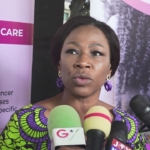
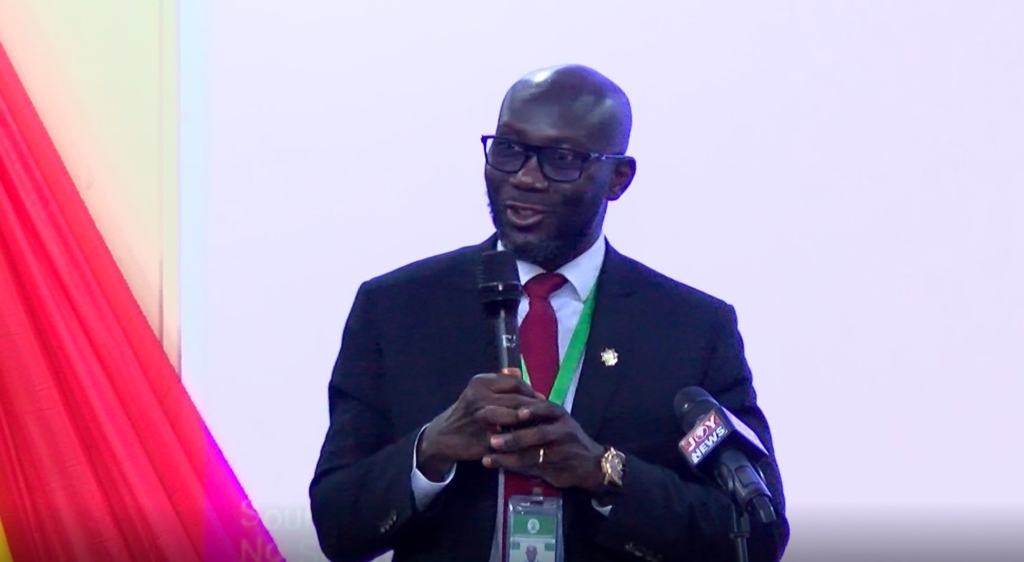
In a message of encouragement at the Sixth Annual Conference of the Breast Society of Ghana, breast cancer survivor Fafa Gozo has shared a sobering thought, stating, “It is better to be alive with one breast than to die with both.”

Her remarks came as she recounted her painful journey with treatment and urged women not to let fear of surgery or chemotherapy deter them from seeking life-saving care.

Mrs Gozo explained that many women refuse treatment due to fear, particularly of losing a breast or enduring the intense pain associated with chemotherapy.

“Chemotherapy is very hard on the body, and once a person reads about it, it creates fear of going through the pain,” she told Joy Prime. “Without the chemotherapy, I don’t think you will survive this. There is no way you can survive treatment without chemotherapy, and it’s better to be alive with one breast than to die with both.”

She also addressed the fear of surgery, emphasising that it is a small price to pay for survival.

“Some get scared because they don’t want to go through the surgery and the thought of taking a lump out of their breast,” she noted. “But it is better to be alive with one breast than to die and be buried with two breasts,” she stressed.

Mrs. Gozo underscored the criticality of adhering strictly to medical advice and embracing treatment as the most viable path to survival. She concluded her remarks with a powerful call for women to prioritise their well-being, which is often neglected while caring for others.

“Women need to be very intentional about themselves. Make time for rest, make time for wellness, do what makes you happy, make time for fun activities, and make sure you are your priority,” she urged.

terms and conditions for using Rokmer Pharma’s website

Breast cancer patients to benefit from MahamaCares

Breast cancer patients to benefit from MahamaCares

The Deputy Minister of Health, Dr Grace Ayensu-Danquah, has assured Ghanaians that the newly established Ghana Medical Trust Fund, also known as the MahamaCares Bill, will provide critical financial support for patients battling breast cancer and other non-communicable diseases.

She stated the bill has just been passed in Parliament, and steps were being taken to ensure it functions efficiently once rolled out.

Speaking at the 2025 Breast Society of Ghana Stakeholders Forum, the deputy minister explained that although the fund is still in its setup phase, strong systems are being put in place to ensure transparency, fraud prevention, and equitable access.

“It’s a fund and we will have to disburse it. The bill has been passed; the President has assented to it, and we are in the process of setting up the system. Once we set up a good system like any health fund, I believe that funds will be disbursed to the right people,” she stated.

The fund, which targets conditions like cancer, hypertension, and diabetes, will be used to fill in the gaps left by health insurance, especially when it no longer covers treatments such as chemotherapy.

Breast cancer patients to benefit from MahamaCares

She emphasised that the goal is to prevent situations where breast cancer patients are forced to beg for support publicly.

“Once people reach a certain stage, they simply can’t afford treatment. Some even sell their homes. President Mahama said we must not allow that to continue in Ghana. No woman should have to sell her home to survive breast cancer. This fund is here to make sure they don’t.”

Breast cancer patients to benefit from MahamaCares

The government also plans to decentralise healthcare, making breast cancer diagnosis and treatment more accessible across the country, not just in major cities.

The deputy minister called on health professionals, civil society, and the public to support the initiative to ensure its success and sustainability.

terms and conditions for using Rokmer Pharma’s website

Ashanti Region records over 200 maternal deaths per 100,000 births in 1st half of 2025

Ashanti Region records over 200 maternal deaths per 100,000 births in 1st half of 2025

The Ashanti Region has recorded the highest number of maternal mortality figures in three years.

In the first half of 2025, the region recorded 232 maternal deaths per 100,000 live births, compared to 158 recorded in the same period last year.

This means the region saw its maternal figures appreciating with 74 deaths.

This was against a national target of 125 deaths per 100,000 live births.

Dr. Fred Adomako-Boateng

Ashanti Regional Director of Health Services, Dr. Fred Adomako-Boateng, who revealed this at the ongoing half-year review meeting, also announced a marginal increase in deliveries attended by health workers from 52.3 percent in 2024 to 53.7 percent in the same period in 2025.

Dr. Adomako-Boateng blames the situation on uncoordinated referrals and a lack of capacity at the peripheral level.

According to him, a new model is being developed as specialists and consultants are deployed to support healthcare provision at the primary care and district levels.

“If you look at the statistics, the 2023 half-year, we had 144 mothers dying from 100,000 live births. If you look at 2024, we had 150 maternal deaths from 100,000 live births and the year under review is 232 per 100,000 live births. For us, I am happy we have our friends from Komfo Anokye. We have sat down and we have analyze the data thoroughly. And we have even come with the causes of these.” He said.

“If you look at the data right now, you see that if you take Komfo Anokye out of it, you see public facilities, private facilities, and CHAG facilities would be recording 64 maternal deaths per 100,000 livebirths.

When you look at the death at Komfo Anokye, you realised that most of them were referred. The question is if we can really build capacity in the peripheral areas, where we can manage them so that they don’t refer to Komfo Anokye. It means that all these deaths are going to be curtailed.” Dr. Adomako-Boateng added.

This year’s review meeting is under the theme, “Strengthening primary healthcare through networks of practice towards universal health coverage; the role of stakeholders.

terms and conditions for using Rokmer Pharma’s website

Breast Society of Ghana holds 6th Annual Conference in Accra

Breast Society of Ghana holds 6th Annual Conference in Accra

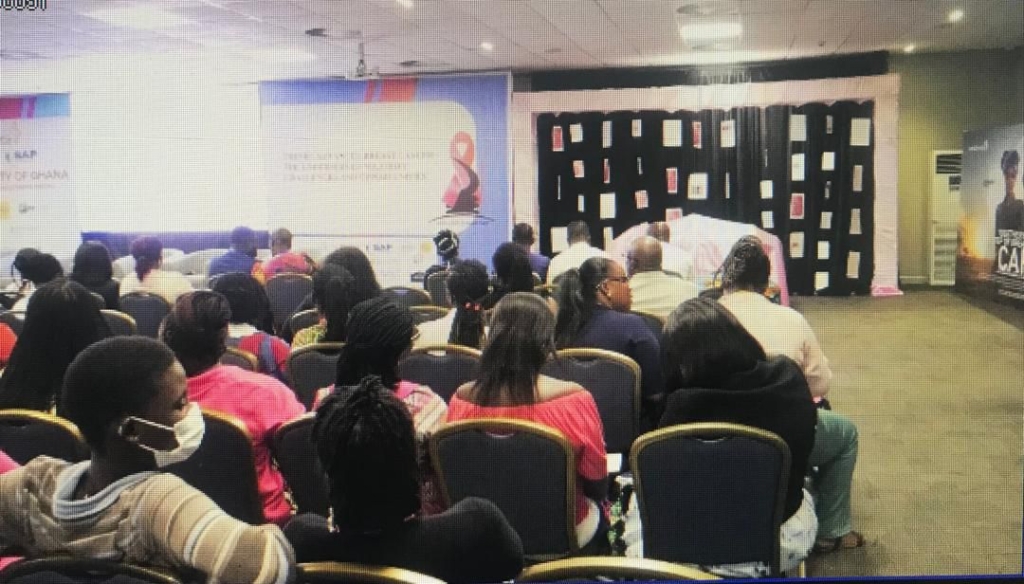
The Breast Society of Ghana hosted its 6th Annual Conference at the Fiesta Royale Hotel, bringing together key stakeholders, including traditional rulers, Members of Parliament, health professionals, and breast cancer survivors.

This year’s theme, “Advanced Breast Cancer: The Underserved Majority – Challenges and Opportunities,” focused on addressing the growing burden of advanced-stage breast cancer in Ghana and improving survival rates for both men and women.

In her opening remarks, the President of the Breast Society of Ghana, Dr. Josephine Nsaful, underscored the urgent need for nationwide awareness and education on breast cancer.

“We need to educate people in every part of the country about breast cancer — whether it’s a man or a woman,” Dr. Nsaful said.

Breast Society of Ghana holds 6th Annual Conference in Accra

She stressed that early detection not only saves lives but also significantly reduces treatment costs.

“Early detection will save you the expensive cost of treatment and also save the government from spending so much money on cancer treatment,” she added.

Dr. Nsaful expressed concern about a recurring trend, noting that breast cancer in African women is often diagnosed at later stages compared to women in other regions.

“We realize that black women usually have stage three or stage four cancer — something that is less common among women of other races,” she observed.

Highlighting efforts to reach underserved populations, Dr. Nsaful spoke about ongoing outreach programs in rural communities that provide education on breast cancer and available treatment options.

“We have educated women in rural areas about breast cancer and the treatment options available,” she explained.

Breast Society of Ghana holds 6th Annual Conference in Accra

She further noted that while new treatment options exist internationally, many of them remain out of reach in Ghana, saying the Society is actively working to bring such therapies into the country to improve survival outcomes.

“There are treatment options available that women in Ghana are yet to receive,” she said.

Dr. Nsaful reaffirmed the Society’s commitment to supporting all breast cancer patients, regardless of the stage at which they are diagnosed.

“Every patient deserves to fight breast cancer, no matter the stage,” she stated.

She urged stakeholders and policymakers to become active advocates for awareness, early diagnosis, and accessible treatment in order to boost survival rates across Ghana.

terms and conditions for using Rokmer Pharma’s website

Indonesia pivots Ghana’s vaccine self-sufficiency bid

Indonesia pivots Ghana’s vaccine self-sufficiency bid

The Indonesian government has promised to provide technical and logistics to support Ghana achieve its vaccine self-sufficiency bid.

This partnership would see Ghana develop a robust vaccine production hub on the African continent, thereby improving the continent’s healthcare capacity, leveraging Indonesia’s global track record in vaccine manufacturing.

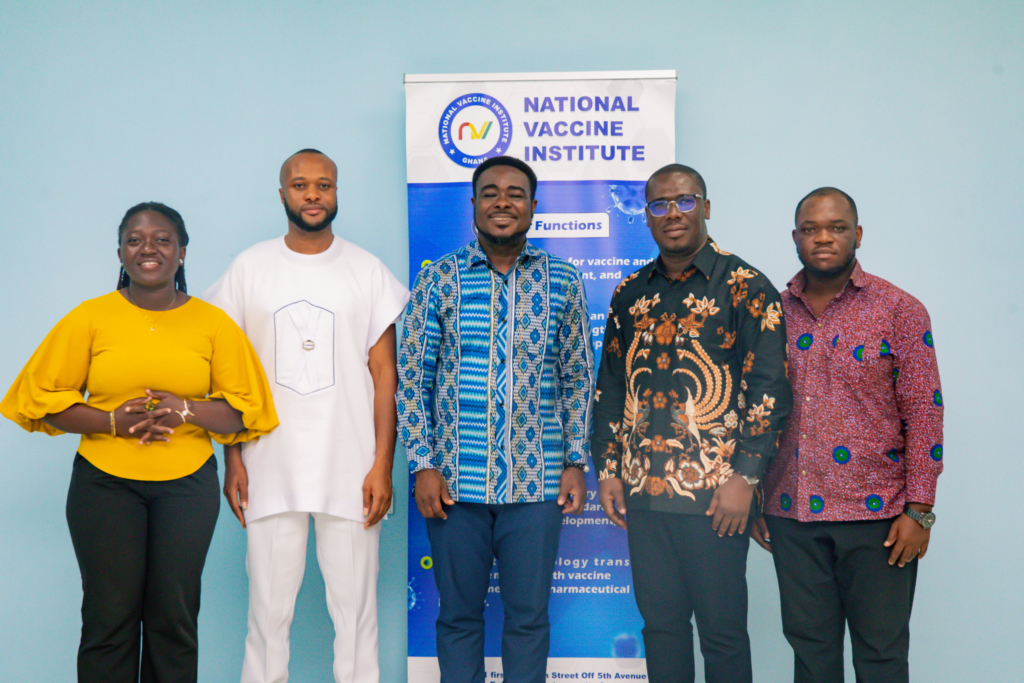
The Honorary Consul of Indonesia to Ghana, H.E. Paskal A.B. Rois, made this known when he paid a working visit to the National Vaccine Institute (NVI) in Accra.

He had discussions with the Chief Executive Officer, Dr. Sodzi Sodzi-Tettey, and his Deputy Dr. Faisal Nuhu, stemming from deepening Ghana–Indonesia relations in the health sector, particularly in vaccine research, development, and local production.

Mr. Rois underscored Indonesia’s expertise through Bio Farma, a state-owned pharmaceutical giant, which produces more than 2.3 billion doses of vaccines annually and supplies to over 150 countries under World Health Organization (WHO) and UNICEF certifications.

He explained that the collaboration would not only help reduce Africa’s heavy reliance on vaccines from the Western world but also position Ghana as a vaccine manufacturing leader in the sub-region.

He made known an initiative to help build human capacity in the technicalities of producing vaccines coupled with Indonesian government-sponsored scholarships that continue to benefit Ghanaians.

Indonesia pivots Ghana’s vaccine self-sufficiency bid

He disclosed ongoing discussions with Indonesia’s Ministry of Health to facilitate the supply of Monkeypox test kits to Ghana, to aid in the fight against the infectious disease caused by the monkeypox virus.

He proposed “a stronger institutional cooperation between Ghana’s Food and Drugs Authority (FDA) and Indonesia’s National Agency of Drug and Food Control to ensure regulatory harmonization in vaccine development and clinical trials.”

The Chief Executive Officer of the National Vaccine Institute, Dr. Sodzi-Tettey welcomed the initiative and assured of his outfit’s readiness to collaborate towards making Ghana a center for vaccine production, as international donors prepare to phase out.

He emphasized that the government’s support and regulatory oversight by the FDA would be crucial to the success of such an ambitious project.

He indicated that the Institute had already engaged with the Atlantic Life Sciences, and the Noguchi Memorial Institute for Medical Research as important building blocks for Ghana’s vaccine self-sufficiency agenda.

Dr. Sodzi-Tettey recommended a collaboration between Ghana’s Ministry of Health and Indonesia’s towards formalizing training opportunities to enhance human resource development.

“This would create a structured framework for Ghanaian health professionals to access specialized training programs in Indonesia with clear guidelines on participation and knowledge transfer”, he said.

terms and conditions for using Rokmer Pharma’s website

Okyeame Kwame, MD-Lancet, others honoured by Noguchi for fight against Hepatitis B

Okyeame Kwame, MD-Lancet, others honoured by Noguchi for fight against Hepatitis B

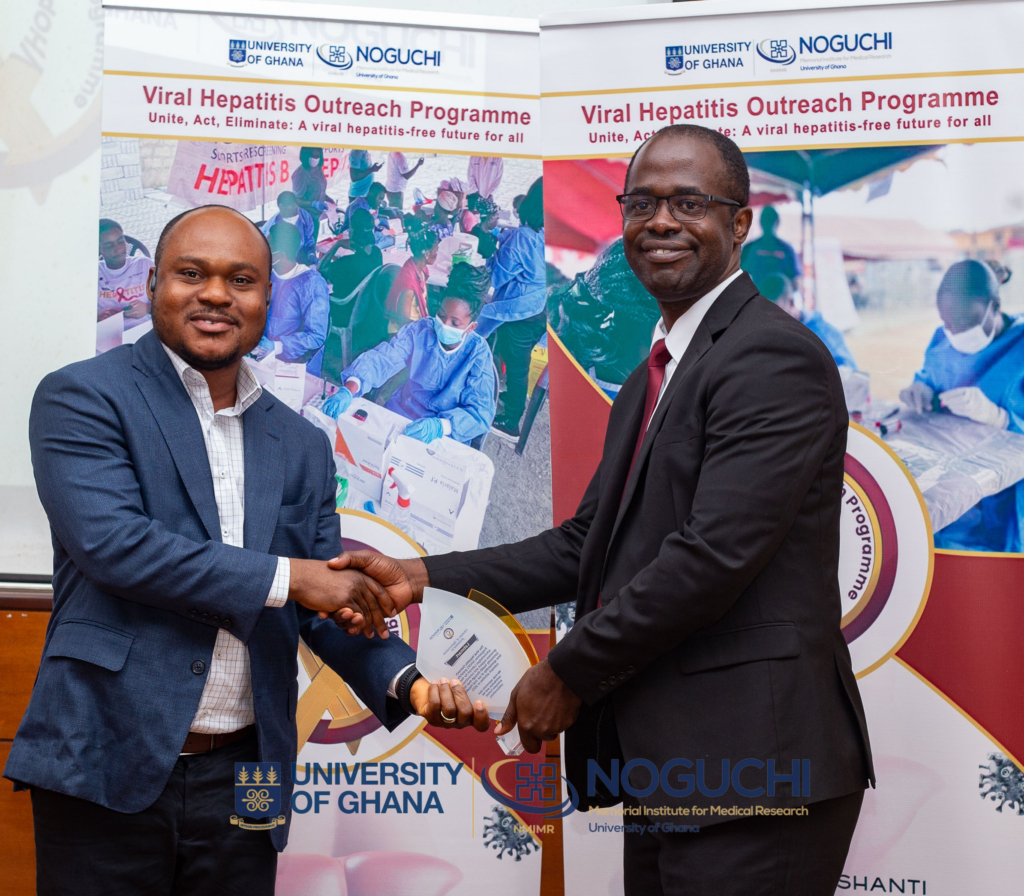
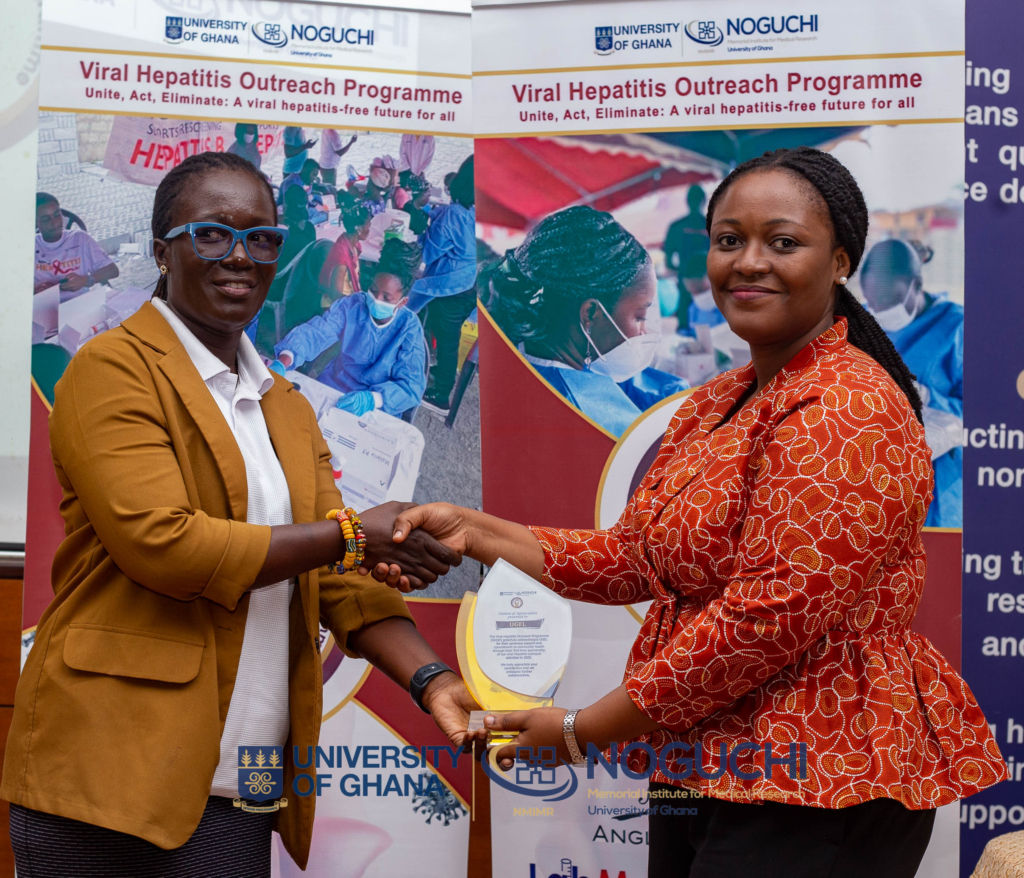
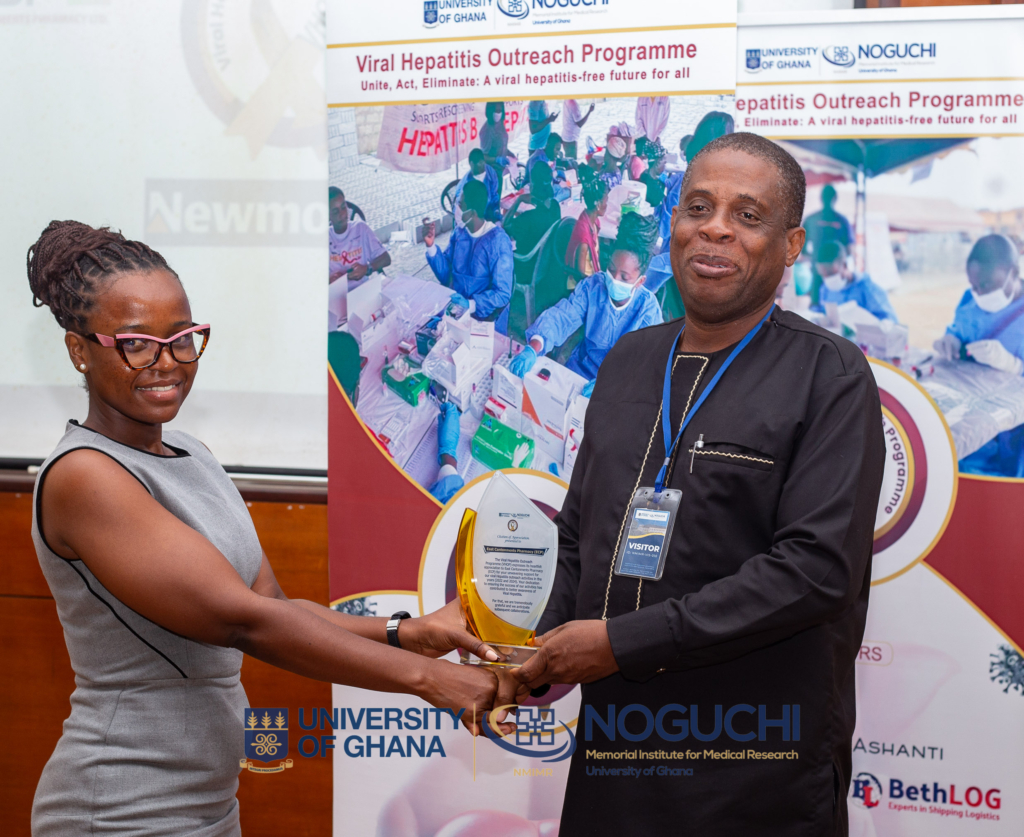
The Noguchi Memorial Institute for Medical Research (NMIMR) has honoured musician Okyeame Kwame, MD-Lancet Laboratories and several institutions for their sustained support in the fight against Hepatitis B.

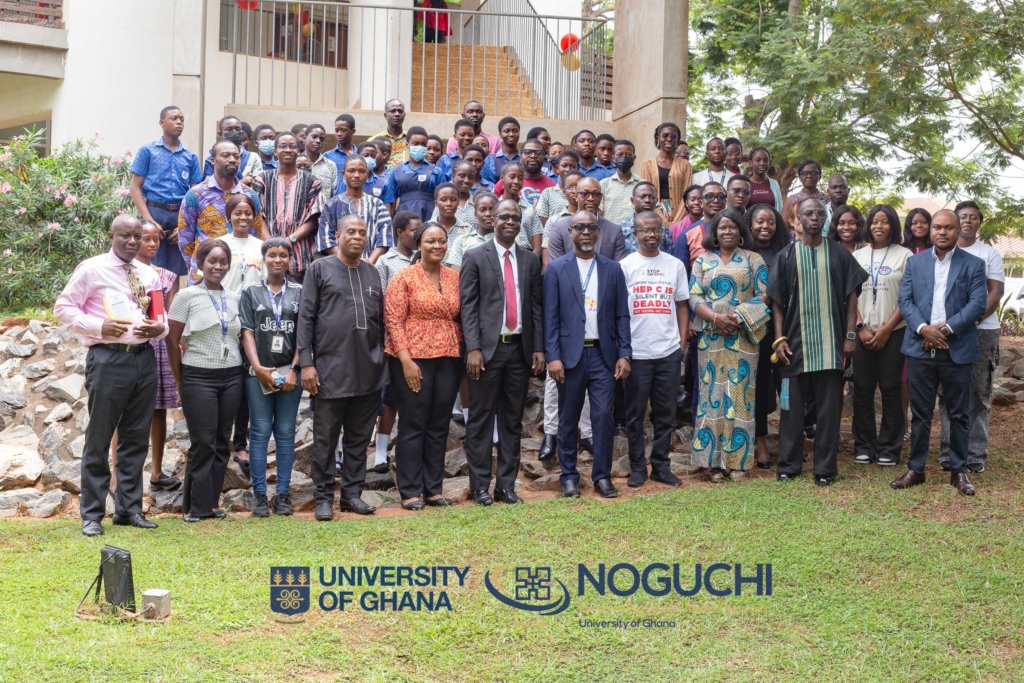
At a seminar held on 18th July 2025 at the NMIMR Conference Hall, partners and stakeholders were recognised for their contributions to the Viral Hepatitis Outreach Programme (VHOP), which has been running for the past five years. The event highlighted the role of sponsors in providing funding, logistics, public education and free screening services.

Okyeame Kwame, through the Okyeame Kwame Foundation, has led an annual nationwide free Hepatitis B screening and vaccination exercise for more than 15 years. The initiative, which began in 2009, has reached thousands of Ghanaians and is held every World Hepatitis Day on 28 July. MD-Lancet has been a key partner since its inception, offering technical support, laboratory services and test kits to ensure the screenings are of the highest standard.

Okyeame Kwame, MD-Lancet, others honoured by Noguchi for fight against Hepatitis B

Other organisations acknowledged included the University of Ghana Enterprise Limited (UGEL), Crescent Chemist Ltd, AngloGold Ashanti, the West African Centre for Cell Biology of Infectious Pathogens (WACCBIP), the Ghana Chamber of Mines and East Cantonments Pharmacy. Newmont Ghana Ltd, Inqaba Biotech, Special Ice Ltd, Bethel Logistics Ltd, Labmart Ltd, MES Equipment Ltd and the Naval Medical Research Unit (NAMRU-3) were also celebrated.

Plaques of appreciation were presented to all honourees. A special award was given to Mr Baidoo of the Ghana Education Service, La Nkwantanang-Madina Municipal Directorate, for his consistent support in educating junior high school pupils about Hepatitis B.

The seminar, chaired by Dr Godwin Atsu Seake-Kwawu, manager of the Viral Hepatitis Control Programme, featured keynote presentations from Dr Yvonne Nartey on clinical management of Hepatitis B and Prof Charles Ampong Adjei on research and awareness strategies.

Prof Kwadwo Asamoah Kusi, co-chair of VHOP, outlined the programme’s achievements over the past five years and its outlook for the future. He commended the sponsors for their vision and commitment to sustaining the fight against Hepatitis B.

Okyeame Kwame, MD-Lancet, others honoured by Noguchi for fight against Hepatitis B

terms and conditions for using Rokmer Pharma’s website

Zoomlion leads national charge to eliminate malaria at source

Zoomlion leads national charge to eliminate malaria at source

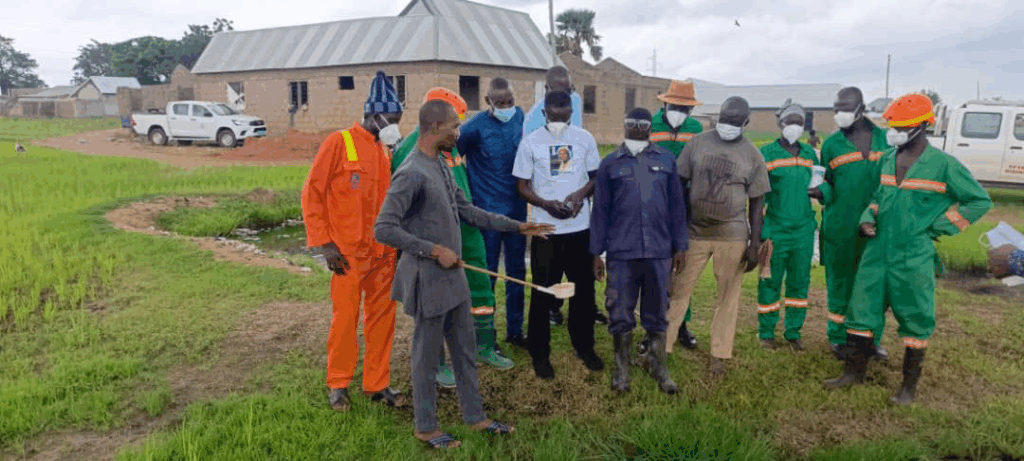
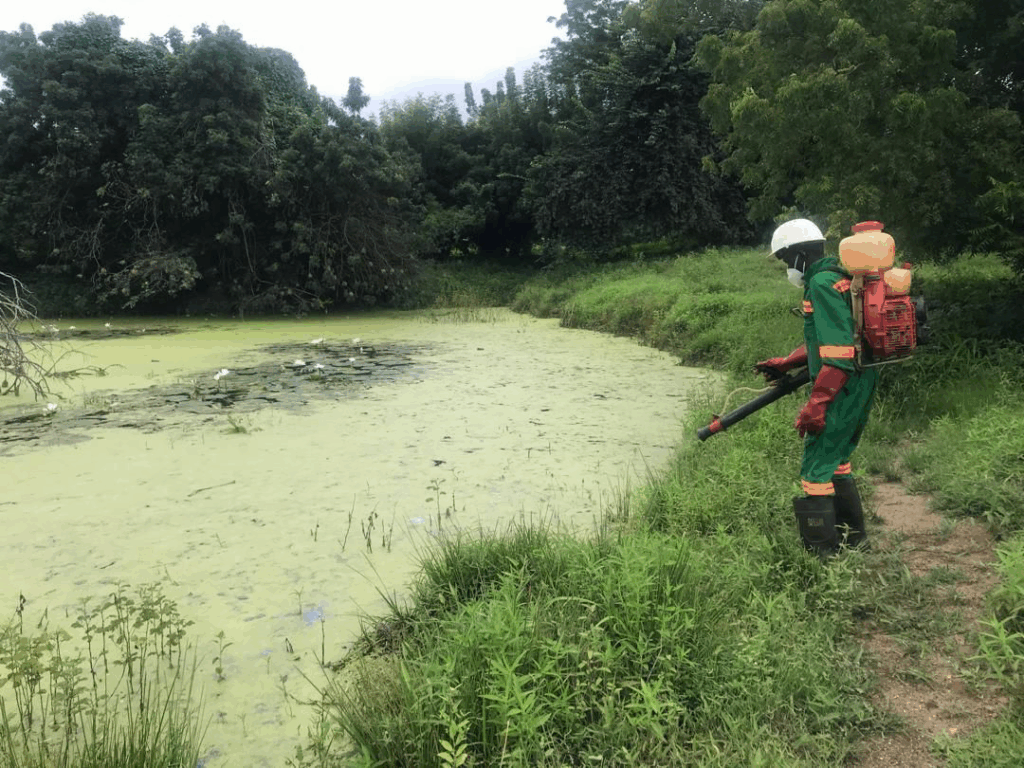
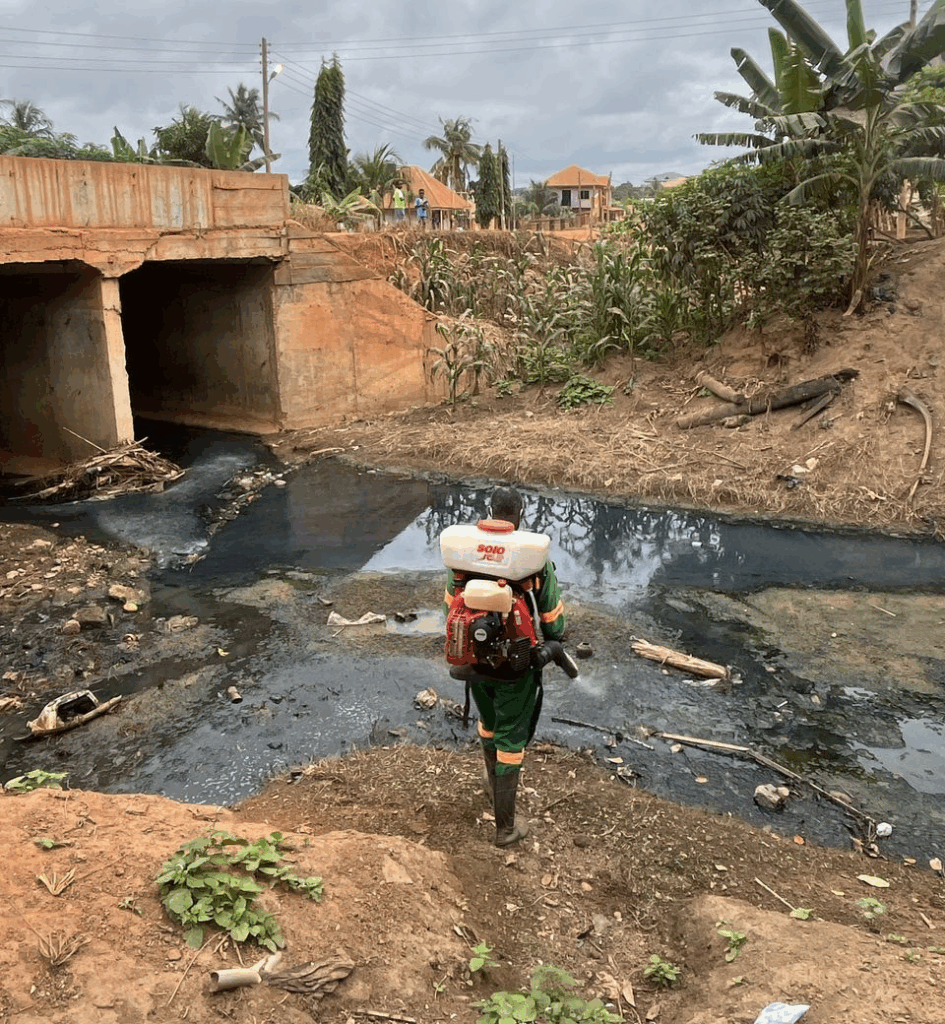
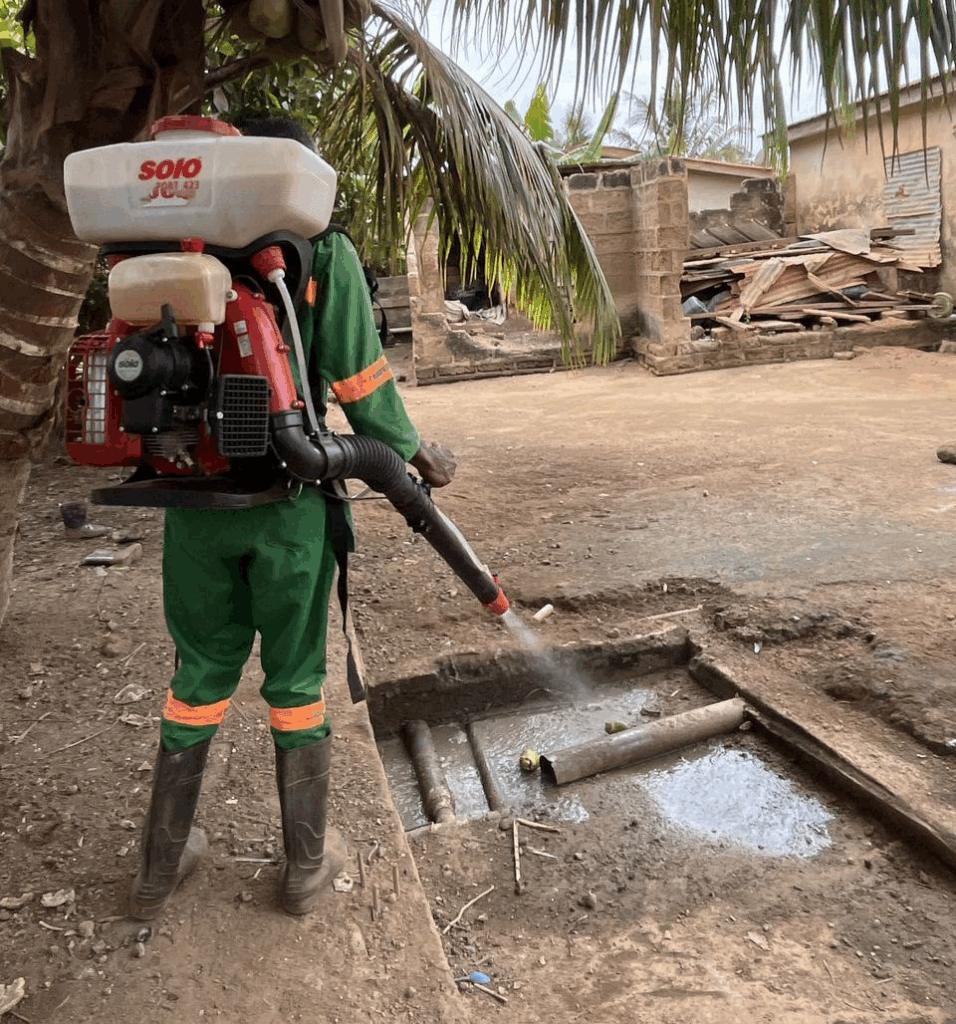
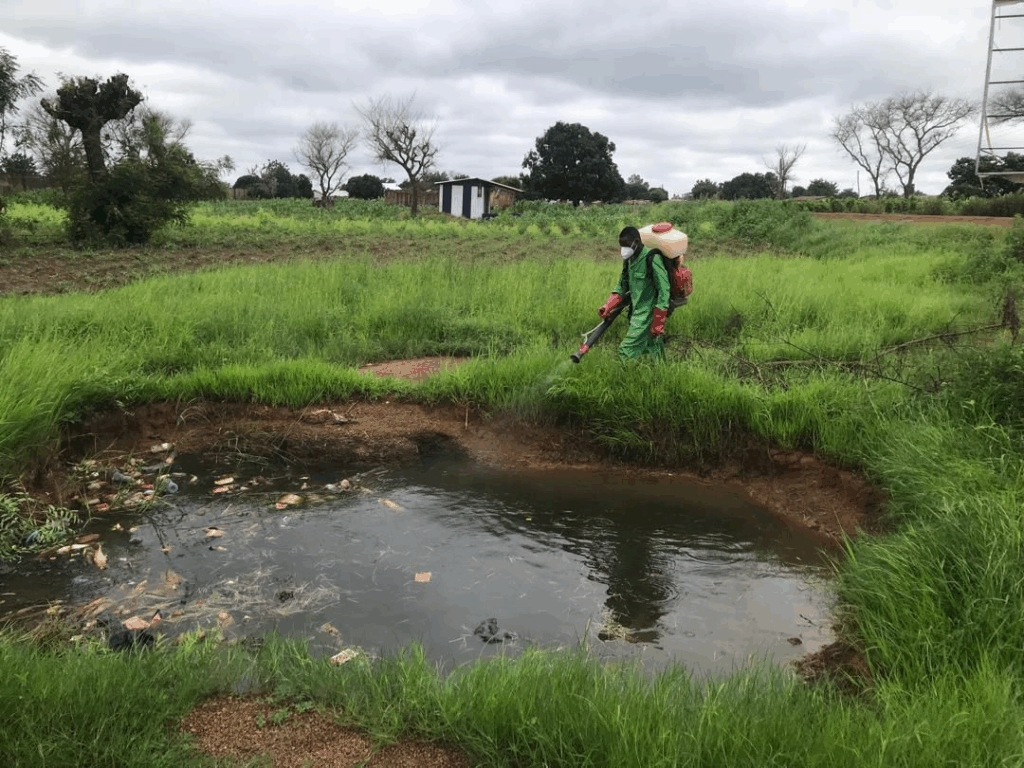
Zoomlion Ghana Limited is spearheading a nationwide Larval Source Management (LSM) programme, targeting the disease at its root: mosquito breeding grounds.

This is the waste management giant’s fight against malaria.

Zoomlion leads national charge to eliminate malaria at source

This initiative, under the directive of the Ministry of Health (MoH) and the Ghana Health Service (GHS), marks a strategic shift from controlling malaria towards its complete elimination.

The programme, a core component of the National Malaria Elimination Programme (NMEP), moves beyond treating symptoms and biting adult mosquitoes to systematically destroying larvae before they can hatch and spread disease.

Zoomlion leads national charge to eliminate malaria at source

The multi-faceted approach includes land reclamation to permanently alter breeding sites, routine clearing of streams, and the targeted application of environmentally sensitive biological and chemical agents.

“We are not just controlling the mosquito population; we are working to break the chain of transmission entirely,” a statement from the company read.

Zoomlion leads national charge to eliminate malaria at source

“By stopping the mosquito before it becomes a flying, biting adult, we prevent malaria, dengue, and other vector-borne diseases from ever reaching our communities.”

The implementation is a collaborative effort, leveraging the expertise of the Noguchi Memorial Institute, the School of Public Health, and regional health authorities.

Zoomlion leads national charge to eliminate malaria at source

A key to its success is the mobilisation of community volunteers, empowering locals to identify and help clear standing water in their immediate surroundings.

The benefits of this source-based strategy are profound. It is a cost-effective method that reduces the need for large-scale insecticide spraying, minimises environmental impact, and protects the efficacy of other malaria control tools.

Zoomlion leads national charge to eliminate malaria at source

Most importantly, it directly translates to improved public health through fewer infections and fatalities.

Against this backdrop, Zoomlion urged all citizens to join this critical mission.

Zoomlion leads national charge to eliminate malaria at source

Communities are encouraged to be vigilant—reporting stagnant water sites, covering water containers, and clearing clogged gutters to deny mosquitoes a place to breed.

“Eliminating mosquito breeding sites is synonymous with eliminating malaria,” officials emphasised. “This is a long-term fight, and with nationwide participation, victory is within our grasp.”

Zoomlion leads national charge to eliminate malaria at source

Nursing and Midwifery Licensing Exams postponed to Sept 4

Nursing and Midwifery Licensing Exams postponed to Sept 4

The Health Ministry has announced a postponement of the Centralised Nursing and Midwifery Licensing Examinations to September 4, 2025.

The decision was taken after a consultative meeting involving the Minister for Health, the Nursing and Midwifery Council (NMC), and the Conference of Heads of Health Training Institutions (COHHETI).

It was agreed that, going forward, candidates will sit for the exams in their respective training institutions, restoring the previous practice.

According to the Ministry, the move is aimed at reducing risks associated with long-distance travel and ensuring effective supervision by the NMC.

The Health Minister, Kwabena Mintah Akandoh, stressed that it is not proper for students to travel from one region to another to write exams, describing the new directive as a measure to safeguard the safety and well-being of candidates.

He further assured that the Ministry will provide the necessary logistics to guarantee smooth implementation.

The NMC is expected to release a revised timetable and detailed guidelines in due course.

The Ministry expressed appreciation to all candidates, training institutions, and stakeholders for their cooperation and understanding.

terms and conditions for using Rokmer Pharma’s website

African health ministers to convene in Lusaka for WHO Regional meeting

African health ministers to convene in Lusaka for WHO Regional meeting

Health ministers from 47 African countries will meet in Lusaka, Zambia, from 25 to 27 August 2025 for the Seventy-fifth Session of the World Health Organisation (WHO) Regional Committee for Africa.

The gathering will take place at the Mulungushi International Conference Centre, Kenneth Kaunda Wing, in Lusaka.

The Regional Committee is the WHO’s highest decision-making body in Africa, responsible for setting priorities, shaping policies, and guiding investments to improve health across the continent.

More than 500 delegates are expected at the meeting, including WHO Director-General Dr. Tedros Adhanom Ghebreyesus, WHO Regional Director for Africa Dr. Mohamed Janabi, ministers of health, senior government officials, representatives of UN agencies, civil society organisations, and development partners.

Ahead of the meeting, WHO and the Government of Zambia will host a five-kilometre “Walk the Talk” event to promote physical activity and healthy living.

The opening session on 25 August will feature remarks from President Hakainde Hichilema of Zambia, Dr Tedros Adhanom Ghebreyesus, WHO Director-General and Dr Mohamed Janabi, WHO Regional Director for Africa.

Discussions over the three days are expected to focus on strengthening health systems, preparing for public health emergencies, and advancing universal health coverage in the African region.

Ministers will deliberate on a proposed Regional Framework for Accelerating Implementation of the Global Oral Health Action Plan. This new roadmap, aligned with the 2023–2030 global plan, seeks to integrate oral health into primary care, strengthen workforce innovation, improve research and surveillance, and ensure that essential oral health services are accessible to all by 2030.

The framework sets clear targets: by 2030, at least 50% of each country’s population should have access to essential oral health services, and the prevalence of major oral diseases should be reduced by 10%. By 2028, 60% of countries are expected to have national oral health policies in place, supported by dedicated budgets and staff.

Another major focus will be on blood transfusion, which is critical for life-saving healthcare, especially for vulnerable populations. Countries in the WHO African Region continue to face significant challenges in guaranteeing adequate and equitable access to safe, quality-assured blood and blood products. Currently, more than 50% of blood needs remain unmet in the Region, with severe health consequences.

To address this, the meeting will endorse the Framework to Advance Universal Access to Safe, Effective and Quality-Assured Blood Products in the WHO African Region (2026–2030). The strategy is designed to strengthen every part of the blood supply chain from modernizing laboratories and storage facilities to training health workers and mobilizing more voluntary blood donors.

Between 2000 and 2023, Africa recorded progress in reducing maternal and child deaths. Yet the numbers remain alarming: the continent still accounts for 70% of global maternal deaths and more than half of all under-five deaths. Weak health systems, high costs, workforce shortages, and the growing impacts of conflict, emergencies, and climate change continue to limit access to lifesaving care.

The health ministers will focus on a new plan to transform health systems for women, children, and adolescents. The roadmap, titled Accelerating Progress in the Health and Well-being of Women, Children and Adolescents by Transforming Health Systems in the African Region, calls for greater investment in health workers, stronger primary care, and targeted action to close the deep inequalities that keep services out of reach.

Malaria remains another pressing challenge. The region bears the world’s heaviest burden, with 95% of global malaria deaths and 94% of cases recorded in 2023. Progress in malaria control has slowed: between 2015 and 2023, incidence dropped by just 5% and deaths by 16%, well short of targets. Ministers are expected to explore strategies to strengthen health systems, expand community-based treatment, fight drug and insecticide resistance, and secure more domestic and global funding.

Workforce shortages also threaten health goals. In Africa, there are only 1.55 health workers per 1,000 people, far below the global benchmark of 4.45. The shortage stretches primary health care, weakens emergency preparedness, and leaves rural and underserved communities most at risk. Ministers will consider a strategy to train and retain more health professionals, improve their distribution, and harness digital tools to deliver remote care. Initiatives such as AVoHC-SURGE, which deploys rapid emergency teams from WHO AFRO and the Africa CDC, are seen as critical to improving crisis response.

Health security will also dominate the agenda. In 2024 alone, African countries responded to 251 public health events, ranging from deadly disease outbreaks to climate-driven disasters, affecting more than 40 million people. Each crisis further tested fragile systems already struggling with limited resources.

Ministers will review new proposals to enhance Africa’s health security, strengthening event detection, building resilient systems, and forging stronger partnerships. Quick detection and rapid response, experts warn, will determine whether future outbreaks remain local incidents or escalate into crises that put millions at risk.

terms and conditions for using Rokmer Pharma’s website

Mahama administration sets sights on making Ghana a center of medical innovation

Mahama administration sets sights on making Ghana a center of medical innovation

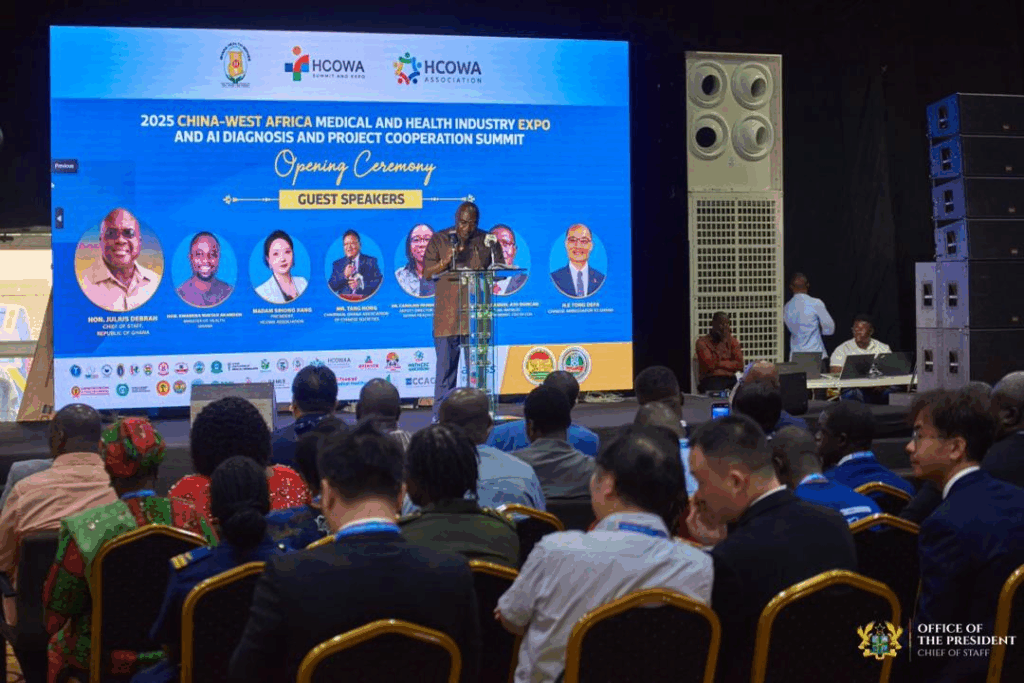
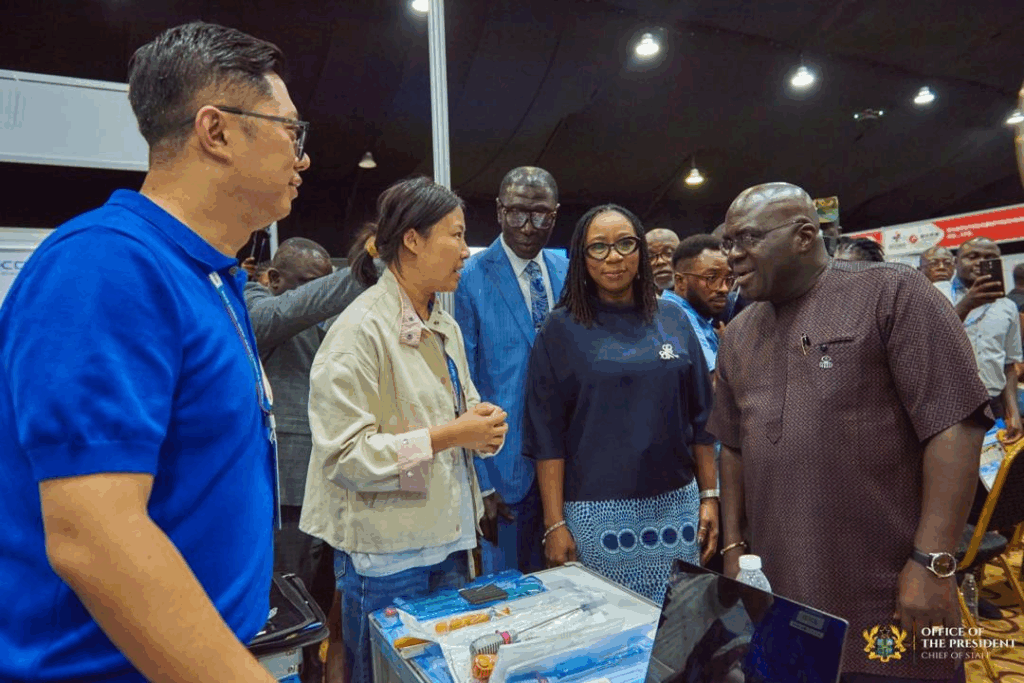
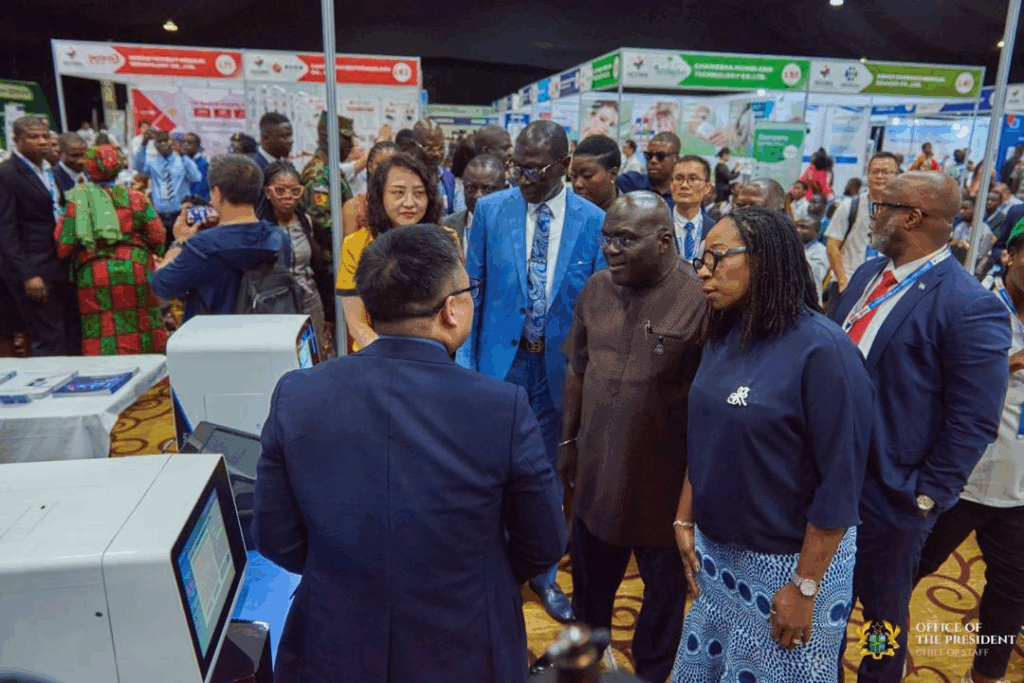
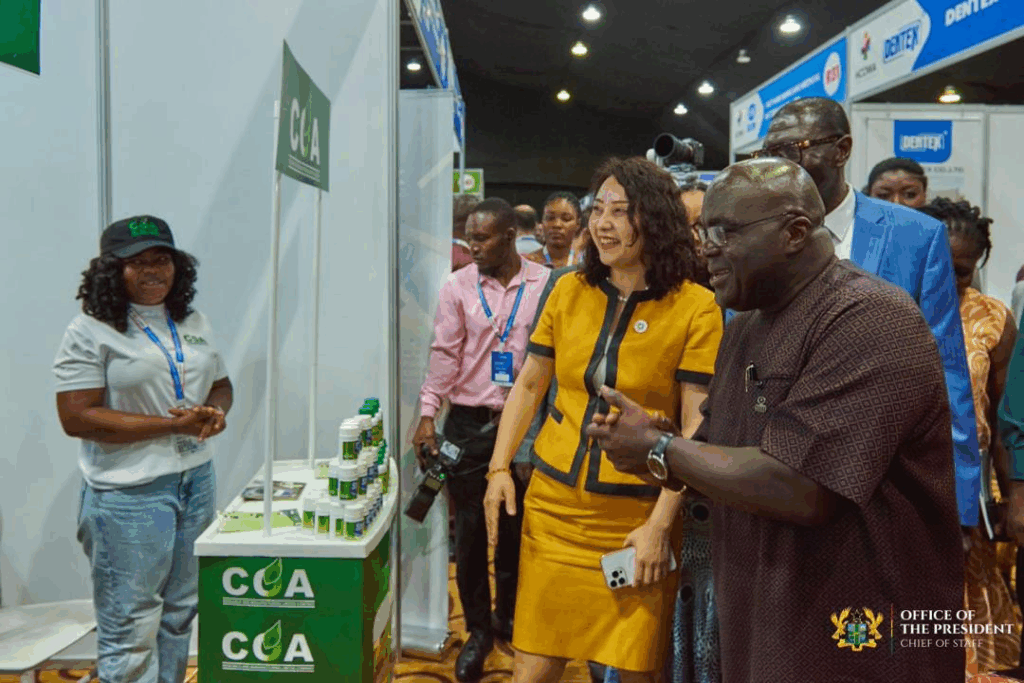
Chief of Staff Julius Debrah says the Mahama administration is committed to making Ghana the leading hub for medical technology in West Africa.

He explained that by driving strategic investments, promoting innovation, and building world-class facilities in Accra and across the regions, the government’s goal is to establish Ghana as a true centre of excellence for the sub-region.

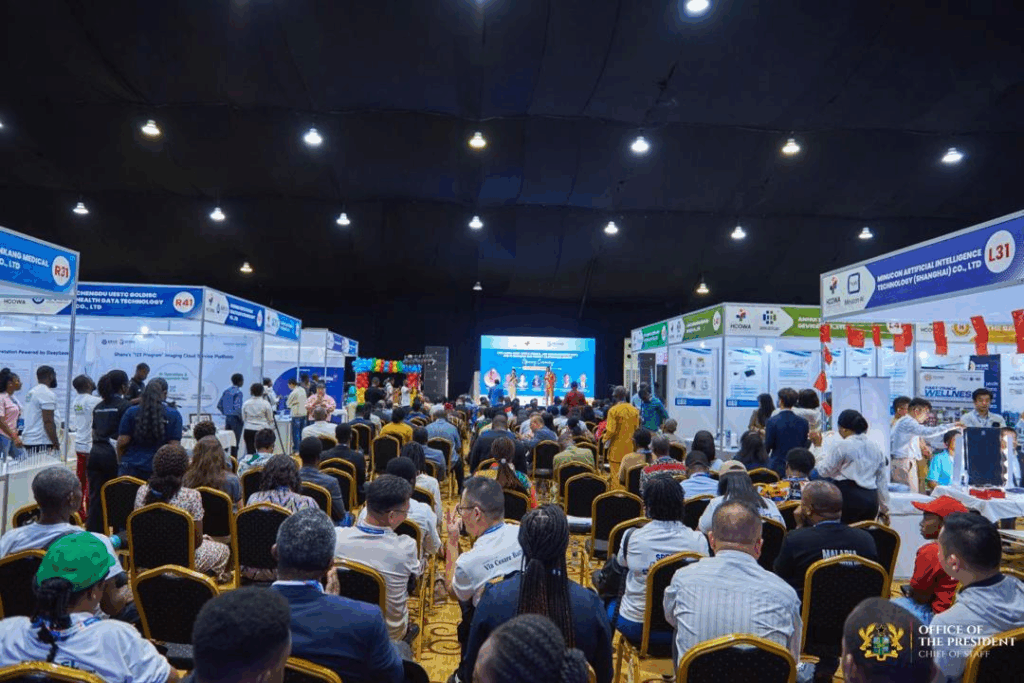
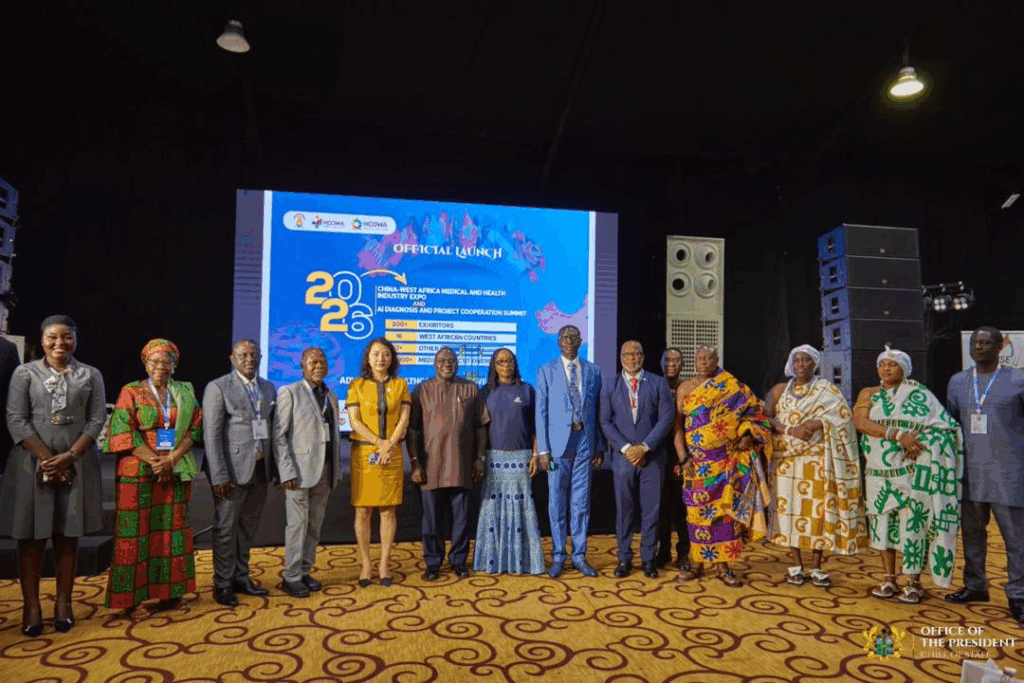
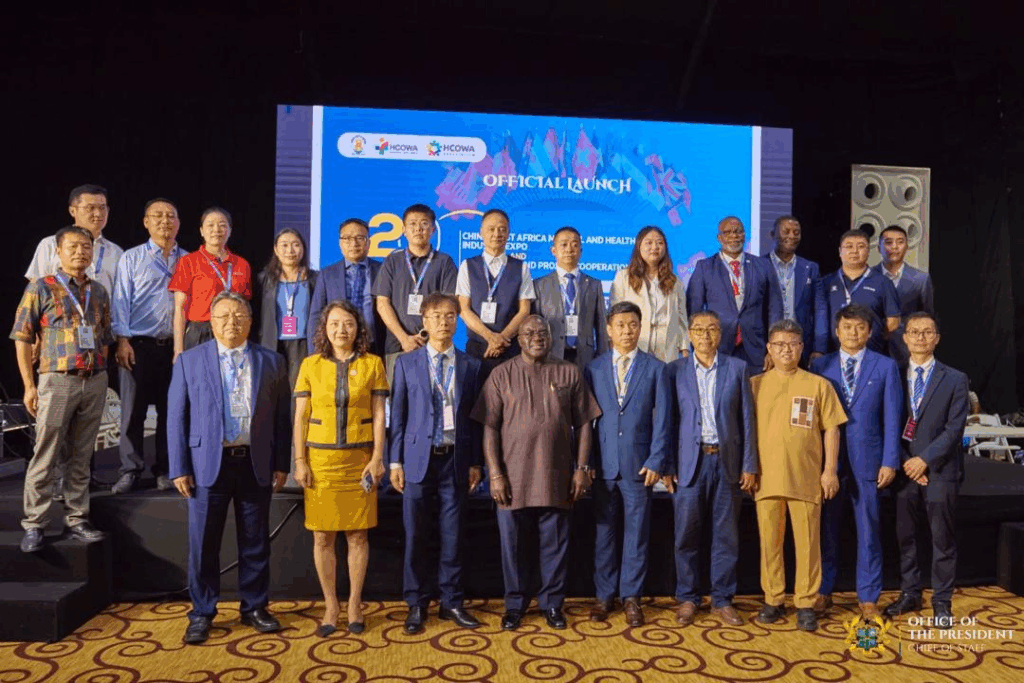
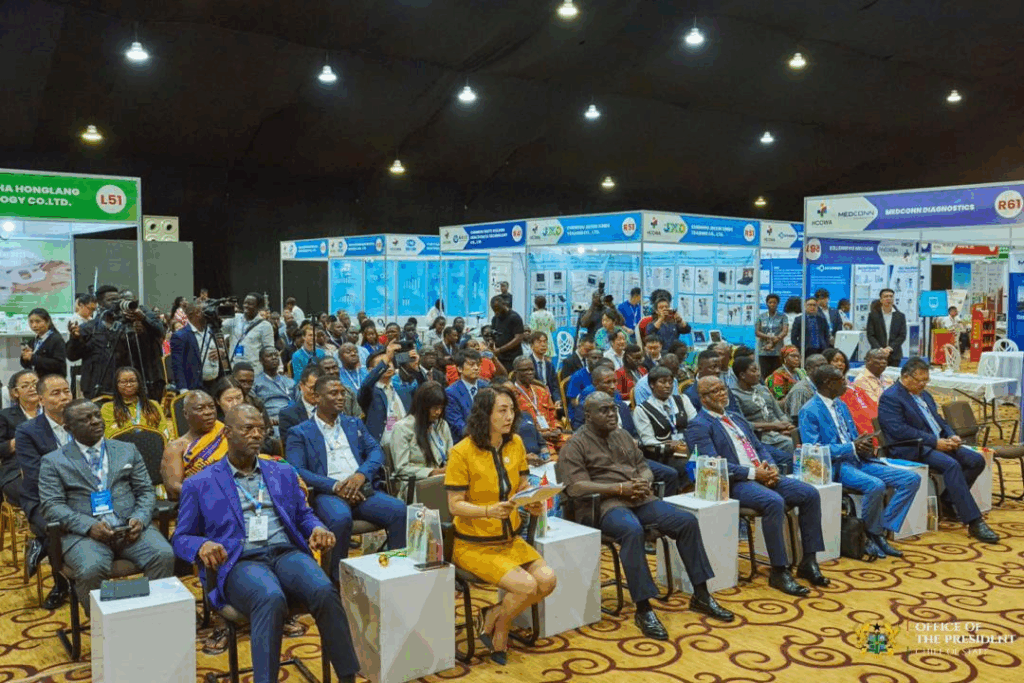
Speaking at the 2025 China–West Africa Medical and Health Industry Expo and AI Diagnosis and Project Cooperation Summit.

Mahama administration sets sights on making Ghana a center of medical innovation

“Looking ahead, our vision is to position Ghana as the medical technology hub of West Africa. By attracting investment, encouraging innovation, and building world-class facilities here in Accra and across our regions, we can ensure Ghana serves as a centre of excellence for the entire sub-region.”

Mahama administration sets sights on making Ghana a center of medical innovation

The event, jointly organised by the Health Community of West Africa Association (HCOWA) and the Ghana Health Service, brought together stakeholders from China, West Africa, and beyond, including manufacturers, academics, policymakers, entrepreneurs, and investors.

Mahama administration sets sights on making Ghana a center of medical innovation

He stressed that Ghana’s ambition goes beyond fixing health system challenges.

The country, he said, is deliberately creating an investment-friendly environment that empowers young innovators, researchers, and entrepreneurs to develop home-grown solutions across multiple sectors.

Mahama administration sets sights on making Ghana a center of medical innovation

He talked about the importance of creating platforms where youth-driven innovation can connect with global capital, ensuring sustainable progress not only in health but also in agribusiness, technology, renewable energy, sports, and industrialisation.

Mahama administration sets sights on making Ghana a center of medical innovation

This year’s Expo placed special focus on Artificial Intelligence (AI) in diagnostics and healthcare, showing how smart technology can bridge the gap between rural and urban health delivery.

Mahama administration sets sights on making Ghana a center of medical innovation

The Chief of Staff, however, reminded participants that while technology is a powerful tool, Africa’s greatest asset remains its people.

Mahama administration sets sights on making Ghana a center of medical innovation

“We must also invest in people – our doctors, our nurses, our technicians, our researchers, and our young students who are training to carry the torch forward. The solutions we adopt must be sustained for generations to come,” he noted.