The Ministry of Health has announced the commencement of recruitment for medical and dental officers who have completed their housemanship and have been duly verified by the Medical and Dental Council under the 34th and 35th lists.
According to a statement issued by the ministry, the recruitment process will officially begin at 12:00 p.m. on Friday, May 16, 2025.
It stated that qualified applicants are required to submit their applications through the Ministry’s online portal, where they must follow the outlined steps to select their preferred agency under the Ministry.
The deadline for submission is set for 6:00 p.m. on Monday, May 26, 2025.
The Ministry stated that the recruitment process is strictly transparent and cautioned applicants against engaging with individuals who may solicit payments under the guise of offering assistance with placement.
“Applicants should therefore beware of any person who may approach them on the pretext of assisting them for recruitment at a fee.
The Ministry, therefore, advises all applicants not to make any payment for this process. Whoever pays money does so at his/her own risk,” the statement added.
The Over-the-Counter Medicine Practitioners Association of Ghana has committed to ensuring members no longer stock and sell opioids like ‘Red’ and tramadol in their shops to combat drug abuse.
Addressing the media at the association’s annual conference in the Ashanti region, President of the group, Halaji Hassan Kabo, said members who flout directives will face disciplinary action.
He highlighted the devastating impact of opioid abuse on Ghana’s youth, stating that inaction would lead to severe consequences.
“We feel terrible seeing our youth, the future of our nation, being destroyed by excessive use of these drugs,” said Mr. Kabo.
He urged the Pharmaceutical Society of Ghana to encourage all over-the-counter medicine sellers to join the association for better regulation.
Acting Registrar of the Pharmaceutical Council, Michael Kudebon, noted that while opioids are legitimate medications for moderate pain, their abuse is a significant concern.
He warned that unchecked abuse could lead to shortages for legitimate medical purposes.
Ashanti Regional Director of the Food and Drugs Authority (FDA), John Laryea Odei-Tettey, stated that the FDA is collaborating with relevant agencies to curb the illegal importation of opioids.
He emphasised that tramadol itself is not inherently problematic, but acknowledged issues with misuse and unregistered imports
The Radiology Department of the Korle Bu Teaching Hospital will soon start providing a 24-hour ultrasound services to patients who need urgent and emergency care.
This follows a donation of GHS 45,000 by Imperial General Assurance, a leading insurance provider, to the management of the Department, to support the renovation of key facilities at the hospital.
The renovation, covering plumbing, tiling, carpentry and painting works will give a facelift to the on-call room, changing cubicles and adjoining washrooms which are currently in a dilapidated state. Provision has also been made for beddings, window blinds, office table, an air conditioner, among others.
According to the Ag. Head of the Radiology Department, Dr. Hafisatu Gbadamosi, currently, an average of up to five to ten patients per week requiring urgent nighttime imaging must wait until morning.
“This delay can lead to late diagnoses and create systematic short and long term bottlenecks in the overall patient care process hospital-wide. Renovating the on-call room will allow our team to provide these critical services immediately, improving patient outcomes and streamlining our workflow. Our residents will be at the forefront of this vital service, serving as the primary point of contact for all urgent and emergency imaging needs during the night.”, she explained.
Presenting the donation at the hospital, the Managing Director of Imperial General Assurance, Mr. Harry Ofori-Attah said the project aligns with Sustainable Development Goal 3 (SDG 3)-Good Health and Well-being, which is one of the focus areas of Imperial’s Corporate Social Responsibility policy.
“This presentation marks a significant chapter in our shared commitment to advancing healthcare in Ghana. By investing in healthcare infrastructure, we are investing in the welfare of our customers and stakeholders. It is heartwarming to know that Imperial’s support will kick-start a 24-hour ultrasound service delivery,” he said.
Mr. Ofori-Attah underscored the critical role health service professionals play in society and the need for them to work in a convenient and functional environment with the peace of mind to save lives and enhance productivity.
On behalf of the hospital, Dr. Gbadamosi thanked Imperial General Assurance for swiftly responding to their request for assistance and prayed for mutually beneficial partnerships in the future. “Your assistance will directly impact our ability to provide timely and effective care to our patients, particularly during critical overnight hours.”
After the presentation, the team took a tour of the facilities to inspect ongoing renovation works which are expected to be completed in a few weeks’ time.
Imperial is a member of the African Insurance Organisation (AIO) and was adjudged the third consecutive winner of the Fastest Growing Insurance Company of the Year at the 2022, 2023 and 2024 Ghana Insurance Awards. Imperial General is a member of the Ghana Club 100, a list of the top 100 blue chip companies in Ghana.
A 15-year-old mother on admission at the Komfo Anokye Teaching Hospital has called on well-meaning Ghanaians to come to her aid after months of battling sickness.
Margaret, who became pregnant after being raped, has faced health complications during her pregnancy and after delivery.
This has placed a heavy financial burden on the teenage mother.
“Margaret was raped and out it got pregnant. This came with a lot of complications, even when her time was due for her delivery. Margaret is still suffering, but her mother is a poor woman. Sometimes, the good nurses here have to make contributions to get her some basic needs,” narrated Joana Adom Afrifa, a social welfare worker at KATH.
Margaret’s plight came to light when EKK Charity Foundation, a Kumasi-based non-governmental organisation, made a donation to women who delivered on Mother’s Day.
CEO of the Foundation, Evans Kofi Kwafo, supported Margaret with Gh1,000 and pledged to continue reaching out to her.
Margaret’s mother thanked the organisation and called for more support as the teenager continued to battle the sickness.
Margaret, who has been in the sick bed for weeks, has difficulty speaking.
In many parts of Africa, female menstrual health poses significant barriers for millions of young girls.
For most girls, the lack of access to affordable and hygienic sanitary products means missing school, withdrawing from social activities, and losing confidence.
But one Ghanaian startup is determined to change that by turning agricultural waste into female sanitary hygiene products.
Meet Kodu Technology, a social enterprise co-founded by Iddi Mohammed Faried, Mubaraka Umar Farouk and Longi Aadam Hayendimah that is transforming plantain and banana waste into eco-friendly and affordable sanitary pads.
Rooted in innovation, sustainability, and social justice, Kodu Technology’s mission is to ensure menstrual hygiene products are accessible.
“At Kodu Technology, we believe no girl should miss out on life because of her period, and no resource should go to waste. Turning plantain and banana waste into sanitary pads isn’t just innovation; it’s dignity, sustainability, and impact in action,” Iddi Mohammed Faried highlighted.
Kodu Technology’s solution addresses two critical issues at once: the challenge of period poverty and the environmental impact of agricultural waste.
By sourcing fibrous materials from agricultural residues, waste that would otherwise rot or be burned, the startup creates high-absorbency, biodegradable sanitary pads that are safe for women and also reduce environmental footprints.
Kosmos Innovation Center (KIC) and the Mastercard Foundation provided funding support to Kodu Technology through KIC’s AgriTech Challenge and Incubation Programs.
These programs play a key role in helping startups like Kodu Technology grow from business ideation and concept to reality, accelerated growth, scale and investor readiness.
Following their participation in the KIC program, Kodu Technology, on its own, has also been able to raise funding with other organisations. In 2023, they were the winners of the Circular Economy Competition.
In 2024, they emerged as winners for the Go Gettaz Agripreneur prize, competing with other start-ups across the continent for the prize money to scale up their operations.
“At KIC, we support businesses that tackle real-world problems with innovative, locally driven solutions, and Kodu Technology exemplifies how agribusiness innovation can extend beyond food to address broader social challenges to promote sustainability and youth empowerment,” said Benjamin Gyan-Kesse, Executive Director of KIC.
Kodu Technology’s impact goes beyond product innovation. The company is also a driver of rural empowerment, partnering with women’s groups and smallholder farmers to source raw materials and distribute the final products. In doing so, Kodu Technology is creating jobs, supporting local economies, and building awareness about menstrual health and hygiene.
Their community-based approach has led to hundreds of girls and women gaining access to safe sanitary products, often for the first time.
Schools in underserved communities are also benefiting, with Kodu Technology leading menstrual health education programs that challenge stigma and open dialogue.
The startup’s work has gained recognition from several development partners and innovation hubs across Ghana and beyond. As the company scales, its ambition is clear: to reshape menstrual health access across Africa.
Kodu Technology through the support of KIC and Mastercard Foundation is proving that girls deserve better, and that innovation rooted in local realities can spark global change.
With asthma affecting over 262 million people globally and leading to more than 450,000 deaths annually, the disease remains a significant public health challenge, particularly in low- and middle-income countries like Ghana.
In Ghana, asthma continues to take a heavy toll on both young and old. Asthma-related hospital admissions account for up to 10% of all pediatric cases, and the disease contributes to high mortality rates, particularly in underserved communities. Poor air quality, coupled with limited access to essential inhaled medications, worsens the situation.
Speaking at the commemoration of the World Asthma Day held at Trust Hospital’s Premium Centre in Accra, Dr. Juliana Oye Ameh, Chief Executive Officer of the Trust Hospital, emphasized the need for urgent policy reforms and greater investment in asthma care.
She described asthma as not just a personal health issue but a national crisis, urging for better infrastructure to improve access to essential treatment.
“Currently, only one in three asthma patients in Ghana receives the proper inhaled treatment. This is unacceptable and a national emergency. Asthma remains one of the leading causes of hospital admissions, especially among children,” Dr. Ameh stated.
Asthma is a global health issue, with an estimated 250 million people living with the disease. The World Health Organization reports that nearly 1,000 people die every day from asthma-related complications, most of these deaths occurring in low- and middle-income countries.
The Global Asthma Report 2022 highlighted that 96% of asthma-related deaths occur in these countries, where access to preventive inhalers is often limited or unavailable. Despite inhaled medications being the gold standard for asthma management, a significant number of patients continue to suffer due to poor access and inadequate management.
Dr. Nana Ama Abankwah, the Chief of Medical Staff at Trust Hospital, raised concerns over the rise of adult-onset asthma, which remains underreported in Ghana and other parts of Africa. She warned that without proper awareness and diagnosis, more people will be at risk of severe asthma attacks that could lead to unnecessary deaths.
“Adult-onset asthma is becoming increasingly prevalent, yet it is often overlooked. It’s important that we shift our focus and enhance diagnosis, particularly for adults who may not display traditional symptoms,” Dr. Abankwah explained.
In response to these challenges, Trust Hospital has taken proactive steps by launching specialized asthma clinics that provide personalized care plans for patients. These clinics focus on educating patients on proper asthma management and the correct use of inhalers.
As Ghana continues to grapple with the burden of asthma, the call for greater access to life-saving treatments and policy reforms is more urgent than ever. Only through collective efforts can the country make strides in improving asthma care and reducing preventable deaths from the condition.
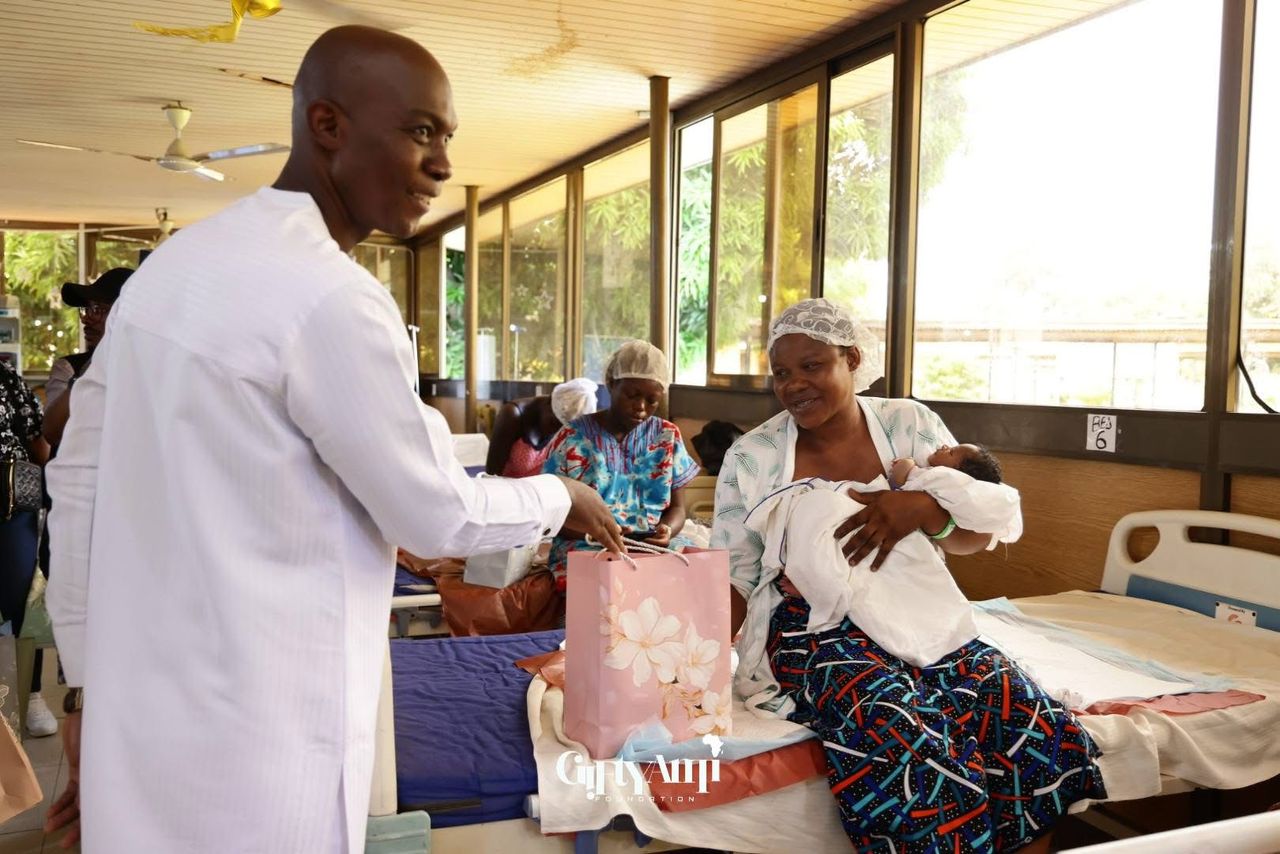
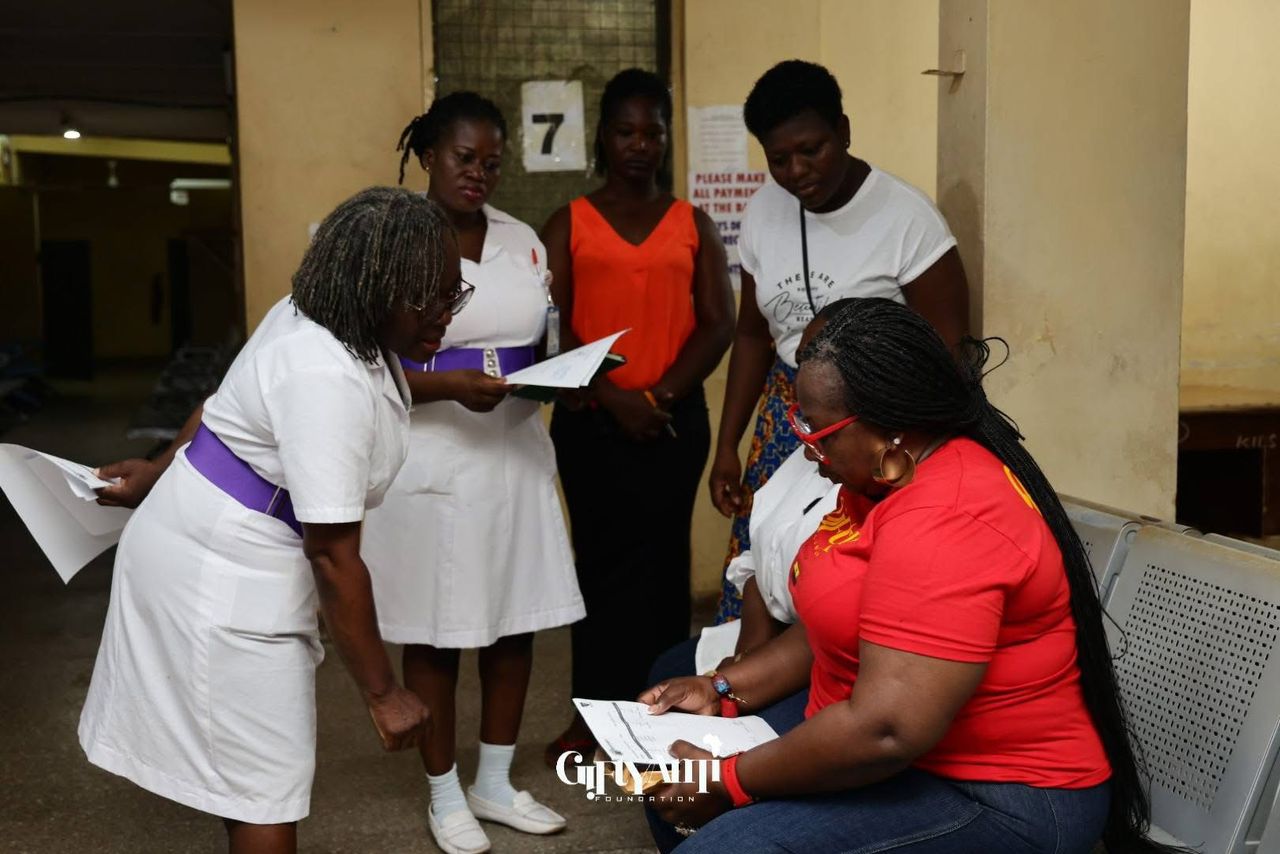
It was an emotional Mother’s Day at the Tema General Hospital when broadcaster and women’s advocate, Gifty Anti, settled the medical bills of 21 new mothers, allowing them to be discharged after weeks of being stranded.
In total, over GH₵51,000 was paid to cover outstanding hospital fees.
The gesture, part of the Gifty Anti Foundation’s Mother’s Day outreach, came as a lifeline for many of the women, some of whom had been unable to leave the hospital for more than two weeks due to financial constraints.
Among the beneficiaries was the family of a woman who, after 17 years of childlessness, tragically passed away from complications following a Caesarean section. Her medical bills were fully covered by the foundation, offering her grieving family some relief.
Beyond clearing the hospital debts, the initiative reached over 100 women across the Gynaecology, Labour, Post-CS, and Post-Delivery wards.
In all, 85 new mothers received gift packages to celebrate the arrival of their babies, while 20 others were presented with new clothes to support their postpartum recovery.
The foundation’s initiative was made possible with support from the Micheam Foundation, Dankyi Mireku RTW, Dede Classics, and other individual donors whose contributions amplified the impact.
Five additional women are expected to be discharged soon, following extra cash donations from well-wishers.
The Ministry of Health, led by Minister Kwabena Mintah Akandoh, today hosted a high-level delegation from the Economic Community of West African States (ECOWAS), headed by its Director General.
The visit aimed to explore Ghana’s potential role as the host for a new office of the West African Health Organisation (WAHO).
During the meeting, discussions centered on WAHO’s strategic vision for regional health integration, with a particular emphasis on the benefits of establishing an office in Ghana. Both parties recognized that such an initiative would enhance coordination of health programs, improve responses to public health emergencies, and create more opportunities for technical collaboration throughout the region.
Minister Akandoh warmly welcomed the delegation and expressed gratitude for WAHO’s ongoing efforts to strengthen health systems and promote collaboration among ECOWAS member states. He highlighted Ghana’s established reputation in public health leadership, medical research, and health infrastructure development, affirming the country’s readiness to support WAHO’s objectives.
“We are honoured by WAHO’s interest in Ghana and are eager to deepen our collaboration. Hosting a WAHO office would not only enhance our partnership but also solidify Ghana’s position as a hub for health innovation and coordination in West Africa,” he stated.
The WAHO delegation praised Ghana’s proactive engagement in regional health initiatives and commended the Ministry for its openness to partnerships. They reaffirmed their commitment to collaborating closely with regional and international stakeholders to improve health outcomes and build resilient healthcare systems across the West African subregion.
The Ministry of Health has announced a reduction in the cost of application forms for Health Training Institutions across Ghana, effective for the 2025/2026 academic year.
The announcement, made in a press release issued by Health Minister Kwabena Mintah Akandoh on Monday, April 14, 2025, aims to make healthcare education more accessible and affordable for prospective applicants nationwide.
According to the release, the sale of application forms will officially commence on Tuesday, April 22, 2025, and end on Thursday, June 19, 2025, with further details to be published soon.
A key highlight of the announcement was the fee reduction: “The general public and all prospective applicants must take note that the cost of application forms, which was two hundred Ghana cedis (GHS 200.00), has now been reduced to one hundred and fifty Ghana cedis (GHS 150.00).”
The release further clarified the government’s intentions: “The reduction is intended to enhance access and affordability for applicants across the country.”
The Ministry also emphasized the official vendors for the application forms: “The general public and all prospective applicants are entreated to take note that only GCB Bank PLC and the Agricultural Development Bank are mandated to sell the application forms.”
The move is expected to be welcomed by aspiring healthcare professionals and their families, potentially increasing the number of applications and broadening the pool of qualified candidates for Ghana’s Health Training Institutions.
This commitment to reducing financial barriers to education aligns with the government’s broader goal of improving healthcare access and equity across the country.
An at-home spit test is better at identifying prostate cancer risks in some men than the standard test on the market, a new study has found.
The findings mean those at higher risk of prostate cancer – one of the most common forms of cancer among men – could someday have a new screening option that is less likely to return false-positives that require burdensome follow-up.
For the study, which was published in the New England Journal of Medicine, researchers took saliva samples from about 6,400 men in their 50s and 60s in the United Kingdom, and used DNA samples to calculate their prostate cancer risk, which is called a polygenic risk score.
They then did additional scans and biopsies for men with the highest risk scores, and diagnosed 40 per cent of them with prostate cancer.
Among men flagged as high-risk through the standard prostate screening tool, 25 per cent actually have cancer – significantly worse than the spit test.
That means introducing the spit test could “identify men at risk of aggressive cancers who need further tests and spare the men who are at lower risk from unnecessary treatments,” said Rosalind Eeles, one of the study’s authors and a professor of oncogenetics at the Institute of Cancer Research (ICR).
False positives of standard tests
The standard tool is a blood test that tracks a protein called prostate-specific antigen (PSA). Elevated PSA levels can be a sign of prostate cancer.
The PSA test is typically used for men at higher risk of cancer due to their age or ethnicity, or because they have symptoms. Men with high PSA levels are sent for additional tests to confirm whether they have cancer.
But it has a tendency to give false positives and detect low-grade cancers that are unlikely to ever be life-threatening, meaning many men undergo unnecessary scans, biopsies, and treatments, according to the ICR.
The researchers said the saliva test could serve as another screening tool offered to men who are either at higher risk of prostate cancer or are showing symptoms.
Future studies will track men with high polygenic risk scores to see whether they go on to develop prostate cancer.
But it could be years before the spit tests become standard practice due to the logistics and cost of integrating them into the healthcare system, according to Michael Inouye, a professor of systems genomics and population health at the University of Cambridge who was not involved with the study.
“To me, the study really makes me start to believe that these investments are worth it,” he said.