Rokmer Pharma Ltd

admin

terms and conditions for using Rokmer Pharma’s website

Exercise improves colon cancer survival, major study shows

Exercise improves colon cancer survival, major study shows

An exercise programme for colon cancer patients can cut the risk of dying by a third, a major international trial shows.

The researchers said it was “not a large amount” of exercise, and any type of workout, from swimming to salsa classes, counted.

The results could change the way colon cancer is treated around the world.

Scientists are already investigating whether similar exercise regimes could improve survival for people with other diseases, such as breast cancer.

“It’s a bit of a mind-shift, thinking of treatment as something you do, not just something you take,” says researcher Prof Vicky Coyle from Queen’s University Belfast.

In the trial, the three-year exercise programme started soon after chemotherapy.

The aim was to get people doing at least double the amount of exercise set out in the guidelines for the general population.

That could be three-to-four sessions of brisk walking a week, lasting 45-60 minutes, Prof Coyle says.

People got weekly face-to-face coaching sessions for the first six months, which then dropped to once a month.

The trial, involving 889 patients, put half on the exercise programme. The other half were given leaflets promoting a healthy lifestyle.

The results, published in the New England Journal of Medicine, showed after five years:

  • 80% of people exercising remained cancer-free
  • compared with 74% in the other group
  • meaning a 28% reduction in the risk of the cancer coming back, or a new one forming

Meanwhile, eight years after the initial cancer treatment:

  • 10% of people on the exercise programme died
  • compared with 17% in the group given only health advice
  • marking a 37% lower risk of death

Exactly why exercise has this beneficial effect is unknown, but ideas include the impact on growth hormones, inflammation levels in the body and how the immune system functions – which patrols the body for cancer.

Dr Joe Henson, from the University of Leicester, said the results were “exciting”.

He added: “I saw first-hand that this reduced fatigue, lifted people’s mood and boosted their physical strength.

“We know that physical activity regulates several key biological processes that could explain these results, and further research will help us uncover why exercise is having such a positive impact.”

Colon cancer is the fourth most common cancer in the UK, with around 31,800 people diagnosed each year.

Caroline Geraghty, from Cancer Research UK, said: “This trial has the potential to transform clinical practice, but only if health services have the necessary funding and staff to make it a reality for patients.”
terms and conditions for using Rokmer Pharma’s website

Dr Charity Binka rallies journalists to highlight the silent epidemic of lifestyle-induced deaths

Dr Charity Binka rallies journalists to highlight the silent epidemic of lifestyle-induced deaths

The CEO of Women, Media and Change (WOMEC) and the African Media and Malaria Research Network (AMMREN), Dr Mrs Charity Binka, has called on journalists to spotlight a growing but underreported health crisis in Ghana—an epidemic not driven by war or natural disaster, but by everyday lifestyle choices and economic stress.

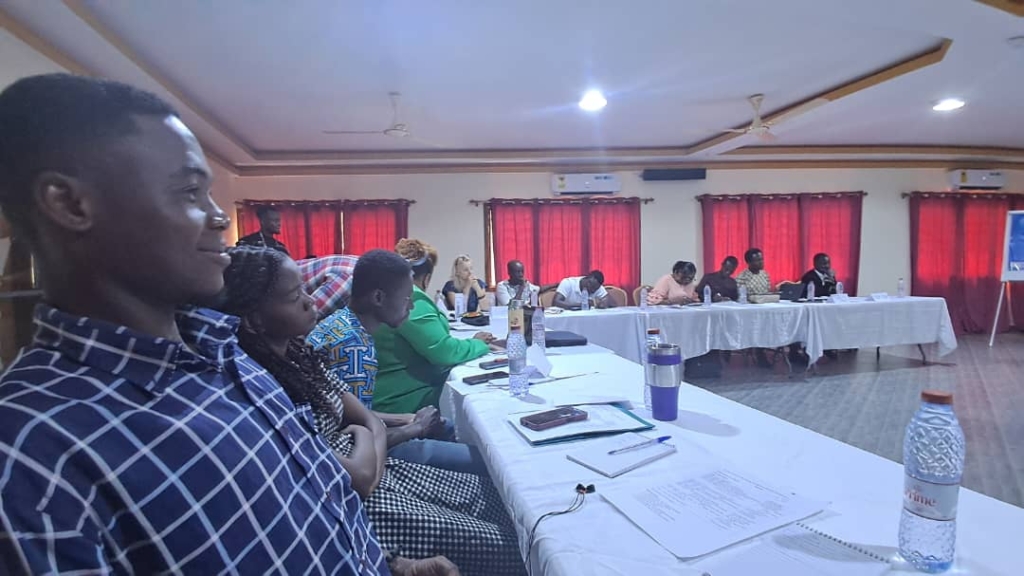
Addressing journalists from the Volta and Oti Regions at a two-day capacity-building workshop under the Nkabom Collaboration initiative, Dr Binka described the increasing rate of preventable deaths among Ghana’s youth and working class as both alarming and avoidable.

“This is not a shock anymore—yes, it is a painful exit, but people are dying slowly, and attention fades too soon,” she said. “If you listen closely, it’s our lifestyle—the things we eat, what we drink, when and how we consume them. People smoke, they drink excessively, and most of all, they are frustrated. They don’t have jobs. And depression is killing them quietly.”

Dr Binka expressed concern over the growing number of young people dying prematurely, citing poor nutrition, inadequate rest, and stressful work conditions as key contributors. She explained that many Ghanaians now survive on multiple low-paying gigs, often earning just GH¢10 or GH¢20 from each, and are left with only two hours of sleep daily—conditions that severely disrupt bodily functions, including blood sugar regulation.

She urged journalists to go beyond surface-level event coverage and uncover the deeper human stories behind Ghana’s health statistics.
“We must tell the story. We must let people know what is happening. He [a facilitator] talked about an epidemic, and indeed, it is. The number of young men you see today, wasting away, must alarm us all.”

Encouraging practical solutions, Dr Binka advocated for a return to simple, healthy habits such as home gardening. She referenced the workshop’s 50-50 theory-practice approach and encouraged participants to take ownership of their nutrition.

“If you can start a backyard garden—even with cabbage or carrots—you don’t need to work for anyone. You become an employer while still being an employee, stress-free and eating healthy,” she advised.

As part of the workshop, journalists visited the Fred N. Binka School of Public Health, where they observed a smart farming initiative focused on tackling food insecurity, promoting healthy diets, and reducing reliance on processed foods. Despite challenges like limited resources and unreliable water supply, the project has become a model for community-based agricultural empowerment.

Dr Binka underscored the significance of such hands-on initiatives in combating malnutrition and health risks.

“We have no excuse to talk about malnutrition or fish scarcity when we have the tools to grow our food. We must diversify and take responsibility for our health,” she asserted.

The Nkabom Collaboration aims to enhance the capacity of journalists to report on health, nutrition, and environmental issues with depth, urgency, and empathy. Through training and field exposure, media professionals are expected to become vocal advocates in addressing lifestyle-driven health crises and promoting sustainable well-being across Ghana.

terms and conditions for using Rokmer Pharma’s website

Glaucoma Laser treatment launched at St. Thomas Eye Hospital

Glaucoma Laser treatment launched at St. Thomas Eye Hospital

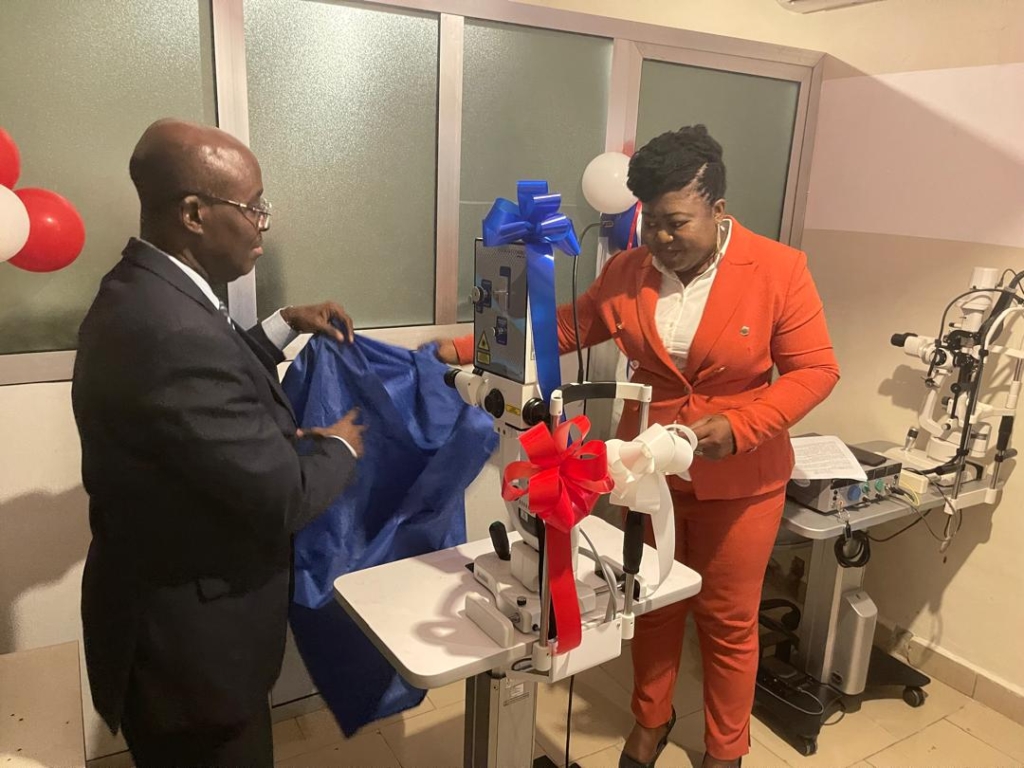
In a major step toward combating glaucoma, the leading cause of irreversible blindness in Ghana, St. Thomas Eye Hospital has officially launched the revolutionary Twin STAR SLT/YAG combo laser machine.

This advanced technology is set to transform glaucoma care nationwide, offering renewed hope to thousands at risk of vision loss.

At the launch, Dr Dziffa-Bella Imelda Ofori-Adjei, President of the Ophthalmology Society of Ghana, hailed the initiative as a “landmark investment in the future of glaucoma care.”

Speaking at the hospital’s Accra facility, she emphasised that the new machine represents more than equipment — it is a “bold statement of commitment, vision, and responsibility.”

“Glaucoma remains a silent thief of sight,” she said. “Up to 8% of Ghanaians over 40 may be living with this condition — most unaware until it’s too late. Early detection and timely treatment are critical.”

Glaucoma Laser treatment launched at St. Thomas Eye Hospital

The Twin STAR combo machine merges two vital laser treatments — Selective Laser Trabeculoplasty (SLT) and YAG laser — in one system. SLT, now globally accepted as a safe, non-invasive first-line treatment, lowers intraocular pressure and reduces dependence on eye drops.

The YAG function enhances surgical capabilities for conditions such as posterior capsular opacification and angle-closure glaucoma.

“This machine improves how we detect and manage glaucoma,” Dr. Ofori-Adjei added. “But beyond technology, it’s also about investing in people—training, skills, and patient-centred care.”

Also speaking at the event, Dr. Michael Ekuoba Gyasi, Executive Director and founder of St. Thomas Eye Hospital, expressed pride in the hospital’s leadership in advancing eye care.

“This is not just a win for Accra, but for the entire country,” he said. “We’re ready to deliver world-class eye care to all Ghanaians with this new technology.”

The event served both as a celebration and a call to action. Dr. Ofori-Adjei called on public and private institutions to unite in the national fight against glaucoma.

“The fight against avoidable blindness requires collective effort — from clinicians, policymakers, the media, civil society, and our communities. Let this launch be a beacon to inspire action.”

As Ghana contends with increasing rates of age-related eye disease, technologies like the Twin STAR SLT/YAG laser provide essential tools to preserve sight and improve lives.

terms and conditions for using Rokmer Pharma’s website

Prof Zottor urges journalists to lead public nutrition awareness in Volta and Oti regions

Prof Zottor urges journalists to lead public nutrition awareness in Volta and Oti regions

The Director of AfriCAN and internationally certified nutritionist, Prof. Francis B. Zottor, has challenged journalists in the Volta and Oti Regions to become key partners in driving Ghana’s nutrition agenda by using their platforms to reshape public understanding of nutrition.

Speaking at a training session organised for media professionals under the Nkabom Collaboration, Prof. Zottor described the initiative as a “game-changer,” uniting education, research, and innovation to tackle malnutrition and open up career opportunities for young professionals.

“Let down your head, relax, and forget where you’re coming from. Leave here with the knowledge that will change everything about you,” he said in an encouraging address to the journalists.
Ghana Chosen for Integrity

Prof. Zottor revealed that while the pilot nutrition research project initially considered Nigeria, Tanzania, and South Africa, Ghana was ultimately selected for its track record of integrity and hard work.

“They said Ghanaians are honest, diligent, and will give the right results. That’s why the study began right here in February – and in no other place than with you,” he emphasised.

Prof Zottor urges journalists to lead public nutrition awareness in Volta and Oti regions

The partnership, spearheaded by the MasterCard Foundation and involving institutions like UHAS, KNUST, the University of Ghana, COVET Technical University, and AGI, has already secured close to $10 million to train future experts in clinical epidemiology, maternal nutrition, reproductive health, and monitoring and evaluation.

From Classroom to Community Impact

Prof. Zottor stressed the need to shift from producing unemployed graduates to nurturing job creators.
“We’re tired of training students who finish school only to join the unemployment queue. We want to empower them to become entrepreneurs,” he said.

He cited examples of transformation, such as Delali, a freelance nutritionist working with top universities, and Selorm, an entrepreneur pursuing a PhD while making a difference at the grassroots.

“These are the kinds of students the Nkabom collaboration is developing – system-ready and solution-driven,” Prof. Zottor said.

A 10-Year, $100M Vision

The Nkabom collaboration is a 10-year initiative that will channel over $100 million into fighting malnutrition across Africa, with Ghana serving as a key hub. “We can’t collect this money and sit in glass houses. We need the media to understand how to report nutrition issues so that the public is informed and involved,” he told participants.

Prof. Zottor was clear that the funding must serve the people by building sustainable systems and solving real-world challenges in food security, health, and livelihoods.

Journalists as Change Agents

Calling the media “critical change agents,” Prof. Zottor encouraged journalists to take ownership of the national nutrition narrative. “You cannot just live to eat. You must eat to live – and live to empower others with what you know,” he added.

Looking Ahead

The training is part of a broader agenda to develop regional centres of excellence in nutrition and health sciences, deepening collaboration between academia, industry, and the media.

“This collaboration has come to stay. Let’s work together to make the Volta and Oti Regions the beacon of nutrition excellence in Africa,” Prof. Zottor concluded.

terms and conditions for using Rokmer Pharma’s website

Ashanti GRNMA accuses health ministry of sabotaging planned strike

Ashanti GRNMA accuses health ministry of sabotaging planned strike

The Ashanti Regional branch of the Ghana Registered Nurses and Midwives Association (GRNMA) has accused the Ministry of Health of attempting to sabotage its planned industrial action through internal interference and undue influence on member unions.

The accusation comes as the association defied an invitation to meet with the Minister of Health to discuss their concerns further, signalling their intent to press ahead with the strike.

Philmon Adu Brempong is the First Deputy Chairman of the GRNMA in the Ashanti Region

In a surprising development, four key nursing and midwifery unions have distanced themselves from the industrial action, which was scheduled to commence today, Monday, June 2. The decision by these unions to withdraw support has sparked allegations of governmental interference.

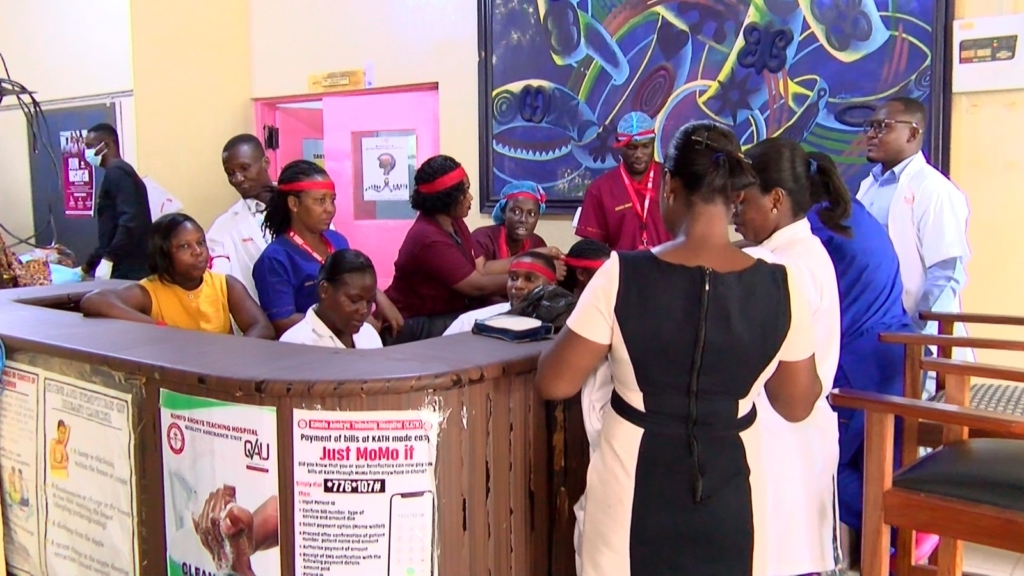
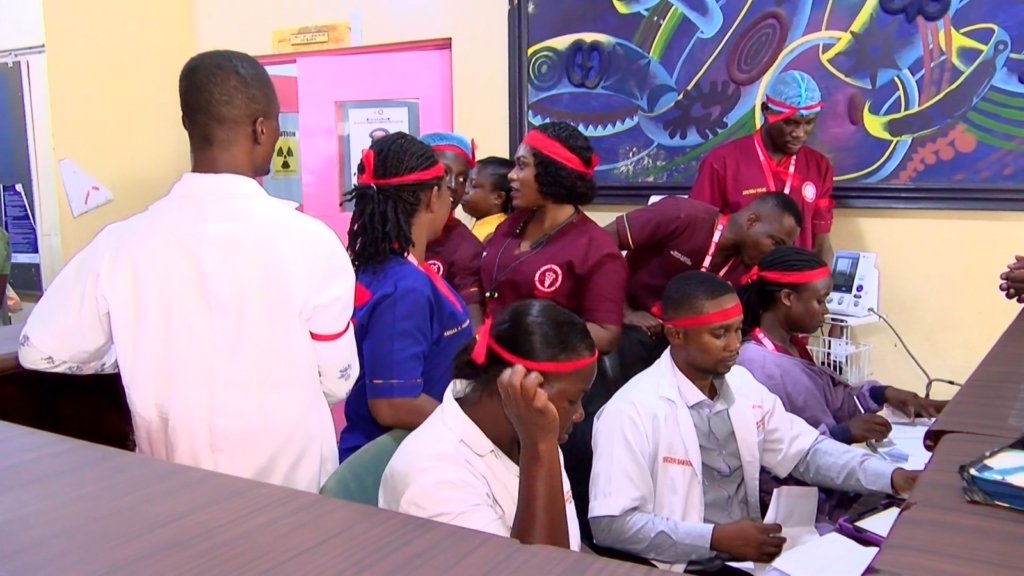
At the Komfo Anokye Teaching Hospital in Kumasi, the strike is visibly taking shape, with nurses and midwives wearing red armbands in protest against what they describe as delays in addressing their concerns.

Ashanti GRNMA accuses health ministry of sabotaging planned strike

Speaking to JoyNews, Philmon Adu Brempong, First Deputy Chairman of the GRNMA in the Ashanti Region, expressed frustration over the Ministry’s conduct. He alleged that the Ministry is deliberately attempting to weaken the association’s position in the ongoing advocacy for improved conditions of service.

Ashanti GRNMA accuses health ministry of sabotaging planned strike

He called on members of the association to remain resolute and united in their stance, stressing the importance of maintaining full compliance with the strike action until their demands are addressed satisfactorily.

JoyNews’ Hannah Odame who visited some health facilities in Accra to assess the start of the strike reported that whereas some nurses and midwives had their red arm bands on, others did not show signs that they had joined in the strike.

terms and conditions for using Rokmer Pharma’s website

Bleached Babies: The toxic beauty obsession endangering Ghana’s children

Bleached Babies: The toxic beauty obsession endangering Ghana’s children

A joint investigation by JoyNews and Nigeria Health Watch has uncovered a disturbing public health crisis: parents in Ghana are bleaching the skin of their babies and children as young as three using toxic, banned substances.

In communities like Chorkor, a densely populated fishing enclave in Accra, skin tone is becoming a status symbol, and children are the latest victims. Mothers are applying creams containing dangerous ingredients like hydroquinone, mometasone, and tretinoin, all banned by Ghana’s Food and Drugs Authority (FDA). Some even resort to household bleach—hypochlorite—commonly sold as Parazone.

Caro, a fishmonger and mother of two, says beauty in her community begins with lighter skin. She started bleaching her children when they were just three. “They were born dark. I didn’t like that,” she said. “Now their skin is lighter. That’s beauty.”

Caro uses a cream called Skin Light, one of the most popular on the market despite its banned ingredients. She knows it’s harmful. “Yes, it can cause kidney failure or skin cancer. But I’ve found my way around it,” she claims. The financial cost is high, but the social pressure is higher.

She is not alone.

Naa Ashorkor, another mother in Chorkor, says keeping children’s skin fair is a major priority for many parents. “Some use bleach found in detergents,” she confessed. “It’s what makes them look acceptable.” To them, light skin means beauty, class, and opportunity.

FDA’s Head of Cosmetics, Emmanuel Nkrumah, says the use of hypochlorite on human skin, especially children, is extremely dangerous. “It’s not designed for the skin. It’s toxic,” he warned.

The skin-lightening craze is not limited to topical creams. Some women are using intravenous methods—injecting bleaching agents directly into their bloodstream. These risky procedures are offered in unregulated beauty clinics across urban neighbourhoods, charging as much as GH¢1,500 per session.

Dr. Titus Beyuo, a gynaecologist and former Deputy General Secretary of the Ghana Medical Association, confirms a rise in mothers bleaching newborns. He says some do it to dispel suspicion about the baby’s paternity. “It’s happening more than we think,” he said.

In 2018, the FDA issued a public alert over the use of cosmetic pills by pregnant women aiming to lighten their unborn babies’ skin. Now, intravenous bleaching poses an even greater risk. “It affects every part of the body,” Dr. Beyuo warned.

Former Director-General of the Ghana Health Service and current Presidential Advisor on Health, Dr. Nsiah Asare, says this must stop. “Parents do not have the right to bleach their children. There are laws to protect children from harmful practices.”

Despite limited studies on child skin bleaching in Ghana, the World Health Organisation reports that over a third of Ghanaians tone their skin. The figures are even higher in other African countries: 77% in Nigeria, 25% in Mali.

In Chorkor, the trend is deeply entrenched. Even residents like Quaynor Allotey, whose sisters bleach their children, express alarm. Yet the practice continues, driven by societal ideals that associate fair skin with worth.

Behind every bottle of bleaching cream, every bar of whitening soap, lies a painful truth: children are being taught that their natural skin is not enough. The damage is not only physical—it’s psychological, generational, and cultural.

But this cycle can be broken.

The true beauty of Ghana lies not in the shade of one’s skin but in the resilience of its people and the richness of its heritage. We must say enough. We must protect our children.

Let this documentary be more than a report. Let it be a call to action—for education, for regulation, and a cultural awakening.

No child should ever feel they must change their skin to be loved, respected, or accepted. Let self-worth shine brighter than any cream ever could.

This investigation was supported by Nigeria Health Watch.

terms and conditions for using Rokmer Pharma’s website

Breaking the cycle: School girls in Techiman unite against child marriage, demand menstrual dignity

Breaking the cycle: School girls in Techiman unite against child marriage, demand menstrual dignity

In a powerful convergence of education, protection, and dignity, over 300 final-year students from Islamic schools across the Techiman Metropolis gathered today for a vital mission: safeguarding their futures against child marriage while demanding menstrual equity.

The event, marking World Menstrual Hygiene Day 2025, resonated with urgent calls to action following a chilling revelation from a traditional leader.

Organised by a 2023 Joy News Impact Makers Awardee and CEO of the Ellen White Sustainable Foundation, the sensitisation programme armed the girls with critical knowledge as they prepare for their upcoming final exams.

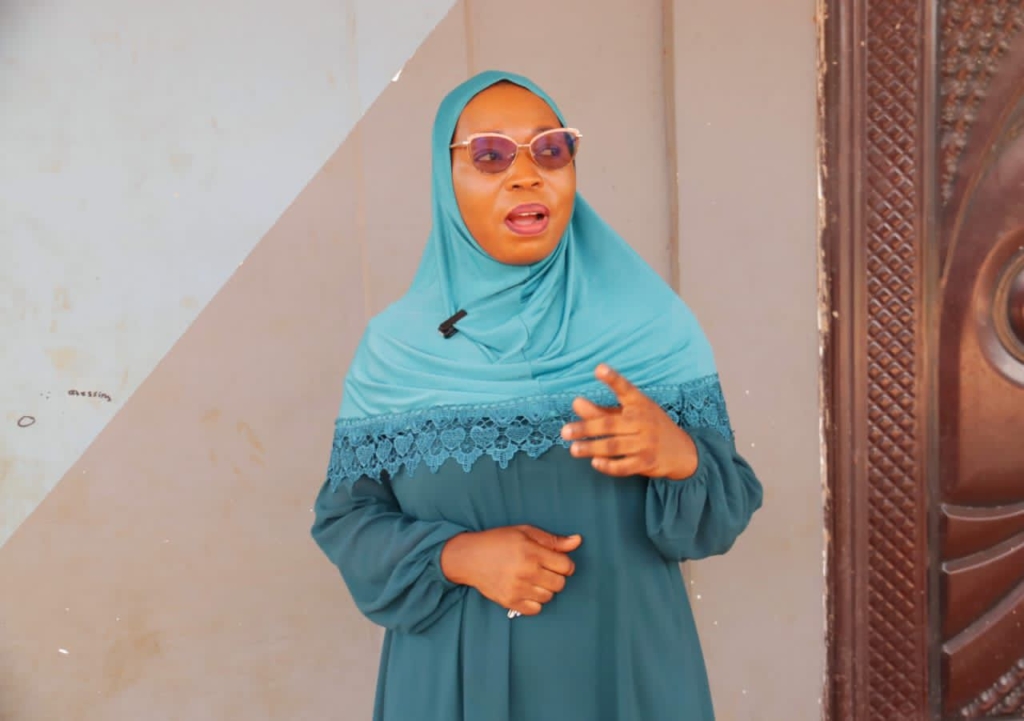
Ellen White Opoku - 2023 Joy News Impact Makers Awardee

Ellen White Opoku – 2023 Joy News Impact Makers Awardee

The core message was unequivocal: prioritise education, reject child marriage, and speak out.

“Your exams are your passport to freedom. Child marriage is a dead-end street trapping your dreams,” declared the Girl Child Coordinator, Ellen White Opoku.

“If you see it, hear it, or face it – report it immediately to your teachers, authorities, or our Foundation. Your voice is your strongest shield.” She added.

The gathering took a deeply emotional turn when Nana Ama Asantewaa Munufie, Queenmother of the Hansua Traditional Area, took the podium. Linking the lack of menstrual hygiene products directly to devastating vulnerability and exploitation, she delivered a raw and urgent plea to parents.

Breaking the cycle: School girls in Techiman unite against child marriage, demand menstrual dignity

Nana Ama Asantewaa Munufie – Queenmother, Hansua

“When your daughter bleeds, it is life, not shame! Denying her sanitary pads is leaving her naked to predators!” Queenmother Munufie stated forcefully.

She recounted a tragedy from her own community: “A young girl, desperate and ashamed during her menses. A man saw her need. He offered to buy her pads… and stole her innocence. He took advantage of the situation and impregnated her. This horror is our collective failure when we neglect this basic need!”

Her testimony laid bare the dangerous intersection of period poverty and sexual exploitation – a pathway that can lead directly to forced child marriages.

Queenmother Munufie’s call extended beyond parents as she called on Philanthropists and NGOs to intervene by supporting vulnerable girls with sanitary products, which are essential in keeping girls safe and healthy.

Metropolitan Girl Child Coordinator Ellen White Opoku emphasised that tackling child marriage requires addressing its root causes, including the vulnerabilities exacerbated by menstrual poverty.

The event combined awareness-raising on reporting mechanisms with practical discussions on menstrual health management, weaving a stronger safety net for the attendees.

This gathering highlights the critical, often overlooked link between menstrual dignity and the prevention of child marriage and exploitation.

The Queenmother’s firsthand account provides undeniable evidence of how the simple lack of sanitary pads can have catastrophic consequences, derailing education and trapping girls in cycles of vulnerability. The unified call for the government’s free pad policy to become an immediate reality adds significant weight to a growing national demand.

terms and conditions for using Rokmer Pharma’s website

Support children battling cancer -Lifeline for Childhood Cancer appeals

Support children battling cancer -Lifeline for Childhood Cancer appeals

In Ghana, the survival rate for children diagnosed with cancer remains alarmingly low, even though nearly 80% of childhood cancers are curable. The main obstacles are a severe lack of adequate treatment facilities and overwhelming financial burdens that prevent many families from accessing care.

The Executive Director of Lifeline for Childhood Cancer Ghana, Akua Sarpong, is calling on individuals, businesses, and faith-based organizations to rally behind children bravely fighting cancer as they embark on a 48-bed pediatric cancer care facility at Korle Bu Teaching Hospital.

Support children battling cancer -Lifeline for Childhood Cancer appeals

For years, Lifeline for Childhood Cancer Ghana has lived up to providing essential support and treatment for children at the Korle Bu Teaching Hospital (KBTH). Now, the organisation is embarking on its most ambitious mission – the construction of a 40-bed pediatric cancer care facility at Korle-Bu Teaching Hospital. This new center will more than double the current treatment capacity, giving hundreds of young patients a renewed chance at life.

According to Madam Sarpong, they are looking forward to raising an amount of $1.1 million to complete the project, adding that the project construction has reached the third floor and the next milestone is roofing.

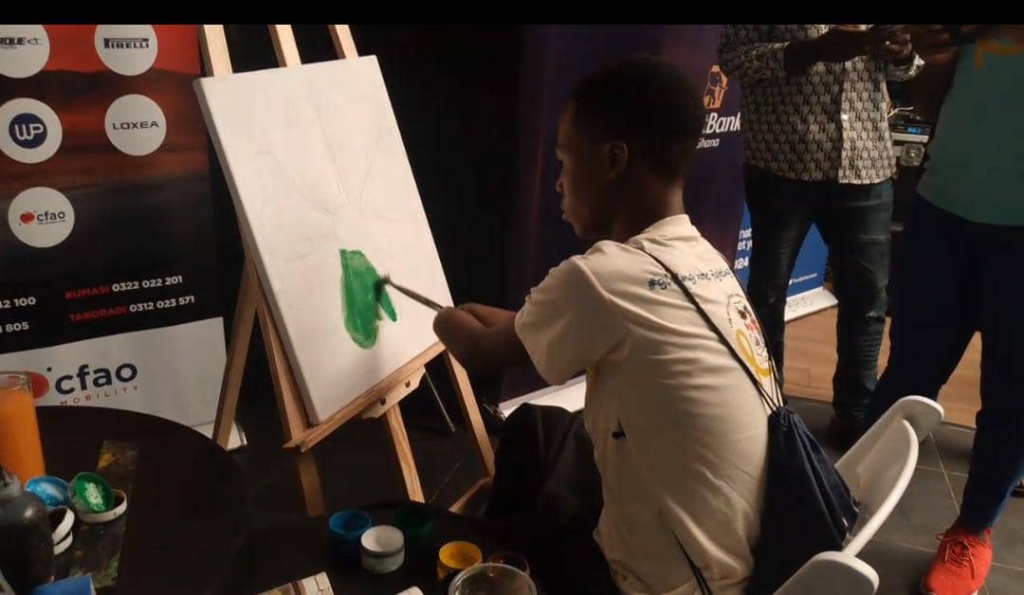
She shared this update at a recent art auction fundraiser, hosted in collaboration with Mercedes-Benz CFAO Showroom, under the theme: “Little Hands, Big Dreams, A Children’s Art Exhibition for Pediatric Cancer Care.”

She also highlighted a sobering reality that Ghana sees an estimated 1,500 new childhood cancer cases each year, yet fewer than 500 are diagnosed.

The primary reason, she noted, is due to a lack of space, awareness, and resources, adding that the new facility aims to change that.

“Beyond treatment, Lifeline empowers children through art therapy and supports their families by teaching income-generating skills. We’re not just providing medical care—we’re offering hope, healing, and dignity.”

terms and conditions for using Rokmer Pharma’s website

Parliament approves GHS10 billion for National Health Insurance Authority

Parliament approves GHS10 billion for National Health Insurance Authority

Parliament of Ghana on Friday approved the 2025 formula for the National Health Insurance Fund (NHIF), allocating 10 billion Ghana Cedi to the Fund.

The NHIF provides financial backing for the National Health Insurance Scheme (NHIS), a social intervention programme intended to provide access to healthcare for all Ghanaians.

The National Health Insurance Authority (NHIA) is the government agency that manages the NHIF and ensures that the citizens are adequately catered for under the NHIS.

The proposed formula for the disbursement of the Fund are as follows: 2025 claims of GHc6.5 billion (65.1%), National Health Insurance Authority’s operational expenses of GHc1.2 billion (12.3%), support to the National Health Insurance Scheme District offices amounting to GHc124 million (1.2%) and GH¢984 million allocated to the Ministry of Health, representing 9.8 per cent.

Addressing the media in Parliament House in Accra on Friday, Mr Kwabena Mintah Akandoh, the Minister of Health, said in 2024, six billion Ghana cedi was allocated to the NHIF, therefore allocating GH¢10 billion to the Fund this year would witness an increase in resource allocation.

The Minister explained that due to the uncapping of the NHIF in the 2025 Budget, the excess funds would be directed to supporting primary healthcare, fill the revenue gap created by withdrawal of donor support to the health sector and other portions would go to support the Ghana Trust  Fund, otherwise known as ‘Mahama Care’.

Mr Akandoh indicated that beyond the aforementioned allocations, the NHIF would also allocate funds towards dialysis treatment under the NHIS.

The Mahama-led Government had also put in place a policy framework for dialysis treatment in the country, the Minister stated.

Mr Akandoh noted that available statistics showed 45 per cent of mortality in the country was as a result of non-communicable diseases (NCDs), therefore, the Mahama Care initiative would provide funding for chronic NCDs including stroke and kidney infections.

The National Health Insurance Fund (NHIF) is funded through a combination of the National Health Insurance Levy (NHIL), Social Security and National Insurance Trust (SSNIT) contributions, and returns on NHIF investments. 

The NHIF ensures that the National Health Insurance Scheme (NHIS) established by government in 2003 provide financial access to quality healthcare for Ghanaians. 

terms and conditions for using Rokmer Pharma’s website

Dr. Elton Afari crowned Best CEO in Private Health Insurance at Ghana CEO Summit 2025

Dr. Elton Afari crowned Best CEO in Private Health Insurance at Ghana CEO Summit 2025

Dr Elton Fredrick Afari, Chief Executive Officer of Equity Health Insurance, has been honoured as the CEO of the Year in the Private Health Insurance category at the 9th Ghana CEO Summit held on 26 May 2025 at the Kempinski Hotel Gold Coast City, Accra.

The Ghana CEO Summit is a premier annual event that brings together top executives, policymakers, and industry leaders to discuss strategies for economic transformation and sustainable business practices.

The 2025 summit, themed “Leading Ghana’s Economic Reset: Transforming Business and Governance for a Sustainable Futuristic Economy,” focused on fostering public-private collaboration and promoting innovative leadership.

Dr. Elton Afari crowned Best CEO in Private Health Insurance at Ghana CEO Summit 2025

Dr Afari’s recognition stems from his exemplary leadership at Equity Health Insurance, where he has spearheaded initiatives to expand access to quality healthcare services across Ghana. Under his guidance, the company has seen significant growth, introducing innovative insurance plans tailored to various demographics and investing in technology to streamline services.

In his acceptance remarks, Dr Afari expressed gratitude to his team and stakeholders, stating, “This honour is a testament to the unwavering dedication of the entire Equity Health Insurance team. It reflects our commitment to making quality healthcare accessible to all.

Dr. Elton Afari crowned Best CEO in Private Health Insurance at Ghana CEO Summit 2025

The award adds to Dr Afari’s accolades, including Equity Health Insurance being named the Best Growing Private Health Insurance Company of the Year at the 7th Ghana Insurance Awards in 2024.

Dr Afari holds a Doctor of Business Administration degree from the Nobel International Business School in Accra, Ghana, and has been recognized for his contributions to entrepreneurship and mentorship in the healthcare sector.