Rokmer Pharma Ltd

admin

terms and conditions for using Rokmer Pharma’s website

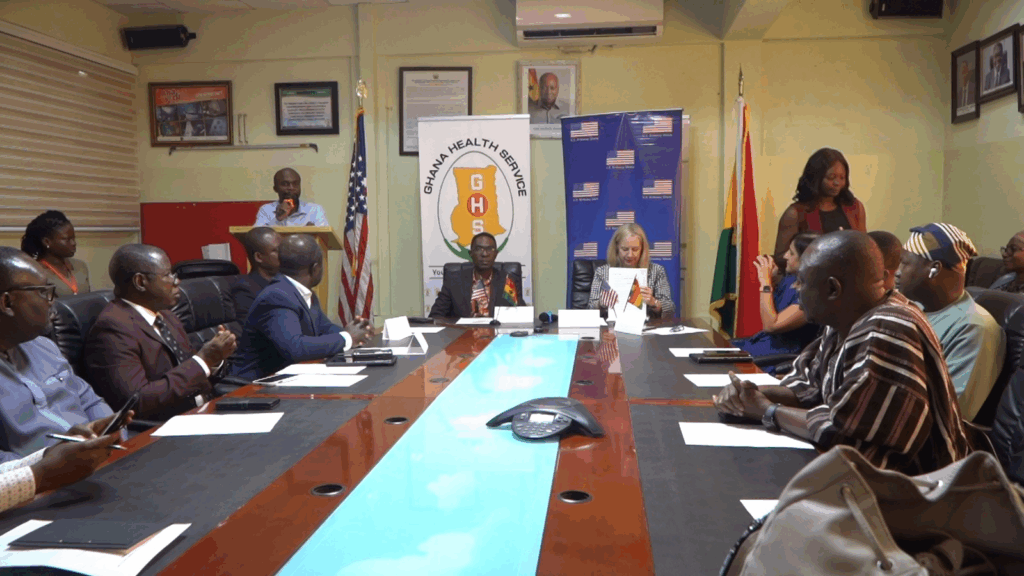
U.S. government donates 10 liquid oxygen plants to GHS

One of the oxygen plants at the LEKMA Hospital, Teshie, Accra

The United States government, in collaboration with its implementing partner Jhpiego, has donated 10 modern liquid oxygen plants to the Ghana Health Service.

The initiative brings newfound hope to newborns, mothers, and patients suffering from respiratory complications, marking a pivotal advancement in the nation’s healthcare landscape.

The commissioning of these oxygen plants, the ceremony of which was held at the LEKMA Hospital at Teshie near Accra, addresses an urgent need for an improved medical oxygen ecosystem in Ghana, which previously faced serious challenges in providing adequate respiratory support.

The rest of the plants are to be established in selected health facilities across the regions.

With this critical support, healthcare providers can ensure that patients receive timely and necessary oxygen treatment, ultimately saving lives.

Speaking at the commissioning ceremony, Rolf Olson, the Chargé d’Affaires at the U.S. Embassy, emphasised the ongoing commitment of the United States to enhance healthcare self-reliance in Ghana.

He reflected on previous support during the COVID-19 pandemic, highlighting collaboration across various sectors to strengthen the healthcare system and improve outcomes for patients.

Dr. Ebo Hammond, the Director of Health Administration and Support Services at the Ghana Health Service, shared insights on the impact of this strategic intervention, and noted that the placement of oxygen tanks and Pressure Swing Absorption (PSA) plants has significantly reduced the distance that medical personnel need to travel for oxygen supplies—from an average of 1,750 kilometers to just over 750 kilometers.

This reduction not only streamlines operations but also enhances the availability of oxygen, which is crucial for patient care.

Dr. Hammond commended the U.S. government for its commitment to training healthcare personnel, emphasising that such initiatives are instrumental in building capacity within the Ghanaian healthcare system.

terms and conditions for using Rokmer Pharma’s website

World’s only twice-a-year shot to prevent HIV could stop transmission – if people can get it

World’s only twice-a-year shot to prevent HIV could stop transmission - if people can get it

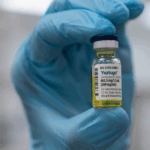
The U.S. has approved the world’s only twice-a-year shot to prevent HIV, the first step in an anticipated global rollout that could protect millions, although it’s unclear how many in the U.S. and abroad will get access to the powerful new option.

While a vaccine to prevent HIV still is needed, some experts say the shot made by Gilead Sciences — a drug called lenacapavir — could be the next best thing. It nearly eliminated new infections in two groundbreaking studies of people at high risk, better than daily preventive pills they can forget to take.

“This really has the possibility of ending HIV transmission,” said Greg Millett, public policy director at amfAR, The Foundation for AIDS Research.

Condoms help guard against HIV infection if used properly, but what’s called PrEP — regularly using preventive medicines such as the daily pills or a different shot given every two months — is increasingly important. Lenacapavir’s six-month protection makes it the longest-lasting type, an option that could attract people wary of more frequent doctor visits or stigma from daily pills.

But upheaval in U.S. healthcare — including cuts to public health agencies and Medicaid — and slashing of American foreign aid to fight HIV are clouding the prospects.

Millett said “gaping holes in the system” in the U.S. and globally “are going to make it difficult for us to make sure we not only get lenacapavir into people’s bodies but also make sure they come back” twice a year to keep up their protection.

Gilead’s drug is already sold to treat HIV under the brand name Sunlenca. The prevention dose will be sold under a different name, Yeztugo. It’s given as two injections under the skin of the abdomen, leaving a small “depot” of medication to slowly absorb into the body.

People must test negative for HIV before getting their twice-a-year dose, Gilead warned. It only prevents HIV transmission — it doesn’t block other sexually transmitted diseases. Some researchers who helped test the shot advise cold packs to counter injection-site pain.

Global efforts at ending the HIV pandemic by 2030 have stalled. There are still more than 30,000 new infections in the U.S. each year and about 1.3 million worldwide.

Only about 400,000 Americans already use some form of PrEP, a fraction of those estimated to benefit. A recent study found that states with high use of PrEP saw a decrease in HIV infections, while rates continued rising elsewhere.

About half of the new infections are in women, who often need protection they can use without a partner’s knowledge or consent. One rigorous study in South Africa and Uganda compared more than 5,300 sexually active young women and teen girls given twice-yearly lenacapavir or the daily pills. There were no HIV infections in those receiving the shot, while about 2% in the comparison group caught HIV from infected sex partners.

A second study found the twice-yearly shot nearly as effective in gay men and gender-nonconforming people in the U.S. and in several other countries hard-hit by HIV.

Ian Haddock of Houston had tried PrEP off and on since 2015, but he jumped at the chance to participate in the lenacapavir study and continues with the twice-yearly shots as part of the research follow-up.

“Now I forget that I’m on PrEP because I don’t have to carry around a pill bottle,” said Haddock, who leads the Normal Anomaly Initiative, a nonprofit serving Black LGBTQ+ communities.

“Men, women, gay, straight – it really just kind of expands the opportunity for prevention,” he added. Just remembering a clinic visit every six months “is a powerful tool versus constantly having to talk about, like, condoms, constantly making sure you’re taking your pill every day.”

Gilead said the U.S. list price, meaning before insurance, is $28,218 a year, which it called similar to some other PrEP options. The company said it anticipated insurance coverage but also has some financial assistance programs.

Most private insurers are supposed to cover PrEP options without a co-pay, although the Supreme Court is considering a case that could overturn that requirement. Congress is also considering huge cuts to Medicaid.

And while community health centres still are an option, the Trump administration has largely dismantled HIV prevention work at the Centres for Disease Control and Prevention that would normally get the message to vulnerable populations who’d qualify for the shot, said Carl Schmid of the nonprofit HIV+Hepatitis Policy Institute.

Schmid worries the shot won’t meet its potential because “we’re basically pulling the rug out of HIV prevention and testing and outreach programs.”

Gilead also has applications pending for the twice-yearly shot in other countries. Last fall, the company signed agreements with six generic drug makers to produce low-cost versions of the shot for 120 poor countries, mostly in Africa, Southeast Asia and the Caribbean.

Gilead plans to make enough shots to supply 2 million people in those countries, at no profit, until the generics are available, said company senior vice president Dr. Jared Baeten.

Winnie Byanyima, executive director of UNAIDS, said in a statement that the price is still too high. If it’s unaffordable, she said, “it will change nothing.”

And HIV experts worry the arrangements Gilead has made to reduce costs in some countries leave out middle-income countries like some in Latin America.

“Everyone in every country who’s at risk of HIV needs access to PrEP,” said Dr. Gordon Crofoot of Houston, who helped lead the study in men. “We need to get easier access to PrEP that’s highly effective, like this is.”

terms and conditions for using Rokmer Pharma’s website

Standard Chartered empowers next generation of girls to embrace their periods proudly

Standard Chartered empowers next generation of girls to embrace their periods proudly

Every month, over one billion girls and women around the world experience menstruation, yet for many, this natural biological process is shrouded in stigma, misinformation, and cultural misconceptions.

In communities where access to menstrual hygiene products and education remains limited, young girls risk exclusion, embarrassment, and even missing out on their education.

Recognising the need to change this narrative, Standard Chartered Bank, in partnership with United Way Ghana, organised a menstrual health awareness session dubbed ‘Her Wellness Hub’ at the Pantang Presby Basic School to mark World Menstrual Health Day. The session provided a safe space for young girls to learn, ask questions, and openly discuss menstruation without shame.

Medical practioner and health advocate, Dr. Hanna-Lisa Tetteh, led an interactive session debunking harmful menstrual myths such as the belief that girls should not bathe during their period or that menstruation is a curse. She emphasised the importance of good hygiene practices, from regular bathing to proper use of sanitary pads and demonstrated how to properly wear a pad.

The conversation extended beyond physical care, addressing the emotional and social challenges many young girls face during menstruation, especially in spaces where boys and even adults may not be sensitised. Students bravely shared personal experiences of discomfort and stigma, highlighting the pressing need for more period-positive conversations in schools, homes, and communities.

Female staff from Standard Chartered joined breakout sessions, offering mentorship and candidly answering the girls’ questions about growing up, managing their period in public spaces, and navigating insensitive cultural beliefs. Their presence not only fostered connection but underscored the Bank’s sincere commitment to girl-child empowerment.

To ensure that no girl is left behind due to a lack of resources, Standard Chartered distributed dignity kits including locally made sanitary pads, shaving sticks, and new underwear to all girls present at the event. The Bank also donated additional pads to the school for future use.

“Periods are not a curse. They’re a normal part of life, and no girl should feel ashamed because of it,” remarked one of the students, echoing the importance of the initiative in changing the way menstruation is viewed in communities.

This event is one of many under Standard Chartered’s social impact initiatives, reinforcing the Bank’s mission to empower communities and champion inclusion, especially for young girls who represent Ghana’s future leaders.

terms and conditions for using Rokmer Pharma’s website

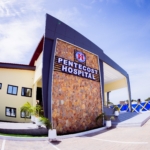
Ultramodern Pentecost Hospital opens in Bolgatanga

Ultramodern Pentecost Hospital opens in Bolgatanga

Residents of Bolgatanga, the capital of Ghana’s Upper East Region, and surrounding communities have heaved a sigh of relief following the inauguration of the ultra-modern Pentecost Hospital at Kumbagre, a suburb of Bolgatanga.

The 35-bed, AI-powered facility, an initiative of The Church of Pentecost, arrives at a critical time, as the region continues to grapple with limited access to quality healthcare. According to the 2022 Ghana Demographic and Health Survey, only 60% of births in the region were attended by skilled health personnel, and antenatal care coverage remains below national targets.

The new Pentecost Hospital is expected to ease the burden on existing health infrastructure and improve health outcomes, particularly in maternal and child health, in a region where healthcare access has long been a challenge.

The facility was commissioned and dedicated by the Chairman of The Church of Pentecost and President of the Ghana Pentecostal and Charismatic Council, Apostle Eric Nyamekye, assisted by traditional leaders, officials of the Ghana Health Servicew, government functionaries and top security offiicals in the region.

The AI Hospital Advantage

Beyond its impressive physical infrastructure, the Pentecost Hospital stands out as an ‘AI hospital.’ This designation signifies its integration of artificial intelligence technologies aimed at enhancing diagnostics, improving clinical decision-making, and streamlining patient management.

In a region facing workforce challenges, AI can augment the capabilities of healthcare providers, assist in early disease detection through medical imaging analysis, and potentially facilitate remote consultations, thus expanding reach to underserved communities. This aligns with Ghana’s national AI strategy, which seeks to leverage technology for improved public health delivery.

The 35-bed facility is equipped with advanced medical technologies and will offer a comprehensive range of services, including general outpatient and inpatient care, emergency services, maternity care, and various specialised clinics.

How the journey began

The journey to this significant milestone began in 2017, ignited by a harrowing car accident involving a pastor of the Church and his family. The subsequent 16-hour ordeal to transfer the critically injured to distant hospitals underscored the dire need for accessible, quality healthcare in Bolgatanga. This spurred the Church’s Bolgatanga Area Executive Committee, then led by Apostle Wilberforce Nkrumah Agyeman (current Area Head for Teshie-Nungua), to envision a local clinic, a vision that rapidly expanded under the Church’s broader societal transformation agenda (Vision 2028).

Bridging the Healthcare Gap

The Upper East Region currently grapples with significant healthcare challenges, including a severe shortage of medical professionals (one doctor for every 24,124 patients, one nurse for every 313 patients), inadequate infrastructure, and limited access to essential medical supplies, particularly in rural areas. High attrition rates among health professionals further exacerbate these issues. The Pentecost Hospital arrives as a critical intervention.

‘This region has long struggled with access to quality healthcare,’ stated a local health official, adding, ‘The arrival of a facility of this caliber is truly transformative.’

A Lasting Legacy

As the doors of Pentecost Hospital opens, it is poised to significantly alleviate healthcare burdens in the Upper East Region, serve the broader Northern regions of Ghana, and potentially extend its impact to neighbouring countries like Burkina Faso. It stands as a powerful testament to The Church of Pentecost’s commitment to compassionate healthcare, promising to be a place where lives are saved, health is restored, and dignity is upheld, marking a new era of hope and healing for the people.

terms and conditions for using Rokmer Pharma’s website

U.S. gov’t donates motorcycles to boost Ghana’s community health services

U.S. gov't donates motorcycles to boost Ghana’s community health services


The United States Government has donated more than 90 motorcycles to the Ghana Health Service (GHS) as part of a concerted effort to enhance community health delivery, particularly in remote and underserved areas of the country.

Speaking at the GHS headquarters in Accra on June 16, USAID Ghana Mission Director, Madam Kimberly Rosen, emphasised the importance of reliable transportation in primary healthcare delivery.

“Community outreach is the backbone of Ghana’s primary health care system, but without reliable transport, frontline workers cannot reach the households that need them most,” she said.

Apart from the donation to the Ghana Health Service, an additional 14 were also given to the Christian Health Association of Ghana.

The donation, according to Madam Kimberly Rosen aims to bridge transportation gaps faced by frontline health workers who provide vital services such as antenatal care, malaria prevention, nutrition counselling, and child welfare outreach.

The latest donation forms part of the broader U.S. support for Ghana’s health sector. Over the past three years, the United States has contributed more than 300 motorcycles, 22 vehicles, and over 3,000 electronic tablets to the GHS.

U.S. gov't donates motorcycles to boost Ghana’s community health services

In addition, two boats were donated and another refurbished for health service delivery in the Oti, Volta, and Western Regions.

Also, a $1.7 million investment has been channelled into health equipment in partnership with regional health directorates in northern Ghana.

This initiative seeks to improve maternal, newborn, and child health services by strengthening life-saving interventions at the grassroots level.

The United States’ long-standing partnership with Ghana has also played a crucial role in combating malaria. Over the past 15 years, Ghana has seen a two-thirds reduction in malaria-related deaths.

Among children under five, malaria prevalence has dropped from one in four in 2010 to one in ten today.

The U.S. is increasingly engaging with Ghana through commercial ventures such as Zipline, an American drone delivery company. Zipline’s drones now supply vaccines, blood, and other essential medical materials to more than 500 health facilities across Ghana—enhancing access, creating jobs, and spurring local investment.

The U.S. officials expressed deep gratitude to Ghana’s Community Health Officers and Volunteers, acknowledging the daily sacrifices they make in challenging conditions.

“Your work is exhausting, and it is not easy—the roads are bumpy and sometimes flooded, the days are long, and you often make personal sacrifices to serve in communities far from home,” she noted.

U.S. gov't donates motorcycles to boost Ghana’s community health services

The donation forms part of the Integrated Health Partnership—a $40 million U.S.-funded initiative in collaboration with the Ghana Health Service, Project HOPE, and CHAG, spanning the health, education, and agriculture sectors.

Director of Health Administration and Support Services at GHS, Mr Ebo Hammond welcomed the donation with appreciation.

He described the motorcycles as more than mere transport—they are “critical health tools” in the fight to improve access to quality care.

“A single motorbike equipped with a vaccine carrier and a dedicated nurse can mean the difference between life and death in some of our most remote communities,” Mr Hammond remarked.

He emphasised the role the motorcycles would play in vaccine delivery, disease surveillance, and health education, particularly in areas inaccessible by vehicles.

He also praised the continued collaboration with USAID, especially their support for Ghana’s oxygen infrastructure during the COVID-19 pandemic.

According to Mr Hammond, investments by USAID have already reduced the average distance hospitals must travel to access medical-grade oxygen from 1,850 kilometres to 850 kilometres.

The target is to reduce this further to under 400 kilometres with the installation of ten new liquid oxygen plants across the country.

He expressed gratitude to the U.S. government and its partners for their unwavering support, noting that their contributions are helping Ghana build a more inclusive and resilient health system.

Both governments reaffirmed their commitment to strengthening primary healthcare systems, ensuring that quality care is delivered as close as possible to individuals, families, and communities.

terms and conditions for using Rokmer Pharma’s website

Queen mothers trained to fight vaccine misconceptions across Ghana

Queen mothers trained to fight vaccine misconceptions across Ghana

In the bid to improve public trust in vaccines and reduce health misinformation, the Ghana Coalition of NGOs in Health has begun a new initiative of training queen mothers to serve as vaccine ambassadors in their communities.

The initiative brings together revered female traditional leaders from across the country who will now champion vaccine education in thousands of Ghanaian communities.

As Ghana continues efforts to boost immunization coverage, queen mothers are being enlisted as powerful advocates for vaccine awareness.

The Ghana Coalition of NGOs in Health is training these respected traditional leaders to educate their communities on the importance of vaccines and dispel long-standing myths that have hindered uptake.

According to National Vice Chairman of the Coalition, Ninsau Darku Alazer, queen mothers were deliberately selected because of the authority and trust they command.

“Queen mothers are people we believe carry the tradition, they carry the authority and also carry respect. When they approach any person, whether man, woman or child about any health related issue, they will pay attention to them than a health worker,” he noted.

The project is expected to reach over 10,000 communities in 100 districts. Queen mothers will be supported with funds to help them move between towns and lead health-focused engagements.

“They are going to work in about 100 districts in the whole country in 10,000 communities. Every district has 10 health centers. We gave a baseline for routine immunization and we expect that with their efforts and addition, at the end of the project, we will give them some small funding, to carry out the job, the mobility, and travels to give talks here and there,” he said.

Queen mother of Bekwai, Nana Adwoa Pinaman, said she came to the realization that traditional methods once used in her community were harmful after the training sessions.

“They started this program about 3 years ago. It has really helped us because back then, measles killed babies. We used to give them ‘akpeteshi’ and ‘nyamedua’ and they end up dying. But when we started this, all that stopped,” she stated.

From the Savannah Region, Hajia Dr. Kansawurche Zara Bukari shared feedback from her region.

“You can see that the women are now receiving it well. At first, due to misconceptions that if you immunize your child, the child will be sick, some may even die. But going forward, now we can see that there is great improvement in the immunization coverage as far as my region is concerned,” she expressed.

In addition to this grassroots mobilization, the Coalition plans to train 500 Community Information Centres to fight misinformation on air, especially in local dialects.

“When false information is shared on those platforms, it’s believed instantly. So, we need them trained to speak truth backed by health facts,” Mr. Alazer emphasized

terms and conditions for using Rokmer Pharma’s website

Six new Mpox cases confirmed in Ghana, total rises to 91

Six new Mpox cases confirmed in Ghana, total rises to 91

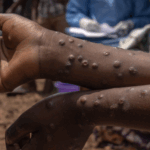
The Ghana Health Service (GHS) has announced six new Mpox infections, raising the total number of confirmed cases in the country to 91. 

According to health officials, two of the newly infected patients are currently hospitalised and are under close medical supervision.

Contact tracing efforts are actively underway to identify individuals who may have been exposed, as part of measures to limit further transmission.

The recent uptick in cases has sparked growing public anxiety. In response, the Ghana Health Service has urged the public to remain calm while assuring that the situation is under control.

In a public health advisory, the GHS reiterated the need for vigilance and personal hygiene.

“We encourage the public to avoid close contact with anyone showing symptoms of Mpox, especially those with unexplained rashes, and to report any symptoms to the nearest health facility immediately,” the statement read.

Authorities also stressed the importance of preventive measures such as frequent handwashing, proper sanitation, and early detection to curb the spread of the virus.

The Ghana Health Service is continuing surveillance and community education campaigns to protect the population and prevent further infections.

terms and conditions for using Rokmer Pharma’s website

Focus on Sickle Cell Foundation to hold national forum and free testing in Winneba on World Sickle Cell Day

Focus on Sickle Cell Foundation to hold national forum and free testing in Winneba on World Sickle Cell Day

In commemoration of World Sickle Cell Awareness Day, the Focus on Sickle Cell Foundation is set to host a national forum on Thursday, June 19, at the Jophus Anamuah-Mensah Conference Centre at the University of Education, Winneba.

Speaking on the JoyNews AM Show, the Founder of the foundation, Akokoa Mpaninsem, emphasised the importance of the event in raising public consciousness about Sickle Cell Disease and promoting early detection and care.

“This forum is not just a gathering, it is a national call to action,” said Mpaninsem. “We are committed to educating the public, encouraging early testing, and supporting those affected by sickle cell across the country.”

The event will be held under the Foundation’s official slogan, “Stronger Together: Fighting Sickle Cell Disease,” reflecting its mission to unite individuals, families, and institutions in the ongoing battle against the genetic condition.

In collaboration with the Trauma and Specialist Hospital in Winneba, the Foundation will offer free sickling and genotype testing to all who attend the forum.

The initiative aims to provide people with vital information about their genetic status, especially young adults and couples preparing for marriage or parenthood.

“We are inviting everyone in and around Winneba to take advantage of this opportunity. Knowing your genotype can save lives and prevent future suffering,” Mpaninsem added.

terms and conditions for using Rokmer Pharma’s website

Moving Health and Trotula Fund equip Tumu midwifery college

Moving Health and Trotula Fund equip Tumu midwifery college

Moving Health, an organisation known for manufacturing tricycle ambulances to serve rural communities in Ghana since 2020, has reaffirmed its commitment to maternal healthcare through targeted training and equipment support.

With financial backing from the Trotula Fund, which champions initiatives to enhance the well-being of women and girls, Moving Health recently sponsored a two-part capacity-building programme for midwives and midwifery students in Tumu, Upper West Region.

Moving Health and Trotula Fund equip Tumu midwifery college

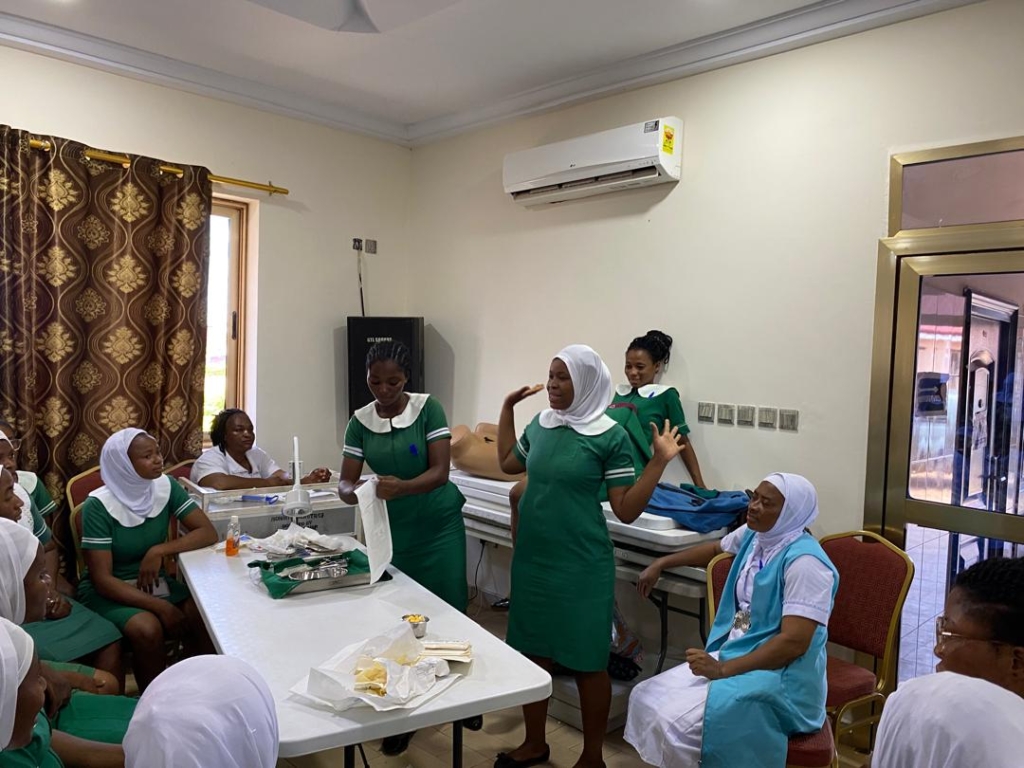
Held on 15th and 30th May 2025, the training sessions focused on the Manual Removal of Retained Placenta and Manual Vacuum Aspiration (MVA).

Organised in collaboration with the Midwifery Training College in Tumu, the programme aimed to equip participants with vital life-saving skills.

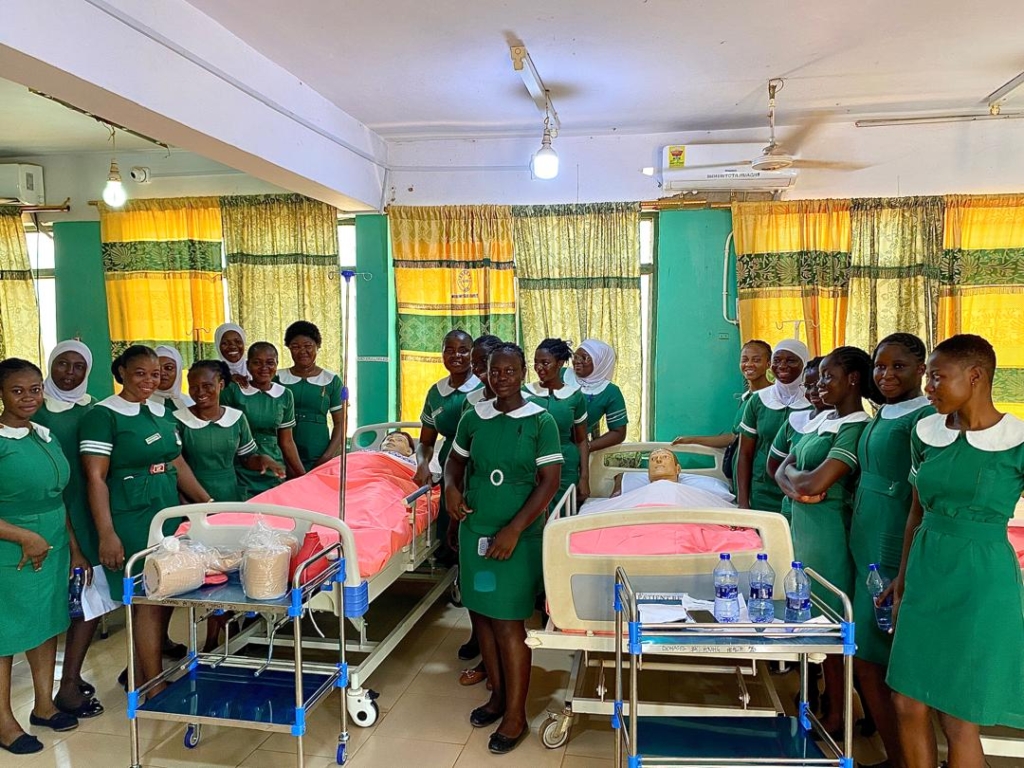
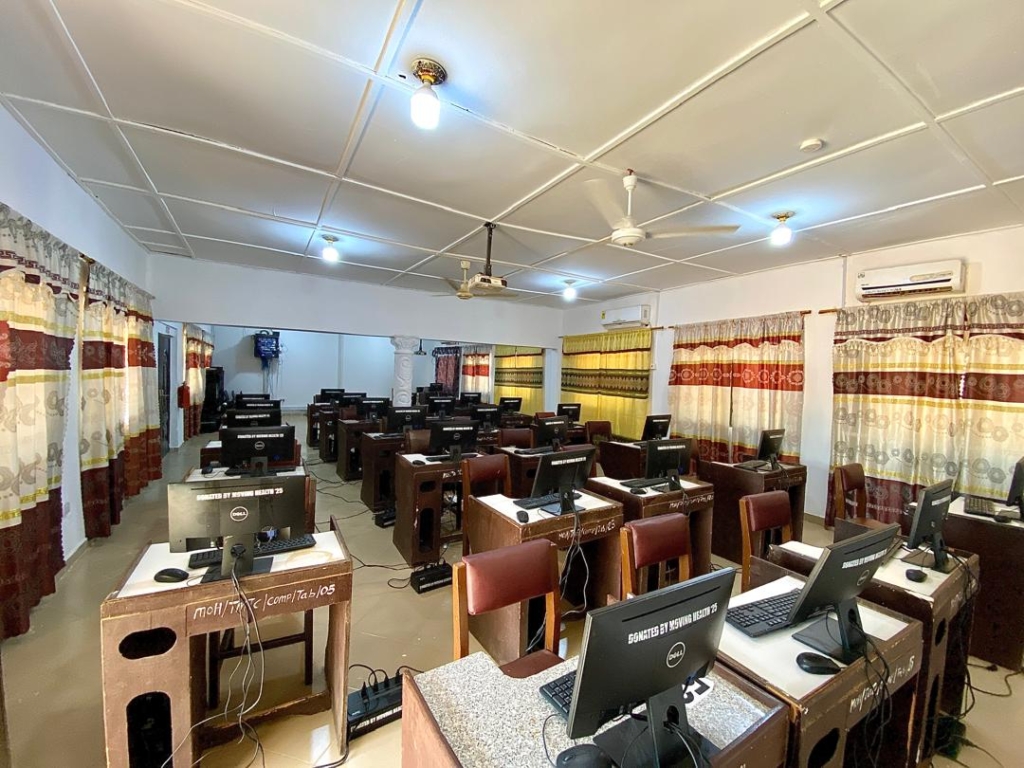
In a parallel gesture of support, Moving Health and its partners donated essential medical equipment and IT resources valued at GHC 250,000 to the College.

Items included hospital and delivery beds, an autoclave machine, CPR and automated pregnant manikins, 25 desktop computers, and 14 UPS units to enhance hands-on learning for future midwives.

Moving Health and Trotula Fund equip Tumu midwifery college

The donation ceremony witnessed the presence of key local health and administrative leaders, including the Principal of the College, Mary Saratu Adamah; Medical Superintendent of Tumu Municipal Hospital, Dr Ayariga Joshua Amikiya; Sissala East District Health Director, Dr Clifford Vengkungmene; and Coordinating Director of the Sissala East Municipal Assembly, Abubakari Musah.

As the training concluded, midwives took on mentoring roles, leading students through practical sessions, a symbolic moment of empowerment.

Moving Health and Trotula Fund equip Tumu midwifery college

Moving Health and the Trotula Fund have pledged to continue the training programme for the next two years, envisioning it as a cornerstone in building a safer and more responsive maternal care system across the district and beyond.

terms and conditions for using Rokmer Pharma’s website

UGBS, CIHRM Ghana hold corporate health walk to support HRM professorial chair fundraising

UGBS, CIHRM Ghana hold corporate health walk to support HRM professorial chair fundraising

The University of Ghana Business School (UGBS) and the Chartered Institute of Human Resource Management, Ghana (CIHRM), have organised a corporate health walk as part of their awareness creation and fundraising campaign for Ghana’s first Human Resource Management (HRM) Professorial Chair.

The health walk, which brought together Chief Executive Officers, HR practitioners of CIHRM, faculty members of UGBS, and students, heightened awareness of the need to engage in moderate physical exercise to improve general well-being and productivity.

It also served as a platform to appeal to the general public for support towards raising the funds required to ensure the smooth operation of the Chair.

Speaking at the event, the Chairperson of the Fundraising Committee, Dr (Mrs) Ellen Hagan, reiterated the need for all sectors in Ghana to embrace the Chair as a catalyst for national development through cutting-edge research, innovation and human capital policy guidance.

Dr Hagan added that fundraising activities for the HRM Professorial Chair would continue throughout the year, and urged public and private sector institutions, as well as individuals, to contribute towards this laudable national agenda.

Other important activities scheduled following the corporate health walk include a presentation at the CIHRM’25 Conference, engagements with policymakers, an HR Community Brunch, engagements with Chief Executive Officers and Managing Directors, and a series of public lectures.

During the CIHRM’25 Conference, scheduled for Wednesday 18 June to Thursday 19 June 2025 at the Alisa Hotel in Accra, Dr (Mrs) Ellen Hagan will unpack the critical role of the HRM Professorial Chair in advancing national development and growth.

UGBS and CIHRM are encouraging the media, the HR community, policymakers, industry players and the general public to embrace this landmark initiative, which is poised to transform the HRM landscape in Ghana and elevate the performance of organisations and institutions across the country.