Rokmer Pharma Ltd

admin

terms and conditions for using Rokmer Pharma’s website

Health Ministry creates Donation Desk to aid tax exemptions on medical equipment and materials
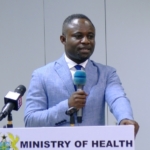
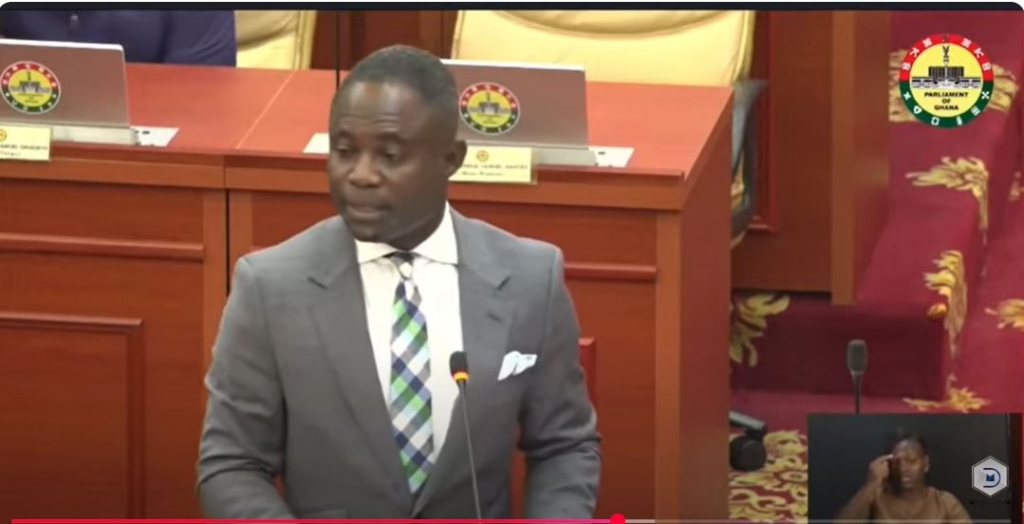
Minister of Health, Kwabena Mintah Akandoh

The Ministry of Health has established a Donation Desk to support philanthropists and corporate entities wishing to donate medical equipment and materials from outside Ghana.

Mr Kwabena Mintah Akandoh, the Minister of Health, announced this to the Parliamentary press corps in Accra on Tuesday, explaining that the initiative would enable the Ministry to pursue tax waivers on such equipment or materials for the collective benefit of the Ghanaian people.

He encouraged interested individuals and organisations to contact the Donation Desk via the hotline: 0204611611 for assistance.

Earlier, the Health Minister briefed Parliament on the COVID-19 outbreak at the University of Ghana campus and assured Ghanaians that there was no cause for panic, as a robust surveillance system was in place to contain the outbreak.

He reported that there were 316 suspected cases of the Omicron variant and 107 confirmed cases at the university campus, but no deaths or hospital admissions had been recorded.

“Mr Speaker, I want to assure Ghanaians that this is not a new virus, and we are not back in 2020. This Omicron variant has been with us before. It spreads fast, yes, but it is mostly mild. And we know how to manage it,” Mr Akandoh said.

He explained that the outbreak was localised and had not spread widely to Accra communities or other parts of the country.

The Minister reaffirmed the government’s commitment to provide all necessary support, including stockpiling vaccines and PPEs, to help the university manage the situation.

Following investigations, the Ministry found that recent Hall Week celebrations at the university had contributed to the spread of the virus due to non-adherence to COVID-19 safety protocols.

In response, the Ministry’s disease surveillance team has been working closely with the University’s Health Directorate, the Noguchi Memorial Institute for Medical Research, and the School of Public Health to sensitise the university community on the importance of observing COVID-19 safety measures.

Campus-wide education campaigns have also been intensified using posters, campus radio, and student leaders to reach the broader university community.

The Minister noted that while COVID-19 is no longer considered a global emergency, occasional outbreaks are expected, and the government remains prepared to manage them promptly.

GNA
terms and conditions for using Rokmer Pharma’s website

Covid-19: Full statement by Health Minister on resurgence

Covid-19: Full statement by Health Minister on resurgence

Minister for Health, Kwabena Mintah Akandoh, has updated Parliament on a recent spike in COVID-19 cases at the University of Ghana, assuring the public that the situation is under control and there is no cause for panic.

Delivering a statement on the floor of Parliament on Tuesday, July 1, Mr Akandoh said that although COVID-19 is no longer a global health emergency, it continues to pose occasional risks.

He disclosed that 107 confirmed cases have been recorded out of 316 suspected, all traced to the Omicron sub-variant. No hospitalisations or deaths have been reported.

The outbreak, according to the minister, was detected through Ghana’s national disease surveillance system and confirmed by the Noguchi Memorial Institute for Medical Research.

It remains confined to the University of Ghana community, with the rise in infections linked to recent Hall Week celebrations where COVID-19 safety protocols were largely ignored.

He also noted that while COVID-19 vaccination is no longer part of routine immunisation, efforts are underway to secure vaccines for vulnerable groups.

Mr Akandoh also reported ongoing surveillance of other health threats, including seasonal flu, cholera, and MPOX, with 133 confirmed MPOX cases but no deaths.

Below is the full statement:

terms and conditions for using Rokmer Pharma’s website

Beware of COVID-19 resurgence – Minister cautions public

Beware of COVID-19 resurgence – Minister cautions public

The recent surge in COVID-19 cases at the University of Ghana has prompted the Minister of Health, Kwabena Mintah Akandoh, to call on Ghanaians to remain vigilant and adhere to safety protocols while reassuring the public that there is “no need for panic”.

The minister, addressing Parliament today, July 1, emphasised that the current outbreak is localised, caused by a known and generally mild variant, but he stressed the importance of continued caution due to its fast-spreading nature.

“This is not a new virus, and we are not back to 2020,” Mr Akandoh affirmed, referring to the early days of the pandemic.

He explained that the cases are linked to the Omicron sub-variant, which Ghana’s health system has successfully managed before.

“It spreads fast, yes – but it is mostly mild. And we know how to manage it.”

While the University of Ghana’s recent hall week celebrations were identified as the primary driver of the spike, bringing large crowds together with little adherence to face masks or social distancing, the minister’s core message to the wider public was one of proactive prevention.

He outlined simple, yet critical, precautions that apply not only to COVID-19 but also to other circulating respiratory viruses like seasonal flu:

  • Regular Handwashing: Wash hands frequently with soap and water.
  • Mask Usage: Wear a mask in crowded or poorly ventilated places.
  • Stay Home When Unwell: Isolate yourself if you are feeling sick.
  • Avoid Gatherings if Sick: Refrain from attending social events if you are experiencing symptoms.
  • Seek Early Medical Attention: Go to the nearest clinic as soon as symptoms are noticed.

The minister highlighted Ghana’s robust influenza surveillance system and the confirmation capabilities of the Noguchi Memorial Institute for Medical Research, which detected the current outbreak early.

This, he noted, should reassure all Ghanaians that the surveillance system remains active and ready to detect and respond effectively should cases emerge outside the university campus.

As of July 1, the University of Ghana community has recorded 316 suspected cases, with 107 confirmed, and importantly, no hospitalisations or deaths.

All confirmed cases are reported to be recovering well.

Mr Akandoh concluded by urging calm, cooperation, and responsible public health practices.

“We’ve beaten back bigger waves before, and we can do it again—with calm, cooperation, and good public health practices,” he stated, reinforcing the collective responsibility of Ghanaians in keeping communities safe. “COVID-19 is not over—but neither is our resolve.”

Below is the full statement.

terms and conditions for using Rokmer Pharma’s website

Covid-19: 107 out of 316 suspected cases confirmed, no hospitalisation – Health Minister

Covid-19: 107 out of 316 suspected cases confirmed, no hospitalisation - Health Minister

The Health Minister, Kwabena Mintah Akandoh, has confirmed a recent spike in COVID-19 cases, with infections currently concentrated at the University of Ghana campus.

He said the cases are primarily driven by the Omicron variant.

Addressing Parliament today, Mr Akandoh disclosed that out of 316 suspected cases, 107 have been confirmed.

However, he assured the public that there have been no hospitalizations or deaths linked to the new infections.

Covid-19: 107 out of 316 suspected cases confirmed, no hospitalisation - Health Minister

Health authorities have intensified surveillance and testing efforts, particularly in educational institutions, to curb transmission.

The minister urged the public to adhere to preventive measures, including hand hygiene, mask-wearing in crowded places, and vaccination, especially for those who have not yet received their booster shots.

This rapid spread, according to the Minister, was fuelled by a social gathering on the University of Ghana campus, during a hall week celebration.

“Mr. Speaker, after sending in a team to investigate, we found a few key issues that fuelled the spread. The most significant factor was the recent Hall Week celebrations held at the University. These events brought large crowds together, with little use of face masks or distancing,” he said.

He also explained that on the back of this, the Ministry sent a national team to work with the University and municipal health authorities and held meetings with the Director-General of the Ghana Health Service, heads of Noguchi, and the School of Public Health.

Subsequently, alerts were issued to all health facilities nationwide and a suspension of all University’s hall week activities.

The Minister added that a campus-wide education campaign has been launched using posters, campus radio, and student leaders.

terms and conditions for using Rokmer Pharma’s website

Bueman SHS gets female-friendly toilet facility

Bueman SHS gets female-friendly toilet facility

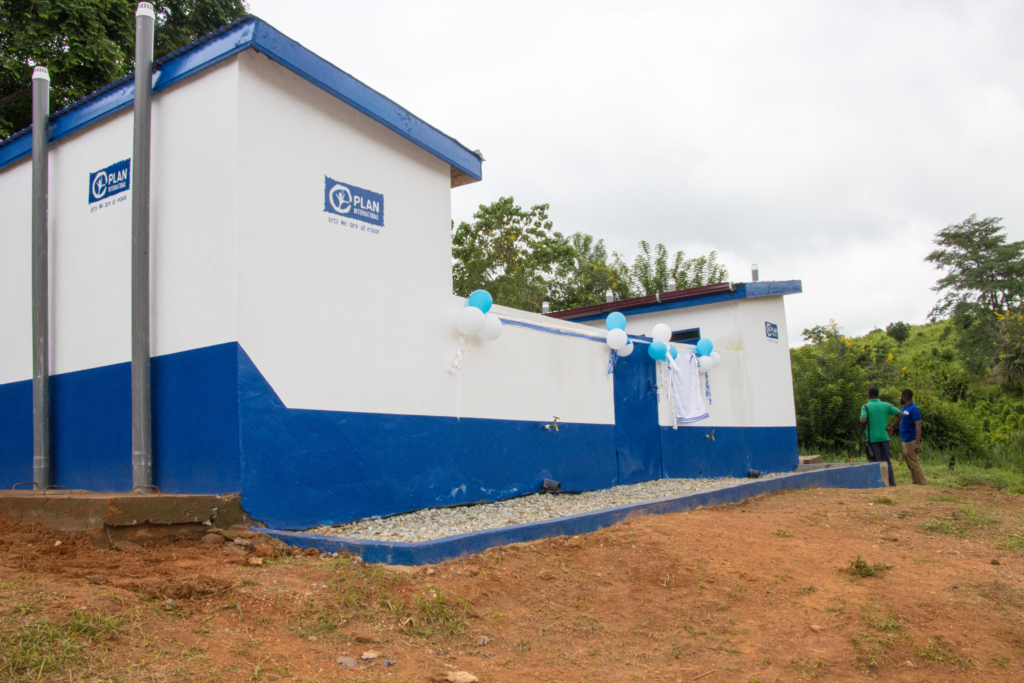
Plan International has built a female-friendly toilet facility for the Bueman Senior High School in the Jasikan Municipality of the Oti region.

The facility has four toilet cubicles and two rooms for changing. Also included in the facility are two incinerators for burning disposed items.

This facility comes after the headmaster, Mr Frank Boamah, appealed to the organisation to pay attention to the girls’ place of convenience during the 2024 celebration of Menstrual Hygiene Day in school.

Speaking at the handing-over ceremony in the school, the headmaster, who was elated about the project, expressed his appreciation to the organisation for their intervention.

“Today marks a truly significant occasion in our history. For years, we have strived to provide the best possible environment for our learners, and a crucial aspect of that is access to proper sanitation. Today, thanks to the incredible generosity of Plan International. We are celebrating the donation of a modern toilet facility that would transform the daily lives of our school community, particularly our schoolgirls,” he said.

Bueman SHS gets female-friendly toilet facility

The headmaster also indicated that the old structure did not provide any form of privacy to the adolescent girls as they struggled to share a common space, which often led to some health concerns among the girl population.

“Our female learners in the boarding house, whose population stands at 1,652, representing 55.8% of total learners in the boarding house, have faced significant challenges due to inadequate sanitation facilities. This often led to discomfort and health concerns among our adolescent girls. The lack of privacy and hygienic spaces has been a constant source of worry for us. As educators and for the girls themselves, the new facility you have thoughtfully and expertly constructed is nothing short of relief and transformation. It is a beacon of dignity, health and comfort”, he added.

Mr. Boamah assured proper maintenance of the facility to promote its lifespan.

Some of the students who are the direct beneficiaries of the facility have been expressing their joy and gratitude to the donors for their kind gesture.

According to the girls’ prefect, Abas Huda, the days of insufficient rooms for attending to the call of nature and proper sanitation were gone.

She recalled sad situations when some students had to attend to the call of nature at unauthorised places, which made them uncomfortable.

“Before the inauguration of this facility, we did not have enough toilet rooms to attend to nature’s call. This made students go to unauthorised places to ease themselves. I hope this facility will put an end to that practice. The old facility also lacked safety and privacy. We sometimes see scorpions and snakes whenever we visit the old facility. I want to believe that with this facility, our safety and privacy are assured,” she concluded.

The country director, Constant Tchona, in a statement, said the interest of the organisation was borne from the call by the headmaster during the 2024 menstrual hygiene day celebration in the school, when it was realised that the old toilet facility for the girls was not safe and proper for use.

The organisation argued that menstruation should not be a barrier to the education of the girl child but should be seen as part of the growth process.

Bueman SHS gets female-friendly toilet facility

“Plan International took this request seriously because of our commitment to girls and our overarching objective to ensure that menstruation by girls does not become a barrier to them and does not contribute to their staying out of school. It should be a period that they are all comfortable with and able to learn. Plan International, through our integrated package for the sustainable community development project, took this challenge up. As an organisation with sexual reproductive health and education as our core work, we could not turn a blind eye to the request that was made, especially by the girls. I am proud that we have responded and responded positively”.

Mr Tchona again indicated that the facility is more than just a toilet, adding that it is a symbol of dignity, empowerment and our unwavering commitment to gender equality.

The Ghana Education Service and the District Assembly representatives who were present added to the songs of praise for the donation and also encouraged the school to maintain it at all times.

The organisation called on the school to take proper care of the facility so as to ensure value for the investment made in the school.

terms and conditions for using Rokmer Pharma’s website

GMA raises alarm over rising Mpox cases, urges public vigilance and education

GMA raises alarm over rising Mpox cases, urges public vigilance and education

The Ghana Medical Association (GMA) has expressed concern over the rising number of Mpox cases being reported across the country, urging intensified public education and preventive measures.

In a press statement issued on June 30, 2025, and signed by GMA President Dr Frank Serebour and General Secretary Dr. Richard Selormey, the Association confirmed that as of June 25, 2025, Ghana had recorded 133 confirmed Mpox cases.

The infections have been largely concentrated in the Western and Western North Regions, with males forming the majority of cases.

While commending the Ministry of Health and the Ghana Health Service for initial steps taken to curb the spread, the GMA emphasised the need for greater public awareness.

“Mpox is a viral illness that is usually self-limiting but may result in serious illness and death,” part of the statement read.

“It is spread mainly by direct contact with infected people, respiratory droplets, infected body fluids, and contaminated surfaces.”

The GMA advised the public to be on the lookout for symptoms such as fever, body pain, and rashes, especially on the soles of the feet and palms, and to report to the nearest health facility for testing and treatment.

The Association also urged the public to avoid close contact with symptomatic individuals and to maintain strict hygiene protocols such as regular handwashing and the use of sanitisers.

For healthcare workers, the GMA called for the activation of enhanced infection prevention measures and strict adherence to personal protective equipment protocols in clinical settings.

The Association also appealed to the media to support public health efforts by helping disseminate accurate information and educating the public on ways to prevent further spread.

Read the full statement below

GMA raises alarm over rising Mpox cases, urges public vigilance and education

terms and conditions for using Rokmer Pharma’s website

Over 70% of Ghanaian adults suffer low back pain – Physiotherapist raises alarm

Over 70% of Ghanaian adults suffer low back pain - Physiotherapist raises alarm

A Professor of Physiotherapy at the University of Ghana has called on policymakers to treat disorders affecting the structure that provides stability and movement to the human body as a public health imperative because of its impact on members of society.

Technically known as musculoskeletal disorders, including that of the bones, muscles, joints, tendons, ligaments and cartilage that work together to provide structure, stability and movement to the human body, Prof. Ajediran Idowu Bello said such disorders should not be treated just as clinical issues

Delivering the lecture on the theme “Beyond Movement: Addressing Musculoskeletal Disorders as a Public Health Imperative,” at the University of Ghana, last Thursday, he revealed that more than 70 per cent of Ghanaian adults suffered from low back pain, while 13.8 per cent of those aged 50 years and above were affected by knee osteoarthritis.

Those conditions, he said, accounted for 20 per cent of the country’s musculoskeletal disease burden.

He noted that while those conditions were often seen as routine or age-related, they actually arose from complex interplays between injury, chronic disease and socioeconomic conditions which were further exacerbated by the country’s reliance on out-of-pocket healthcare payments.

Prof. Bello emphasised that musculoskeletal conditions — including chronic pain, joint deformities and movement limitations — were not only widespread but also carried significant economic and social costs, especially in low- and middle-income countries like Ghana.

He revealed that in one of his studies on patients with chronic low back pain referred for physiotherapy in the Greater Accra Region, most participants earned between GH¢1,100 and GH¢1,500 monthly, yet their treatment-related expenses averaged GH¢1,408, an amount that exceeded the income of the majority.

“This creates a cycle of disability and financial strain,” he said.

The Professor of Physiotherapy called for the immediate implementation of a national screening programme to detect musculoskeletal disorders early in children and youth across the country.

He said such a move, along with sector-specific ergonomics training, increased access to physiotherapy services in rural areas, and intensified public awareness campaigns, was critical to reducing the growing burden of musculoskeletal conditions in Ghana.

“Preventing musculoskeletal disorders is not just about movement,  it is about restoring dignity, reducing poverty, and protecting human potential,” Prof. Bello, who is also a former Head, Department of Physiotherapy, stated.

Vulnerable sectors

Prof. Bello highlighted that health workers, especially nurses, faced high levels of work-related musculoskeletal disorders due to the physical demands of their jobs.

A survey he conducted among 151 nurses and health workers in a secondary facility in Accra revealed a 69.4 per cent prevalence rate, with low back pain accounting for 72 per cent of cases.

In the education sector, his research showed that 66 per cent of primary and junior high school pupils in Accra exhibited at least two musculoskeletal deformities, such as bent elbows or toes — conditions that, if unaddressed, could progress into more serious disabilities in adulthood.

Among pregnant women, he said knowledge of birth defects and the role of physiotherapy remained limited.

He revealed that out of 443 antenatal clinic attendees surveyed in the Greater Accra Region, less than half had adequate knowledge about birth defect risk factors and only 47 per cent were aware that physiotherapy could be used in managing such conditions.

Prof. Bello, therefore, called for better education during antenatal sessions and advocated the inclusion of physiotherapy services in maternity care to address both prenatal and postnatal musculoskeletal challenges.

According to a multi-country study conducted at teaching hospitals in Ghana and Nigeria, Prof. Bello revealed that more than half of all fracture cases treated through physiotherapy were due to road traffic accidents, with most victims falling within the 20–39 age group.

terms and conditions for using Rokmer Pharma’s website

Nine test positive for H1N1 at Anum SHS

Nine test positive for H1N1 at Anum SHS

A confirmed H1N1 outbreak has hit Anum Senior High School in the Eastern Region.

Nine samples from the school tested positive for the respiratory disease, also known as Swine Flu.

The Noguchi Memorial Institute for Medical Research confirmed the cases.

Meanwhile, suspected cases have emerged at Bosu Secondary Technical School, where additional samples have been taken for testing.

Results are still pending.

Health authorities are closely monitoring the situation and have urged the public to remain vigilant.

terms and conditions for using Rokmer Pharma’s website

H4P Organization champions inclusive healthcare for PWDs at Accra Rehabilitation Centre

H4P Organization champions inclusive healthcare for PWDs at Accra Rehabilitation Centre

The H4P (Here for Perfection) Organization has reaffirmed its commitment to promoting inclusive healthcare for Persons with Disabilities (PWDs) through the sixth edition of its Celebration of Love initiative, held on Tuesday, June 25, at the Accra Rehabilitation Centre.

The event brought together over 300 students, staff, teachers, and members of various disability groups, who benefited from free medical screenings, including general health checks, eye screening, ENT and dental care. The outreach also featured the distribution of food items, toiletries, and sanitation products, with every attendee receiving a personal gift.

Founded in memory of the late Mrs. Christina Anansewa Hackman, mother of H4P CEO Bishop Dr. Charles Cofie Hackman, Celebration of Love has, since 2023, served more than 2,000 PWDs across multiple institutions.

H4P Organization champions inclusive healthcare for PWDs at Accra Rehabilitation Centre

Speaking at the event, Bishop Hackman emphasized the need to ensure equitable access to healthcare for PWDs, highlighting the many challenges they face within Ghana’s healthcare system.

“The strength of every nation is measured by how it takes care of its vulnerable. I believe Ghana is a great nation and the people of Ghana are great and so to prove this, we must take care of the vulnerable by being nice and sociable to Persons with Disability (PWDs),” he stated.

He noted that PWDs often encounter barriers such as physical inaccessibility, financial constraints, and communication challenges, particularly among the hearing-impaired.

H4P Organization champions inclusive healthcare for PWDs at Accra Rehabilitation Centre

“This initiative is our compassionate response to these challenges. We bring high-quality healthcare directly to the communities that need them most,” Bishop Hackman added.

Bishop Hackman also credited the success of the initiative to H4P’s strong partnerships with public and private healthcare institutions, which he said ensure proper diagnosis, treatment, and referral of beneficiaries to the appropriate facilities.

The event drew support from several prominent figures in the disability sector, including Madam Rita Kusi Kyeremaa, Executive Director of the Ghana Federation of Disability Organizations (GFD), and Dr. Peter Obeng-Asamoa, Executive Director of the Ghana Blind Union.

Also in attendance were groups such as the Ghana Society of the Physically Disabled, Ghana National Association of the Deaf, Voice of Women and Children with Disabilities, and others.

Notable guests included Mr. Elvis Kosi Alipui, a past winner of the C.H.I.L Awards in the Sports & Entertainment category, who praised H4P for its commitment to restoring dignity to persons with disabilities.

“H4P is ensuring that people with disabilities are not excluded from essential healthcare. These inclusive efforts are vital to building a more equitable society,” he said.

Current C.H.I.L Awards recipient, Mr. Raphael Botsyo Nkegbe, and his team also graced the event.

Institutions that have previously benefited from the Celebration of Love initiative include the Tetteh-Ocloo State School for the Deaf, Akropong School for the Blind, Cape Coast School for the Deaf and Blind, With God Cerebral Palsy Centre – Centre of Abilities (Winneba), and Grow with God Cerebral Palsy and Disability Organization (Teshie).

For the past 14 years, the H4P Organization has been a key player in Ghana’s disability advocacy space, promoting empowerment and dignity through initiatives in health, education, media, and entertainment.

terms and conditions for using Rokmer Pharma’s website

Over 70% of Ghanaian adults suffer low back pain – Physiotherapist raises alarm

Over 70% of Ghanaian adults suffer low back pain - Physiotherapist raises alarm

A Professor of Physiotherapy at the University of Ghana has called on policymakers to treat disorders affecting the structure that provides stability and movement to the human body as a public health imperative because of its impact on members of the society.

Technically known as musculoskeletal disorders, including that of the bones, muscles, joints, tendons, ligaments and cartilage that work together to provide structure, stability and movement to the human body, Prof. Ajediran Idowu Bello said such disorders should not be treated just as clinical issues.

Delivering the lecture on the theme “Beyond Movement: Addressing Musculoskeletal Disorders as a Public Health Imperative,” at the University of Ghana, last Thursday, he revealed that more than 70 per cent of Ghanaian adults suffered from low back pain, while 13.8 per cent of those aged 50 years and above were affected by knee osteoarthritis.

Those conditions, he said, accounted for 20 per cent of the country’s musculoskeletal disease burden.

He noted that while those conditions were often seen as routine or age-related, they actually arose from complex interplays between injury, chronic disease and socioeconomic conditions which were further exacerbated by the country’s reliance on out-of-pocket healthcare payments.

Prof. Bello emphasised that musculoskeletal conditions — including chronic pain, joint deformities and movement limitations — were not only widespread but also carried significant economic and social costs, especially in low- and middle-income countries like Ghana.

He revealed that in one of his studies on patients with chronic low back pain referred for physiotherapy in the Greater Accra Region, most participants earned between GH¢1,100 and GH¢1,500 monthly, yet their treatment-related expenses averaged GH¢1,408, an amount that exceeded the income of the majority.

“This creates a cycle of disability and financial strain,” he said.

The Professor of Physiotherapy called for the immediate implementation of a national screening programme to detect musculoskeletal disorders early in children and youth across the country.

He said such a move, along with sector-specific ergonomics training, increased access to physiotherapy services in rural areas, and intensified public awareness campaigns, was critical to reducing the growing burden of musculoskeletal conditions in Ghana.

“Preventing musculoskeletal disorders is not just about movement,  it is about restoring dignity, reducing poverty, and protecting human potential,” Prof. Bello, who is also a former Head, Department of Physiotherapy, stated.

Vulnerable sectors

Prof. Bello highlighted that health workers, especially nurses, faced high levels of work-related musculoskeletal disorders due to the physical demands of their jobs.

A survey he conducted among 151 nurses and health workers in a secondary facility in Accra revealed a 69.4 per cent prevalence rate, with low back pain accounting for 72 per cent of cases.

In the education sector, his research showed that 66 per cent of primary and junior high school pupils in Accra exhibited at least two musculoskeletal deformities, such as bent elbows or toes — conditions that, if unaddressed, could progress into more serious disabilities in adulthood.

Among pregnant women, he said knowledge of birth defects and the role of physiotherapy remained limited.

He revealed that out of 443 antenatal clinic attendees surveyed in the Greater Accra Region, less than half had adequate knowledge about birth defect risk factors and only 47 per cent were aware that physiotherapy could be used in managing such conditions.

Prof. Bello, therefore, called for better education during antenatal sessions and advocated the inclusion of physiotherapy services in maternity care to address both prenatal and postnatal musculoskeletal challenges.

According to a multi-country study conducted at teaching hospitals in Ghana and Nigeria, Prof. Bello revealed that more than half of all fracture cases treated through physiotherapy were due to road traffic accidents, with most victims falling within the 20–39 age group.