Rokmer Pharma Ltd

terms and conditions for using Rokmer Pharma’s website

Blog No Sidebar

terms and conditions for using Rokmer Pharma’s website

KATH inaugurates Africa’s first National Cleft Centre to combat cleft stigmatization
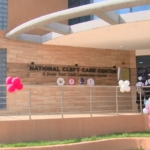
KATH inaugurates Africa’s first National Cleft Centre to combat cleft stigmatization

For decades, children born with cleft lip and palate across Ghana and much of Africa have lived in the shadows, stigmatized, isolated, and in many cases, dangerously misunderstood.

But a historic step has been taken to rewrite that narrative in Africa. The Komfo Anokye Teaching Hospital (KATH), in partnership with the Ghana Cleft Foundation and Global Cleft Charity Smile Train, has commissioned the continent’s first National Cleft Care Centre.

The ultramodern facility has an Out-Patient Department and consulting rooms, 4 theatres with pre-operative and post-operative wards, laboratories, stores, lecture halls, library, technical services working area and a playground.

KATH inaugurates Africa’s first National Cleft Centre to combat cleft stigmatization

Fully funded by Smile Train at a cost of $2 million, the facility is located within the precincts of KATH and is designed to offer corrective surgery and a full spectrum of comprehensive cleft care, including nutrition support, speech therapy, orthodontics, oral health, and psychosocial counseling.

Acting Head of the new Centre and Consultant Oral and Maxillofacial Surgeon, Dr. Solomon Obiri-Yeboah, noted “there’s a lot of stigma about these children because of the deformity on their face. Some can’t go to school, and their mothers are sometimes rejected by families.

“But a child born with cleft is as normal as everybody. We’ve encountered cases where fathers have abandoned their families, and children were nearly sacrificed to river gods. But a child born with a cleft is as normal as any other. They just need care”.

KATH inaugurates Africa’s first National Cleft Centre to combat cleft stigmatization

The Centre’s inauguration is more than a medical milestone; it is a social and cultural reckoning. For years, cleft conditions in many African communities have been falsely linked to curses, spiritual punishment, or bad omens.

Some children have been hidden indoors, abandoned, or even harmed because of these beliefs. But the facility at KATH signaled a bold new chapter.

“Every child that is born with a cleft deserves to live a full and healthy life. This is a treatable condition, not a curse. One in every 1,200 people of African descent is born with cleft. It’s the second most common congenital condition in the world. We’ve now built the first cleft centre in Africa, right here in Ghana, and we’re committed to changing lives across the continent,” said Mrs. Nkeiruka Obi, Vice-President and Regional Director for Africa at Smile Train.

The new Centre offers a full spectrum of cleft care services from surgery and speech therapy to nutritional support, orthodontics, oral health, and psychosocial services. It is also set to become a continental training hub for cleft care professionals.

KATH inaugurates Africa’s first National Cleft Centre to combat cleft stigmatization

Ashanti Regional Minister, Dr. Frank Amoakohene, speaking at the ceremony, emphasized the deeper meaning behind the centre’s opening.

“This is not just a ribbon-cutting. It’s a celebration of compassion, science, and equity. Today we open a door to inclusion and reaffirm every child’s right to smile without shame and to live without stigma,” he explained.

Among the most moving moments were the testimonies from patients and families whose lives had been transformed.

“Smile Train didn’t just help me medically—they helped me live again. The Komfo Anokye team truly placed a smile on my face – one I never thought I could wear,” said one young woman who received surgery and orthodontic treatment through the program.

A mother whose son had cleft shared an emotional appeal to other parents:

“My 7-year-old had a cleft, but today we smile. I want to tell every parent, don’t hide your child. Don’t let anyone tell you they are cursed. There is help. There is hope,” she advised.

The event was attended by health professionals, government officials, patients, children and parents from across Africa, all united by a shared goal: to end the silence, dispel the myths, and replace stigma with smiles.


terms and conditions for using Rokmer Pharma’s website

Unilever’s Vera Boadu named Marketing Manager of the Year (Oral Care) at 4th National FMCG Summit & Awards

Unilever’s Vera Boadu named Marketing Manager of the Year (Oral Care) at 4th National FMCG Summit & Awards

Marketing Manager for Oral Care Africa at Unilever Ghana, Vera Boadu, has been awarded Marketing Manager of the Year (Oral Care) at the fourth annual National FMCG Summit & Awards held at the Marriott Hotel, Accra.

The event, which brought together leaders across Ghana’s fast-moving consumer goods landscape, celebrated outstanding contributions under the theme “Innovate, Adapt, and Thrive.”

Vera Boadu leverages nearly 15 years of marketing experience and, at Unilever, has been central to Pepsodent’s growth and impact across Africa.

From her early days as a brand manager for Omo and Oral Care in Ghana and South Africa to her current role overseeing oral care marketing strategy for Unilever’s oral care brands, including Pepsodent and Close Up, Vera has consistently driven performance and purpose.

Notably, she led the deployment of a social mission campaign that reached over five million children with proper brushing education, helping deliver 10 consecutive quarters of double-digit growth for the category.

As Oral Care Category Manager, Vera Boadu has played a pivotal role in strengthening Pepsodent’s position as a leader in accessible and impactful oral care.

Under her guidance, the brand has launched high-impact initiatives such as the relaunch of Pepsodent Charcoal (with 10 times more stain removal power) and the innovative digital campaign, “Brushing Beyond the Basics”, which featured dentist-led live sessions, local-language jingles, TikTok challenges, and influencer-driven school outreach across Ghana.

She has also championed the award-winning Pepsodent School Tour Project and supported the annual celebration of World Oral Health Day in partnership with the Ghana Dental Association.

A product of this relationship is the introduction of teledentistry as a new frontier in oral health accessibility, making Ghanaians across the country able to have dental consultations remotely.

Speaking of the award, she said, “This recognition is a reflection of the incredible team I get to work with every day. I couldn’t have done this alone.

“From our brand teams to our partners, we’ve made an impact by working together, and we’re inspired to take Pepsodent to even greater heights. Every smile matters, and we’re just getting started.”

Pepsodent is part of the Unilever Ghana portfolio, a leading oral care brand known for combining innovation with purpose.

With a strong presence in homes and schools across Ghana, Pepsodent continues to pioneer campaigns that improve oral health, especially among children and underserved communities.

terms and conditions for using Rokmer Pharma’s website

University of Ghana issues COVID-19 resurgence alert

University of Ghana issues COVID-19 resurgence alert

The University of Ghana Health Directorate has issued a fresh COVID-19 resurgence alert, signalling concerning cases and a need for precautionary measures.

The notice was issued on Monday, June 23, as the tertiary institution braces to forestall any escalation, indicating “a few suspected and confirmed cases reported in our immediate vicinity”.

The directive, aimed at students, faculty, staff, and visitors, urges heightened vigilance and adherence to public health protocols to curb a potential spread that could disrupt academic and social life.

The alert comes as a stark reminder that despite the global relaxation of most COVID-19 restrictions and Ghana’s relatively stable epidemiological situation for much of 2024, the virus remains a persistent threat.

Specific numbers were not immediately disclosed in the advisory, but the university is taking steps to ensure that the over 50,000 students and thousands of staff are protected.

The University of Ghana Health Directorate’s release emphasises the immediate activation of its public health response mechanisms, as it provided contacts for information and suspected cases.

Below is the full statement:

University of Ghana issues COVID-19 resurgence alert

terms and conditions for using Rokmer Pharma’s website

Nationwide rollout of free HPV vaccine for girls begins in September – GHS

Nationwide rollout of free HPV vaccine for girls begins in September – GHS

The Ghana Health Service (GHS), in collaboration with the United Nations Children’s Fund (UNICEF), is set to roll out the nationwide administration of the Human Papillomavirus (HPV) vaccine in September 2025.

The vaccine will be provided free of charge to girls aged 9 to 14 years across the country, as part of a strategic national effort to reduce the burden of cervical and other HPV-related cancers.

Speaking at a press briefing held at the Korle Bu Teaching Hospital on 20 June 2025, Director-General of the GHS, Professor Samuel Kaba Akoriyea, described the vaccine as a game-changer in cancer prevention.

“It is estimated that the HPV vaccine may prevent 70% of cervical cancers, 80% of anal cancers, 60% of vaginal cancers and is more than 90% effective in preventing HPV-positive oropharyngeal cancers,” he stated.

He recalled the vaccine’s pilot introduction in 2013 in selected regions—Greater Accra, Central, and Northern—and expressed confidence in the service’s readiness for nationwide implementation.

“Twelve years after the initial rollout, we are ready to expand it to every region to protect our future mothers,” Prof Akoriyea said. “By vaccinating girls aged 9 to 14, we are giving them a head start towards a healthier, cancer-free adulthood.”

He assured the public that the HPV vaccines are “safe and well tolerated.”

Deputy Programme Manager of the Expanded Programme on Immunisation (EPI), Dr Naziru Tanko Mohammed, reinforced the assurances with data and a clear plan of action.
He noted that the goal is to vaccinate an estimated 2,463,889 girls nationwide, adding that the vaccine has been “extensively tested,” is “safe,” and requires only “one dose for full protection.”

Dr Mohammed stated that all logistical arrangements have been finalised to support the campaign.

“Currently, the vaccines are being stored in the national cold room. From there, they will be moved to the regional cold rooms in preparation for the vaccination exercise,” he explained.

Parents and guardians were encouraged to take advantage of the programme when it begins, with assurances that school authorities would be duly informed and supported to facilitate smooth implementation.

HPV has been identified as the primary cause of cervical cancer, which is the second leading cause of cancer deaths among women in Ghana.

The Ghana Health Service reiterated its commitment to raising public awareness and urged community support to ensure the success of the campaign and the long-term health of Ghanaian girls.

terms and conditions for using Rokmer Pharma’s website

How long would you live in Ghana? GHS Public Health Director breaks down 5 factors

How long would you live in Ghana? GHS Public Health Director breaks down 5 factors

While Ghana has made some strides in the general well-being of citizens, the nation faces a significant health paradox: systemic weaknesses, stark financial barriers, and a burgeoning crisis of Non-Communicable Diseases (NCDs).

This ultimately determines life expectancy, pegged at 65.5 years as of 2023.

While the life expectancy has seen an increase in recent years, it remains below the global average of 72.24 years, raising concerns and discussions on improving survival rates.

Dr. Franklin Asiedu-Bekoe, the Public Health Director at the Ghana Health Service (GHS), delivered a sobering assessment on Joy FM’s Super Morning Show on Wednesday, June 24, highlighting the multifaceted challenges impacting the average Ghanaian’s life expectancy.

Dr. Asiedu-Bekoe painted a stark picture contrasting Ghana’s health outcomes with those of developed nations as he examined the health sector.

As the debate continues on life expectancy and the ways of improvement, Dr Asiedu-Bekoe has highlighted some factors that are likely to determine how long you are likely to stay alive if you live in Ghana.

1. Systemic deficiencies in healthcare (Ghana vs. Developed World): Dr. Asiedu-Bekoe highlights that Ghana’s health system capacity directly impacts life expectancy and disease outcomes.

He contrasts Ghana, where children are more likely to die from vaccine-preventable diseases or malaria in their early years, with developed countries where this is rare.

For older age groups, Ghana’s lack of structured screening systems means diseases like diabetes and hypertension are often detected late, leading to complicated and often fatal outcomes that could be averted with early detection and management.

2. Financial barriers to healthcare access: A significant factor in Ghana’s health outcomes, particularly for non-communicable diseases (NCDs), is the financial capacity of individuals.

Dr. Asiedu-Bekoe points out that even if NCDs are detected, the long-term medication and management costs can be prohibitive for those lacking financial means, leading to poor adherence and complications.

3. Geographic disparities in healthcare: Access to specialised care is a major determinant of survival, especially for complex NCDs.

Dr. Asiedu-Bekoe notes that individuals in rural parts of Ghana face limited access to specialists and high-level medical facilities, making it challenging to manage complicated conditions effectively, unlike in developed nations with more equitable healthcare distribution.

READ ALSO: Ghana’s silent killer: Dr. Yankson highlights deadly impact of poor sanitation

4. Success in vaccine-preventable diseases, shift to NCDs: Ghana has achieved “very impressive vaccine coverage” and is “one of the best in Africa” in this regard.

This success has led to a significant reduction in vaccine-preventable diseases and a corresponding decrease in under-five mortality rates.

The primary health challenge has now shifted to non-communicable diseases (NCDs), where Ghana is currently “struggling.”

5. Complexity of NCD management and environmental factors: Dr. Asiedu-Bekoe emphasises that tackling NCDs is a “very complex condition that goes beyond health.”

He points to the lack of “enabled environments” for healthy lifestyles, giving examples like the absence of safe places for children to ride bicycles or for people to walk.

He stresses that achieving higher life expectancy for NCDs requires addressing broader societal issues and creating environments that support healthy choices.

terms and conditions for using Rokmer Pharma’s website

Ghana’s silent killer: Dr. Yankson highlights deadly impact of poor sanitation

Ghana’s silent killer: Dr. Yankson highlights deadly impact of poor sanitation

Ghana’s persistent struggle with rampant filth and poor environmental management is silently claiming lives and placing an unbearable burden on the nation’s healthcare infrastructure, Dr (Med) Justice Yankson, former General Secretary of the Ghana Medical Association (GMA), has revealed.

Dr (Med) Yankson issued this stark warning on Joy FM’s Super Morning Show today, Wednesday, June 24, unequivocally labelling poor sanitation as a major health threat.

Dr (Med) Yankson expressed profound concern over the pervasive environmental degradation, particularly the accumulation of waste.

He highlighted the cyclical nature of preventable disease outbreaks that stem directly from this crisis.

“I mean, last year, for example, virtually a greater part of the society was battling things like cholera, and in the process, a lot of people were killed,” he lamented.

He noted that these devastating outbreaks recur “sporadically or year after year”, causing significant loss of life whenever they intensify.

The human cost of Ghana’s sanitation crisis is profound.

Cholera, a disease directly linked to contaminated water and food, remains a recurring threat.

Major outbreaks, such as the one in 2014, affected over 28,000 people and claimed 243 lives nationwide.

While the number of cholera cases significantly dropped after 2016, the underlying poor sanitation conditions persist, making the population vulnerable to resurgence, as seen in localised outbreaks.

Beyond cholera, Dr (Med) Yankson pointed to a spectrum of gastrointestinal infections that constantly challenge health facilities.

“When you are in the clinics, you are there and virtually every day somebody will present with one form of gastrointestinal infection or the other and when you go through the… history, you do the test and what have you, it’s very clear it’s a contamination around us.”

He directly attributed many of these illnesses to unsafe food practices and widespread contamination. “People are eating contaminated food, food is not, I mean, sold under the right hygienic conditions. People are supposed to be tested before they even sell food, but nothing happens.”

He even extended his critique to establishments that should uphold higher standards, stating, “even so-called top restaurants, sometimes you go to them and the kitchens are full of filth, rats.”

This highlights a systemic breakdown in hygiene standards across the food chain.

Dr (Med) Yankson passionately argued that Ghana’s “failure in environmental management and harmony is actually putting a lot of burden on the health care system.”

This burden is not just in treating patients, but also in the long-term impact on public health and national productivity.

The World Bank estimates that poor sanitation costs Ghana approximately 1.6% of its GDP annually, translating to about US$290 million, through premature deaths, healthcare expenditures, and productivity losses.

He contrasted Ghana’s situation with other nations that have successfully eradicated many of these preventable diseases through effective sanitation management.

“These are things that elsewhere they have been able to manage sanitation, the filth around us, to a point where some of these diseases don’t exist anymore,” he observed, urging Ghana to learn from these examples.

Dr (Med) Yankson called for a fundamental re-evaluation of national priorities, emphasising that beyond non-communicable diseases and vaccine-preventable illnesses, the environmental aspect, particularly sanitation, demands urgent and sustained attention.

“We are in a certain state where we really need to pause and address some of these issues. They are very important.”

Ghana still faces significant challenges in achieving universal access to basic sanitation.

As of 2021, only about 25.3% of the population had access to improved sanitation facilities that are not shared, and a staggering 17.7% of the population still practised open defecation, primarily in rural areas.

This widespread lack of proper waste disposal and toilet facilities contributes directly to the contamination of water sources and the general environment, fuelling the cycle of disease.

Dr (Med) Yankson’s stern warning serves as a clarion call for immediate, decisive action, stressing that until Ghana effectively tackles its sanitation crisis, preventable illnesses will continue to undermine public health and socio-economic development.

terms and conditions for using Rokmer Pharma’s website

Health experts strengthen Ghana’s blood care system to tackle cancer, sickle cell, and donation myths

Health experts strengthen Ghana’s blood care system to tackle cancer, sickle cell, and donation myths

Survival rates for childhood cancer and sickle cell disease in Ghana remain below 50%, largely due to late diagnosis, limited access to treatment, and a shortage of trained haematology professionals.

In response, World Child Cancer has launched the Strengthening Haematology Skills Project, a nationwide initiative aimed at equipping healthcare professionals with both clinical and psychosocial skills.

The programme focuses on improving the management of blood supplies while enhancing the emotional and mental support provided to patients.

These interventions are crucial for conditions such as leukemia and sickle cell disease, where blood transfusions are often life-saving.

Health experts strengthen Ghana’s blood care system to tackle cancer, sickle cell, and donation myths

According to Adwoa Pinamang Boateng Desu, Country Coordinator for World Child Cancer, the initiative was designed to close critical gaps in haematology care and ensure safer, more effective blood transfusions.

Supported by Bristol Myers Squibb, the project has trained 282 healthcare professionals, including 14 oncology pharmacists, using a training-of-trainers model to scale impact.

“With the ongoing challenges of transfusion reactions, limited funding, and poor management of blood disorders, we launched this project to strengthen haematology care in Ghana,” Boateng Desu explained.

She also noted that educational and communication materials on blood transfusion for sickle cell disease and leukemia were developed in collaboration with the Health Promotion Division of the Ghana Health Service to support public awareness and clinical education.

One of the major barriers to effective blood care in Ghana, however, lies in the deep-rooted myths surrounding blood donation. Misconceptions such as beliefs that donated blood is used for occult practices—have discouraged potential donors, leading to critical shortages and treatment delays. CEO of the National Blood Service, Dr. Shirley Owusu-Ofori, firmly dispelled these claims.

“Every unit of blood donated is fully traceable from the point of donation to the recipient. Even discarded units are properly accounted for. The National Blood Service does not collaborate with any spiritual or non-clinical entities. All blood is used strictly for medical purposes,” she stated. Dr. Owusu-Ofori emphasized the service’s role in rebuilding public trust through continuous media engagement and education campaigns aimed at debunking harmful myths.

Health experts strengthen Ghana’s blood care system to tackle cancer, sickle cell, and donation myths

As Ghana works to strengthen its healthcare infrastructure, initiatives like the Strengthening Haematology Skills Project remain vital. By investing in professional capacity and countering misinformation, the country is laying the groundwork for safer transfusions, better blood donation rates, and improved survival outcomes for patients battling leukemia, sickle cell disease, and other life-threatening conditions.

terms and conditions for using Rokmer Pharma’s website

Ghana to vaccinate 2.2 million girls against Human Papillomavirus (HPV)

Ghana to vaccinate 2.2 million girls against Human Papillomavirus (HPV)

As the government prepares to vaccinate over 2.2 million young girls against the Human Papillomavirus (HPV), concerns are growing over the rising infection rates among both men and women.

The virus, known to cause cervical cancer and other serious conditions, is highly contagious and often goes undetected for years.

HPV is primarily transmitted through oral, vaginal and anal sex, as well as deep kissing. It is the leading cause of cervical cancer in women and has also been linked to anal, penile, vaginal, vulvar and throat cancers particularly through oral sex.

Ruth Katamansu, a women’s health nurse specialist at the Shai-Osudoku District Hospital in the Greater Accra Region, is at the forefront of the campaign to educate and vaccinate communities.

“HPV can go undetected for years,” she said, “and when symptoms do appear, especially in women, they may show up as small, skin-coloured warts or bumps around the vagina, often with a foul-smelling discharge.”

For men, the risks can be just as severe, sometimes resulting in significant genital damage, including rotting tissue in extreme cases.

Health experts are urging the public to adopt safe sex practices, including consistent condom use and limiting the number of sexual partners. Regular screenings, such as pap smears and HPV tests, are also strongly recommended.

Above all, doctors emphasise the power of prevention. “The HPV vaccine can prevent up to 90% of HPV-related cancers. It’s most effective when given to preteens, but it still offers protection for adults up to age 45.”

Read also: Ghana receives shipment of Human Papillomavirus (HPV) vaccines

terms and conditions for using Rokmer Pharma’s website

Lions Club commissions modern Diabetes Clinic and Emergency Ward for Suntreso Government Hospital

Lions Club commissions modern Diabetes Clinic and Emergency Ward for Suntreso Government Hospital

The Lions Club International, a non-governmental organization, has commissioned a modern diabetes clinic & emergency ward at the Suntreso Government Hospital in the Ashanti Region to provide quality health care delivery.

The facility was completed within six months, providing a much-needed space for diabetic patients who previously received treatment under a canopy and car park.

Lions Club commissions modern Diabetes Clinic and Emergency Ward for Suntreso Government Hospital

Dr. Helena Asamoah Hassan, District Governor of Lions Club International, explained that the organization built the facility to address the challenges faced by patients, particularly during rainy periods.

“We came here one day to see that where the diabetes and hypertension patients are receiving treatment is uncomfortable, so we thought it wise to build such facility for them to bridge that gap,” She said

Lions Club commissions modern Diabetes Clinic and Emergency Ward for Suntreso Government Hospital
Dr. Helena Asamoah Hassan, District Governor of Lions Club International

The fully-equipped facility costs ¢130,000 and features an outpatient department and a 10-bed emergency ward.

Dr. Thomas Agyarko-Poku, Medical Superintendent of Suntreso Government Hospital, expressed gratitude for the timely support, saying that the clinic will significantly improve healthcare delivery for diabetic patients.

“In effective health care delivery there are three things that are very important: the human resources, a place to work and the equipment we need to work with. These are very important. Today we are very grateful to Lions Club International for providing two of such important items that we need,” he stated.

Lions Club commissions modern Diabetes Clinic and Emergency Ward for Suntreso Government Hospital

Over 200 patients visit the hospital daily, and the new facility will provide a space not only for medication but also for patient education.

Otumfuo’s Mawerehene, Baffour Osei Brentuo Hyiaman V, urged healthcare workers to utilize the facility effectively and maintain it properly to ensure its longevity.