President John Dramani Mahama has called for a youth-led national conversation on HIV prevention as the country faces a concerning surge in new infections, particularly among young people.
“We need a bold youth-led national conversation on prevention supported by our schools, by our health workers, our parents, and the media.”
The president made the remarks at the launch of the 2025 Voluntary National Review of the UN Sustainable Development Goals in Accra on Tuesday, July 8.
He described the growing rate of HIV infections as a public health alarm, stressing that young people must be at the forefront of prevention efforts.
His call comes on the back of a report from the Ghana AIDS Commission, which revealed that 15,290 new HIV infections were recorded in 2024, with over 11,000 cases among individuals aged 15 and above.
“We are also alarmed by the rising HIV rates, especially among our young people,” he said, and blamed the situation on “failure in communications, stigma, and limited access to sexual health education.”
The President emphasised that “Prevention is essential, but empowerment is the key.”
The first malaria treatment suitable for babies and very young children has been approved for use.
It’s expected to be rolled out in African countries within weeks.
Until now, there have been no approved malaria drugs specifically for babies.
Instead, they have been treated with versions formulated for older children, which presents a risk of overdose.
Half a million deaths in 2023
In 2023 – the year for which the most recent figures are available – malaria was linked to around 597,000 deaths.
Almost all of the deaths were in Africa, and around three-quarters of them were children under five years old.
Malaria treatments for children do exist, but until now, there was none specifically for the very youngest babies and small children, who weigh less than 4.5kg or around 10lb.
Instead, they have been treated with drugs designed for older children.
But that presents risks, as doses for these older children may not be safe for babies, whose liver functions are still developing and whose bodies process medicines differently.
Experts say this has led to what is described as a “treatment gap”.
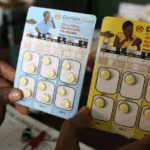
Now, a new medicine, developed by the drug company Novartis, has been approved by the Swiss authorities and is likely to be rolled out in regions and countries with the highest rates of malaria within weeks.
Novartis is planning to introduce it on a largely not-for-profit basis.
The smallest and most vulnerable
The company’s chief executive, Vas Narasimhan, says this is an important moment.
“For more than three decades, we have stayed the course in the fight against malaria, working relentlessly to deliver scientific breakthroughs where they are needed most.
“Together with our partners, we are proud to have gone further to develop the first clinically proven malaria treatment for newborns and young babies, ensuring even the smallest and most vulnerable can finally receive the care they deserve.”
The drug, known as Coartem Baby or Riamet Baby in some countries, was developed by Novartis in collaboration with the Medicines for Malaria Venture (MMV), a Swiss-based not-for-profit organisation initially backed by the British, Swiss and Dutch Governments, as well as the World Bank and the Rockefeller Foundation.
Eight African nations also took part in the assessment and trials of the drug and they are expected to be among the first to access it.
Martin Fitchet, CEO of MMV, says this is another important step on the road towards ending the huge toll taken by malaria.
“Malaria is one of the world’s deadliest diseases, particularly among children. But with the right resources and focus, it can be eliminated.
“The approval of Coartem Baby provides a necessary medicine with an optimised dose to treat an otherwise neglected group of patients and offers a valuable addition to the antimalarial toolbox.”
Dr Marvelle Brown, associate professor at the University of Hertfordshire’s School of Health, Medicine and Life Sciences, says this should be seen as a major breakthrough in saving the lives of babies and young children.
“The death rate for malarial infections, particularly in sub-Saharan Africa, is extremely high – over 76% of deaths occur in children under five years old.
“An increase in death from malaria is further compounded in babies born with sickle cell disease, primarily due to a weak immune system.
“From a public health perspective, Novartis making this not-for-profit can help with reducing inequality in access to healthcare.”
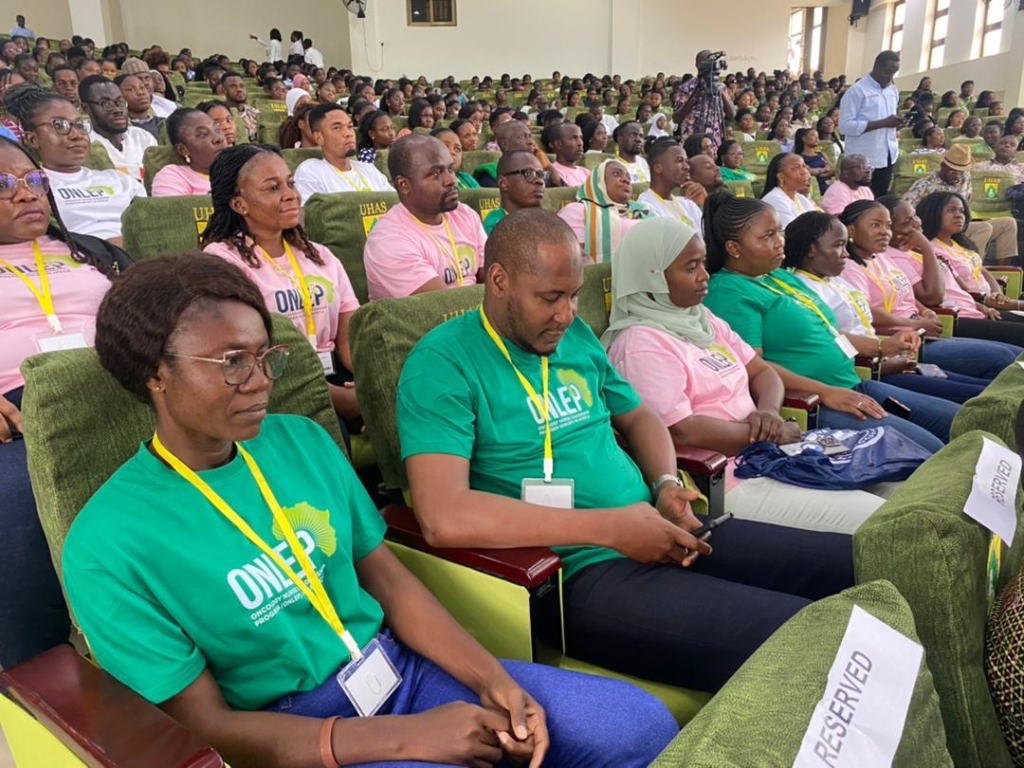
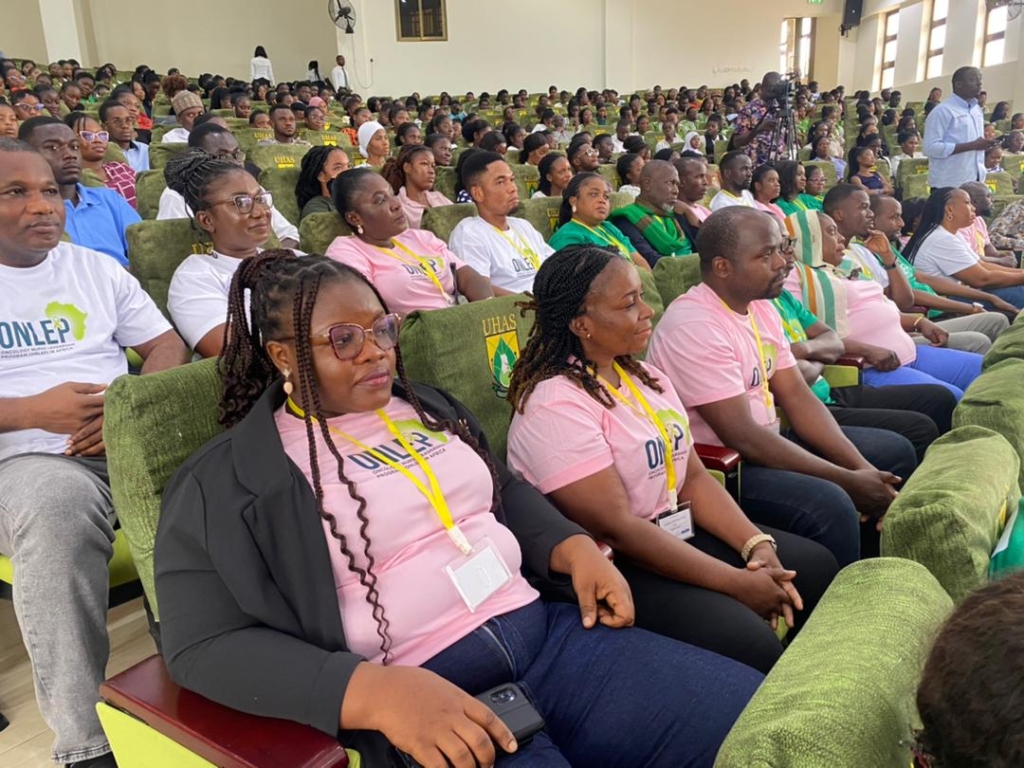
The University of Health and Allied Sciences (UHAS), in collaboration with its partners, has launched the Oncology Nurse Leadership Programme (ONLEP) – a postgraduate initiative aimed at enhancing cancer care across the African continent. The launch affirms the University’s commitment to promoting healthcare in Africa and contributing to the achievement of Sustainable Development Goal 3.
The programme was developed in partnership with the City Cancer Challenge Foundation (C/Can), the International Society of Nurses in Cancer Care (ISNCC), and Amgen, a pharmaceutical company. It aims to address the lack of investment in healthcare professionals providing cancer care – particularly oncology nurses – not only in C/Can cities but across Africa.
Prof. Lydia Aziato, Vice-Chancellor of UHAS and Project Lead, emphasised that the programme was driven by the need for strong leadership in cancer care and the goal of maintaining and enhancing the quality of cancer treatment on the continent.
“UHAS is poised to lead this partnership and aims to become a hub for leadership training for nurses, midwives, and other health professionals in Africa and beyond. The Oncology Nurse Leadership Programme is a catalyst for this dream,” Prof. Aziato stated.
Investing in Nursing Leadership as a Driver of Sustainable Change
Martha L. Ordóñez, Global Programme Manager of C/Can, explained that ONLEP forms part of the foundation’s efforts to build the capacity of local healthcare professionals to lead change in the sector. She said the programme applies a transformational learning approach to equip nurses with leadership skills, knowledge, and confidence in the dynamic field of oncology.
“At City Cancer Challenge, we believe in strong local leadership. ONLEP is a testament to our commitment to investing in those at the heart of health systems: nurses. By empowering oncology nurses with the tools to lead, advocate, and innovate, we are not only strengthening cancer care in C/Can cities but across the African continent,” she said.
Corporate Commitment to Health Education
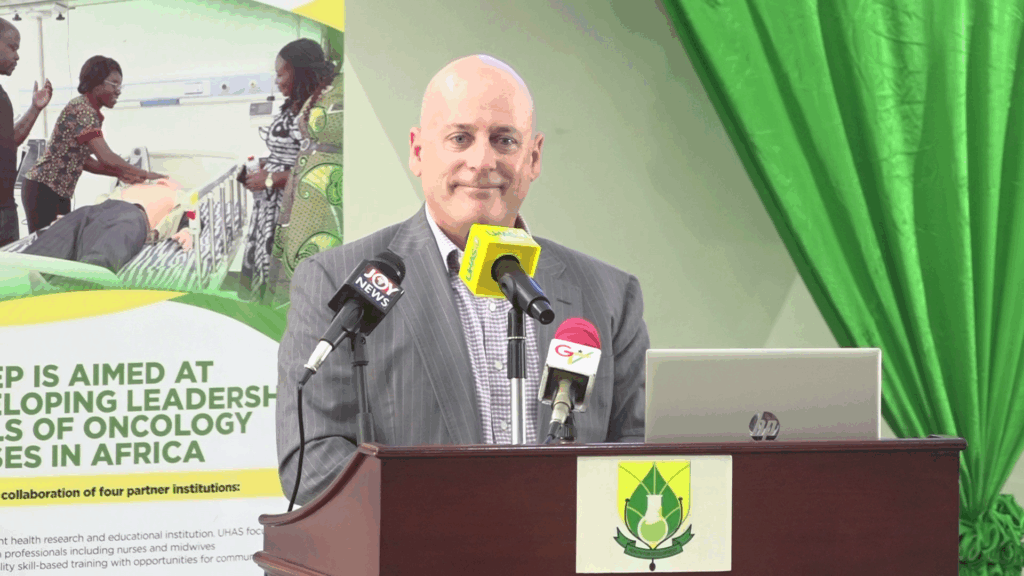
Sean Lybrand, Executive Director of Access to Healthcare at Amgen Inc., expressed excitement about the partnership, which aims to support oncology nurses with training to promote universal health coverage.
“To support oncology nurses across sub-Saharan Africa not only improves their skills and competencies; it also leads to better healthcare delivery and, in the medium term, better health outcomes. We are incredibly pleased to partner with UHAS, C/Can, and ISNCC on this key initiative,” he noted.
About the Oncology Nurse Leadership Programme (ONLEP)
The Oncology Nurse Leadership Programme seeks to empower oncology nurses as leaders to make a meaningful impact on cancer care delivery and patient outcomes. It aims to:
Foster leadership development skills
Promote clinical excellence
Support professional growth
Facilitate networking and collaboration
Encourage research and evidence-based practice
Nurture advocacy skills
ONLEP is a five-year programme, with the first year focused on designing the leadership curriculum and training the first cohort of 30 students, including 13 from C/Can cities. Subsequent years will train cohorts of 60 students each, with the fifth year focusing on a final group of 30.
The six-month certificate programme combines face-to-face and online learning, beginning with in-person sessions in the first and last weeks, while the interim period will be conducted online. Trainees must complete a leadership project within six months. Graduates will receive a Postgraduate Certificate in Oncology Nurse Leadership, awarded by UHAS and recognised across Africa and internationally.
International Support
Prof. Winnie So, President of the ISNCC, stated that ONLEP aligns with the organisation’s mission to maximise the influence of nursing to reduce the global burden of cancer.
“ONLEP in Africa is a strategic step that builds the capacity of nurses to lead, advocate, and implement solutions that directly impact cancer prevention, treatment, survivorship, and palliative care outcomes,” he said.
ONLEP’s First Cohort
The first cohort consists of 30 students from seven African countries: Ghana, Nigeria, Malawi, Rwanda, South Africa, Kenya, and Gambia. They will study modules such as:
Foundations of Oncology Nurse Leadership
Health Services Organisation
Financial Management and Quality Assurance
Psycho-oncology
Stress and Change Management
Networking and Collaboration
Research and Evidence-Based Practice
Policy and Advocacy
“This programme is more than just a learning experience. It’s a bridge connecting nurses from diverse backgrounds, empowering us to share our stories and learn from each other,” said Ejiaku Tochukwu Chiamaka, Cohort 1 Lead from Abuja, Nigeria.
Government Endorsement
Volta Regional Minister, James Gunu, described the initiative as a complement to government efforts to improve cancer diagnosis and care, pledging his personal support for its success.
“ONLEP aligns precisely with Ghana’s 2025 budget priorities: building human capital and strengthening healthcare systems. It also supports the national cancer control plan and WHO’s broader objectives for improved screening, diagnosis, and treatment,” he said.
He added that while the Volta Region had benefited from e-health expansion, with 193 facilities now digitally connected, a gap remained in oncology nursing capacity, which ONLEP addresses.
Refractive error and vision care in Ghana is marred by low access, unaffordability, limited qualified personnel and weak government oversight.
The 8th White Coat Ceremony at KNUST’s Department of Optometry and Visual Sciences focused discussion on the urgent need to address refractive error setbacks in especially underserved Ghanaian communities.
The event marking students’ transition from pre-clinical studies to hands-on clinical training sought to overcome challenges to boost spectacle coverage and vision care access in low-income areas.
Refractive errors are common eye conditions that make vision blurry, needing a pair of glasses, contacts, or vision correction surgery to restore vision.
However, resources and structural setbacks limit treatments and access levels.
Head of the KNUST Department of Optometry and Visual Sciences, Professor Mohammed Kabir, disclosed that the burden of uncorrected refractive error tends to be greater in typically underserved areas.
“Despite the strides in vision care, several challenges of spectacle coverage in low- and middle-income countries exist. The burden of uncorrected refractive error tends to be greater in typically underserved areas. The concentration of services in urban areas, and a general lack of public awareness. The obvious challenges coupled with issues of clinical regulation need to be resolved to improve access and treatments,” he said.
The joint celebration of the 2025 Refractive Error Day and the 8th White Coat Ceremony by the Department of Optometry and Visual Science and the Ghana Optometric Association (GOA) sparked discussion around improving refractive error treatment.
Held under the theme “Bridging the Gap: Dispelling Refractive Error Myths to Improve Access,” the event highlighted national efforts to raise awareness, debunk misconceptions, and expand access to eye care services across Ghana.
The White Coat Ceremony is a traditional rite of passage in health-related fields, signifying the transition of students from pre-clinical studies to hands-on clinical training.
By training new up-to standard optometrists, the department aims to boost spectacle coverage and improve vision care access in low-income areas.
Head of the KNUST Department of Optometry and Visual Sciences, Professor Mohammed Kabir, admonished the graduates to uphold innovation, and ethics to improve vision care.
“The far-reaching consequences of uncorrected vision, particularly for children, impacts negatively on well-being and academic performance. We have a role in preparing students to handle real-world cases and interact with patients.
“This clinical phase of training equips the students with the skills to handle real-world optometric cases and begin interacting with patients in clinical settings, guided by well-defined professional standards and responsibilities,” he said.
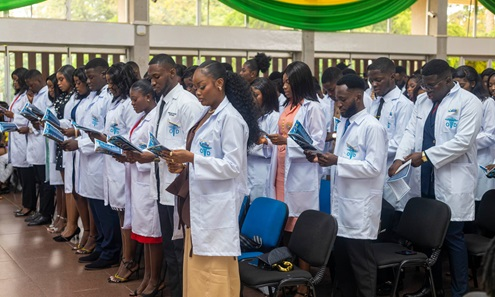
The Optometry Class of 2027 were formally inducted into the clinical phase of their training with the symbolic donning of white coats.
The graduation ceremony also forms part of the Ghana Optometric Association’s Fractal Carousel Fusion.
President of the Ghana Optometric Association, Prof. Samuel Bert Boadi-Kusi, assuring of GOA’s commitment to address vision barriers, advocated for improved remuneration and working conditions for optometrists.
“There is a critical need for affordable eyeglasses and we call on the government to make them accessible to all citizens, particularly those in vulnerable communities. It is crucial for achieving the World Health Organization’s (WHO) target of improving effective refractive error coverage by 40 per cent by 2030.
“GOA remains committed through initiatives designed to improve access and quality of care. We call for improved remuneration and working conditions for optometrists, particularly those serving in rural areas, to enhance the reach of eye care services,” he said.
The ceremony brought together students, faculty, eye care professionals, and stakeholders in the health sector.
Chief Optometrist of Trust Hospital Accra, Dr. Naa Kowah, disclosed that visual impairment in the children demographic is prevalent due to uncorrected refractive errors.
“Over 200,000 Ghanaian children struggle with uncorrected refractive errors, making it the leading cause of visual impairment in this demographic. It is also important to dispel common misconceptions about eye health and the need to shift the perception of glasses as merely a luxury to recognizing them as essential tools for a better quality of life,” she said.
Chairman of the Education Committee of GOA, Professor Emmanuel Abu, admonished the graduating class to be innovative, and uphold the profession’s ethics.
“Take your journey from the classroom to the clinic, be transformed into trusted health professionals responsible for their patients’ vision. Your journey was marked by the values which must be embraced, and honored. Commit to unwavering adherence to the highest standards of ethics, professionalism, and empathy,” he said
National Executives of the Paediatric Society of Ghana have been inducted into office at a short ceremony to lead the affairs of the association in the next two years.
The seven elected executives are expected to work and undertake initiatives aimed at achieving the mission and vision of the society.
They include the President, Dr. Hilda Mantebea Boye; Vice President, Dr. Emmanuel Oppong; General Secretary, Dr. Gabrielle Obeng-Koranteng; and Assistant Secretary, Dr. Haruna Mahama.
The rest were Financial Secretary, Dr (Med) Afua Osew-Gyamfi; Female Executive, Dr (Med) Genevieve Insaidoo, and Male Executive, Dr (Med) Richard Letsa.
Speaking after the induction, Dr. Hilda Mantebea Boye expressed gratitude to the membership for entrusting the leadership of the society under their care for the next two years.
She assured of leading an all-inclusive administration that would build on the success of her predecessors, with a strong collaboration between stakeholders and all members.
She also stressed to “work hard to push the Child Health Agenda and to promote the health and well-being of all children in Ghana.”
The Paediatric Society of Ghana is a child health advocacy group committed to the welfare and interests of children in Ghana.
The Society comprises paediatricians and other doctors, nurses, paramedics, teachers, and members of the general public who share in its vision.
Its activities include organising outreaches to schools, educating communities on issues affecting child health, and engaging stakeholders to promote the health and well-being of children in Ghana.
As a professional body of paediatricians and child health advocates, it remains committed to supporting national efforts in immunisation, maternal and newborn health, nutrition, and health education.
The Komfo Anokye Teaching Hospital is seeking the urgent prioritization and construction of a catheterisation laboratory after losing one of its critical medical staff who suffered a heart attack.
Dr. Kwame Adu Ofori, an Emergency Physician at the Hospital, is reported to have died over the weekend when his colleague doctors attempted saving him but lacked the crucial laboratory to treat an obstruction in one of the blood vessels pumping blood to his heart.
The absence of the laboratory at Ghana’s second largest teaching hospital has sparked grave concerns over the poor medical infrastructure in public health facilities in the country as Ghana boasts of only one of such facilities located in Accra.
It was a gloomy weekend at Ghana’s second largest teaching hospital, the Komfo Anokye Teaching Hospital, after health professionals watched helplessly to seek urgent medical attention for a colleague who suffered a myocardial infarction, otherwise known as a heart attack.
A specialized area to perform a minimally invasive procedure to diagnose and treat an obstructed blood vessel to his heart was missing at the Ashanti region’s foremost hospital.
Despite immediate response to stabilize him before being transported to the national capital for proper care, he died on the way.
CEO of KATH, Dr. Paa Kwesi Baidoo recounts moments of the unfortunate demise.
“After the doctors stabilized him, we arranged for a military airlift to transport him immediately to Accra for him to be properly attended to. We arranged a team of doctors and special care nurses for him. They were in touch when they got to Accra but he unfortunately died on their way to the hospital,” he recounted.
Dr. Kwame Adu Ofori before his passing was an Emergency Physician at the hospital, who contributed actively to providing emergency medical care to critically ill patients, but sadly couldn’t save himself.
Despite calls for successive governments to construct a Cath Lab for the facility, it has fallen on deaf ears.
“When a delegation from Bank of Ghana visited us, I made a plea to them to help us construct a CATH lab. They’ve asked that we submit a proposal to be sent to the Governor,” he said.
The similar situation is mirrored in public health facilities across other regions in the country.
A construction of the facility will be the first and foremost in the 67 years of existence of the hospital, serving the Ashanti region and the Northern part of Ghana.
Technically, doctors perform a cardiac catheterization on patients by inserting a thin, flexible tube called a catheter into a blood vessel, and this is carefully guided to the heart.
It is usually passed through the hand or leg to reach the heart without an open-heart surgery.
The unfortunate incident has since ignited concerns amongst workers at the hospital on the inadequate medical infrastructure.
Dr. Baidoo says the hospital needs urgent retooling to improve quality healthcare delivery.
“The sterilization facility at the hospital is also defunct. We need a comprehensive retooling of the hospital,” he noted.
Health professionals at the hospital anticipate an immediate construction and completion of the specialized laboratory to end the numerous avoidable cardiac deaths.
Meanwhile, the management of the hospital says the Minister of Health has been informed of the incident who has assured of the construction of the facility in not only Kumasi but also in Tamale and another in Accra.
More than 200,000 children in Ghana suffer from uncorrected refractive errors, a leading cause of visual impairment, with one in four schoolchildren requiring vision correction.
A Chief Optometrist at the Trust Hospital in Accra, Dr Naa Kowah Agyemfra, said that although refractive error, which causes visual impairment, accounts for 50 per cent of the cases, less than 30 per cent of those with refractive errors have access to proper correction due to cost, access issues or myths.
“Obviously, this is not just a clinical problem but a public health crisis and a cultural communication gap,” she stressed.
Dr Agyemfra made the remarks while delivering an address at the second Refractive Error Day Symposium & 8th White Coat Ceremony at the Kwame Nkrumah University of Science and Technology (KNUST)
it was on the theme: “Bridging the gap: Dispelling refractive error myths to improve access”.
The white coat ceremony marked the transition of 100 level 400 Doctor of Optometry students from preclinical studies to clinical practice, where they were robed in white coats, widely recognised as a symbol of medical professionals.
They took the optometry oath, promising to practise the art and science of optometry diligently and conscientiously, uphold and promote the highest standards, ethics and ideals of the profession, as well as safeguard patients’ information.
Disproving myths about refractive errors, she explained that it was false to believe spectacles weaken the eyes.
Instead, she emphasised they help the eyes focus better, stressing “without them, you strain your eyes more and may even develop headaches”.
Additionally, she said sugar does not directly cause refractive errors.
However, it can affect the vision of people with diabetes, but glasses or spectacles are for refraction and not for sugar levels.
She also added, “children, teens and adults can all have refractive errors.”
Dr Agyemfra, also the Chief Executive Officer (CEO) of Eye Express, Accra, emphasised that wearing glasses was not a sign of weakness but a means of empowerment, noting, “refractive errors are not curses but are correctable conditions”.
Recruitment
The President of the Ghana Optometry Association (GOA), Professor Samuel Bert Boadi-Kusi, stated that no optometrists have been employed in the public sector for nearly five years, despite training institutions producing approximately 200 optometrists annually.
Instead, he said that what was always done was replacing those in active service who retired, resigned or died.
Therefore, he called on the government to recruit optometrists to work actively, especially in underserved areas.
Furthermore, he urged the Ministry of Health and its agencies to urgently review the long-overdue approval of a two-year horsemanship programme for Doctors of Optometry, with suitable remuneration.
Prof. Boadi-Kusi advocated refractive services to be integrated into primary healthcare and included in the National Health Insurance Scheme (NHIS). He emphasised that refractive error was a health issue and a barrier to education, opportunities and dignity.
Challenges myths
A Professor at the School of Optometry and Visual Science, University of Cape Coast (UCC), Professor Emmanuel Kwesi Abu, who chaired the event, said that globally, refractive errors remained underdiagnosed, undertreated and misunderstood.
Despite the availability of simple, affordable interventions such as spectacles, he expressed concern that millions still suffer because of misinformation, cultural beliefs and limited access to services.
He told the students that their field was rapidly evolving with advances in diagnostic imaging, ocular therapeutics, contact lens innovations, and public health strategies.
Therefore, he encouraged them to stay curious and keep up with new trends.
Impact
In a welcome address, the Head of Department of Optometry and Visual Science at KNUST, Professor Mohammed Abdul-Kabir, stated that refractive error, if left uncorrected, can significantly and adversely affect patients’ well-being and may also lead to poor academic performance among children.
He urged the students stepping out to begin the clinical phase of their training to work harder and stay up-to-date with modern eye health and optometry care techniques.
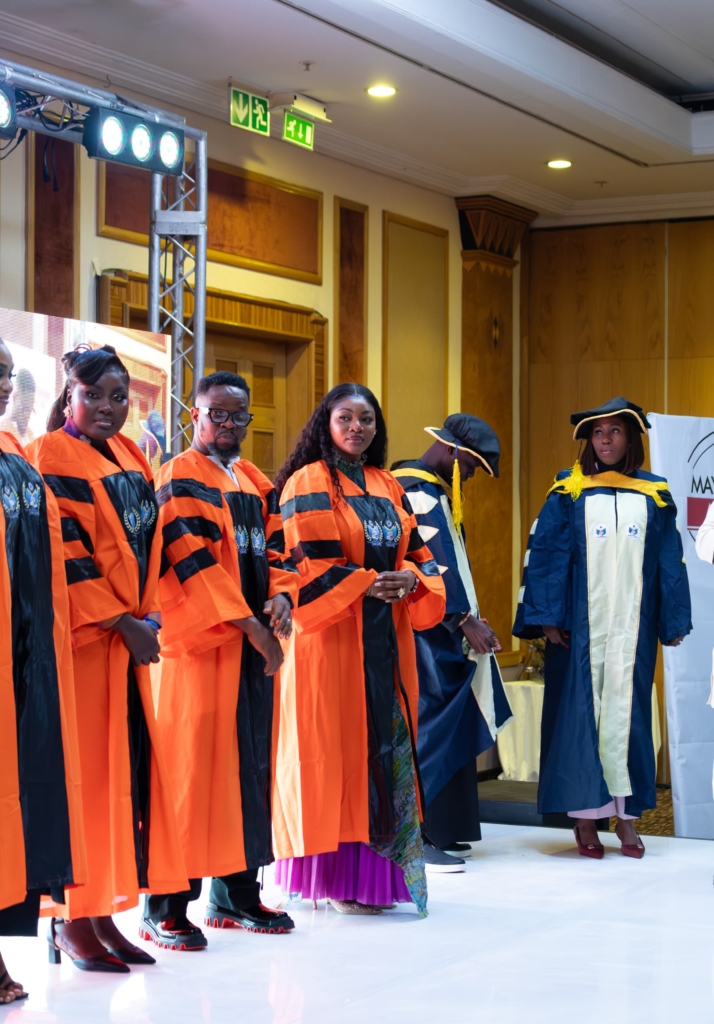
Princess Duncan, a fast-rising force in Ghana’s business and humanitarian space, has been honoured with an honorary doctorate by Prowess University, Delaware, USA.
At just her early age, Princess Duncan is already commanding attention on the African leadership stage, not only as Deputy Chief Executive of COA Research and Manufacturing Limited Company but also as a passionate advocate for peace across borders.
The prestigious recognition was conferred on her during the 2025 Africa’s Under 40 CEOs Awards and Summit held on Saturday, June 28, in Johannesburg, South Africa.
Aside from being acknowledged with an honorary doctorate, she was recognised as an Icon of African Economic Advancement 2025 at the Africa’s Under 40 CEOs awards and summit.
Her new title, “Doctor”, adds to an already powerful profile, placing her among the youngest female CEOs in Ghana to receive such international acclaim.
The honour is a proud extension of a legacy deeply rooted in service and vision.
Princess Duncan is the daughter of renowned Ghanaian scientist and philanthropist Professor Samuel Ato Duncan, the Executive President of COA Research and Manufacturing and traditional Nkosuohemaa of Frante Sekyeredumasi in the Ashanti Region.
Like her father, she has consistently demonstrated a firm commitment to using her platform to build peace, support community health, and inspire the next generation.
Following the conferral of the doctorate degree, she spoke exclusively to Ghanaian journalist Beyoncé Diamond Kpogli and expressed immense gratitude to the summit organisers and the awarding institution.
“I am deeply honoured by this recognition. It means the world to me,” she said. “To be acknowledged not just for what I’ve achieved, but for the values I stand for – it’s humbling.”
She added that the award is not an end but rather a spark for more ambitious work ahead. “This is only a stepping stone,” she noted. “Greater things are coming. We are born to serve humanity, and we will continue to do so until peace reigns again.”
Dr. Princess Duncan also used the platform to advocate for peace, stressing that without unity and stability, true development remains impossible.
“Without peace, we cannot grow or develop as individuals or a nation. That’s why it’s crucial to end all conflicts and embrace peace. We owe that to ourselves, to our future, and to the next generation,” she emphasised.
The event was well attended by young, influential CEOs from across Africa. The event celebrated innovation, leadership, and impact, spotlighting individuals shaping the continent’s future.
Princess Duncan has long been admired for her blend of grace, discipline, and tenacity. Whether in boardroom decisions or community development projects, she brings a rare sense of clarity and compassion to her work.
More than half of the people living with HIV/AIDS have not sought the life-saving antiretroviral therapy treatment, the Ghana AIDS Commission (GAC) has revealed.
In its 2024 national and sub-national HIV estimates and projections, the commission reports that 334,721 people living with HIV, accounting for 47 per cent of that population, are currently on antiretroviral therapy treatment, with 52.6 per cent without treatment.
The commission has described the situation as “alarming”, warning of its potential to derail national efforts to control the epidemic.
The current situation, it said, had left the lives of the entire population, including non-HIV patients, at risk.
The Ghana AIDS Commission made this known at a press briefing in Accra last Thursday, where government officials, health experts and development partners convened to assess the country’s HIV control efforts.
The Director of Research, Monitoring and Evaluation at the commission, Isaiah Doe Kwao, said the figures fell short of the global 95-95-95 targets set by the United Nations programme for HIV and AIDS, UNAIDS, for 95 per cent of people living with HIV to know their status, 95 per cent of those diagnosed to be on treatment and 95 per cent of those on treatment to achieve viral suppression.
Statistics
Breaking down the statistics, Mr Kwao explained that 15,290 new HIV infections were recorded in 2024 alone, and that although 12,614 AIDS-related deaths were recorded, an estimated 12,358 deaths were prevented due to access to treatment.
He said the data underscored the urgent need to expand access to antiretroviral therapy treatment.
Mr Kwao stated that women and children continued to bear a disproportionate burden, with 68.5 per cent (10,303) of new infections occurring in females and 5.4 per cent (1,243) occurring in children under 15.
He remarked that although Ghana boasts that 99.3 per cent of HIV-positive mothers now receive prevention of mother-to-child transmission, more needed to be done to ensure effective follow-up and treatment to reduce the figures.
He added, however, that the records for males were 4,987, while adults aged 15 and older recorded 11,289 out of the 15,290 new cases.
Stigma, other challenges
The Deputy Chief of Staff, Nana Oye Bampoe Addo, said issues such as misinformation, disinformation, stigma, discrimination, individual economic challenges, inadequate lifesaving services and recent funding cuts had contributed to derail progress.
“Regardless, we are determined to ensure sustained domestic financing, including the recent suspension of USAID’s international funding programme; integrate HIV priorities into broader health and development strategies, and adopt innovative, data-driven approaches to enhance service delivery.
No one should be left behind in our HIV response,” she emphasised.
She also cautioned that every HIV-positive person who was not on treatment was one step closer to advanced illness and AIDS-related death, which she said was unacceptable. She stressed that, especially in present times, there should not be such a wide treatment gap.
As Ghana prepares to host the 2025 International Conference on AIDS and sexually transmitted infections (STIs) in Africa (ICASA), the Deputy Chief of Staff called on stakeholders, government institutions, health workers, donors, researchers, community advocates and civil society leaders to reflect deeply on the findings from these estimates and turn them into purposeful action.
Regional statistics
On the regional level, Greater Accra recorded 3,436 new infections, Ashanti Region, 2,997, Eastern Region, 2,019, Central Region, 1,140, Western Region, 1,120, Bono Region recorded 875, while Volta Region recorded 809 new infections.
Bono East recorded 649, Western North recorded 478, Ahafo Region recorded 350, Upper East Region recorded 345, Northern Region recorded 318, Upper West recorded 292, Oti Region recorded 222, Savannah Region recorded 143, while the North East Region recorded 97.