Rokmer Pharma Ltd

terms and conditions for using Rokmer Pharma’s website

Blog No Sidebar

terms and conditions for using Rokmer Pharma’s website

Ghana Herbal Conference organisers pay courtesy call on Ashanti Regional Minister ahead of Nov. event

Ghana Herbal Conference organisers pay courtesy call on Ashanti Regional Minister ahead of Nov. event

The organising committee of the Ghana Herbal Conference has paid a courtesy call on the Ashanti Regional Minister at his office in Kumasi ahead of the Ghana Herbal Conference, 2025.

The visit was to formally congratulate Dr. Frank Amoakohene on his appointment as the Ashanti Regional Minister and to discuss the upcoming Ghana Herbal Conference slated for December 3rd or 5th, 2025, at the Prempeh Assembly Hall in Kumasi.

The delegation, led by members of the planning and technical committee of the Ghana Herbal Conference, used the opportunity to introduce themselves and the conference to the Minister.

They also extended an official invitation to the Minister and expressed the hope that the Ministry would support efforts to promote the herbal medicine industry in Ghana.

Dr. Frank Amoakohene, while expressing gratitude for the visit and the congratulatory message, pledged his support for the upcoming event.

He noted that the Ghana Herbal Conference aligns with the government’s broader agenda of promoting local industries, preserving indigenous knowledge systems, and expanding access to alternative healthcare.

He further emphasised the importance of herbal medicine in Ghana’s public health space and its potential for economic empowerment, especially among rural communities and traditional medicine practitioners.

“The government of Ghana has, in recent years, taken active steps to support the herbal medicine sector. This includes the integration of herbal medicine into selected public hospitals through the Centre for Plant Medicine Research (CPMR), as well as the Food and Drugs Authority’s continued efforts in regulating and registering herbal products to ensure public safety and international competitiveness.

“Additionally, the Health Ministry has been collaborating with traditional medicine practitioners to strengthen research, improve quality control, and develop a national policy framework for traditional and alternative medicine,” Dr. Amoakohene stated.

The Chief Director for Global Media Alliance, Ms. Emma Wenani, expressed her gratitude to the Minister for welcoming the team to his office and accepting the invitation extended to him.

“We are grateful for your willingness to support the Ghana Herbal Conference and for accepting our invitation.

“We look forward to more collaborations to championing indigenous herbal knowledge, promoting safe and effective herbal medical practices, and fostering innovation in the herbal medicine sector,” she mentioned.

The organisers of the Ghana Herbal Conference expressed optimism that the active involvement of government stakeholders, especially regional leadership, would significantly boost participation, stakeholder engagement, and public trust in herbal medicine initiatives.

They further assured the Minister that the November 2025 conference would serve as a strategic platform for investment, policy advocacy, and the celebration of Ghana’s rich herbal heritage.

The Ghana Herbal Conference 2025, under the theme “Harmony in Herbalism: Balancing Tradition & Innovation, is committed to championing indigenous herbal knowledge, promoting safe and effective herbal medical practices, and fostering innovation within the herbal industry.

It is committed to advancing the country’s herbal medicine industry by fostering dialogue, collaboration, and scientific research aimed at promoting development and standardisation.

With a focus on global recognition, the conference envisions positioning Ghana as a leading hub for high-quality, evidence-based herbal medicine and indigenous health systems.

The conference, organised by Global Media Alliance (GMA), will feature plenary sessions, exhibitions, product showcases, stakeholder engagement, and live herbal demonstrations.

terms and conditions for using Rokmer Pharma’s website

NCD Alliance hails MahamaCares; urges safeguards against ‘unhealthy’ industries

NCD Alliance hails MahamaCares; urges safeguards against 'unhealthy' industries

The Ghana NCD Alliance, a coalition of civil society organisations and individuals living with non-communicable diseases, has warmly welcomed the recent passage of the Ghana Medical Trust Fund, popularly known as ‘MahamaCares’.

In a statement issued today, August 5, the alliance commended the government’s “bold and timely intervention” but also raised critical concerns, calling for a comprehensive framework to limit the involvement of industries whose products contribute to NCDs.

The Ghana Medical Trust Fund Bill was passed by Parliament on Tuesday, July 22, 2025, and subsequently assented into law by President John Dramani Mahama.

The President’s personal donation of his six months’ salary as seed funding was hailed by the alliance as a “testament of the government’s commitment” and a “profound understanding of the urgency of the NCDs crisis”.

“We receive this bold and timely intervention with profound gratitude and renewed hope,” the statement read.

“Transforming from a party campaign manifesto promise to its official launch and the successful passage of the Trust Fund in Parliament… is a testament of the government commitment to reducing the catastrophic out-of-pocket expenses people living with NCDs and families face daily just to access treatment and care.”

The alliance noted that for too long, Ghanaians, especially the poor and vulnerable, have struggled with inadequate access to essential NCD services and limited financial protection.

The Ghana NCD Alliance also praised the appointment of Madam Obuobia Darko-Opoku as the administrator of the Fund, describing her role as a “pivotal responsibility that offers an opportunity to build a robust and sustainable mechanism for NCD care in Ghana.”

They urged her to adopt a multisectoral approach, collaborating with various ministries, agencies, civil society groups, and professional associations.
While expressing gratitude, the alliance raised two critical concerns regarding the new law:

  1. Limited Stakeholder Engagement: The alliance noted with concern the “limited stakeholder engagement” that preceded the fund’s passage. Citing the World Health Organization’s (WHO) framework, they stressed that “it is essential that patients, caregivers, civil society, and professional bodies are meaningfully engaged in every step, from policy formulation through to implementation and monitoring.”
  2. Risk of Industry Infiltration: The second and most significant concern was the open-ended provision in Clause 3 of the Bill for funding sources. The alliance warned that without “explicit safeguards, the Fund risks infiltration by industries whose products—such as tobacco, alcohol, and sugar-sweetened beverages—are known contributors to NCDs.”

The alliance stressed that allowing contributions from these “unhealthy commodity industries” would “create dangerous public health contradictions, legitimise these industries’ role in national health policy, undermine excise tax policies, and could also erode public trust in the Fund.”

Recommendations for a Sustainable Fund:

To ensure the fund’s sustainability and independence, the Ghana NCD Alliance proposed several recommendations:

  • Ring-fencing Excise Taxes: At least 50% of the excise tax revenues on products like tobacco, alcohol, and sugary drinks should be “ring-fenced to support the Funds.”
  • Increased Excise Taxes: The alliance called on the Ministry of Finance and the Ghana Revenue Authority (GRA) to increase excise tax rates on these harmful products and to reject any industry lobbying for tax reductions.
  • Decentralization: They urged the government to strengthen the decentralization measures in the Act to ensure the fund “reaches those who really require the financial protection and support” in rural and underserved communities.
  • Comprehensive Care: The fund, they stated, must guarantee equitable access to NCD diagnostics, treatment, and care, and should integrate “psychosocial support systems and mental health services,” which are often neglected.

The alliance concluded by affirming Ghana’s exemplary leadership in the global response to NCDs, citing its active role in various international forums and its own national policies.

They believe the new Ghana Medical Trust Fund further cements the country’s position as a beacon in Africa and beyond, serving as a statement of Ghana’s commitment to achieving Universal Health Coverage (UHC) and the Sustainable Development Goals (SDGs), particularly SDG 3.4, which aims to reduce premature deaths from NCDs by one-third by 2030.

terms and conditions for using Rokmer Pharma’s website

China pushes for enhanced China-Ghana cooperation in healthcare

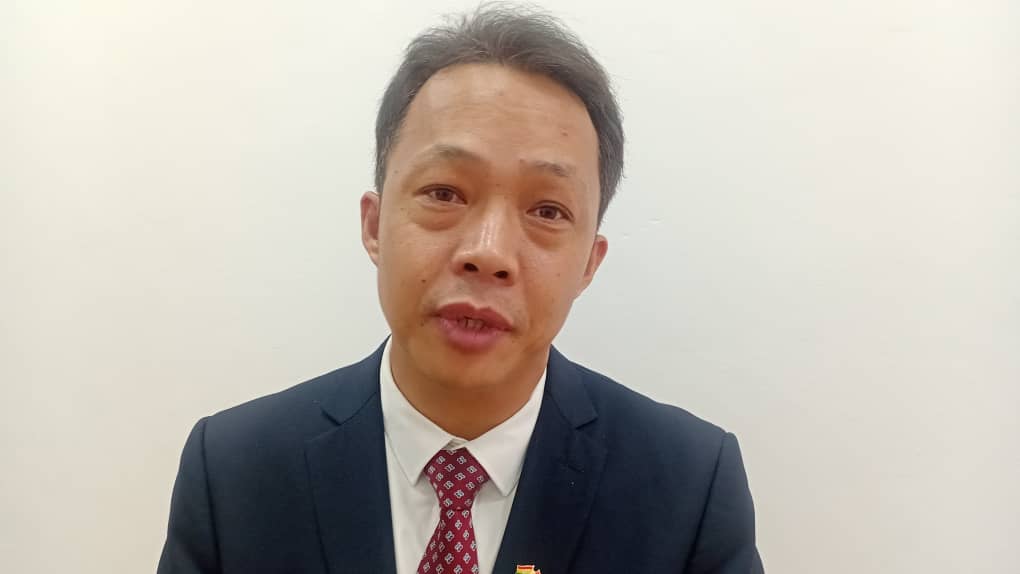
General Surgeon at LEKMA Hospital in Accra, Chief Physician Dr Yongguang Yang, MD, PhD

General Surgeon at LEKMA Hospital in Accra, Chief Physician Dr Yongguang Yang, MD, PhD, has underscored the importance of deeper collaboration between China and Ghana in advancing medical standards, particularly in minimally invasive surgery.

Speaking at the maiden China-Ghana Minimally Invasive Surgery Knowledge Summit, Dr Yang emphasised that medical teams deployed to Ghana are selected from top universities in Guangdong, a region renowned for its economic strength and leadership in medical innovation.

“This mission allows us to introduce advanced Chinese medical concepts and technologies, which are of great significance in improving healthcare delivery in Ghana,” he stated.

He is the Consultant General Surgeon and Captain of the 14th China Medical Team to Ghana, a team of medical professionals who arw in the country to share their knowledge on the topic.

Dr Yang highlighted the benefits of minimally invasive surgical techniques, noting their potential to significantly improve the operational efficiency of Ghana’s healthcare system. He stressed the importance of the Chinese Medical Team’s partnership with Essence, aimed at fostering mutual learning and the exchange of best practices.

“Together with our Ghanaian counterparts, we aim to build a strong bridge for knowledge sharing and the dissemination of advanced medical concepts,” he said.

Dr Yang expressed hope for future medical forums that would strengthen bilateral ties and support Ghana’s healthcare goals.

“Beyond improving Ghana’s medical situation, our continued collaboration also seeks to deepen the friendship between our two countries — a central mission of the Chinese Medical Team,” he concluded.

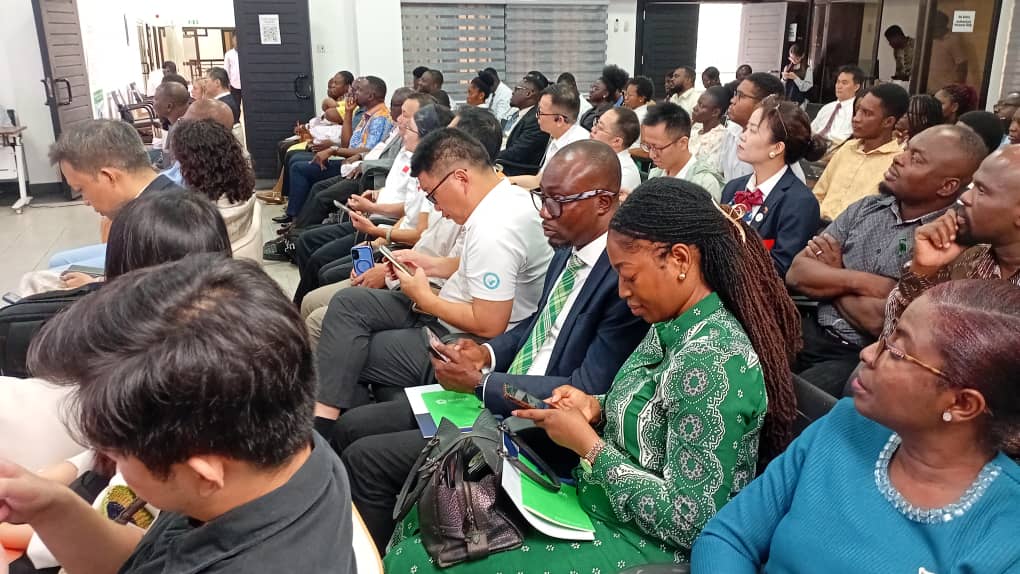
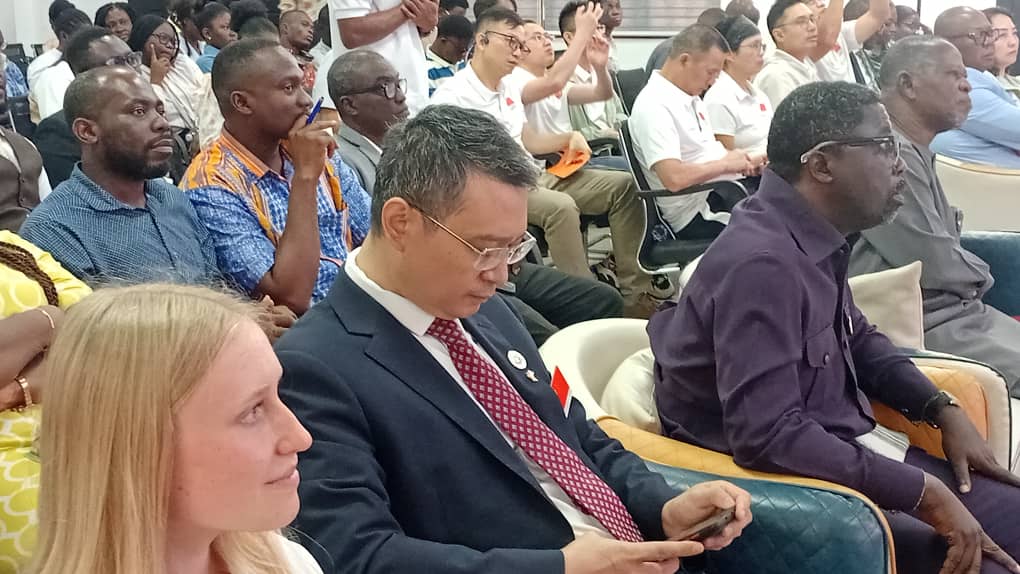
The summit, held at the University of Ghana on Thursday, 31st July, brought together seasoned experts who exchanged ideas on the latest developments in the field of minimally invasive surgery.

Discussions centred on the use of advanced technologies, including robotics, and research-led approaches to improve surgical practices in both countries.

Medical professionals from China joined the event virtually to share their experiences and insights, complementing in-person presentations from Ghanaian counterparts.

terms and conditions for using Rokmer Pharma’s website

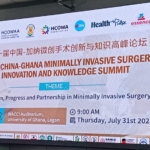
Ghana hosts first China-Ghana minimally invasive surgery innovation and knowledge summit

Ghana hosts first China-Ghana minimally invasive surgery innovation and knowledge summit

Ghana has hosted the inaugural China-Ghana Minimally Invasive Surgery Innovation and Knowledge Sharing Summit in Accra, bringing together leading medical professionals from the two countries.

The summit, held at the University of Ghana on Thursday, 31st July, brought together seasoned experts who exchanged ideas on the latest developments in the field of minimally invasive surgery.

Ghana hosts first China-Ghana minimally invasive surgery innovation and knowledge summit

Discussions centred on the use of advanced technologies, including robotics, and research-led approaches to improve surgical practices in the two countries.

Some medical professionals from China joined the event virtually to share their experiences and insights, complementing in-person presentations from Ghanaian counterparts and some of the Chinese doctors.

Ghana hosts first China-Ghana minimally invasive surgery innovation and knowledge summit
Consultant General Surgeon and Captain of the 14th China Medical Team to Ghana, Chief Physician Dr Yongguang Yang, MD, PhD,

Speaking to JoyNews on the sidelines of the event, Consultant General Surgeon and Captain of the 14th China Medical Team to Ghana, Chief Physician Dr Yongguang Yang, MD, PhD, highlighted the importance of the collaboration.

Ghana hosts first China-Ghana minimally invasive surgery innovation and knowledge summit

“Each year, medical teams dispatched to Ghana are selected from outstanding universities in Guangdong. Guangdong is not only economically advanced but also a leader in medical innovation in China,” he said.

Dr Yang, who is also a Master’s Advisor and Postdoctoral Co-Supervisor at the Department of General Surgery, Affiliated Hospital of Guangdong Medical University, and General Surgeon at LEKMA Hospital in Accra, added:

Ghana hosts first China-Ghana minimally invasive surgery innovation and knowledge summit

“This mission allows us to introduce advanced Chinese medical concepts and technologies. It holds great significance for the enhancement of Ghana’s medical standards. Through our partnership with Essence, we are able to share China’s extensive medical experience.”

Specialising in hepatobiliary, pancreatic, and hernia conditions, Dr Yang noted that the integration of minimally invasive surgery into Ghana’s healthcare system could significantly boost operational efficiency.

Ghana hosts first China-Ghana minimally invasive surgery innovation and knowledge summit

“We hope to build a bridge between the Chinese Medical Team and Essence, working collaboratively with Ghanaian medical professionals. Together, we aim to elevate the healthcare landscape and share forward-thinking medical solutions,” he stated.

On the role of technology in medicine, Dr Yang stressed the importance of sustained collaboration between the two nations.

Ghana hosts first China-Ghana minimally invasive surgery innovation and knowledge summit

“We look forward to deeper cooperation between China and Ghana, particularly in promoting medical technologies and training healthcare personnel,” he said.

“Our hope is to convene more medical forums in the future through the Chinese Medical Team and other platforms, facilitating greater knowledge exchange and strengthening the longstanding friendship between our countries — a core objective of our medical mission,” he added.

Ghana hosts first China-Ghana minimally invasive surgery innovation and knowledge summit
Dr Nabil Nuamah, General Surgery Consultant and Hepatobiliary Surgeon at the 37 Military Hospital

Also speaking at the summit, Dr Nabil Nuamah, General Surgery Consultant and Hepatobiliary Surgeon at the 37 Military Hospital in Accra, welcomed the initiative with enthusiasm.

“I’m quite excited about this summit. China partnering with us presents a tremendous opportunity for Ghanaian doctors and trainers involved in non-invasive surgical practices,” he said.

“China is a country with advanced technology and strong human resource capacity. Tapping into their expertise and equipment is invaluable for our progress in this field.” he added.

Ghana hosts first China-Ghana minimally invasive surgery innovation and knowledge summit

The summit, themed “Precision, Progress, and Partnership in Minimally Invasive Surgery,” was supported by the Ghana Health Service, China-Ghana Medical Team, HCOWA Association, University of Ghana, LEKMA Hospital, GAMLS, Ghana Association of Medical Herbalists, and other key stakeholders in the healthcare sector.

terms and conditions for using Rokmer Pharma’s website

La General Hospital will be completed before 2028 – MP for La Dade-Kotopon

La General Hospital will be completed before 2028 – MP for La Dade-Kotopon

The long-stalled redevelopment of the La General Hospital is set to be completed “in two years”, well before 2028, the Member of Parliament (MP) for La Dade-Kotopon, Rita Naa Odoley Sowah, has assured.

The MP affirmed the government’s commitment to finish the project during a site visit today by a JoyNews team, where she provided an update on the progress of the long-awaited healthcare facility.

The La General Hospital, a critical healthcare hub for the community, was demolished in 2020 to make way for a new, modern 164-bed facility.

However, the project has faced significant delays, becoming a source of frustration for residents who have been forced to travel to other hospitals for basic healthcare services.

During the site visit, the MP, who now serves as the Deputy Minister for Local Government, Chieftaincy, and Religious Affairs, explained the bureaucratic processes that have slowed down the project’s progress.

“When there’s a new government, you have to look into documents of the old government to continue whatever projects are supposed to be done or whatever projects are ongoing,” she said, highlighting the administrative transition that followed the change in government.

She revealed that she has been in close contact with the Minister of Health, who has assured her that the necessary “certificates have been raised” and are currently being processed at the Ministry of Finance.

“He has assured me that the certificates are at the Ministry of Finance and it’s been worked on,” she noted.

A key part of the process, she explained, is conducting site visits to “ascertain the fact that the work that they claim they have done, they have really done to that level.”

The MP expressed confidence in the project’s completion, citing the strong working relationship she shares with the Minister of Health.

“I’ve been in touch with the Minister, like I said, to the extent that I even wrote to him to ensure that he will not forget us,” she stated.

When pressed for a timeline for completion, the MP provided a firm and optimistic projection.

“So the work was not [stalled]. When we came into power, work was ongoing. Like I said, they raised certificates and so the certificates are yet to be on it. And so I believe in two years’ time, since we are at about 30% work done so far, yes, so I believe in two years’ time, it should be completed so that we’ll be able to use the health facility and it will not go to 2028, believe you me,” she said.

The MP’s new assurance suggests a renewed push to expedite the construction, which is currently reported to be at around 30% completion.

The La General Hospital project is a vital component of the government’s infrastructure development agenda, particularly in the health sector.

The new facility is designed to include a five-story Outpatient Department, inpatient wards, maternity and neonatal services, a surgical unit with four operating theatres, and a modern accident and emergency department, among other key services.

The project’s completion is expected to significantly ease the burden on other major hospitals in the Greater Accra Region, such as the Ridge Hospital and the Korle-Bu Teaching Hospital, which have been serving the community in the absence of the La General Hospital.

The MP concluded by referencing the new administration’s commitment to healthcare.

“We have a father who cares. That’s why we are coming up with the Mahama care to ensure that there’ll be healthcare for all citizens of Ghana,” she said, linking the project’s renewed progress to the government’s broader vision for universal healthcare.

terms and conditions for using Rokmer Pharma’s website

Ghana closes healthcare quality triangle as private sector joins SafeCare framework

Ghana closes healthcare quality triangle as private sector joins SafeCare framework

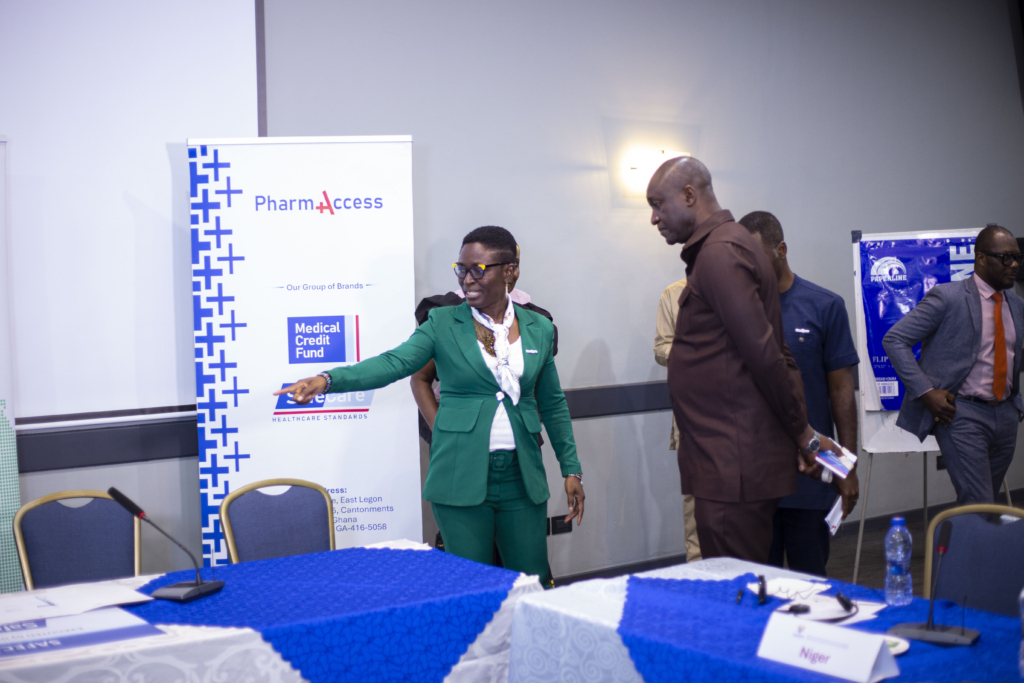
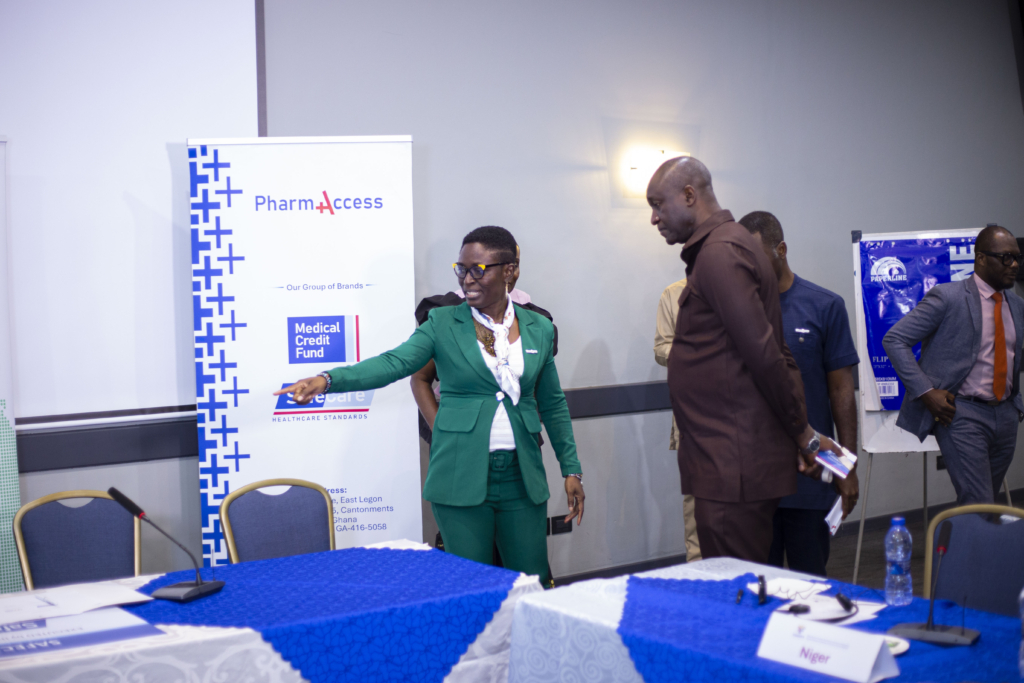
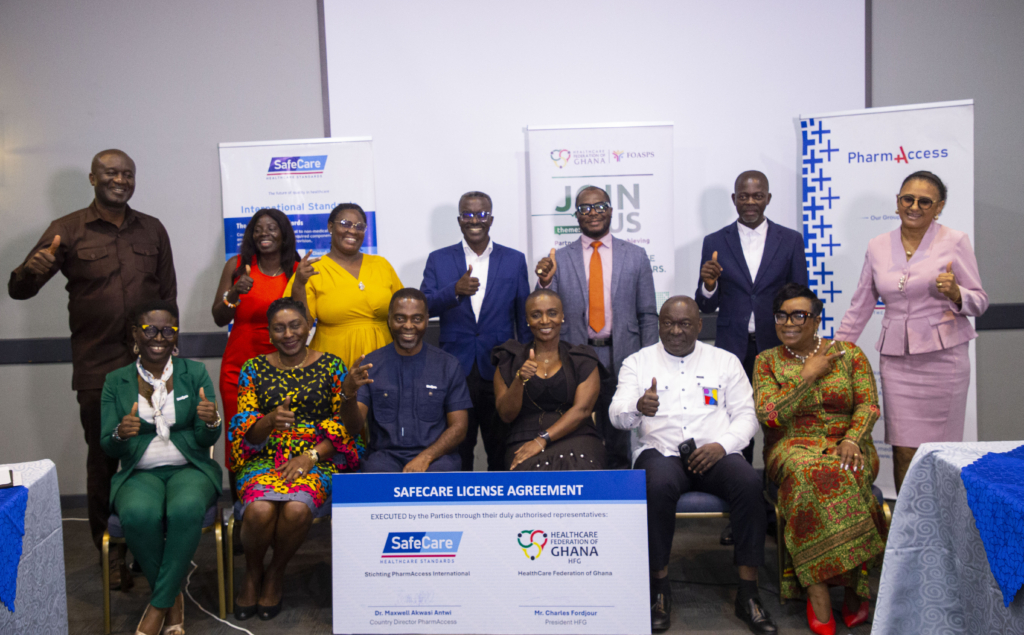
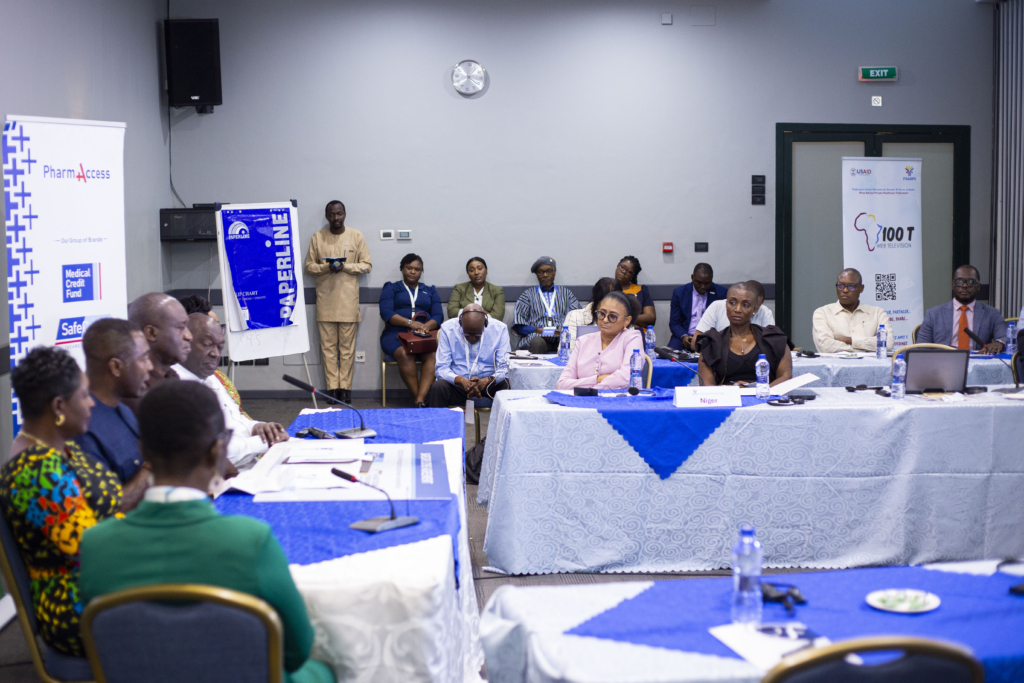
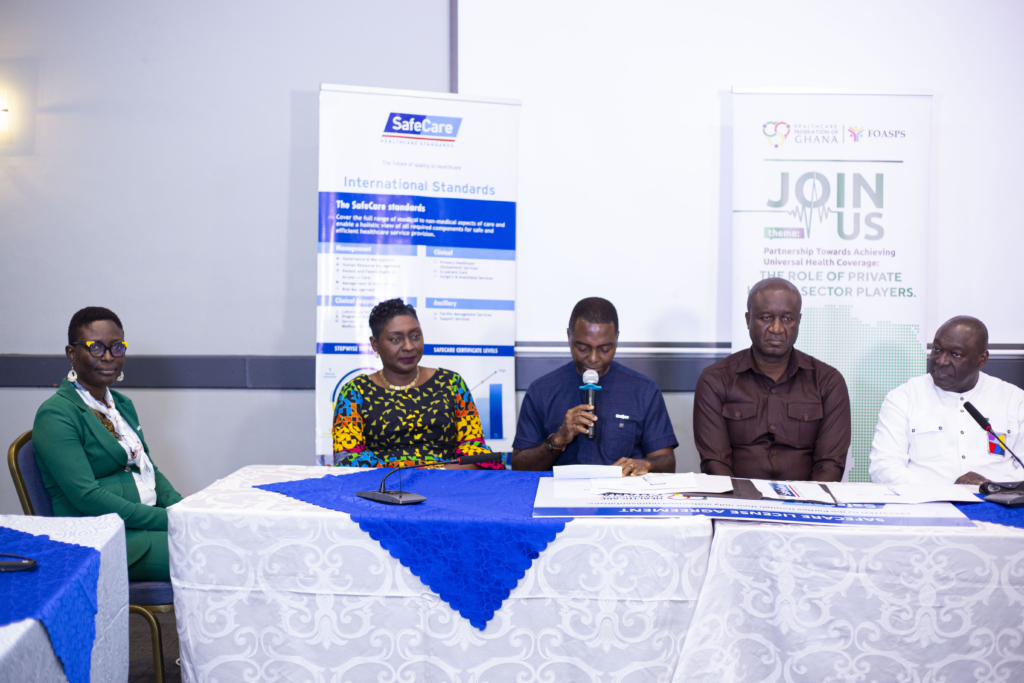
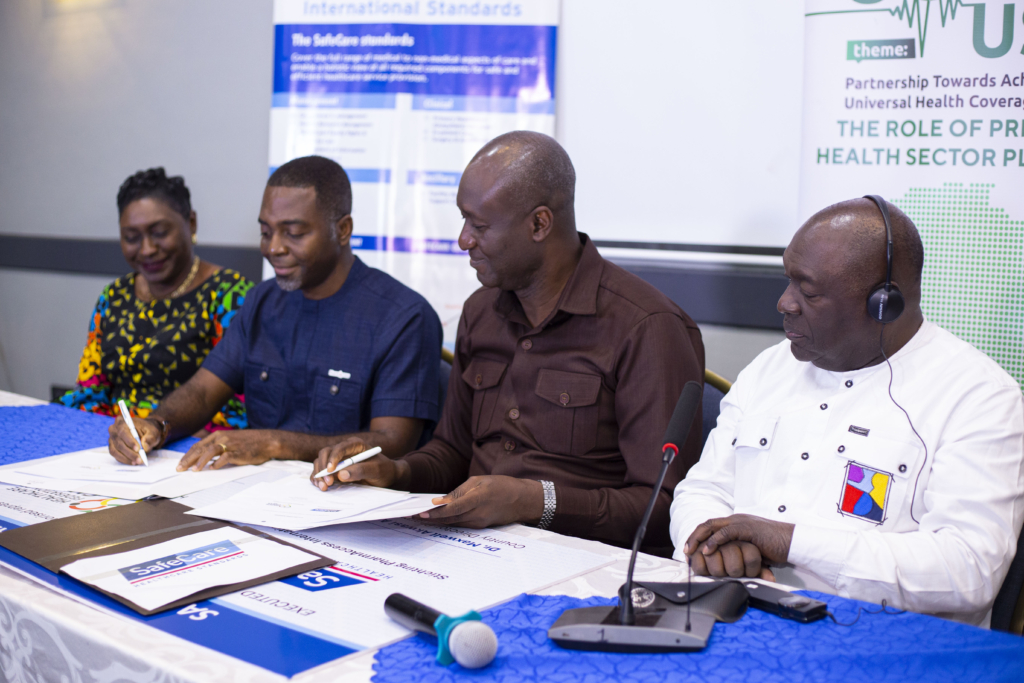
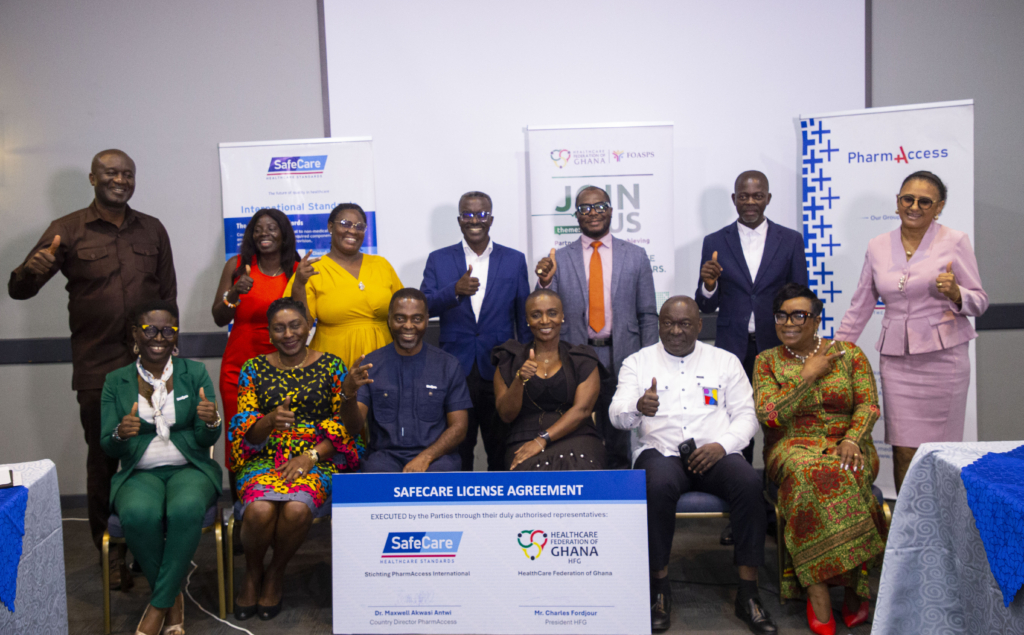
Ghana has achieved a major milestone in its national healthcare quality improvement journey, as the private health sector formally joins the SafeCare quality framework through a licensing agreement between the Healthcare Federation of Ghana (HFG) and PharmAccess.

The agreement marks a significant policy and operational shift, as it brings together all three major pillars of Ghana’s healthcare system – public, ‘private, and faith-based – under one quality improvement model. This alignment makes Ghana one of the few African countries to establish a unified, cross-sectoral framework for assessing, improving and benchmarking healthcare quality.

Ghana closes healthcare quality triangle as private sector joins SafeCare framework

In an interview with JoyNews, Country Director for SafeCare at PharmAccess Ghana, Bonafasia Agyei, said the new licensing agreement with the Healthcare Federation of Ghana completes a long-standing effort to align all key sectors of the country’s health system – public, private and faith-based – under one unified quality improvement framework.

She explained that SafeCare has already been successfully implemented within the faith-based healthcare facilities. At the same time, the Ghana Health Service (GHS) is steadily adopting the model as part of its national quality improvement efforts.

Ghana closes healthcare quality triangle as private sector joins SafeCare framework

The SafeCare Country Director further added that with the private sector now formally on board, Ghana can move forward with a comprehensive approach to improving healthcare quality across all levels and providers.

“Until now, what remained was the private sector. Today marks a significant day and a major milestone. Through this licensing agreement with the Healthcare Federation of Ghana, we have effectively closed the triangle. We now have all major healthcare sectors – public, private, and faith-based – on board.”

Ghana closes healthcare quality triangle as private sector joins SafeCare framework

“This agreement gives us the opportunity to fully engage the private sector and support them in institutionalising quality care. Through the Healthcare Federation, we will be able to access private healthcare facilities and implement the SafeCare standards and processes to help build and sustain a long-term culture of quality,” she said.

For the past five years, PharmAccess has partnered with the Christian Health Association of Ghana (CHAG) to institutionalise SafeCare standards within faith-based facilities. At the same time, collaboration with the Ghana Health Service has seen strong momentum toward adopting SafeCare as a national quality strategy within the public sector.

Ghana closes healthcare quality triangle as private sector joins SafeCare framework

With the private sector now formally integrated, the SafeCare model becomes a nationwide standard. Through the agreement, PharmAccess will support HFG to train assessors and roll out SafeCare across its vast and diverse membership – ranging from maternity homes and hospitals to pharmacies and laboratories.

“This agreement gives us the opportunity to fully engage the private sector and support them in institutionalising quality care. Through the Healthcare Federation, we will be able to access private healthcare facilities and implement the SafeCare standards and processes to help build and sustain a long-term culture of quality,” Ms. Agyei explained.

According to her, the impact of this integration is both clinical and operational. Facilities that adopt SafeCare are expected to improve client satisfaction, enhance service delivery and boost patient outcomes. But the benefits go even deeper – into how facilities are run, financed and perceived by partners and investors.

Ghana closes healthcare quality triangle as private sector joins SafeCare framework

“Studies have shown that within about two years of implementing SafeCare, healthcare providers also achieve significant efficiency gains. That’s because SafeCare doesn’t just focus on clinical care—it looks at the entire ecosystem around service delivery: how you manage your stock, how you treat your clients, how the business side of care is handled.

By using SafeCare standards, facilities enhance their efficiency, reduce operational risks, and become more attractive to investors and development partners. This is a powerful opportunity for private sector healthcare providers to grow their businesses, improve service quality, and deliver better outcomes to the people they serve,” she indicated.

SafeCare is a digitally supported and continuous quality improvement cycle. Under this new phase, a cohort of professionals from within HFG will be trained as internationally certified assessors. These assessors will evaluate facilities using globally recognised SafeCare standards and then work alongside quality facilitators to support improvements through targeted coaching and structured planning.

“This improvement cycle will continue, building and reinforcing a sustainable culture of quality within the private health sector,” Agyei said.

Ghana closes healthcare quality triangle as private sector joins SafeCare framework

One of the most transformative features of this model is the ability to benchmark quality across sectors. With SafeCare now active in the public, private, and faith-based spaces, Ghana can for the first time speak a common language of quality – allowing for performance comparisons, shared learning and recognition of excellence.

 “Another key benefit of this approach is benchmarking. With SafeCare now present in the public, private, and faith-based sectors, we’re using a common language and framework to measure quality. This allows us to accurately assess and compare facilities across sectors, identify high performers, and drive improvements across the entire health system in Ghana,” she said.

The quality healthcare assessor described the licensing agreement not simply as a contractual event but as a transformational step toward building a healthcare system that is accountable, patient-focused, and globally competitive.

With this “triangle of quality” now complete, Ghana’s health system is poised to enter a new era – where quality is not fragmented or optional, but embedded and measurable across every level of care.

terms and conditions for using Rokmer Pharma’s website

70% of Ghana’s health facilities private, embrace SafeCare to improve quality care

70% of Ghana's health facilities private, embrace SafeCare to improve quality care

Ghana’s private healthcare sector, which accounts for the majority of health facilities in the country, is taking a bold step toward quality assurance and global alignment by embracing the internationally recognised SafeCare standards.

At the centre of this transformation is the Healthcare Federation of Ghana (HFG), which has secured a license to roll out SafeCare Version 5 – recently accredited by the International Society for Quality in Healthcare (ISQua) – across its broad membership of hospitals, clinics, maternity homes, hospitals, pharmacies, laboratories, wholesalers and manufacturers.

According to HFG President, Mr. Charles Fordjour, the role of the private sector in Ghana’s healthcare delivery is both dominant and indispensable.

“Over 70% of facilities in Ghana fall under what we call the private sector. In the same way, when it comes to utilisation of healthcare, over 60% of Ghanaians access healthcare in the private sector,” he stated.

Despite this critical role, the sector has long lacked a unifying quality benchmark that could ensure consistency, safety and transparency across its many provider types. That gap, Mr. Fordjour argued, is what makes the partnership with PharmAccess – licensing SafeCare standards to HFG – so timely and essential.

The SafeCare model offers a structured path for facilities to improve service delivery through a cycle of assessments, capacity building and continuous quality improvements. Facilities that achieve accreditation under SafeCare can confidently claim that their services meet international benchmarks for safety, performance and patient experience.

“It is very critical that we come together as private sector players to ensure that whatever we do is aligned with global standards,” Mr. Fordjour said.

Under the new arrangement, PharmAccess will train healthcare professionals under HFG as quality assessors who will be responsible for guiding member facilities through the SafeCare certification process. This shift places responsibility and ownership of quality squarely within the private sector – moving from external audits to sector-led quality leadership.

The Federation believes that the SafeCare rollout will improve health outcomes, strengthen patient trust and make Ghana’s private providers more competitive both locally and regionally. It also opens up new opportunities for collaboration with private insurers, employers and international partners who are increasingly demanding verifiable quality standards from healthcare providers.

As Ghana seeks to modernise its healthcare system and reduce inequality in care quality across regions and providers, SafeCare accreditation may well become the standard that distinguishes reliable facilities from the rest and positions the country as a serious player in regional healthcare delivery.

terms and conditions for using Rokmer Pharma’s website

SafeCare a game-changer – Healthcare Federation of Ghana poised to improve patient care

SafeCare a game-changer - Healthcare Federation of Ghana poised to improve patient care

Ghana’s private health sector is embracing SafeCare accreditation as a strategic shift to raise healthcare standards and position the country as a competitive hub for medical tourism in West Africa.

The initiative, led by the Healthcare Federation of Ghana (HFG), seeks to embed globally recognised quality benchmarks across private facilities nationwide.

With over 70% of all health facilities in Ghana operating under the private sector and more than 60% of citizens relying on them, the rollout of SafeCare Version 5, recently accredited by the International Society for Quality in Healthcare (ISQua), is expected to significantly improve both patient trust and service delivery.

SafeCare a game-changer - Healthcare Federation of Ghana poised to improve patient care

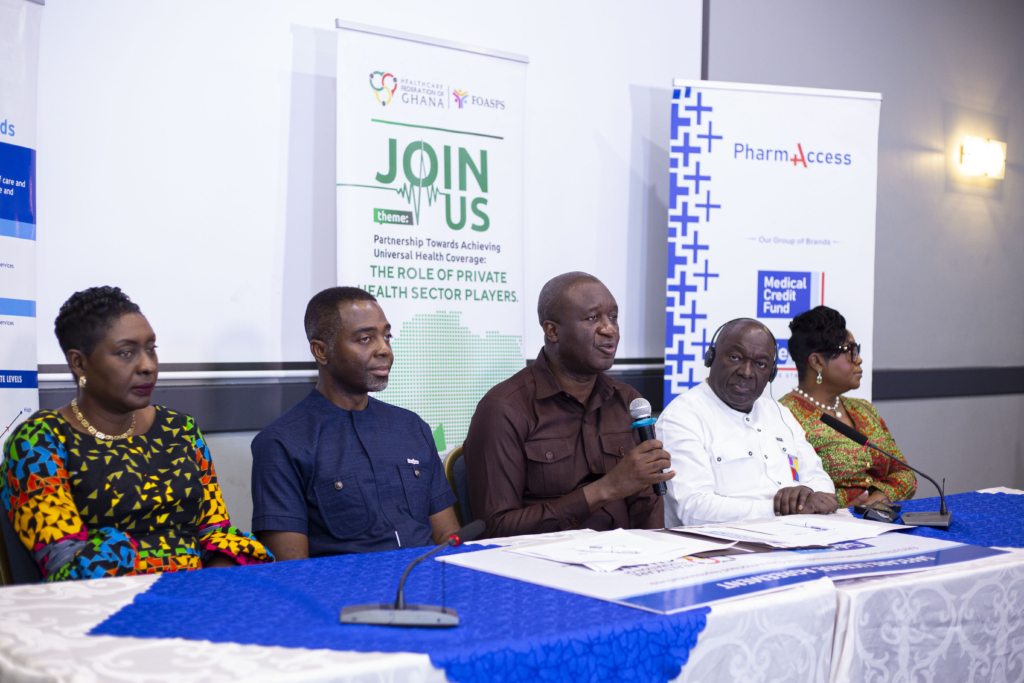
Speaking at the signing ceremony of the SafeCare Licensing Agreement in Accra, President of the Healthcare Federation of Ghana (HFG), Charles Fordjour described the move as a turning point.

“Today is a very important day in the annals of what we aim to achieve for our country, Ghana. Healthcare is wealth, and healthcare is what will drive the economy. Whatever we must do to ensure that every Ghanaian has access to quality healthcare is what we are committed to pursuing,” he said.

Mr. Fordjour explained that the partnership with PharmAccess will enable HFG to train assessors and accredit its member facilities under the SafeCare model. This means that private clinics, hospitals, pharmacies and even medicine importers under the federation will now work toward meeting internationally benchmarked quality standards.

SafeCare a game-changer - Healthcare Federation of Ghana poised to improve patient care

He added that, “So, as a Ghanaian, anywhere you go and see the SafeCare logo, it tells you that when you enter that facility and access healthcare, it is comparable to what you would get globally.”

Beyond improving domestic healthcare outcomes, the HFG President indicated that SafeCare is also a strategic tool to reverse the tide of outbound medical tourism, where Ghanaians with financial means travel abroad for treatment due to perceived quality gaps at home.

SafeCare a game-changer - Healthcare Federation of Ghana poised to improve patient care

“We want to minimise outbound medical tourism and position Ghana as a destination for medical tourism. Most people with money, when they want to access healthcare, do not travel to another country to go to the public sector. They seek care in the private sector of that neighboring country,” the HFG president said.

He stressed that only quality-driven, verifiably accredited care will convince international patients and regional neighbours to see Ghana as a serious contender in healthcare delivery. To that end, the Federation sees SafeCare not just as a technical framework, but as a bold economic and health policy intervention.

SafeCare a game-changer - Healthcare Federation of Ghana poised to improve patient care

“The way we can convince the whole world and the rest of West Africa and sub-Saharan Africa – that Ghana is a destination for medical tourism is through the quality accreditation we have. That is why we say this is a game changer for private healthcare in Ghana,” Mr. Fordjour said.

To support uptake, HFG also plans to work closely with private insurers, HR departments and other corporate players within the healthcare system to promote SafeCare-certified facilities as preferred providers. This, Federation noted, will help guarantee consistent and reliable healthcare experiences for workers and their families.

SafeCare a game-changer - Healthcare Federation of Ghana poised to improve patient care

He further said that, “When your employee goes to a facility with SafeCare accreditation, you are guaranteed assured care. We promise you that together, Ghana will be a different place and by extension, West Africa will be a different place.”

With SafeCare Version 5 now in hand, Ghana’s private sector is signalling that the path to healthcare excellence begins with quality and that it is ready to lead that journey on the continent.

terms and conditions for using Rokmer Pharma’s website

ISQua accredits SafeCare version 5; Ghana rolls out improved standard

ISQua accredits SafeCare version 5; Ghana rolls out improved standard

The newest version of the globally recognised SafeCare healthcare quality standards has been officially accredited by the International Society for Quality in Healthcare (ISQua) and Ghana’s private healthcare sector will be among the first in Africa to implement it.

The release of SafeCare Standard Version 5 marks a major milestone in the ongoing effort to improve the quality of healthcare delivery in low- and middle-income countries. Developed under the PharmAccess Foundation, this version represents the most advanced set of standards yet in a system designed to help health facilities progress through a cycle of continuous quality improvement.

ISQua accredits SafeCare version 5; Ghana rolls out improved standard

The Country Director for PharmAccess Ghana made the revelation at the signing ceremony of the SafeCare Licensing Agreement with the Healthcare Federation of Ghana (HFG) in Accra.

Dr. Maxwell Antwi emphasised the transformative potential of the newly accredited standards. He described SafeCare not merely as a compliance tool, but as a comprehensive framework designed to instill a lasting culture of quality improvement across healthcare systems.

ISQua accredits SafeCare version 5; Ghana rolls out improved standard

“SafeCare Foundation is a sister organisation under the PharmAccess Foundation Family. It uses ISQua-accredited standards to embed health system culture that improves care in a stepwise manner. So you move from Level 1 to Level 5. And it does this through cycles of assessment, quality improvement planning, quality improvement facilitation, capacity development and reassessment. So the cycle of SafeCare never ends.

Only yesterday, Mr. President, I’m happy to announce that, International Society of Quality Healthcare accredited SafeCare Standard Version 5 – which is the newest accreditation standard. So on this signing occasion, Healthcare Federation of Ghana will have the opportunity to use the newest accreditation standard accredited by ISQua.”

ISQua accredits SafeCare version 5; Ghana rolls out improved standard

The new standards, which come after years of refinement, aim to strengthen how healthcare providers approach safety, efficiency, risk management and clinical outcomes. They are built to help facilities of all sizes – from small clinics to tertiary hospitals – diagnose operational weaknesses, build targeted improvement plans and track measurable progress over time. The updated framework also includes stronger digital tools, clearer benchmarking and deeper integration of patient-centered practices.

This comes at a critical time, particularly in Africa where inconsistent care quality continues to undermine health outcomes. Dr. Antwi stressed that Ghana and similar countries must shift focus from expanding access alone to ensuring that services provided meet minimum quality thresholds. Quality of care, he argued, is no longer a luxury – it is the frontline of public health.

His call to action is supported by alarming global data. He cited figures from the World Health Organisation showing that poor quality healthcare – not the absence of care – is the leading cause of avoidable deaths in many developing nations. While access remains a challenge, the bigger and often hidden crisis is that millions of patients die after reaching healthcare facilities that are unable to provide effective or safe treatment.

ISQua accredits SafeCare version 5; Ghana rolls out improved standard

“WHO (2020) reports 5.7–8.4 million deaths annually in LMICs due to poor quality care, compared to 3–5 million from lack of access,” Dr. Antwi noted.
“Poor quality kills twice as many people annually as COVID-19 did at its peak.
60% of deaths from treatable conditions occur in facilities where patients already sought care, highlighting treatment deficiencies rather than access gaps.
These numbers are stark: poor quality doesn’t just fail to heal – it harms,” PharmAccess Country Director said.

Dr. Antwi also noted that SafeCare offers a proven model to reverse this trend. It has already been implemented in 27 countries and across 9,500 health facilities. More than 8,500 digital quality assessments have been conducted using the framework, powered by a network of nearly 1,000 internationally certified assessors. These assessments, he explained, are rigorous, transparent and focused on practical change, with over 70 percent of facilities showing measurable quality improvements.

He added that in Ghana, the Ministry of Health has formally adopted SafeCare as the national quality standard and the Health Facilities Regulatory Agency (HeFRA) recognises it as an official accreditation benchmark. With the latest version now available, the country is poised to deepen its quality agenda in both public and private sectors.

ISQua accredits SafeCare version 5; Ghana rolls out improved standard

Beyond the health outcomes, there is also a compelling economic case. PharmAccess Country Director referenced a collaborative study between the University of Ghana, the University of Health and Allied Sciences and the University of Dundee, which shows that facilities performing better in quality assessments also tend to attract more patients. In short, quality brings growth.

“Additionally, we found that quality improvement scores have a positive association (not causality) with health service utilisation and service output. This revelation suggests that health facilities that performed well in QI assessments also recorded higher client attendance across the service delivery components,” he said.

In a landscape where patients are becoming more discerning and data more transparent, quality-certified facilities are gaining a strategic edge. Dr. Antwi explained that SafeCare helps providers reduce errors, streamline operations, and become more attractive to both investors and health insurers. The returns, he argued, are clear.

ISQua accredits SafeCare version 5; Ghana rolls out improved standard

“Globally, studies indicate that every dollar invested in healthcare quality yields a 300% (threefold) return through efficiency gains, reduced errors, and improved patient satisfaction,” he indicated.

Dr. Maxwell Antwi challenged regional stakeholders to embrace this opportunity and take bold steps toward reversing the quality gap that fuels distrust, medical tourism and poor outcomes. By aligning with the newest ISQua-accredited standards, he said, Ghana and the region can redefine what healthcare excellence looks like – not in theory, but in practice.

“Let me seize this opportunity to challenge the other country federations within FOASPS to come onboard this journey of transforming healthcare in West Africa and stemming the tide of medical tourism by our country-fellows to outside of the continent for healthcare.”

With SafeCare Version 5 now officially accredited and ready for implementation, Ghana is setting the pace. The rest of Africa and the global community will be watching how this next chapter in quality healthcare unfolds.