Minister of Information and National Orientation, Alhaji Mohammed Idris, says President Bola Tinubu’s renewed Hope Agenda has made the treatment of cancer possible in the country.
Idris stated this when he and his team paid a courtesy visit to the Governor of Enugu State, Mr Peter Mbah, on Thursday in Enugu.
He said that all the information structures of the Federal Government were brought to Enugu to see and report the positive efforts of Tinubu and Mbah.
According to him, Tinubu has done so well that one will wonder if he is on his second term.
Idris also said that he had noticed what Mbah had done in the state, describing Enugu as the heart of the South-East.
“We have seen what the governor has done, from the policies and programmes of his predecessor.
“Also, we are here to show that President Tinubu is working and to see what his policies and programmes are achieving positively across the region.
“Tinubu’s renewed hope agenda, in policies and programmes, has revolutionised the health sector so that treatment of cancer can now be done here in Nigeria.
“There are six treatment facilities in the six zones of the country, including Enugu, with similar machines found in other parts of the world, and experts have been trained to handle them.
“So, anyone who wants to go out of the country to treat cancer is doing so based on choice, and not because we don’t have facilities and experts to treat the person.
“We must give credit to President Tinubu for the people he put in place to revamp the health sector,” he said.
The minister further explained that Tinubu had made it possible for security agencies to synergise and achieve results, hence the improved security situation that the country is currently witnessing.
He, however, said that it was not yet over, adding that the president would continue to do more for the country to address all the challenges. (NAN)
Sustainable Health Education and Interventions Limited (SHEILD), a Ghanaian non-governmental organisation, has extended its heartfelt condolences to the families of the eight officials who tragically died in a military helicopter crash on August 6, 2025.
The NGO’s statement emphasises the immense national loss and highlights the victims’ dedication to public service.
The crash, which occurred in the Ashanti Region, has been a significant source of national grief, claiming the lives of high-ranking officials and military personnel.
Among the deceased were Defence Minister Dr. Edward Omane Boamah and Environment Minister Ibrahim Murtala Muhammed, who were key figures in the government’s fight against illegal mining, or ‘galamsey’.
The crash also claimed the lives of Acting Deputy National Security Coordinator Alhaji Muniru Mohammed, NDC Vice Chairman Dr. Samuel Sarpong, former parliamentary candidate Samuel Aboagye, and three Ghana Air Force crew members: Squadron Leader Peter Baafemi Anala, Flying Officer Manaen Twum Ampadu, and Sergeant Ernest Addo Mensah.
In a tribute by board members comprising Dr Sylvia Anie, Ing Enoch Opoku-Gyimah, Dr John Nkrumah Mills, Mr Francis Gariba, Mr Samuel Nyampong, Mr David Ofori and Dr Clement Agoni, SHEILD, which focuses on public health and well-being, acknowledged the gravity of the incident.
“As an organisation dedicated to the health and well-being of Ghanaians, we are deeply saddened by this immeasurable loss,” the statement read.
The NGO praised the victims for their patriotism and commitment to serving the nation, referring to their sacrifice as a testament to their dedication.
“Their dedication and sacrifice will forever be a testament to their patriotism,” the statement said.
The message concludes with a call for national solidarity, praying for the bereaved families to find strength and comfort during this period of mourning.
The incident and the subsequent national outpouring of grief underscore the profound impact of the loss on all sectors of Ghanaian society.
Vitamin supplements can be an efficient way to add vitamins lacking in our diet. But they’re not a silver bullet.
The market for vitamin and mineral supplements is estimated to be worth $32.7bn (£24.2bn), and over 74% of Americans and two-thirds of Britons admit to using them in an effort to improve their health.
However, the pills are mired in controversy, with some studies suggesting they have no discernible health benefits, and others finding they could even harm you. So what does the evidence really say? Should we all be taking vitamin supplements, or just some of us? Does anyone even need to take them?
Why do people take vitamins and minerals?
Vitamins and minerals are compounds that our bodies do not make, but which are nevertheless essential for our health. As we cannot make them, we must get them from our food. Examples include vitamin A; which is vital for good eyesight and maintaining healthy skin; vitamin C, which is essential for a healthy immune system, and vitamin K; which is necessary for blood clotting. Essential minerals, meanwhile, include calcium, magnesium, selenium, potassium, and others. Vitamins and minerals are classed as micronutrients because we only need them in small amounts compared to macronutrients such as carbohydrates, proteins, and fats.
It’s fair to say that no supplement will ever replace a healthy and balanced diet. The best way, therefore, of meeting the body’s requirement for vitamins is through eating plenty of leafy green vegetables, fruits, grains, nuts, dairy, and fish. However, research also shows that many of us are not managing to adhere to this practice. The rise of fast food, along with ultra-processed products, means convenience often triumphs over a fresh home-cooked meal.
“The average American is eating half of the fruits and vegetables that are recommended,” says Bess Dawson-Hughes, a senior scientist at the US Department of Agriculture’s Human Nutrition Research Center on Aging, and professor of medicine at Tufts University. “So if you’re leaning in that direction, then you are probably missing out on some essential nutrients.”
Could multivitamins help fill this nutritional gap? The answer, as you might expect, is complicated. The theory that dosing up on vitamin C could help stave off the common cold spread across the Western world in the 1970s, thanks to people like Linus Pauling, a Nobel prize-winning chemist who claimed that taking up to 50 times the recommended dose of vitamin C could treat anything from influenza, to cardiovascular diseases, cataracts, and even cancer. Although the notion that overdosing on vitamin C could cure the cold has been thoroughly debunked, many still cling to this belief.
Fast forward to today, and influencers are pushing supplements that contain up to 500% or even 1,000% the recommended daily allowance of micronutrients, despite the fact that vitamin supplements in general lack regulation, contain unlisted ingredients, and are not backed up by randomised controlled trials – the gold standard of medical research.
“Mega-dosing” on vitamins and minerals can be dangerous. For instance, there have been instances of people being taken to the hospital after taking dangerously high levels of vitamin D. Consuming too much vitamin D can cause mild symptoms, such as thirst and needing to urinate more frequently, but in severe cases it can cause seizures, coma, and death.
Meanwhile, according to the National Institutes of Health (NIH) in the US, excess vitamin A can cause “severe headache, blurred vision, nausea, dizziness, muscle aches, and problems with coordination. In severe cases, getting too much preformed vitamin A can even lead to coma and death.”
The clinical trials that have been done on vitamins and minerals sometimes have contradictory results, and suggest that whether you will benefit from taking vitamin supplements depends on who you are, as well as the exact micronutrient the supplement contains.
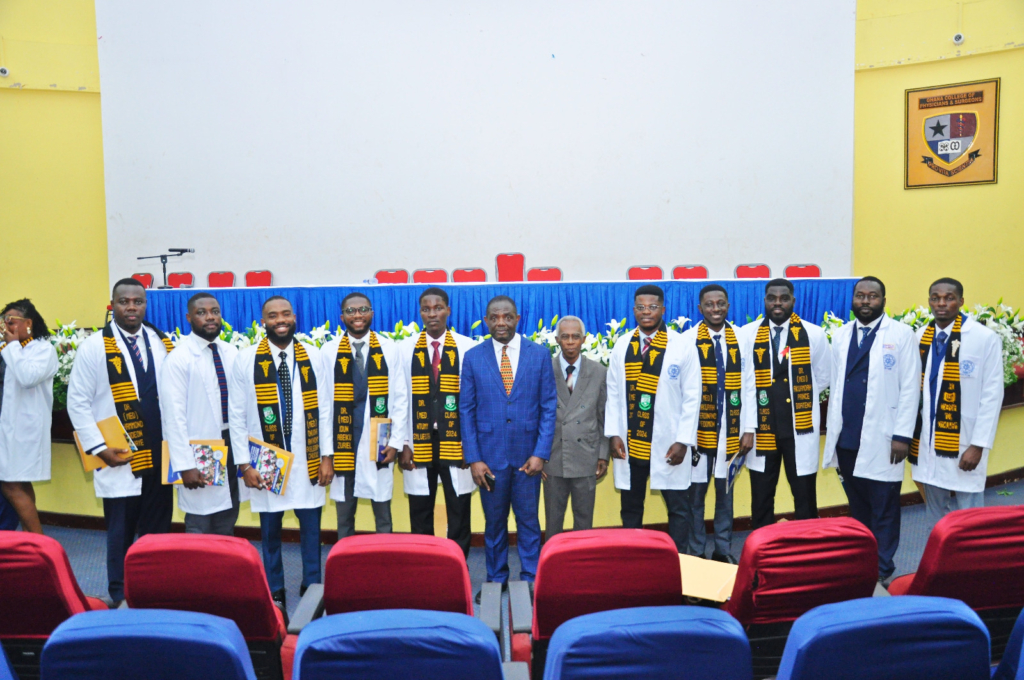
Thirty-six newly qualified medical doctors from Family Health University (FHU) have been officially inducted into the medical profession by the Medical and Dental Council (MDC) of Ghana.
The ceremony, held in Accra over the weekend, formed part of the induction of 192 new doctors.
Addressing the gathering, the Registrar of the MDC, Dr. Divine Ndonbi Banyubala, reminded the inductees of the immense responsibility their profession carries, often involving decisions that could mean life or death.
He urged them to uphold the highest professional standards to maintain the trust and confidence of the public, adding that the MDC would continue its mandate of safeguarding public health and ensuring quality training for medical and dental practitioners.
The Chairman of the Council, Prof. Agyeman Badu Akosa, also advised the new doctors to always place patients’ well-being as their top priority.
He encouraged them to pursue continuous learning, stay abreast of emerging medical technologies, and uphold the noble traditions of the medical profession.
This year’s batch is particularly historic for FHU, as the 36 inductees are the first batch of graduates to be inducted since the institution attained full university charter status in 2024.
Trained under the guidance of esteemed lecturers and professors, and supervised by the institution’s founders, Prof. Enyonam Yao Kwawukume and Dr. Susu Bridget Kwawukume, the doctors are the product of years of rigorous academic and clinical preparation.
The Dean of Family Health Medical School, Dr. Sylvester Yaw Oppong, expressed pride in the graduates, noting that their perseverance and commitment during their studies would serve them well in their professional practice.
Prof. Kwawukume, in his remarks, stressed the importance of teamwork, professional ethics, and continuous mentorship, assuring the graduates that the university would remain committed to supporting their growth and monitoring their progress.
Several inductees expressed heartfelt gratitude to the founders for establishing Ghana’s first private medical school, enabling them to fulfil their aspirations of becoming doctors. They praised the dedication, patience, and professionalism of their lecturers and pledged to serve their communities with diligence and compassion.
Family Health University’s Medical School is Ghana’s premier private medical school, offering a six-year Bachelor of Medicine and Bachelor of Surgery (MB ChB) programme for SSCE and ‘A’ Level graduates, and a four-and-a-half-year Graduate Entry Medical Programme (GEMP) for science degree holders.
The institution prides itself on student-centered learning strategies designed to foster excellence and innovation in healthcare delivery.
Health authorities at Nalerigu’s Baptist Medical Centre are compelled to treat patients with various infectious diseases in a single makeshift ward because the contractor who was paid ¢4.5 million for the COVID-19 centre abandoned the site.
Imagine being in a ward with other patients suffering from different infectious diseases. You have mpox, someone has cholera, and the next person on the bed closest to you has TB. Just a series of repeated coughs, and you are likely to go home with another hospital-acquired infection.
This is the daily reality of patients at the Nalerigu Baptist Medical Centre, where health care providers have to treat patients in a makeshift ward.
In 2020, the government awarded Makro Structures Limited a contract worth GH¢15 million, of which GH¢4.5 million was paid upfront, to design and construct a COVID-19 treatment centre for the area. However, the contractor has since abandoned the site.
JOYNEWS has been tracking the progress of various infectious disease centres.
When Nalerigu recorded its first suspected case of Mpox this year, health authorities at the Baptist Medical Centre had no choice but to treat the patient in its makeshift ward, which had been set aside for infectious diseases.
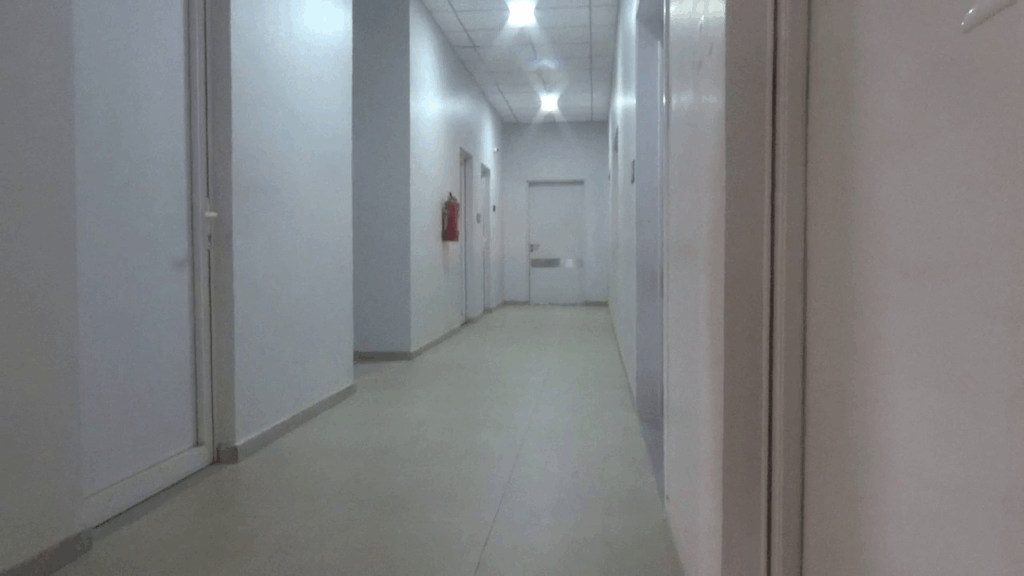
It’s a typical small room, partitioned to separate patients with different infectious diseases. According to the Medical Director, Dr. Isabella Amese, the ward was originally designated for tuberculosis treatment.
However, as a wider range of cases emerged over time, the team was forced to improvise.
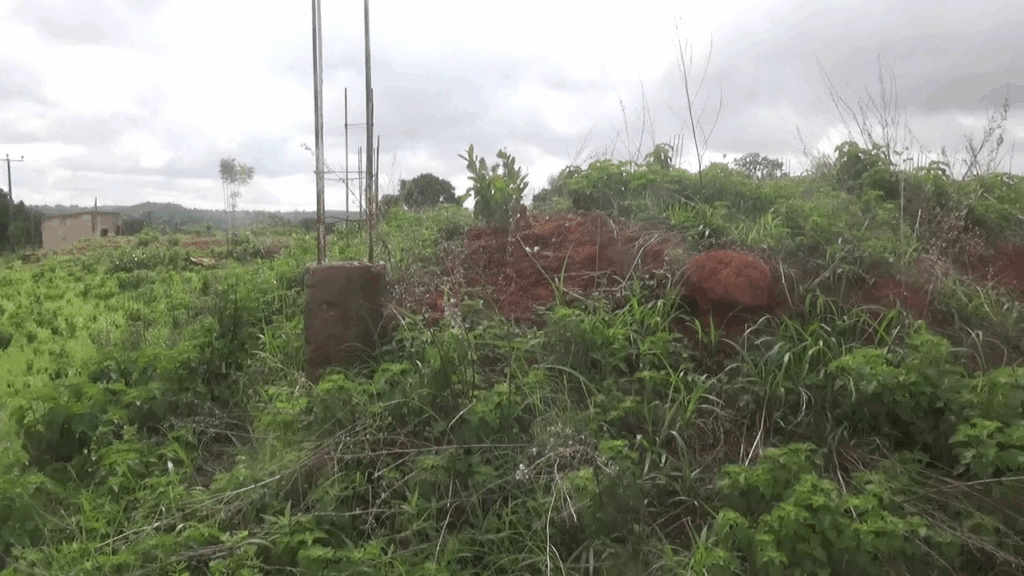
The contractor was paid GH¢4.5 million to complete the facility by October 2022, but only executed 10 per cent of the civil works before abandoning the site.
When JOYNEWS visited, the project was still at the foundation level, with no contractor present. The site had been overtaken by overgrown weeds and stagnant water.
The Auditor-General, in a special report on COVID-19 expenditure between March 2020 and 2022, stated that several efforts by the Ministry of Health to get the contractor to return to the site have proved fruitless.
This is because the contractor did not sign any performance bond. Assembly Member for the Zaari Fong Electoral Area, Bukari Fuseini, says he is appalled by the contractor’s output and is calling on the government to intervene.
The Auditor-General has recommended that the Chief Director of the Ministry of Health recover the mobilisation amount, terminate the contract, and re-award it. Failure to do so would require the Director to refund the amount.
Efforts to get the Health Ministry to comment on the matter have proved futile.
Also at Goaso, in the Ahafo Region, the infectious disease centre is partially completed. A tour of the facility revealed that signage is yet to be installed, sensor control panels are not in place, and minor roof repairs remain outstanding.
Although hospital authorities have taken stock of much of the required equipment, an X-ray machine, a deep freezer, and a stove are yet to be supplied by the contractor. The centre is currently not functional.
When the team inspected the Zebilla Infectious Disease Centre in the Upper East Region, the facility had been completed.
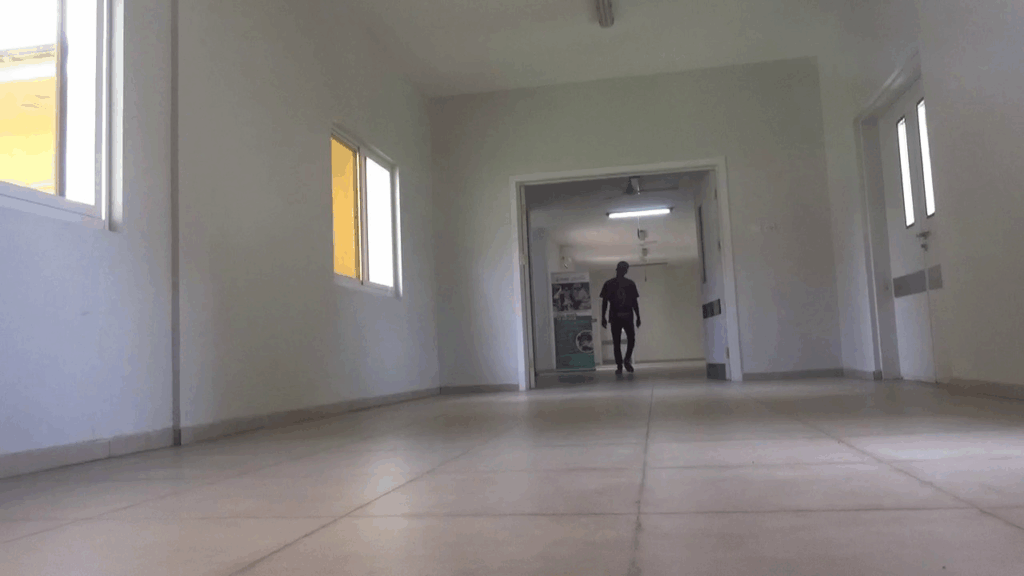
However, due to the absence of any major infectious disease outbreak, hospital management had repurposed the facility by converting sections into neonatal and antenatal units.
A space has, however, been designated specifically for infectious diseases if there is an outbreak in future, confirms Ayobi Abdul Rahman, the Medical Superintendent of Bawku West Hospital.
However, the hospital was not supplied with ventilators or X-ray machines, which are critical equipment for any infectious disease centre.
“The project received support from the Ghana Anti-Corruption Coalition as part of its objective to build evidence for increased accountability in Ghana through a multi-stakeholder accountability initiative.
“Any financial assistance or support provided to the journalist has no editorial influence. The content of this article belongs solely to the author and is not endorsed by or associated with any entity or any other affiliates,” Ayobi Abdul Rahman added.
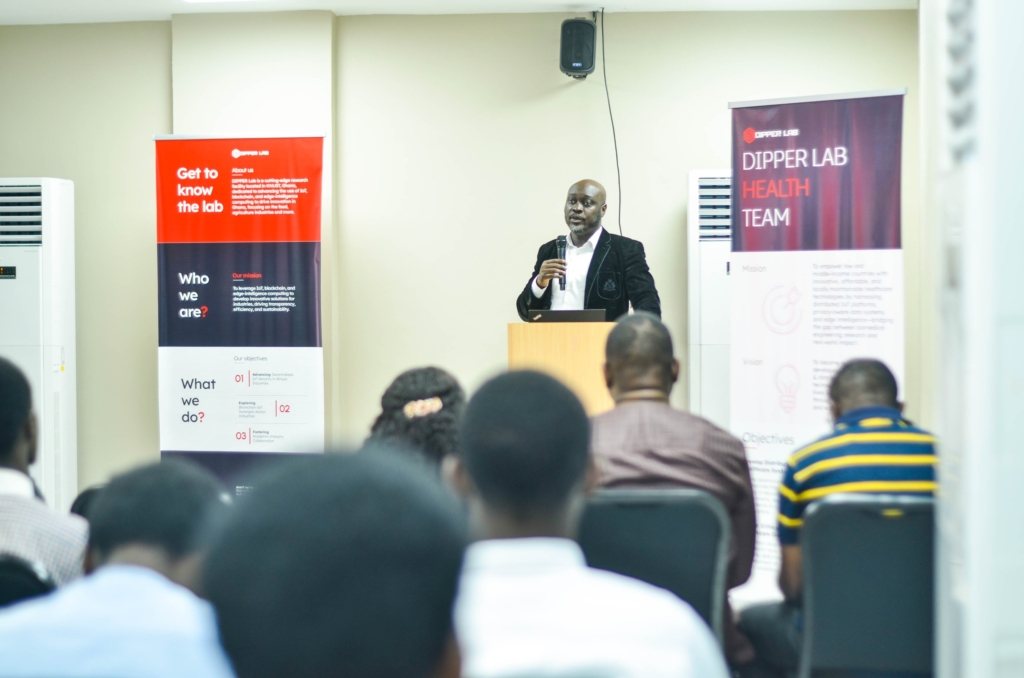
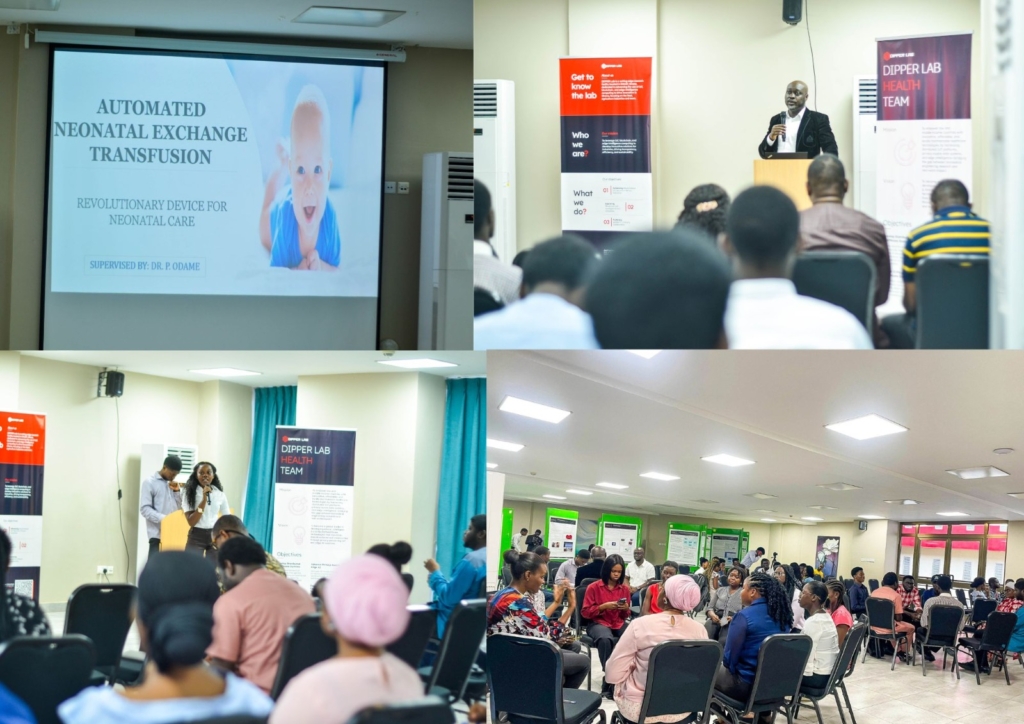
The Distributed IoT Platforms, Privacy and Edge-Intelligence Research (DIPPER) Lab at the Kwame Nkrumah University of Science and Technology (KNUST) has held a stakeholder engagement session with healthcare workers, including general practitioners, pediatricians, nurses, lab technologists, among others.
The engagement was organized to present and receive feedback on several low-cost medical innovations developed by the lab to improve neonatal care and reduce infant mortality in Ghana.
Speaking at the event, Rev. Dr. Prince Odame, Child Health and Innovation Team Lead at DIPPER Lab, explained the rationale behind the initiative.
“We want our innovations to have a real-life impact and be adopted by hospitals to save lives. That’s why we brought in key players in the health sector to evaluate what we’ve built, advise us on improvements, and point out potential challenges,” he said.
The lab showcased a range of medical devices and tools focused on neonatal health, including affordable phototherapy units for treating jaundice, automated exchange transfusion devices, an AI-based jaundice detection system, color-coded thermometers, sleep apnea monitoring devices, and low-cost incubators.
Dr. Odame noted that the Child Health and Innovation team’s work is motivated by challenges encountered in neonatal wards and the need for practical, affordable engineering solutions that can be deployed in hospitals across the country.
Despite some progress, Ghana continues to record a high number of newborn deaths due to preventable causes such as jaundice, respiratory distress, and hypothermia.
Experts have emphasized the need for homegrown, low cost interventions that can be used in resource constrained settings.
Dr. Adoma Odame, Deputy Team Lead of the DIPPER Lab’s Child Health and Innovation team and a Senior Specialist Pediatrician, stressed the importance of developing solutions that are both affordable and usable within the local healthcare context.
“As a pediatrician working in child health, seeing newborns die, we realize that it’s very important for us to, as much as possible, develop low-cost interventions that are easily usable within our environment that can save the lives of newborns,” she noted.
Dr. Adoma added that while Ghana’s neonatal mortality rates have improved over the years, there is still much more to be done.
The engagement drew participation from pediatricians across the country, many of whom expressed strong support for the Lab’s approach.
Dr. Eugene Martey, Ashanti Regional Chair of the Pediatric Society of Ghana, was impressed by the Lab’s innovations and highlighted the importance of devices like CPAP machines.
“Pneumonia and respiratory failure remain major causes of death in children. I’m encouraged by the lab’s effort to provide affordable respiratory support systems, especially for preterm babies,” he said.
Dr. Josephine Oduro Tweneboah, a pediatrician at Komfo Anokye Teaching Hospital (KATH), praised the initiative and the focus on locally driven solutions.
“It’s refreshing to see such innovations coming from Ghanaians for Ghanaians. Most of the equipment we use is imported, and when they break down, they often become unusable. Locally developed devices are easier to maintain and more sustainable,” she noted. The session featured a panel discussion led by Dr. Eric Tutu Tchao, Scientific Director of DIPPER Lab, and a poster exhibition.
The stakeholder meeting marks a significant step in bridging the gap between biomedical research and frontline healthcare delivery in Ghana, with a shared goal of reducing preventable deaths among newborns.
Ghana’s premier mental health advocacy summit, the Wholesome Mind Xperience, returns on October 10, 2025, with a renewed purpose. This year’s edition marks a major milestone as it officially kicks off the reconstruction of the Special Ward at the Accra Psychiatric Hospital, advancing the summit’s broader goal of transforming mental healthcare in the country.
As part of this bold initiative, the conveners launched a GHS 4 million fundraising campaign to refurbish the Special Ward intoGhana’s first Psychiatric Intensive Care Unit (PICU). The PICU will serve as a critical facility within the hospital, offering specialised care and a safe, dignified environment for individuals facing acute mental health crises.
In a significant boost to the fundraising of this project, the Commissioner General has approved the Wholesome Mind Project as a Worthwhile Cause under Section 100 of the Income Tax Act, 2015 (Act 896). This means that donations made toward the reconstruction of the Special Ward shall be allowable as a tax-deductible expense in the computation of income for the 2025 year of assessment.
Under the theme “Mental Health Awareness for all Ages,” this year’s summit will take place at the Labadi Beach Hotel in Accra, bringing together mental health professionals, advocates, caregivers, families, and policy influencers for a day of engaging panel discussions, wellness activities, and community-driven conversations across all life stages.
The summit is spearheaded by VINT & Aletheia Attorneys and Consultants, who are also leading the nationwide and global fundraising campaign to mobilize individuals, corporations, and development partners to support this urgent cause.
To support this initiative, donations can be made through the following channels:
ExpressPay – (search for TWM Fund Drive)
GoFundMe – (search for Attentive care inc) – WHOLESOME MIND PROJECT, GHANA
Bank Transfer: Account Name: VINT & Aletheia – TWM Fund Drive Account Number: 140009547624
According to the World Health Organization (WHO), individuals with mental health conditions deserve care in safe, respectful, and humane environments that promote recovery and uphold their rights. The planned PICU reflects this standard ensuring that the most vulnerable receive not just treatment, but dignity.
Improving mental health outcomes takes more than good intentions. It requires sustained commitment, proper infrastructure, and the willingness to show up for one another. The Special Ward at the Accra Psychiatric Hospital has long supported those in greatest need, yet it remains in poor condition. It’s time we reminded them they are not forgotten.”
Every contribution brings us closer to a transformed future for mental health care in Ghana. Join the movement to reshape the narrative together, we can build a system that is truly holistic, humane, and accessible to all.
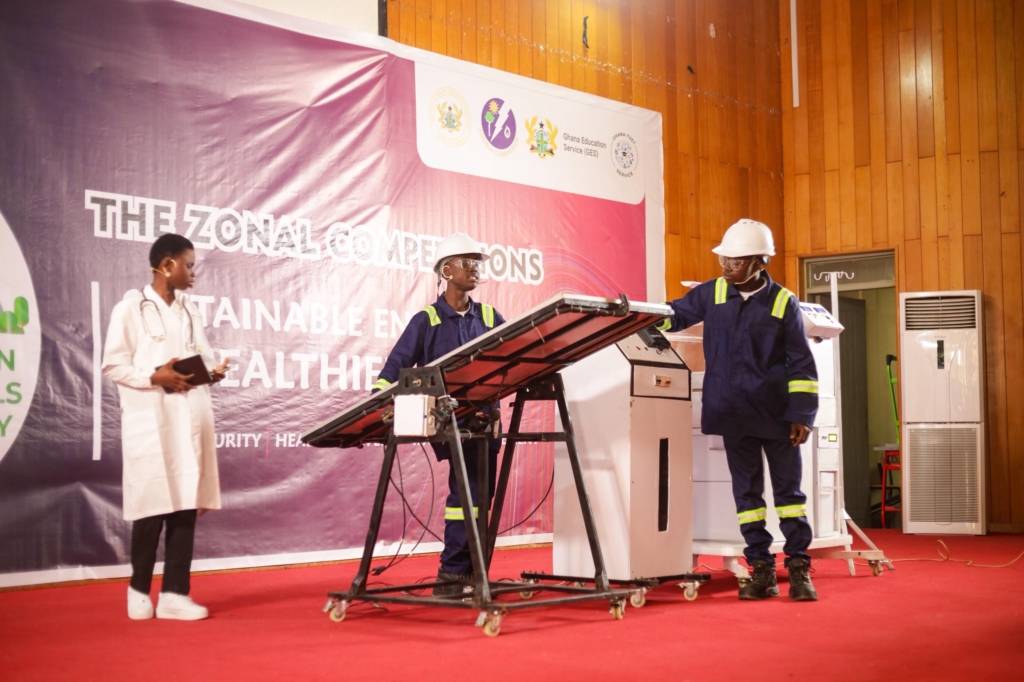
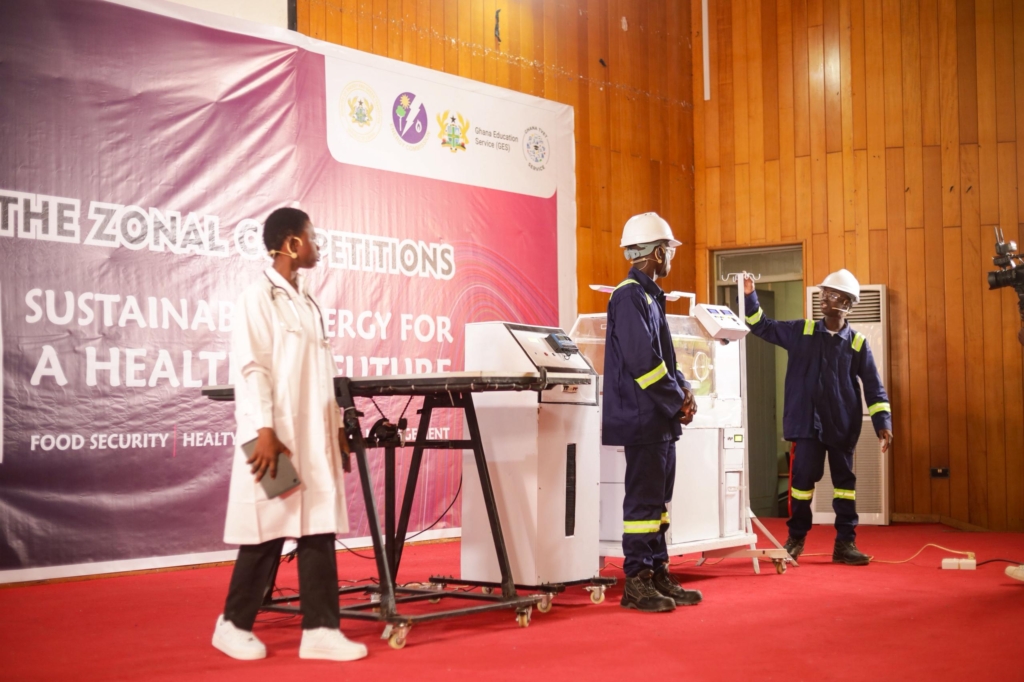
Dabokpa Technical Institute has introduced the Intelligent Babies Incubator, a solar-powered medical device designed to enhance neonatal healthcare delivery.
According to the school, the innovation is well-suited to areas with unreliable electricity supply.
The incubator integrates intelligent temperature control and monitoring systems to provide a stable environment for premature and at-risk newborns.
By utilising solar energy, the innovation ensures uninterrupted operation, supporting healthcare workers in rural and underserved communities to improve infant survival rates.
The initiative was showcased at the 6th edition of the Energy Commission’s Senior High Schools Renewable Energy Challenge, zonal stage in Kumasi, which encourages young innovators to create practical, eco-friendly solutions for societal needs.
Assin Manso Senior High School in the Central region has presented a pioneering Medical Solar Steriliser at the 6th edition of the Energy Commission’s Senior High Schools Renewable Energy Challenge.
The device harnesses solar power to sterilise medical equipment, offering an energy-efficient and environmentally sustainable solution for healthcare delivery, particularly in off-grid and rural areas.
By using renewable energy, the innovation aims to reduce dependence on conventional electricity sources while ensuring effective infection control in medical facilities.
The Renewable Energy Challenge brings together senior high schools nationwide to develop practical solutions that address pressing social and environmental needs.
The Energy Commission hopes such projects will inspire a new generation of innovators committed to promoting clean energy and sustainable development in Ghana.